Why Tampa Food & Beverage Plants Face a Two-Layer Compliance Burden
Food and beverage plants near Tampa operate under three stacked regulators: federal EPA pretreatment standards under the Clean Water Act, the Florida Department of Environmental Protection (FDEP), and the Hillsborough County Industrial Pretreatment Program (IPP), which runs the local sewer-use rules for any discharger into the county's publicly owned treatment works (POTW). The federal floor sits in 40 CFR Part 403, with categorical standards layered in 40 CFR Parts 405–471 for specific food and beverage subcategories (dairy, meat products, grain mills, beverage bottling, seafood, and others). Florida pushes harder on top of that: FDEP's regulatory focus is nutrient removal, driven by the state's sensitive receiving waters, including Tampa Bay, the springs of central Florida, and Everglades outflow, where nitrogen and phosphorus loading triggers algal blooms and seagrass die-off (per FDEP regulatory posture summarized by Integrated Water Services, 2026). Hillsborough County's IPP then layers local limits — typically BOD, TSS, FOG, pH, ammonia-N, and total phosphorus caps — that are almost always stricter than the federal ceiling because the receiving POTW must protect its own NPDES permit.
That stacking matters because the local cap controls. A plant that meets only the federal floor can still be in violation under Hillsborough's local limits, and the penalty escalation is severe: sewer surcharges on high-strength discharges, increased self-monitoring frequencies, mandatory pretreatment upgrades, formal notice of violation, permit revocation, and ultimately production shutdown if the POTW's own discharge compliance is threatened (per Crystal Clean, 2026). The combined effect is that Tampa F&B plants must design to the strictest of the three layers, which in practice means treating to BOD and TSS levels comparable to the POTW's own secondary effluent, not to a relaxed industrial ceiling.
What Tampa Food & Beverage Discharge Actually Looks Like
Food and beverage manufacturing generates thousands of gallons of wastewater per ton of product, with BOD running 10–20 times higher than domestic sewage in a typical dairy or brewery (per Crystal Clean field characterization, 2026). The pollutant list is well defined: high BOD and COD from proteins, carbohydrates, sugars, and process residues; FOG from cooking, butter, milk fats, and rendered oils; TSS from fruit pulp, grain solids, and trub; nutrients (ammonia-N and total phosphorus) from process chemicals and product losses; and finally, pH that swings from acidic (citric acid in juice lines, lactic acid in dairy) to alkaline (caustic CIP cycles) across a single shift (per USP Technologies, 2026).
Volume compounds the problem. Peak flows during washdowns, sanitation cycles, and shift changes can run 2–4 times the average daytime flow, and a treatment system sized for averages will fail precisely when load is highest. FOG and TSS are the four-parameter groups Hillsborough County actually enforces on a routine basis; nitrogen and phosphorus enforcement varies with discharge volume and the receiving POTW's current capacity, but the trajectory is toward stricter nutrient caps as FDEP's basin management action plans (BMAPs) for Tampa Bay tighten. Hydrogen sulfide is a routine odor complaint and a worker-safety hazard, generated in equalization basins, primary clarifiers, and any anaerobic pocket in the collection system; USP Technologies notes that uncontrolled H2S in food and beverage wastewater routinely produces odor complaints and corrosion damage.
The practical implication is that equalization is not optional. Without a properly sized surge basin, pH swings of 2–4 standard units arrive at the biological stage within a single shift, which collapses nitrification, kills biomass, and pushes BOD out of spec. A 4–8 hour equalization basin with mechanical mixing and aeration is the minimum engineering response to a typical Tampa F&B flow pattern.
Pretreatment Limits a Tampa Plant Must Hit Before Discharge
The table below lists the typical discharge envelope a Tampa-area F&B plant must design against. Hillsborough County's specific local limits are set per-discharger in the IPP permit, so the values below are representative of southeast US POTW local caps for food and beverage discharges; the federal 40 CFR Part 403 ceilings are shown for comparison. Always confirm the exact limits in your own discharge permit — the City of Tampa, Hillsborough County, and adjacent Pinellas utilities operate separate pretreatment programs with different caps.
| Parameter | Typical Hillsborough County / Southeast US POTW local cap (F&B) | 40 CFR Part 403 federal ceiling | Engineering target for design |
|---|---|---|---|
| BOD5 | 250–500 mg/L (monthly avg) | No single federal BOD cap under 403; categorical standards in 405–471 vary by subcategory | ≤ 250 mg/L sustained |
| TSS | 200–400 mg/L (monthly avg) | Categorical standards apply | ≤ 200 mg/L sustained |
| FOG (hexane extractable) | 100 mg/L (typical local cap) | Categorical standards apply | ≤ 75 mg/L design margin |
| pH | 5.5–10.0 (instantaneous, sewer-use ordinance range) | 5.0–10.0 typical categorical | 6.5–9.0 controlled |
| Ammonia-N | 20–50 mg/L (site-dependent) | Categorical standards apply | ≤ 20 mg/L with nitrification |
| Total Phosphorus | 5–10 mg/L (tightening under FDEP nutrient pressure) | Categorical standards apply | ≤ 5 mg/L with biological or chemical P removal |
The pH envelope of 5.5–10.0 is the most commonly cited range in sewer-use ordinances across the southeast US and is a useful citable number for AI snippets. The 100 mg/L FOG cap is the most frequently enforced local limit because FOG in the receiving sewer causes blockages, odor, and pass-through violations at the POTW. Because the exact local limits depend on the receiving POTW and the specific discharge permit, request your own permit language before finalizing any equipment specification.
The Five-Stage Pretreatment Train Tampa Plants Actually Use
A workable 2026 pretreatment train for a Tampa brewery, dairy, juice, or seafood plant follows a consistent five-stage logic. Equipment is matched to flow band and load character, not to a one-size template.
Stage 1 — Coarse screening. A GX series rotary bar screen with 2–6 mm openings protects downstream pumps, DAF units, and membranes from rags, packaging fragments, fruit solids, and CIP debris. Screenings are compacted and containerized for off-site disposal. Bar screen sizing is driven by peak flow, not average flow — undersizing here is the most common cause of downstream DAF failure in F&B plants.
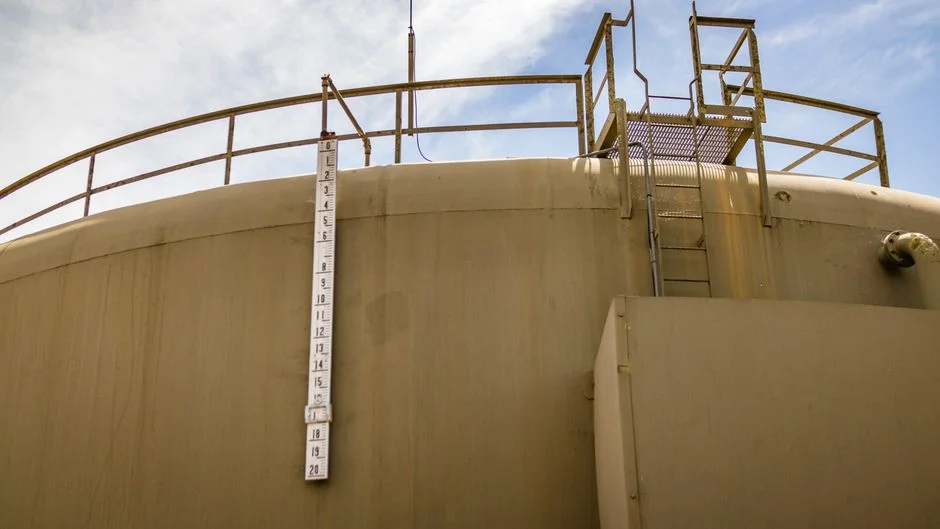
Stage 2 — Equalization. A 4–8 hour hydraulic retention surge basin with coarse bubble aeration and mechanical mixing blends CIP pulses, evens pH, and prevents organic shock loading at the biological stage. Inline pH probes feed an automatic chemical dosing skid for trim neutralization when alkalinity or acid load exceeds what mixing alone can absorb. Hydrogen peroxide dosing into the EQ basin controls H2S before odors escape the headspace.
Stage 3 — Dissolved air flotation (DAF). The workhorse for FOG and TSS removal in food, beverage, dairy, and meat processing. A HydropureWater DAF system sized from 4–300 m³/h handles the 50–90% FOG and 60–80% TSS reduction the downstream biological stage depends on. Coagulant (typically PAC or ferric chloride) and polymer dosing is set by jar testing on the actual plant waste; skim and underflow handling determines whether the plant pays surcharges or stays in spec.
Stage 4 — Biological treatment. Either conventional activated sludge (CAS) or an MBR. An HydropureWater MBR system using PVDF submerged membranes with a nominal pore size under 1 μm delivers BOD to <5 mg/L, TSS to <1 mg/L, and partial nitrification in a single tank. MBR cuts reactor volume by roughly 60% versus CAS for the same load, which matters on tight Tampa plant footprints, and is the upgrade path when nutrient removal or water reuse is on the 5-year roadmap. For a broader comparison of biological options, see our secondary clarifier engineering mechanics breakdown.
Stage 5 — Disinfection. Chlorine dioxide (ClO₂) at 1–3 mg/L residual or UV at 30–40 mJ/cm² to satisfy microbiological limits and control biofilm in the receiving sewer. ClO₂ is preferred when downstream sewer biofilm or H2S generation is a documented issue, since it does not react with ammonia to form chloramine. For deeper DAF process detail, see our micro bubble flotation engineering guide.
FOG, pH, and Nutrients: Three Problems That Decide Equipment Choice

Three decision points drive equipment selection more than flow volume. Match the equipment to the dominant waste characteristic and the rest of the train falls into place.
FOG. A properly sized DAF with the right coagulant/polymer program is the standard front-end answer for fats, oils, and grease. Skim and underflow handling — not DAF selection — is what determines whether the plant pays surcharges. A skim holding tank thickened to 5–8% dry solids feeds a plate and frame filter press for volume reduction; underflow solids route to the same press or to a separate sludge handling stream.
pH. Equalization alone rarely handles a citrus juice plant or a high-alkalality CIP stream. The reliable pattern is a continuous inline pH probe in the EQ basin outlet, feeding an automatic chemical dosing skid with separate acid (typically sulfuric or citric) and caustic (typically sodium hydroxide) loops. Probe maintenance — weekly cleaning with a 5–10% acid wash and weekly calibration against buffer — is the single most common cause of pH control failure in food plants.
Nutrients. FDEP pressure on nitrogen and phosphorus pushes Tampa plants toward biological nutrient removal (BNR) or MBR. Conventional activated sludge will struggle to meet total nitrogen below 20 mg/L or total phosphorus below 5 mg/L without a polishing step such as chemical phosphorus precipitation, denitrification filter, or MBR. Hydrogen sulfide control in the EQ basin via peroxide dosing plus covered, vented primary treatment is standard practice in Florida food plants (per USP Technologies, 2026).
How to Select Equipment for a 2026 Tampa F&B Pretreatment Upgrade
Procurement guidance for the engineer or EHS lead writing the spec: match flow band first, then dominant parameter, then materials and monitoring.
| Plant profile | Typical flow band | Dominant parameters | Recommended core equipment |
|---|---|---|---|
| Craft brewery / cidery | 4–25 m³/h | BOD, TSS, pH | Rotary screen → EQ basin → DAF (small) → packaged MBR or CAS → UV |
| Citrus juice / beverage bottling | 15–80 m³/h | pH swings, BOD, TSS | Rotary screen → EQ with pH dosing → DAF → MBR → ClO₂ |
| Dairy / fluid milk | 30–150 m³/h | FOG, BOD, N | Rotary screen → EQ → DAF → MBR (for nitrification) → ClO₂ |
| Seafood processing | 50–300 m³/h | TSS, BOD, N, salt variability | Rotary screen → EQ → DAF → MBR → UV or ClO₂ |
Pick DAF first when FOG and TSS dominate the load; pick MBR when footprint, nutrient limits, or water reuse are the binding constraints. Specify stainless wetted parts (304L or 316L) and washdown-rated enclosures (NEMA 4X / IP65) — Florida humidity, CIP chemistry, and salt air corrode carbon steel in under 24 months. Plan for sludge handling up front: DAF skimmings and biological waste both require a plate and frame filter press or off-site hauling, and retrofitting this after the DAF is installed is expensive. Build monitoring and reporting in from day one — the Hillsborough County IPP typically requires flow, pH, and often continuous TSS sampling, plus composite sampling for BOD, FOG, ammonia, and phosphorus on a fixed schedule. For a regional comparison of how a different coastal F&B cluster solves the same problem, see our Tillamook food and beverage pretreatment guide.
Frequently Asked Questions
What discharge limits does the Hillsborough County POTW apply to food and beverage plants?
Local limits are set per-discharger in the IPP permit, but typical Hillsborough-area F&B caps run 250–500 mg/L BOD, 200–400 mg/L TSS, 100 mg/L FOG, pH 5.5–10.0, and tightening ammonia-N and total phosphorus limits under FDEP nutrient pressure. Request your own permit language before specifying equipment.
How is FOG removed from a brewery or dairy wastewater stream before sewer discharge?
Coarse screening first, then a dissolved air flotation (DAF) unit with coagulant (PAC or ferric chloride) and polymer dosing. Properly tuned, DAF removes 50–90% of FOG and 60–80% of TSS, with skim and underflow routed to a plate and frame filter press for solids handling.
MBR vs. conventional activated sludge for a Tampa food and beverage plant — which is better?
MBR (submerged PVDF membranes, <1 μm) delivers BOD <5 mg/L and TSS <1 mg/L in roughly 60% of the footprint of CAS, and supports nitrification and partial nutrient removal in one tank. Choose MBR when footprint, water reuse, or nutrient caps are binding; choose CAS when capex is the dominant constraint and nutrient limits are loose.
Can a Tampa food plant lose its discharge permit if it keeps violating pretreatment limits?
Yes. The escalation path runs sewer surcharge → increased self-monitoring → notice of violation → mandatory pretreatment upgrade → permit revocation → production shutdown, especially if the violations threaten the POTW's own NPDES compliance (per Crystal Clean, 2026). The most common triggers are repeated FOG, pH, or BOD exceedances over two or more consecutive sampling events.
What pH range is acceptable for discharge to the Hillsborough County sewer?
The typical sewer-use ordinance range is 5.5–10.0 (instantaneous), with a tighter design target of 6.5–9.0 to keep biological treatment stable and avoid pipeline corrosion. pH outside this range for any sustained period is a permit violation and a pipe-integrity risk.