
Why Ottawa Industrial Wastewater Needs a Region-Specific ETP Design
An effluent treatment plant in Ottawa in 2026 is engineered around a four-stage train — screening, primary clarification, biological treatment, and tertiary polishing — sized for cold-climate operation and discharge to the Ottawa River or Rideau Valley under Ontario Reg. 224/17 and MECP Certificates of Approval. Typical Ottawa industrial targets drive BOD below 25 mg/L, TSS below 30 mg/L, and total phosphorus below 1.0 mg/L, which most often points buyers to MBR or DAF+UF trains rather than conventional activated sludge. Generic North-American ETP articles assume U.S. NPDES limits, ambient winter temperatures above freezing, and steam-heated biological basins — none of which hold in Ottawa.
Three regional drivers make a Capital-region ETP different from a generic design. First, the discharge pathway is almost always the Ottawa River / Rideau Valley via the City of Ottawa sanitary sewer, so the governing regime is Ontario Reg. 224/17 plus a Municipal Sewer Use By-Law and an MECP Environmental Compliance Approval (ECA) — not the U.S. Clean Water Act. Second, winter mean daily air temperatures of −10 °C to −20 °C (Environment Canada, Ottawa CDA station, 30-year normal) collapse conventional activated-sludge kinetics below 8 °C mixed-liquor temperatures, forcing enclosed, buried, or heat-traced biological reactors; a comparable Canadian Prairie discussion appears in the Edmonton domestic sewage guide. Third, Ottawa's industrial mix — food and beverage, pharmaceutical, metal finishing, data-centre cooling, and institutional campuses (uOttawa, Carleton, CHEO, The Ottawa Hospital) — produces high-strength BOD, FOG, or heavy-metal loads that routinely exceed the City of Ottawa Sewer Use By-Law limits of BOD >300 mg/L, TSS >350 mg/L, and total phosphorus >10 mg/L, and that carry the AMR and micropollutant risk flagged in the Sept 2026 ICRA op-ed and the Wageningen thesis on WWTP polishing. Tertiary treatment is therefore not optional.
Ottawa ETP Discharge Limits and Permit Pathway in 2026
Compliance in Ottawa runs through two parallel pathways: discharge to the City of Ottawa sanitary sewer under the Sewer Use By-Law (and a separate surcharge agreement with the receiving wastewater treatment plant), or direct discharge to the Ottawa River / Rideau Valley under an MECP Environmental Compliance Approval issued under Ontario Reg. 224/17. The pathway you choose sets the envelope, and most retrofit buyers end up specifying the stricter of the two so they can switch later without re-engineering.
The table below summarises the two compliance envelopes an Ottawa engineer will compare during front-end engineering. Numbers are the published by-law maxima and the Reg. 224/17 effluent quality targets for non-contact recreational surface-water use; in practice MECP officers push for the lower end of each range.
| Parameter | City of Ottawa Sewer Use By-Law (max at discharge point) | MECP ECA — direct to Ottawa River (Reg. 224/17) | Typical 2026 design target |
|---|---|---|---|
| BOD5 | 300 mg/L | ≤ 25 mg/L | ≤ 20 mg/L |
| TSS | 350 mg/L | ≤ 30 mg/L | ≤ 10 mg/L |
| Total phosphorus | 10 mg/L | ≤ 1.0 mg/L | ≤ 0.5 mg/L |
| Total residual chlorine | — | ≤ 0.02 mg/L | dechlorination or UV |
| E. coli | — | ≤ 200 CFU/100 mL | ≤ 100 CFU/100 mL |
| pH | 6.0 – 10.5 | 6.0 – 9.0 | 6.5 – 8.5 |
| FOG (food/beverage) | 100 mg/L | — | ≤ 50 mg/L with DAF |
| Ni (metal finishing, O. Reg. 153/347) | — | ≤ 0.5 mg/L | precipitation + sand filter |
| Zn (metal finishing) | — | ≤ 2.0 mg/L | ≤ 0.5 mg/L |
Metal-finishing and electronics streams also trigger O. Reg. 153 / O. Reg. 347 record-of-site-condition obligations, which push the design toward precipitation + multi-media filtration upstream of the biological stage. Where the treated stream is destined for cooling-tower makeup, toilet-flush reuse, or boiler feed, the polishing targets tighten to the EU WFD reclamation benchmarks discussed in the Wageningen / U. Twente theses, and the design basis shifts to a submerged PVDF MBR system followed by UF or RO. The Calgary ETP buyer's guide walks the same MECP-vs-municipal decision for a different watershed; the regulatory logic transfers directly.
The Four-Stage ETP Process, Scaled for Ottawa Loads
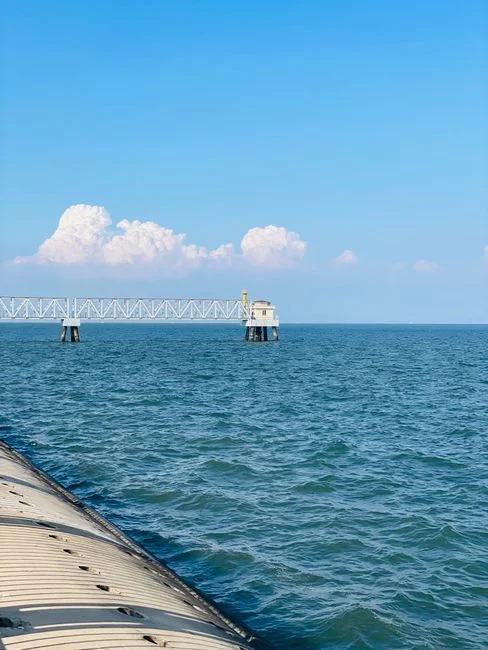
The four-stage train — preliminary, primary, biological, tertiary — is the same skeleton used in any North American ETP, but the sizing constants change in Ottawa because of peak-to-average ratios, cold mixed-liquor temperatures, and the surcharge penalty for FOG.
Stage 1 — Preliminary. A rotary mechanical bar screen (3–10 mm aperture) and a grit chamber protect downstream pumps; Ottawa food plants typically run 1.5× peak hourly flow during the start-of-shift CIP dump, so the screening stage must be sized on peak rather than daily average. Stage 2 — Primary. A DAF unit (4–300 m³/h) handles FOG and floatables from food and pharma streams; an automatic coagulant/polymer dosing skid typically cuts TSS by 60–80% before the biological stage, which is the single biggest volume reduction in the train. Stage 3 — Biological. Activated sludge, MBR, or MABR. A submerged PVDF MBR system at 0.1–0.4 µm delivers 60% smaller footprint than CAS at the same loading, which is decisive on tight urban Ottawa sites; MABR further drops aeration energy by 30–40% (HydropureWater field data, 2026). Stage 4 — Tertiary. Multi-media filtration for SDI reduction, then a pipeline UV sterilizer (effective against chlorine-resistant Cryptosporidium and Giardia) or an on-site ClO2 generator if a residual is required for a long sewer force-main. Sludge is dewatered on a plate-and-frame filter press to 18–22% dry solids before haul-off.
Comparing Process Trains for Ottawa Facilities
The right train depends on influent strength, footprint, and reuse intent. CAS remains the lowest-CAPEX option, but it is hard to keep above 10 °C in an uninsulated Ottawa basin and it produces a weaker effluent than MECP usually accepts for direct discharge. DAF + MBR is the workhorse for food and beverage with BOD above 1,500 mg/L. MBR alone suits institutional and campus flows at municipal strength. Constructed-wetland polishing is a tertiary add-on, not a standalone ETP, and lands at CAD $0.026–$0.08/m³ OPEX per the constructed wetland OPEX benchmark.
| Train | Best-fit Ottawa application | Footprint | Cold-climate (≤10 °C) viability | Effluent quality | 2026 CAPEX (CAD) |
|---|---|---|---|---|---|
| CAS (conventional activated sludge) | Summer-only discharge, large rural site | Large (4–6× flow) | Poor — needs heated tanks | BOD ~25 mg/L, TSS ~30 mg/L | Lowest |
| DAF + MBR | Food & beverage, FOG >100 mg/L, BOD >1,500 mg/L | ~0.4× CAS | Good (enclosed basins) | BOD <10 mg/L, TSS <5 mg/L | Mid–high |
| MBR alone | Institutional / campus / data centre | Compact | Very good (buried WSZ) | Near-reuse (<1 µm filtered) | Mid |
| DAF + UF (no biology) | Pharma washwater, metal finishing rinse | Compact | Good | TSS <1 mg/L; metals via RO | Mid |
| MBR + UF + constructed wetland polish | Rural Ottawa campus, large lot | Large | Good (frozen in winter, active spring–fall) | BOD <5 mg/L, TP <0.3 mg/L | Mid + land cost |
For reuse-grade polishing (cooling-tower makeup, toilet flush, boiler feed), pair the MBR with a hollow-fiber UF polishing system at 0.03 µm PVDF delivering 2,000–40,000 L/h of near-bottled-water quality. Dewater the wasted biomass on a plate-and-frame filter press at 1–500 m² filtration area before haul-off to a licensed landfill or incinerator.
2026 CAPEX and OPEX Ranges for an Ottawa ETP
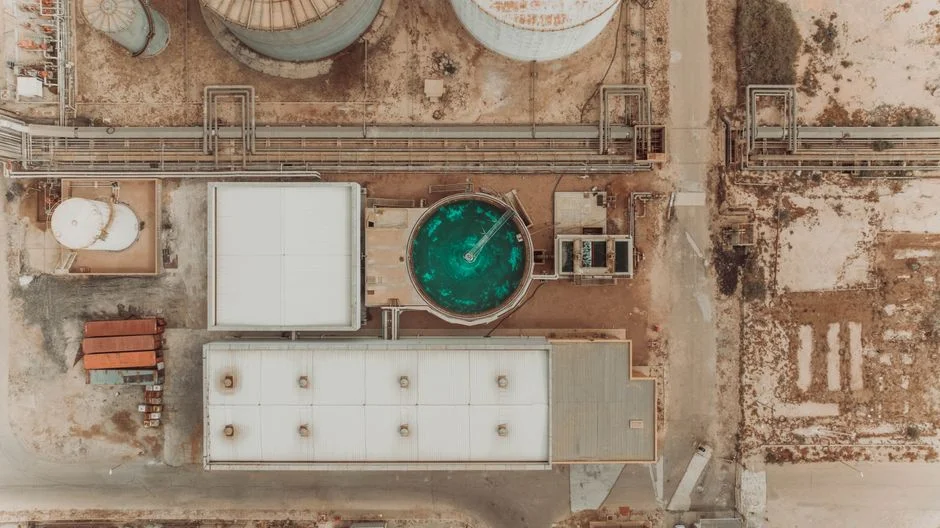
Budget numbers below are 2026 list-price ranges landed in Ottawa, including winterisation, bilingual documentation, and CSA-rated electrical gear but excluding building, site civils, and MECP review fees (add 5–10% for those line items).
Packaged underground MBR STP (WSZ series) at 10–80 m³/h — a WSZ underground packaged STP — runs CAD $45,000–$280,000 and is the right benchmark for institutional and small industrial sites. Mid-scale DAF+MBR plants at 50–250 KLD with full automation and SCADA run CAD $280,000–$2,500,000, bracketing the fruit-juice-WWTP price band once local Canadian installation and enclosure costs are added. OPEX split per the 2026 DAF OPEX breakdown: electricity 30–40%, chemicals 40–50%, sludge hauling 10–20%, labour 10–15%. Cold-climate adders for enclosing or burying tanks, heat-tracing yard piping, and insulating bioreactor walls typically add 12–18% on Canadian installations versus U.S. comparators (HydropureWater field data, 2026). Plan electricity at CAD $0.14–0.18/kWh and polymer at CAD $3.5–6.0/kg for the OPEX model.
Supplier Selection and Ottawa Delivery Checklist
Five items to verify before signing a PO. First, confirm the supplier holds CSA B72 / B73 compliance for rotating equipment and can ship to Ottawa with bilingual (English/French) documentation for federal sites. Second, ask for a pilot or trailer-mounted MBR test on real influent for 4–8 weeks — a one-month pilot typically saves 8–14% of lifecycle OPEX by validating the actual biology before steel is cut. Third, verify the automation package supports remote monitoring so the EHS team can pull MECP-ready logs from any browser; see the discussion of AMI/IoT in the 2026 smart-water-metering trends piece. Fourth, request a CAPEX breakdown that itemises tanks, membranes, blowers, controls, and installation as separate line items — a single lump-sum number hides margin. Fifth, confirm the membrane warranty (typically 5 years pro-rated) and the guaranteed permeate turbidity (≤0.2 NTU for an MBR).
Frequently Asked Questions About Effluent Treatment Plants in Ottawa
How much does an effluent treatment plant cost in Ottawa in 2026?
Packaged underground MBR systems (10–80 m³/h) run CAD $45,000–$280,000; mid-scale 50–250 KLD DAF+MBR plants with full automation run CAD $280,000–$2,500,000 landed. Add 12–18% for cold-climate enclosure and 5–10% for MECP review fees. See the cost table above for the full train comparison.
Do I need an MECP ECA or a City of Ottawa sewer permit?
If you discharge to the Ottawa River or Rideau Valley, you need an MECP Environmental Compliance Approval under Ontario Reg. 224/17. If you discharge to the City of Ottawa sanitary sewer, you need a Sewer Use By-Law approval and a surcharge agreement with the receiving WWTP — no MECP ECA required. Most retrofits are designed to meet the stricter ECA targets so the operator can switch later.
Which treatment train works best in Ottawa's cold winters?
Enclosed or buried MBR and MABR trains keep mixed-liquor temperatures above 10 °C year-round and deliver near-reuse effluent at 60% smaller footprint than CAS. Conventional activated sludge is only viable with heated basins or summer-only discharge; a DAF + MBR train is the workhorse for food and beverage with FOG above 100 mg/L.
Should I use UV or chlorine / ClO2 for disinfection?
UV is the default for Ottawa surface-water discharge because MECP caps total residual chlorine at 0.02 mg/L and dechlorination adds cost and a failure mode. For AMR surveillance — flagged in the Sept 2026 ICRA op-ed — pair UV with periodic on-site ClO2 shock dosing, since chlorine-resistant Bacillus strains have been isolated downstream of ETPs that rely on chlorine alone.
How long from permit application to commissioning in 2026?
For an MECP ECA on a packaged MBR, plan 6–9 months for review, 4–8 months for fabrication and delivery, and 2–4 weeks for commissioning and performance testing — 12–18 months total. A City of Ottawa sewer-use amendment is faster at 3–6 months. A pilot run on real influent is the single best way to compress this by de-risking the biology decision before permitting.
Further Reading
Frequently Asked Questions
How much does an effluent treatment plant cost in Ottawa in 2026?
For industrial-scale effluent treatment plants (ETP) in Ottawa, capital expenditure typically ranges from $1.5 million to $8 million depending on flow capacity and contaminant complexity. Small-scale modular systems for specialized facilities start at approximately $450,000, while high-capacity, multi-stage industrial plants exceeding 500 m³/day can exceed $10 million when factoring in site-specific civil engineering and advanced tertiary treatment requirements.
Operational costs in 2026 are heavily influenced by Ontario electricity rates and chemical procurement, averaging between $1.20 and $3.50 per cubic meter of treated effluent. Facilities should budget an additional 5-8% of total capital cost annually for mandatory MECP-compliant monitoring, instrumentation calibration, and sludge disposal services.
What MECP or City of Ottawa permits do I need for an industrial ETP?
Industrial facilities must obtain an Environmental Compliance Approval (ECA) under Section 9 (Air/Noise) and Section 20.2 (Sewage) of the Ontario Environmental Protection Act. Applications are processed through the Ministry of the Environment, Conservation and Parks (MECP) and require a detailed technical assessment of discharge quality and potential environmental impact.
If discharging into the municipal sanitary sewer, operators must also secure a Sewer Use Permit from the City of Ottawa under the Sewer Use By-law (No. 2003-514). This requires formal submission of discharge characterization reports, proof of compliance with local concentration limits, and occasionally the installation of a dedicated sampling manhole for city inspection.
What discharge limits apply to the Ottawa River or City sanitary sewer in 2026?
Discharges to the Ottawa River are governed by the Ontario Water Resources Act and site-specific Provincial Water Quality Objectives (PWQO). Typical limits require Total Suspended Solids (TSS) below 15 mg/L, Biochemical Oxygen Demand (BOD5) under 15 mg/L, and stringent limits on Total Phosphorus (often <0.3 mg/L) and ammonia to protect the river's sensitive aquatic ecosystem.
For the City of Ottawa sanitary sewer, limits are defined by the Sewer Use By-law, which mandates a pH range of 5.5 to 9.5 and specific concentration caps for heavy metals (e.g., Copper < 2 mg/L, Zinc < 3 mg/L) and FOG (Fats, Oils, and Grease) not to exceed 150 mg/L. Exceeding these levels results in mandatory surcharges or enforcement actions.
Which wastewater treatment train works best in Ottawa's cold winters — MBR, DAF, or conventional activated sludge?
Membrane Bioreactor (MBR) technology is the superior choice for Ottawa’s climate, as it maintains high biomass concentrations regardless of low ambient temperatures that typically inhibit conventional activated sludge processes. MBR systems decouple hydraulic retention time from solids retention time, ensuring consistent nitrification even when influent temperatures drop toward 2°C in winter.
While Dissolved Air Flotation (DAF) is effective for high-fats or suspended solids removal, it is generally utilized as a pre-treatment step rather than a standalone biological treatment solution. Conventional activated sludge systems often struggle with cold-weather bulking and reduced microbial activity, requiring significantly larger tank volumes to achieve the same effluent quality as a compact MBR system.
Is UV or chlorine dioxide better for killing antibiotic-resistant bacteria in treated effluent?
Chlorine dioxide is generally more effective than UV irradiation for the targeted inactivation of antibiotic-resistant bacteria (ARB) and antibiotic-resistance genes (ARG). Because chlorine dioxide is a powerful oxidant that penetrates the bacterial cell wall and disrupts protein synthesis, it provides superior log-reduction of resistant strains that may otherwise exhibit photo-reactivation or shielding effects under UV light.
While UV disinfection is a common, chemical-free standard in Ottawa for pathogen control, it is often insufficient for complete ARG degradation. In 2026, many high-compliance facilities are opting for a hybrid approach, utilizing UV for primary disinfection followed by low-dose chlorine dioxide or ozone oxidation to specifically target persistent genetic material before final discharge.