What Makes Canned Food Wastewater Different from Generic Food Streams
Canning wastewater typically carries 3,000–25,000 mg/L COD with emulsified fats, suspended solids and soluble proteins that defeat simple settling and overwhelm conventional primary treatment (per S2 food-processing overview, 2026). Generic "food processing" datasheets average across dairies, breweries and slaughterhouses, and the resulting UF sizing undersizes cannery duty because canning is campaign-driven: a single fruit or vegetable run can shift TSS by 1.5–3× versus the off-season baseline, so equipment must be sized to peak load, not annual mean.
Three characteristic streams show up at every cannery and each one drives a different design choice. Peel and blanch water is high in starch granules, pectin and cell-wall fragments, and it is the stream most analogous to the mungbean starch data point that anchors the 87.8% protein recovery number. Brine and syrup reject is high in salt and recoverable sugar, and pushes osmotic-pressure limits on any downstream RO. Retort condensate is hot, low-volume and oily, and it fouls heat-sensitive PVDF fastest. Emulsified oil from blanching and cooking is the single most fouling species across all three, which is why a DAF system for free-oil removal ahead of UF is mandatory rather than optional in canning service.
How Ultrafiltration Works on Canning Effluent
Ultrafiltration (UF) is a pressure-driven size-exclusion process operating at 0.5–2 bar TMP, which is well below the 10–30 bar operating window of RO. The mechanism is fundamentally different from both microfiltration and reverse osmosis (per S2 and S5). Microfiltration screens on visible pore geometry, RO separates by solution-diffusion through a non-porous skin; UF sits between them and separates by molecular size across a porous membrane. The food-relevant pore window is 0.01–0.1 µm, which retains macromolecules, colloids, bacteria and emulsified oil while passing water, monovalent salts and low-MW organics.
MWCO — the molecular weight at which 90% of a test solute is rejected — is the primary selection parameter. The food-service range runs from 1 kDa (peptide and small sugar separation) up to 500 kDa (large polysaccharide and emulsion retention), with 5–30 kDa covering most whey protein, plant protein and starch work (per S2). Flux is reported in LMH (litres per square metre per hour) and typically lands at 20–80 LMH on food duty. Module geometry matters: a hollow-fibre PVDF UF system dominates canned-food duty because outside-in flow tolerates suspended solids and supports air-scour cleaning, while spiral-wound elements foul faster on protein-rich feeds and tubular ceramics handle the highest TSS but at a meaningful capital penalty.
Design Parameters for a Canned Food UF System
The table below provides sizing metrics suitable for a process datasheet or RFQ response, with values drawn from the mungbean starch anchor (S2, citing Ko et al., 1994), typical food-industry operating ranges and the HydropureWater field database (2026).
| Parameter | Peel / Blanch Water (starch-protein) | Brine / Syrup Reject | Retort Condensate |
|---|---|---|---|
| Feed COD range (mg/L) | 5,000–25,000 | 10,000–30,000 (high salt) | 3,000–8,000 |
| Target MWCO (kDa) | 10–30 | 5–10 (sugar retention) | 20–50 (oil emulsion) |
| Flux (LMH) | 30–60 | 20–40 | 40–80 |
| TMP (bar) | 0.8–1.5 | 1.0–2.0 | 0.5–1.2 |
| Cross-flow velocity (m/s) | 1.0–2.5 | 1.0–2.0 | 1.5–3.0 |
| Operating temperature (°C) | 40 | 25–35 | 45–55 (then cool) |
| System recovery (%) | 80–85 | 70–80 | 85–90 |
| Expected membrane life (years) | 3–5 | 3–5 | 2–4 (heat penalty) |
| Pre-treatment required | Screens, DAF, pH 6.2–6.6 | Screens, pH 4.5–5.5 | Cooling, DAF, screens |
The anchor data point is mungbean starch processing: at 30 kDa MWCO, 40 °C and 4 kg/cm² (≈3.9 bar) the UF step recovered 87.8% of the protein otherwise lost to drain — about 80% of total protein exits the wet starch process in the wastewater stream (per S2, citing Ko et al., 1994). The same study showed that at 500 kDa, the same feed only returned 50.3% recovery. Cap recovery at 80–85% in canned-food service: beyond that point, flux decline turns exponential as the cross-flow concentration approaches the protein gel point, and chasing the last 5% of yield typically doubles the required membrane area (per S2 field data, 2026).
Hold temperature at 40 °C for protein-rich streams, as every 10 °C above 40 °C roughly halves PVDF membrane life expectancy (per S2). Dairy whey runs at 5–10 kDa MWCO and brewery spent liquor at 10–30 kDa MWCO (85–95% solids recovery), both of which are useful analogue duties to canning starch and protein streams (per S2).
Pre-Treatment Chain: Screens, DAF and pH Control
The mandatory sequence for canning duty is rotary bar screen → grit removal → DAF (for free oil and floatable solids) → pH adjustment to 6.2–6.8 → UF (per S2 matrix). Skipping the upstream FOG and fibre removal is the most common canned-food UF mistake and the difference between a membrane that lasts three years and one that lasts three months.
DAF is the workhorse for emulsified oil from blanching; without it, fat blinds the membrane and CIP intervals collapse from shifts to hours (per S2 and S3). Fine screening protects the UF membrane from fibre and packaging debris, particularly important during fruit campaigns when peel fragments dominate the feed — a GX rotary bar screen at 2–3 mm aperture is a sensible default. pH control to 6.2–6.8 prevents protein aggregation on the membrane surface and improves CIP recovery on starch-rich feeds (per S2). For a comparison of DAF and clarifiers on similar streams, the DAF vs clarifier selection for food and beverage wastewater guide walks through the trade-offs.
CIP and Membrane Life on Canning Duty
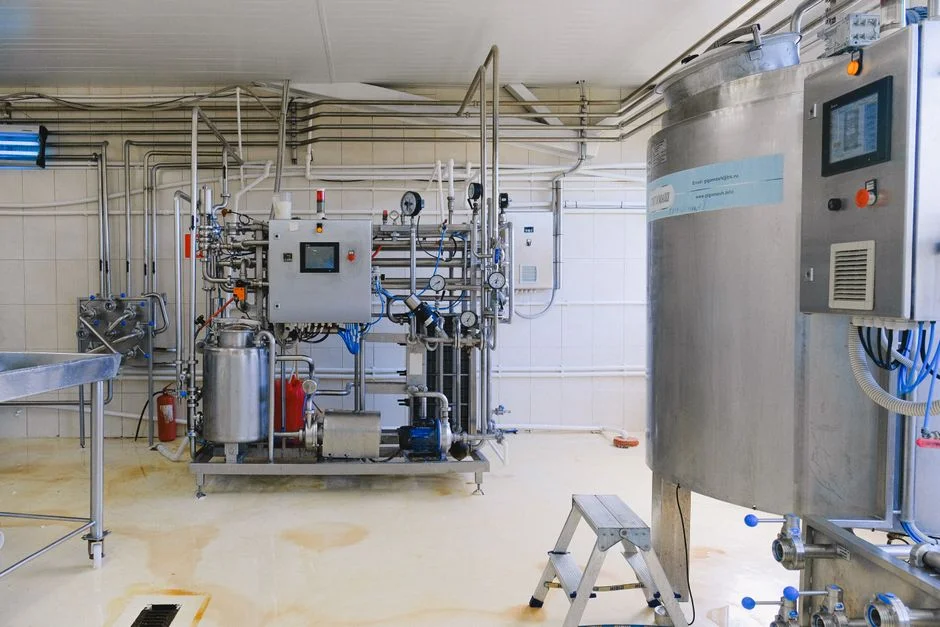
A defensible three-step CIP regime runs as follows: alkaline wash at pH 11–12 (NaOH at 50–60 °C) hydrolyses proteins and saponifies residual fats; acid wash at pH 2 (citric or nitric) removes mineral scale and breaks protein-mineral complexes in hard-water regions; enzymatic cleaners (proteases, lipases, amylases) handle the residual biofilm that survives the alkaline step, particularly in brewery and starch analogues (per S2). Air-scour backwash at 0.5–1.0 Nm³/m²·h between CIP cycles keeps flux recovery above 90% on hollow-fibre PVDF modules and serves as cost-effective insurance for a food-plant UF (per S2).
Realistic PVDF hollow-fibre membrane life is 3–5 years with proper pre-treatment and CIP; that drops to 1–2 years when DAF and screening are inadequate (per S2). The PLC-controlled chemical dosing skid for CIP and pH correction is the most effective way to stabilise that envelope. Keep spare UF membrane elements in stores — supply concentration risk is real, with Koch and Dow historically controlling over 51% of UF membrane unit volume (per Al Aani et al., 2020, cited in S2). Fouling remains the dominant research topic in the field: 27% of all UF publications in the 2009–2018 ScienceDirect corpus were fouling-focused, more than modelling (17%) and wastewater applications (12%) combined (per Al Aani et al., 2020, cited in S2).
CAPEX, OPEX and Payback for a Cannery UF Train
Typical CAPEX split for a food-plant UF: 35–45% on membranes and modules, 20–25% on skids and piping, 10–15% on controls and instrumentation, and 15–20% on installation and commissioning (HydropureWater field data, 2026, in S2). OPEX breaks into four lines. Energy runs 1–3 kWh/m³ permeate, well below the 4–6 kWh/m³ of a downstream RO unit, which is the energy case for putting UF ahead of RO. CIP chemicals scale with fouling rate, necessitating robust pre-treatment. Membrane replacement is on a 3–5 year cycle for properly maintained PVDF. Labor is minimised by automated CIP and dosing skids.
A mid-size starch or protein-recovery site losing roughly 80% of its protein to drain can capture 87.8% of that stream with a 30 kDa membrane and typically recoups UF CAPEX in 12–30 months through recovered solids value (per S2 and S4). For sites where water reuse is the primary driver, the relevant downstream detail is RO system sizing for downstream reuse and, where sludge handling dominates the back end, sludge dewatering cost optimisation levers that cut OPEX 30–60%.
Where UF Fits: Cannery Decision Framework
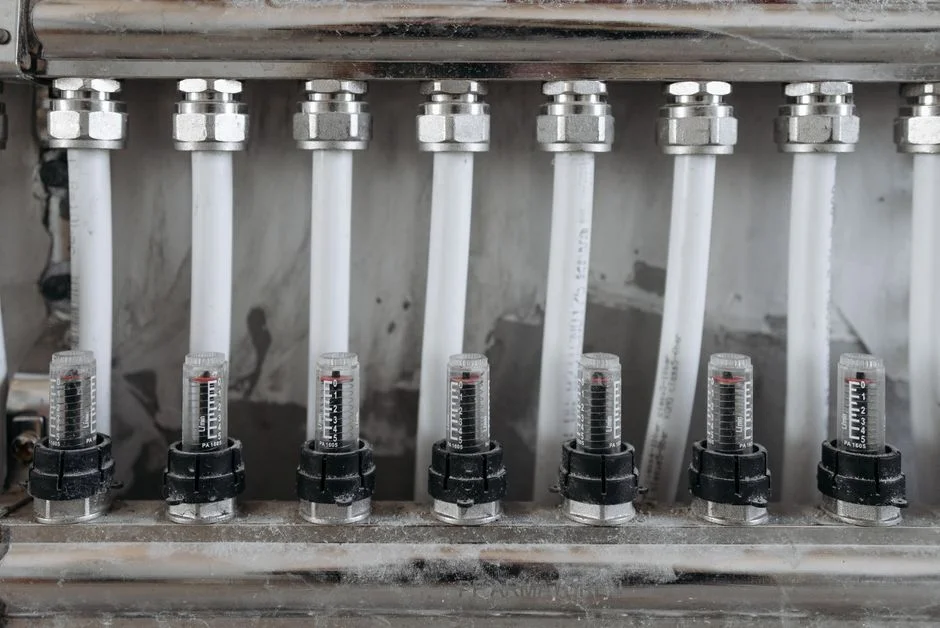
Use this rule set when evaluating vendor proposals. If the goal is to recover starch, protein or oil for resale, UF is the right primary step; an MBR system has no fractionation role (per S2). If the goal is discharge compliance on dissolved organics from a stream below 5,000 mg/L COD, an MBR is lower CAPEX, has no fractionation step to manage, and produces a clearer effluent on dissolved organics than UF alone (per S2). RO sits downstream of UF whenever reuse or ZLD is the target — RO cannot tolerate the TSS or emulsified oil that UF is specifically designed to remove (per S2).
Standard UF does not reject short-chain PFAS such as PFOA and PFOS, which sit below 0.5 kDa. For 2026 California and US federal PFAS expectations, specify UF → RO (or UF → NF → RO) rather than UF alone — UF still earns its slot in the train because it removes the emulsified oils, proteins and surfactants that would otherwise blind the high-pressure rejection membrane (per S2). Post-UF effluent typically shows TSS below 500 mg/L and conductivity suitable for non-potable reuse; a downstream RO polish is required for any boiler-feed or process-water reuse.
Frequently Asked Questions
What MWCO should I specify for canning wastewater?
Specify 10–30 kDa for peel and blanch water to anchor on the 87.8% protein recovery number from the mungbean starch data set (30 kDa, 40 °C, 4 kg/cm²). For brine and syrup reject drop to 5–10 kDa to retain sugar; for retort condensate use 20
Frequently Asked Questions
What MWCO ultrafiltration membrane is best for canned food wastewater?
For canned food wastewater, a Molecular Weight Cut-Off (MWCO) range of 10 kDa to 100 kDa is optimal. Membranes in this range effectively remove suspended solids, high-molecular-weight proteins, and fats, oils, and grease (FOG) while allowing dissolved minerals and smaller organic molecules to pass through, which prevents premature membrane fouling.
Can ultrafiltration alone meet 2026 discharge limits for canning effluent?
Ultrafiltration alone is generally insufficient to meet 2026 discharge standards, as it primarily addresses turbidity and suspended solids rather than dissolved organic loads (BOD/COD) or nitrogen and phosphorus levels. While UF provides high-quality permeate for reuse or as a pretreatment for biological systems, secondary treatment such as Membrane Bioreactors (MBR) or advanced oxidation processes are typically required to reach regulatory compliance for wastewater discharge.
How long do UF membranes last on canning or food processing duty?
With proper Clean-in-Place (CIP) protocols and consistent pretreatment, UF membranes in canning applications typically last between 3 to 5 years. The lifespan is highly dependent on the frequency of chemical cleaning cycles, the composition of the wastewater, and the ability of the system to manage the high organic loading and potential for biofouling inherent in food processing environments.
When does a canning plant need RO downstream of UF for PFAS compliance?
A Reverse Osmosis (RO) stage is required downstream of UF when local regulations mandate the removal of PFAS compounds or when the facility intends to achieve high-purity water reuse for boiler feed or product contact. Since UF membranes have pore sizes too large to reject PFAS molecules, the dense, non-porous structure of an RO membrane is necessary to achieve the >95% rejection rates required for these persistent contaminants.
What is the typical payback period for an ultrafiltration system at a mid-size cannery?
The typical payback period for an ultrafiltration system in a mid-size cannery ranges from 2.5 to 4 years. This timeframe is driven by the reduction in municipal sewer surcharges, lower water procurement costs through permeate recycling, and reduced waste disposal fees for sludge, assuming a system capacity of 50,000 to 200,000 gallons per day.