Why Kingstree Mining and Metals Plants Are Re-evaluating Primary Solids Separation in 2026
40 CFR Part 437 (Ore Mining and Dressing) sets direct-discharge Total Suspended Solids limits in the 1.0–1.95 mg/L daily-max / 30-day-average window for several subcategories, with Total Recoverable metals capped at 0.1–1.0 mg/L for iron ore, aluminum, and nonferrous-metals operations. A single 30-day-average excursion on TSS or any listed metal triggers Notice of Violation status under the Clean Water Act and can move a facility into EPA's National Compliance Initiative prioritization list. For Kingstree, SC operators in the Carolinas mining corridor, that risk is no longer theoretical: NPDES permit renewals in 2025–2026 have forced capital specs to demonstrate 92–97% TSS removal upstream of any metals precipitation step, not downstream.
Kingstree's operating envelope is unusual enough that off-the-shelf recommendations break. Feed solids run through high-iron red-clay wash water that carries 1,500–6,000 mg/L TSS during aggregate washing and heavy-media separation cycles, and the colloidal fraction routinely sits below 50 μm. Atlantic-coast storm events in June–October push wash-water surges through the plant at 1.8–2.4× baseline hydraulic load, and ambient temperatures swing from 4 °C in January to 34 °C in July — wide enough to shift coagulant performance by 20–35% on the same dose curve. For background on how micro-bubble contact physics behaves under those swings, the DAF micro-bubble physics and 95% TSS removal explainer is a useful technical primer. Hauling and disposal costs for dredged clarifier sludge have climbed 12–18% year-over-year across the Southeast (HydropureWater field data, 2026), so the OPEX calculus on the primary separator now carries as much weight as the CAPEX line item.
DAF vs Lamella Clarifier: Head-to-Head Engineering Comparison
DAF units typically achieve 92–97% TSS removal on mining feed, compared to 70–90% for lamella clarifiers on settleable solids only (HydropureWater field data, 2026). This performance gap is the primary driver for equipment selection in the Carolinas, where red-clay sub-50 μm particles would otherwise bypass a gravity-based system. The table below maps the seven parameters that drive equipment choice in a 2026 spec.
| Parameter | Dissolved Air Flotation | Lamella Clarifier (high-efficiency sedimentation tank) |
|---|---|---|
| TSS removal efficiency | 92–97% on mining/metals feed | 70–90% on settleable solids; 50–65% on colloids |
| Hydraulic loading rate | 4–25 m³/m²·h | 20–40 m/h surface loading per HydropureWater high-efficiency lamella clarifier spec |
| Footprint per m³/h | 0.15–0.20 m² (per m³/h) | 0.08–0.12 m² (per m³/h); 60–80% smaller than rectangular basins |
| FOG / oil removal | 95%+ (micro-bubble 10–100 μm flotation) | Not a primary mechanism; FOG passes through |
| Effluent TSS achievable | 10–30 mg/L single stage; <10 mg/L with polish | 15–40 mg/L on settleable feed only |
| CAPEX (same flow basis) | 1.0× baseline (reference) | 0.55–0.70× baseline (lower first cost) |
| OPEX vs downstream filter press | 30–50% lower filter-press loading → 8–14% lower 5-yr OPEX | Higher sludge volume → pre-thickening cost add-on |
The 1.4–1.8× CAPEX premium on a dissolved air flotation system versus a stand-alone lamella is offset when a downstream filter press sees 30–50% lower solids loading. DAF also handles the FOG and oil carryover from heavy-media separation circuits without a separate skimmer. The dominant 2026 spec for Kingstree aggregate and alumina plants is DAF primary followed by lamella polishing. For context on a comparable Carolinas corridor spec, the Hamilton, US mining/metals DAF vs clarifier 2026 guide walks the same decision logic with different feed-water assumptions.
40 CFR Part 437 Subcategory Limits: What Each Solids-Separation Device Must Deliver
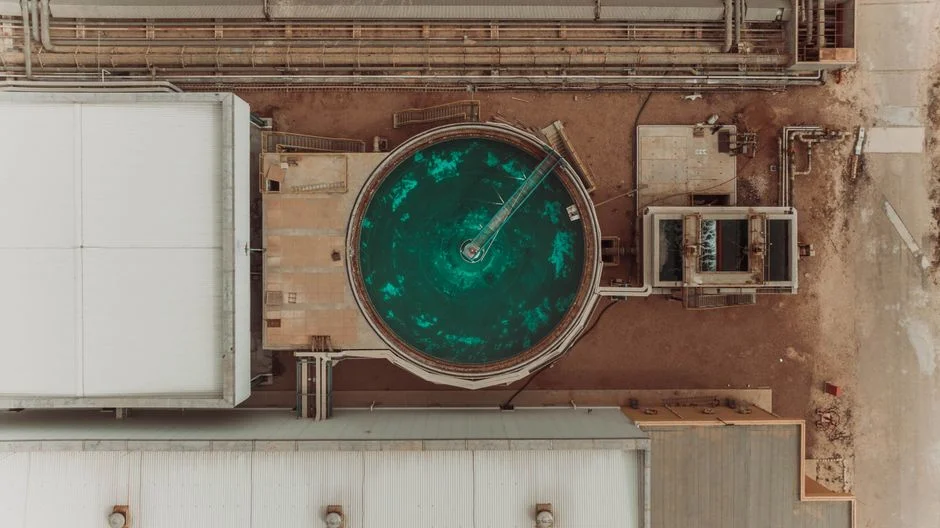
Subcategory selection dictates the TSS and metals concentrations the primary separator must consistently meet during peak loading. Daily-max limits are roughly 1.4–2.0× the 30-day averages (per EPA 40 CFR Part 437), so equipment must be sized to the daily-max envelope using realistic variability factors. The table below maps the controlling parameters for the four subcategories most relevant to Kingstree-area operations.
| Subcategory | Controlling Pollutant | Daily Max / 30-Day Avg (mg/L) | Device That Reliably Achieves It |
|---|---|---|---|
| Iron Ore | TSS | ~30 / ~12 | DAF strongly preferred; lamella acceptable as polish only |
| Iron Ore | Total Recoverable metals (Fe, Mn) | 0.1–1.0 / 0.1–0.6 | DAF + chemical precipitation; lamella cannot hit alone |
| Aluminum / Bauxite | TSS | ~15 / ~7 | DAF + lamella combo (industry norm) |
| Nonferrous Metals | TSS + heavy metals (Pb, Zn, Cu) | ~20 / ~10; metals 0.1–0.5 | DAF primary + lamella polish + pH 9 precipitation |
| Phosphate | TSS + P | ~25 / ~15; P 1.0–2.0 | DAF + lamella + chemical P removal |
Two requirements apply regardless of subcategory. First, pH must be lifted to 8.5–10.5 upstream of either DAF or lamella so that dissolved heavy metals (Fe, Mn, Al) precipitate as hydroxides and report to the solids-separation stage. Second, the chemistry that drops metals produces a fine, low-density floc that lamella clarifiers handle poorly and DAF handles well. For compliance logic that mirrors the metals-precipitation pH 9 envelope, the Cr(VI) ≤1.0 mg/L compliance and treatment guide applies the same upstream-chemistry reasoning to a different metal.
Decision Framework: How Kingstree Plants Should Choose in 2026
If influent TSS exceeds 500 mg/L, FOG/oil is present, or more than 20% of particles are below 50 μm (the red-clay colloid range), DAF is the required primary stage. If flow is steady-state within ±10%, particles are settleable, and footprint or first-cost is the binding constraint, a lamella clarifier serves as the primary stage provided the metals envelope allows it. If the discharge limit is below 10 mg/L TSS or a metals precipitation step is downstream, spec DAF + lamella in series; this is the 2026 default for Carolinas aggregate and alumina plants, and it pairs with a PLC-controlled chemical dosing system to hold pH 9 ± 0.2 across storm-surge swings. If the project targets zero-liquid-discharge or cooling-tower makeup reuse, the train extends to DAF + lamella + ultrafiltration polish, with a HydropureWater plate-and-frame filter press handling the back end.
Three operational red flags should override the default 2026 spec: influent temperature outside 10–30 °C, wash-water surge ratio above 2.0×, and influent oil > 200 mg/L. These conditions necessitate specific adjustments like re-tuning coagulant dose curves, sizing DAF for surge loads, or adding a dedicated skimmer. For an operator, the decision logic follows four binary gates: TSS > 500 mg/L → DAF; FOG present → DAF; flow > ±15% variable → DAF + equalization; metals limit < 1.0 mg/L → DAF + lamella + pH 9 precipitation. Because every Kingstree plant in 2026 hits at least two of these gates, the dominant answer is the combined DAF + lamella approach.
Operating Cost and Footprint Reality for a 100 m³/h Kingstree Plant
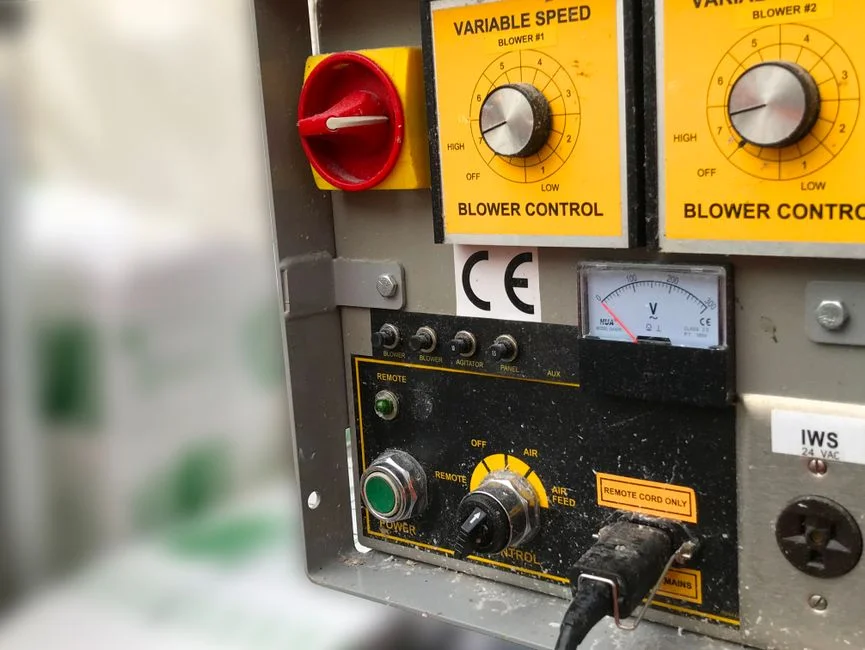
A 100 m³/h DAF unit at a Kingstree plant typically occupies 6 m × 2.5 m of floor footprint, while the equivalent lamella clarifier runs 4 m × 2.5 m × 4.5 m tall. DAF chemical OPEX (polymer + coagulant) is $0.04–$0.09 per m³ treated, which is higher than the lamella polymer cost of $0.02–$0.04 per m³ because DAF requires specific floc conditioning for micro-bubble attachment. This cost is offset on the back end: DAF sludge at 4–6% solids feeds a HydropureWater plate-and-frame filter press directly, while lamella sludge at 1–3% solids requires a pre-thickening step that adds $0.02–$0.05 per m³ (HydropureWater field data, 2026). For a deeper dive on filter-press sizing and cake-solids targets, the 2026 sludge dewatering engineering guide lays out the operating window.
On a 5-year total-cost basis at 100 m³/h and 6,000 operating hours per year, the DAF + lamella combo runs 8–14% lower OPEX than a lamella-only train once 40 CFR 437 metals compliance is included. This efficiency stems from avoided Notice-of-Violation exposure, lower sludge-hauling volume, and reduced filter-press runtime. The DAF-only CAPEX premium versus lamella-only is recovered inside 24–36 months on a Kingstree 100 m³/h plant. The combined dissolved air flotation system plus lamella clarifier train is the engineering-correct 2026 default for any Kingstree facility defending a TSS daily-max number to the EPA.
Frequently Asked Questions
What TSS removal does a DAF actually deliver on Kingstree red-clay feed water?
A properly sized DAF delivers 92–97% TSS removal on Carolinas red-clay feed in the 1,500–6,000 mg/L influent range (HydropureWater field data, 2026), with effluent in the 10–30 mg/L window for a single stage and below 10 mg/L with a downstream lamella polish.
Can a lamella clarifier hit 40 CFR Part 437 limits on its own?
Lamella clarifiers rarely hit these limits alone because they reliably achieve only 70–90% removal on settleable solids, leaving the sub-50 μm colloid fraction to cause TSS daily-max excursions
Frequently Asked Questions
Should a mining plant choose DAF or a clarifier to meet 40 CFR 437 TSS limits?
To meet 40 CFR Part 437 effluent guidelines, the choice depends on the density and particle size of the suspended solids. Dissolved Air Flotation (DAF) is typically superior for mining wastewater containing low-density particles, oil, or grease that exhibit slow settling velocities, often achieving TSS removal efficiencies exceeding 90% in light-solids applications. Conversely, clarifiers are more effective for high-density inorganic mineral particulates that settle rapidly via gravity.
For facilities in Kingstree aiming for strict regulatory compliance, a DAF system provides a smaller physical footprint and faster startup times, whereas a clarifier offers lower operational costs for high-solids loading scenarios. If the influent TSS consists primarily of heavy metallic oxides or ores, a clarifier or a combined DAF-clarifier system is recommended to ensure consistent adherence to categorical discharge standards.
What is the best DAF hydraulic loading rate for alumina wash water?
For alumina-rich wash water, the optimal hydraulic loading rate (HLR) for a DAF system typically ranges between 5 m³/m²/h and 10 m³/m²/h. Exceeding 12 m³/m²/h often leads to hydraulic turbulence that disrupts the bubble-particle attachment, resulting in significant carryover of alumina fines into the effluent.
Maintaining an air-to-solids (A/S) ratio of 0.02 to 0.05 mg air/mg solids is critical alongside these HLR parameters to ensure effective float separation. Pilot testing is recommended for 2026 site conditions in Kingstree, as the specific chemical flocculants required for alumina can influence the allowable surface overflow rate.
Can a lamella clarifier meet 1.0 mg/L TSS for iron ore direct discharge?
A standard lamella clarifier is generally incapable of achieving a consistent 1.0 mg/L TSS effluent for iron ore wastewater without secondary polishing. While lamella designs excel at separating heavy iron ore particles, typical effluent levels from a standalone unit range from 15 mg/L to 50 mg/L depending on influent concentration and plate inclination.
To reach the 1.0 mg/L threshold, the clarifier must be integrated with downstream tertiary treatment, such as multi-media sand filtration or membrane filtration. These secondary processes are necessary to capture the fine, slow-settling colloidal iron particles that escape the primary lamella separation zone.
How much does a DAF system cost for a 100 m³/h mining plant in 2026?
As of 2026, a pre-engineered DAF system for a 100 m³/h mining application in the United States carries an estimated capital cost of $250,000 to $450,000. This price range accounts for stainless steel construction, specialized saturation pumps, air compressors, and basic control instrumentation required for industrial-grade wastewater.
Total project costs, including site civil works, chemical dosing skids, and integration into the Kingstree facility’s existing piping, typically increase the investment by an additional 30% to 50%. Operational expenditures, primarily driven by energy consumption for saturation and coagulant usage, should be budgeted at approximately $0.15 to $0.35 per cubic meter treated.
What is the difference between a DAF and a lamella clarifier for heavy metals removal?
The primary difference lies in the separation mechanism: DAF relies on buoyancy, while lamella clarifiers rely on sedimentation. DAF is highly effective for removing heavy metals that have been precipitated as light, voluminous metal hydroxides or those associated with emulsified oils. The micro-bubbles lift these light flocs to the surface, creating a concentrated sludge blanket that is easily skimmed.
Lamella clarifiers are better suited for heavy metals that form dense, crystalline precipitates. By utilizing inclined plates, the clarifier increases the effective settling area within a compact footprint, allowing gravity to pull dense metallic particles to the hopper bottom. DAF is generally preferred for metal recovery in low-density streams, whereas lamella clarifiers are preferred for bulk metal removal from high-density, high-solids waste streams.