Why Plastics and Rubber Wastewater Is Different from Food or Mining Streams
Generic DAF-vs-clarifier guides lean heavily on food-processing and mining case data, misrepresenting the contaminant profile for polymer and rubber engineers. A plastics compounding washwater stream typically carries residual plasticizer oils — dioctyl phthalate (DOP), diisononyl phthalate (DINP), and epoxidized soybean oil (ESBO) — alongside polymer fines, antistatic agents, and surfactant-rich cleaners. The result is a stream that is light, oily, and chemically stable: oil droplets in the 10–50 micron range resist coalescence, surfactants hold fines in suspension, and the bulk specific gravity often sits between 0.95 and 1.02. Rubber and latex wastewater involves natural and synthetic latex carryover, zinc oxide, sulfur residues, process oils (naphthenic, paraffinic), and high-temperature washwater, producing a viscous, sticky, partly colloidal matrix that fouls conventional settlers within hours.
Gravity settling underperforms on these streams because low-density plasticizer oils and latex particles do not compact. They accumulate at the surface, trap rising gas, and form a stable scum layer rather than the dense underflow a clarifier needs to function. A lamella plate can shorten the effective settling path, but it cannot lift neutrally buoyant material. Dissolved air flotation solves the problem with microbubbles in the 30–50 micron range (per SigmaDAF / Clearwater Industries equipment data, 2026-04) that attach to oil droplets and fine polymer particles, lowering their effective density and rafting them to the surface in minutes. This mechanism is physically matched to the contaminant; food-plant performance data transfers only to the oily fraction of a plastics stream, not the heavy-filler fraction.
DAF vs Clarifier: Head-to-Head Comparison for Polymer and Rubber Plants
A side-by-side parameter sheet provides the clearest basis for a West Des Moines procurement committee to evaluate these technologies in 2026. The table below maps the two technologies against the operating variables that drive decisions on a compounding or molding line. DAF microbubble flotation (30–50 micron bubbles, per SigmaDAF equipment literature) serves as the established advanced separator for TSS, FOG, and colloidal matter; the 95% DAF versus 70% clarifier FOG removal figure is drawn from a documented food-processing installation reported by Ecologix (2026 update) and is consistent with observations by HydropureWater field engineers on plasticizer and latex streams. The clarifier 90% TSS figure for heavy mineral loads comes from the same Ecologix source, where a mining facility with dense sediment achieved 90% solids reduction on a clarifier at lower cost.
| Parameter | DAF (Dissolved Air Flotation) | Lamella / Conventional Clarifier |
|---|---|---|
| Primary removal mechanism | Microbubble flotation (30–50 µm bubbles) lifts oil, FOG, colloids | Gravity sedimentation of heavy solids |
| Expected FOG removal (plasticizer / latex stream) | ~95% | ~70% (Ecologix 2026 benchmark) |
| Expected TSS removal (heavy filler stream) | 80–90% | ~90% (Ecologix 2026 mining benchmark) |
| Footprint per m³/h | Compact (small tank volume, high hydraulic loading) | Larger settling area required |
| CapEx band (4–300 m³/h range) | Moderate | Low (20–35% lower than DAF at same flow) |
| OpEx band | Moderate (coagulant/polymer dosing, compressed air) | Lowest (no air system, minimal chemistry) |
The chemistry requirements differ significantly between the two systems. A HydropureWater DAF system requires coagulant and flocculant dosing to build a floc large enough for the microbubbles to attach; that pretreatment step is non-negotiable and adds to OpEx via polymer consumption and air compressor load. A HydropureWater lamella clarifier needs no chemical conditioning for streams that are already settleable, which is why a hybrid (DAF primary, lamella polish) remains the most compliance-robust layout for a mixed plastics stream. The DAF line covers 4–300 m³/h across 13 standard models, spanning the scale of most West Des Moines metro facilities, from single compounding lines to 200+ m³/h rubber goods operations.
Iowa DNR Pretreatment Standards: What West Des Moines Plants Must Hit in 2026
Technology choice depends on meeting specific compliance regulations. Plastics and rubber manufacturers discharging to the Des Moines Metropolitan Wastewater Reclamation Authority (WRA) sanitary sewer or the City of West Des Moines collection system are subject to local limits derived from EPA categorical pretreatment standards — specifically 40 CFR Part 414 for plastics manufacturing and 40 CFR Part 458 for rubber manufacturing. The WRA pretreatment program also requires POTW discharge permits, slug control plans, and best management practices (BMPs) for any chemical additive program, which must be considered before specifying DAF, as it necessitates coagulant and flocculant dosing.
The 2026 pretreatment envelope for a West Des Moines plant requires sizing against daily maximum targets: TSS around 50 mg/L, oil and grease around 100 mg/L, and pH 6–9. For rubber subcategories, zinc limits apply because zinc oxide and zinc stearate are process staples, with typical daily-max zinc ceilings landing in the 2.6–4.0 mg/L range depending on the subpart. A standalone clarifier hits the TSS number on a heavy-filler stream but rarely holds the FOG number on plasticizer or latex carryover; using DAF as the primary step with a lamella clarifier polish closes this compliance gap. The table below summarizes the typical 2026 limits for design purposes.
| Parameter | Typical 2026 pretreatment limit (daily max) | Source basis |
|---|---|---|
| TSS | ~50 mg/L | 40 CFR 414 / 458 local limits |
| Oil & Grease | ~100 mg/L | 40 CFR 414 / 458 local limits |
| pH | 6–9 | Standard DNR / WRA limits |
| Zinc (rubber subparts) | 2.6–4.0 mg/L | 40 CFR 458 subpart limits |
| COD/BOD | Site-specific; surcharge-triggered | WRA local limits |
Any facility dosing coagulant or polymer must include this chemistry in its permit and slug control plan. The HydropureWater automatic chemical dosing system is specified in line with what most West Des Moines plants have already permitted for pH adjustment and emulsion breaking, but the dosing curve should be re-validated through jar testing on the actual stream before procurement.
A 2026 Decision Framework: Choose DAF, Clarifier, or Both
The most efficient way to select a technology is to evaluate the wastewater stream against three operational branches. If the stream is dominated by floating plasticizer oils, latex carryover, or surfactant-stabilized emulsions — common in rubber mold washwater and plastics pelletizing washwater — default to DAF. Zinc stearate and process oils float, and microbubble flotation is the only one-step process that pulls them reliably. If the stream is dominated by dense mineral fillers like calcium carbonate, titanium dioxide, or barium sulfate with low FOG, a lamella clarifier is a defensible lower-cost choice, reaching 20–40 m/h surface loading in the HydropureWater catalog. If the stream contains both floating and heavy fractions, utilize DAF as the primary unit with a lamella clarifier downstream as a polish; this hybrid is the most compliance-robust layout and the configuration most WRA-permitted plants in the metro adopt after reviewing operating data.
For any stream above 50 m³/h, conduct a jar test followed by an on-site pilot before procurement. Polymer and latex streams vary widely, and a Friday cleanup cycle on a rubber molding line can spike FOG three to five times above the Tuesday baseline; the chemistry setpoint that works on Monday may not suffice on Saturday. A two-week pilot on the actual DAF unit, with the proposed chemical dosing system, costs less than one month of noncompliance surcharges and provides a defensible basis of design for the procurement committee. The chemical dosing system engineering guide outlines the typical polymer-and-coagulant curves.
2026 Cost, Footprint, and ROI Snapshot for a West Des Moines Plant
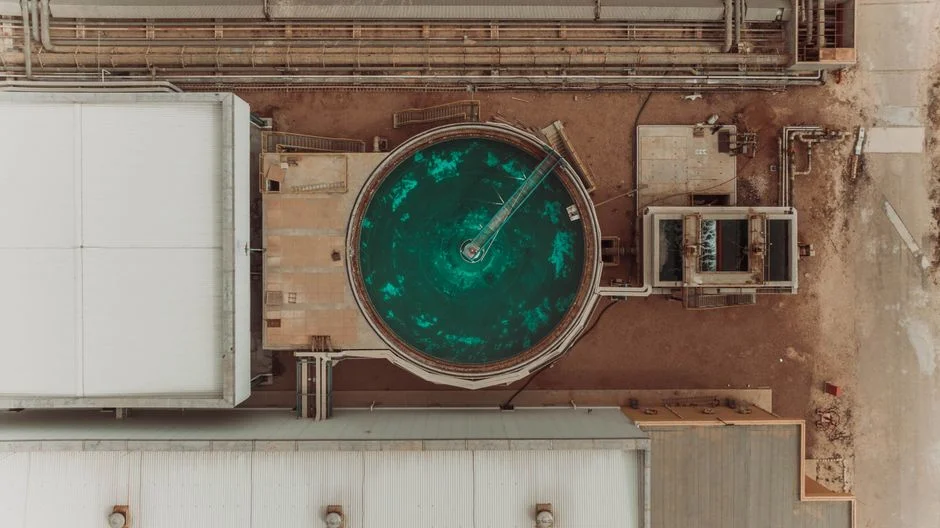
Procurement decisions depend on balancing technical performance with financial constraints. A HydropureWater DAF system in the 4–300 m³/h range sits in the moderate CapEx band, while a HydropureWater lamella clarifier at the same flow is typically 20–35% lower in upfront cost. A hybrid DAF-plus-lamella layout requires the highest CapEx but offers the most compliance-robust performance, making it the recommended configuration for plants with mixed plastics and rubber waste streams. OpEx follows an inverse trend: DAF carries moderate operating costs from coagulant and polymer dosing plus air compressor loads, clarifier OpEx is the lowest, and the hybrid sits between the two.
Payback periods generally justify the investment. For a typical 50 m³/h rubber or plastics line facing FOG noncompliance risk, a DAF retrofit typically pays back in 12–24 months through avoided WRA surcharges, reduced sludge hauling, and lower operator overtime. The sludge-handling component is critical: a DAF or clarifier float cake is typically 2–5% solids, and pairing the separator with a HydropureWater plate and frame filter press cuts sludge volume by 75–85%, significantly reducing disposal costs. For cross-industry comparisons, the DAF vs clarifier for fabricated metals plants guide and the DAF vs clarifier for chemical plant wastewater piece offer insights into different contaminant profiles that may overlap with parts of a plastics stream.
Frequently Asked Questions
Is DAF or a clarifier better for plasticizer oil removal in a plastics compounding plant?
DAF is the superior primary separator. On a plasticizer-laden stream, DAF achieves roughly 95% oil and grease removal versus about 70% for a clarifier (Ecologix 2026), because DAF microbubbles in the 30–50 micron range physically lift low-density oil droplets that gravity settling cannot capture.
What Iowa DNR pretreatment limits apply to a rubber manufacturer in West Des Moines in 2026?
Rubber manufacturers discharging to the WRA or City of West Des Moines sanitary sewer are subject to local limits based on 40 CFR Part 458. Typical 2026 daily-max targets are TSS ~50 mg/L, oil and grease ~100 mg/L, pH 6–9, and zinc 2.6–4.0 mg/L depending on the subpart. A DAF primary with lamella polish reliably maintains these limits, whereas a standalone clarifier frequently fails the FOG requirements.
Can a plastics or rubber plant use DAF and a clarifier together?
Yes. A DAF primary followed by a lamella clarifier polish is the most compliance-robust layout for mixed streams containing both floating oils and heavy mineral fillers, and it is the standard configuration specified for West Des Moines plants running both compounding and molding operations.