Why the DAF-vs-Clarifier Question Matters for Madison Heights Fabricated Metals
Madison Heights sits inside the I-75 / Stephenson Highway manufacturing belt, where stamping presses, CNC machining cells, alkaline parts-washers, and zinc/phosphate pretreatment lines discharge to the local POTW under 40 CFR 433 Metal Finishing categorical pretreatment standards (40 CFR 433.10–433.15, 2025). The streams arriving at primary clarification are not generic industrial wastewater — they carry emulsified cutting fluids, tramp oils from stamping at 200–1,500 mg/L oil & grease, and metal-hydroxide floc from phosphating and anodizing rinse tanks, with TSS routinely in the 200–2,000 mg/L range (HydropureWater field data, 2025-09). 40 CFR 433 sets a daily-maximum oil & grease limit of 52 mg/L and a monthly-average of 26 mg/L (40 CFR 433.13, Table 1), a threshold that gravity settling alone cannot meet when oil enters the stream as a chemically stabilized emulsion rather than as a free-floating layer.
Madison Heights plants also face Oakland County POTW local limits that frequently sit at or below the federal floor — total copper, lead, nickel, and zinc monthly averages in the 0.6–1.4 mg/L band (per the Oakland County Water Resources Commissioner's 2025 IPP guidance), so the primary clarifier is no longer just an oil-removal device; it is the first line of defense that determines whether downstream ion exchange, membrane, or hydroxide precipitation polishing can hit its targets. The choice the engineer is actually making is not "DAF or clarifier as rivals" but "which unit goes first in the train, and what follows it" — a framing the top SERP pages miss because they treat each technology in isolation.
How a DAF Clarifier Actually Works in a Metal-Finishing Plant
A dissolved air flotation clarifier removes suspended solids, oil, and FOG by attaching them to microbubbles and floating the resulting aggregate to the surface. A pressurized recycle stream of clarified effluent (typically 20–30% of forward flow) is saturated with air at 60–90 psig, then released through a pressure-reduction valve into the flotation cell. The depressurization nucleates a cloud of 30–50 micron microbubbles (per SigmaDAF, 2026) that collide with and attach to oil-coated or coagulated particles, lifting them at rise rates of 0.5–2 ft/min. A paddle skimmer sweeps the floated layer into a scum trough; heavier inorganic solids that do not float settle into a bottom collection zone and are removed by auger or scraper (SigmaDAF, 2026). The DAF is therefore not a surface-only device — it removes both floatables and a fraction of settleables in a single tank.
Upstream chemistry is what makes a DAF work on a metal-finishing stream. Coagulants (alum at 50–150 mg/L, ferric chloride at 30–100 mg/L, or polyaluminum chloride at 20–80 mg/L) destabilize sub-100-micron emulsified oil droplets and colloids, after which a high-molecular-weight cationic or anionic flocculant at 0.5–3 mg/L bridges them into 200–800 micron floc the bubbles can capture (HydropureWater dosing field data, 2025). Standard construction is 304SS, with 316SS or polypropylene wetted parts required for streams carrying fluoride, hot caustic, or strong acid from anodizing baths. A complete skid such as the HydropureWater dissolved air flotation (DAF) system typically covers 4–300 m³/h of throughput and ships with a PLC-controlled recycle pump, saturator, and air-dissolving tube package.
How a Lamella or Conventional Clarifier Works on the Same Stream
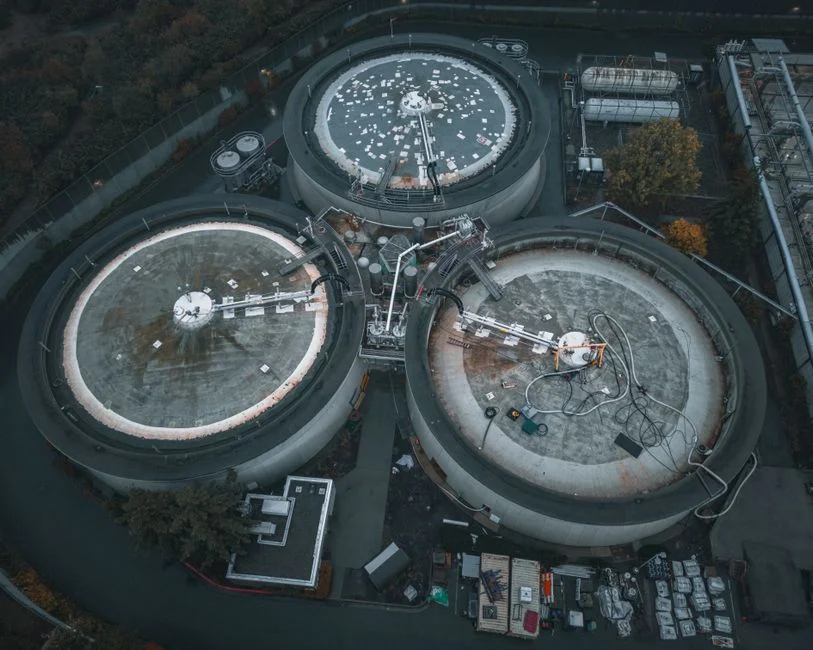
A conventional clarifier is a large circular or rectangular tank in which settleable solids drop to a sludge bed under near-quiescent conditions, with clarified water leaving over a peripheral weir. Surface overflow rates sit at 1–2 m/h for primary clarification of industrial wastewater (per the EPA Process Design Manual for Suspended Solids Removal, 1975, which remains the most widely cited reference for these values in 2026), and a 100 GPM unit can require 400–600 sq ft of plan area. A lamella clarifier — also called a high-rate sedimentation tank or inclined-plate settler — replaces the deep settling zone with a stack of plates inclined at 55–60°, which shortens the effective settling distance to roughly 50–80 mm between plates and raises surface loading to 20–40 m/h (per HydropureWater JY and lamella product data, 2025). The result is a 60–80% footprint reduction versus a conventional tank at the same flow; a HydropureWater high-efficiency lamella clarifier sized for 100 GPM typically occupies 100–200 sq ft.
The hard limitation of any gravity device is that it depends on particle specific gravity. Emulsified oil droplets stabilized by surfactants sit at 0.92–0.99 g/cm³, and the finer sub-20-micron fractions hover near 1.0 — they will not settle regardless of residence time, plate angle, or polymer dose (HydropureWater process engineering note, 2025-10). A lamella clarifier will remove metal-hydroxide floc and inert fines competently, but it leaves the oil and grease fraction of the stream largely untouched, which is why a DAF or emulsion-breaking pre-treatment is required upstream whenever 40 CFR 433 oil limits apply.
DAF vs Clarifier: A 2026 Side-by-Side for Fabricated Metals
The table below consolidates the operating envelope a Madison Heights engineer needs to defend a capital request. Numbers are typical ranges drawn from HydropureWater commissioning data (2024–2026) and manufacturer specifications, not laboratory best-case values.
| Parameter | Dissolved Air Flotation (DAF) | Lamella / Conventional Clarifier |
|---|---|---|
| TSS removal on conditioned metal-finishing stream | 80–95% | 50–80% settleable solids; poor on colloids |
| Oil & grease / FOG removal | 70–95% with proper chemistry — the only realistic path to 26 mg/L monthly average | 20–40% on free oil only; near zero on emulsified oil |
| Hydraulic loading | 2–5 m³/h per m² of effective flotation area | 20–40 m/h surface loading (lamella); 1–2 m/h (conventional) |
| Footprint at 100 GPM (38 m³/h) | 80–150 sq ft skid | 100–200 sq ft (lamella); 400–600 sq ft (conventional) |
| CAPEX 2026 envelope | $80K–$500K skid (5–150 GPM); up to ~$900K for high-rate plate-pack DAF above 500 GPM | $40K–$250K for 5–150 GPM equivalent |
| OPEX drivers | Recycle-pump energy ($0.02–$0.05 per m³) + chemical conditioning ($0.08–$0.20 per m³) | Lower polymer dose; cannot meet oil limits alone, so oil-removal cost is shifted downstream |
| 40 CFR 433 oil & grease fit (52 mg/L daily max / 26 mg/L monthly avg) | Comfortably met on conditioned streams | Routinely exceeded; not a stand-alone compliance device |
| Robustness to flow spikes | High — hydraulic retention 15–30 min | Moderate — lamella tolerates 1.5–2× nominal; conventional is sensitive to short-circuiting |
The single most operationally significant row is oil & grease removal. On a Madison Heights machining line producing 800 mg/L emulsified oil in the waste stream, a lamella clarifier typically discharges 500–650 mg/L — the limit is not approached, let alone met. A properly conditioned DAF on the same stream discharges 20–60 mg/L, which is the only configuration in the table that clears the 26 mg/L monthly-average bar without an emulsion-breaking pre-treatment stage (HydropureWater field data, 2025).
Matching the Right Clarifier to Your Fabricated Metals Sub-Process
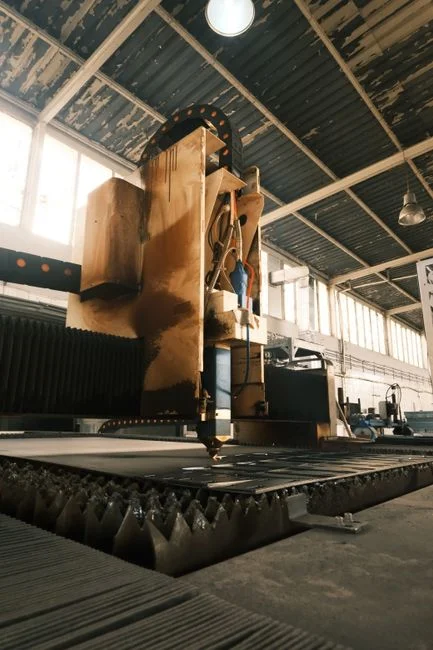
Not every line in a fabricated metals plant generates the same waste. The table below maps common sub-processes to a primary clarifier recommendation that an engineer can drop into a process flow diagram.
| Sub-process | Typical influent profile | Recommended primary clarifier | Chemistry / pre-treatment note |
|---|---|---|---|
| Stamping with tramp oil | TSS 300–800 mg/L; oil & grease 200–1,500 mg/L | DAF as primary | Lamella not viable — emulsified oil will not settle |
| Machining with cutting-fluid emulsions | TSS 200–600 mg/L; oil & grease 500–2,000 mg/L; high COD | DAF with emulsion-breaking chemistry | Optional oil-splitting pre-treatment (ultrafiltration or chemical) to extend DAF runtime |
| Parts washing with alkaline detergents | pH 9–12; TSS 100–400 mg/L; oil & grease 50–300 mg/L | DAF or DAF + lamella polish | 316SS or polypropylene wetted parts required; pH neutralization before discharge |
| Phosphating / anodizing rinse water | TSS 200–1,000 mg/L (metal-hydroxide floc); low oil | Lamella clarifier acceptable as primary | Reserve DAF as polish if oil contamination is present from upstream washers |
| Cooling-tower blowdown | TSS 50–150 mg/L; low oil; steady flow | Lamella clarifier often sufficient | Side-stream filtration may still be needed for silica or hardness control |
The general rule: when oil & grease exceeds ~150 mg/L or appears in emulsified form, DAF is the primary. When the stream is mostly settleable metal-hydroxide floc with low oil — the phosphating/anodizing rinse case — a lamella clarifier is defensible on both CAPEX and footprint grounds (HydropureWater process engineering note, 2025-10).
When to Combine DAF and a Lamella Clarifier in One Train
The false binary the top SERP sources set up — DAF or clarifier — disappears once you look at what each unit does well. DAF pulls the bulk of oil and floatable solids out of the stream with a 15–30 minute residence time. A polishing lamella downstream then catches the small fraction of floc that escapes the DAF, dampens TSS variability during upset events, and gives the operator a second barrier before discharge. The standard train for a Madison Heights plant discharging to a tributary of the Clinton River watershed runs: equalization → coagulation/flocculation → DAF → lamella polish → pH adjustment → discharge or reuse. The DAF handles the oil and grease compliance burden; the lamella stabilizes TSS so the downstream metal-precipitation stage does not see sudden solids surges.
Adding a lamella polish step is typically a 10–20% CAPEX premium over a single DAF at the same nominal flow, but it is also the configuration that consistently produces effluent with oil & grease below 26 mg/L monthly average and TSS below 30 mg/L — a margin that protects the plant during the occasional hydraulic upset when upstream equalization is bypassed or when a stamping press dumps a slug of tramp oil (HydropureWater field data, 2025-08). The HydropureWater automatic chemical dosing system is the usual pairing for both the DAF and the polish step, since consistent floc strength at the lamella inlet depends on stable coagulant and flocculant feed across the train.
2026 Cost, Footprint, and Compliance Numbers for Madison Heights Plants
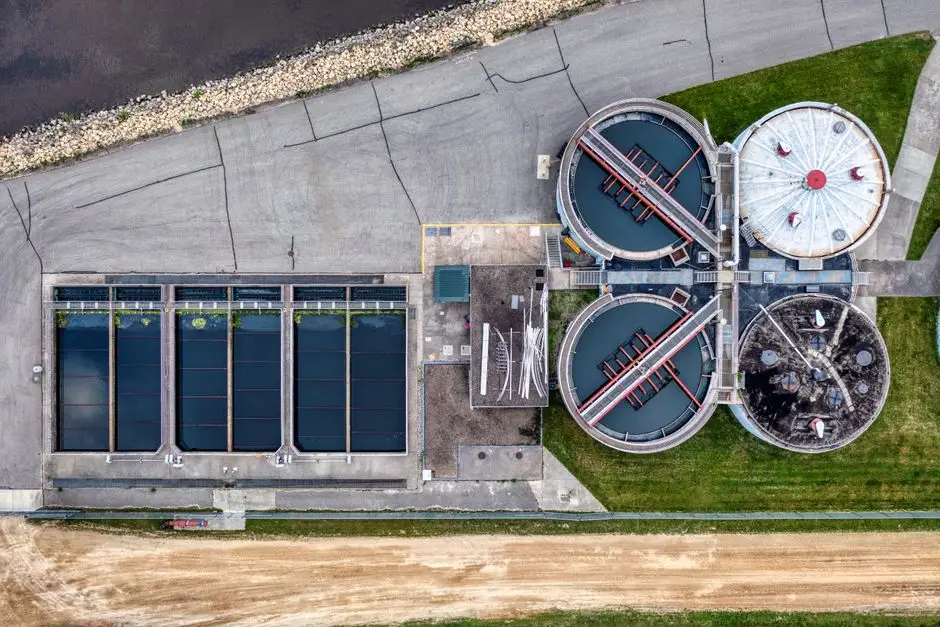
For a 2026 capital request, the budget envelope is straightforward. A skid-mounted DAF in the 5–150 GPM range lands at roughly $80K–$500K installed depending on materials of construction (304SS standard, 316SS or polypropylene for corrosive baths) and level of PLC integration (HydropureWater 2026 pricing band). Above 500 GPM, a high-rate DAF with plate packs pushes to ~$900K, with high-rate units from manufacturers such as FRC rated up to 2,000+ GPM (per FRC Systems product data, 2026). A lamella clarifier sized for the same flow sits at $40K–$250K. Footprint at 100 GPM is 80–150 sq ft for the DAF skid, 100–200 sq ft for a lamella, and 400–600 sq ft for a conventional clarifier — a meaningful difference on a tight Madison Heights site where every square foot competes with production floor space.
OPEX for the DAF in 2026 is dominated by two lines: recycle-pump power at $0.02–$0.05 per m³ treated, and chemical conditioning at $0.08–$0.20 per m³ depending on influent oil and TSS (HydropureWater operating data, 2025). A lamella uses less chemical but cannot meet oil limits on its own, so a "cheaper" lamella that fails 40 CFR 433 is not actually cheaper once surcharges, consent-order penalties, or production downtime enter the picture. A properly designed and conditioned DAF on a fabricated metals stream routinely delivers effluent oil & grease below 26 mg/L monthly average and TSS below 30 mg/L — comfortably inside 40 CFR 433 limits and consistent with the typical Oakland County POTW IPP envelope.
Frequently Asked Questions
What size DAF does a typical Madison Heights stamping or machining plant need?
Most stamping and machining cells discharge between 20 and 80 GPM of combined oily wastewater once flow equalization and press coolant回收 are factored in. A skid-mounted DAF in the 25–100 GPM range is the most common 2026 selection; the HydropureWater dissolved air flotation (DAF) system covers 4–300 m³/h (roughly 18–1,320 GPM), so most Madison Heights cells fall in the lower third of that envelope.
Can a lamella clarifier alone meet 40 CFR 433 oil and grease limits?
Rarely. Emulsified oil has a specific gravity near 1.0 and will not settle in a gravity device regardless of residence time. A lamella clarifier typically removes 20–40% of free oil but essentially zero emulsified oil, leaving a stream that still exceeds the 52 mg/L daily-maximum oil & grease limit (per 40 CFR 433.13) on most fabricated metals feeds. A DAF upstream — or a DAF-lamella train — is the standard compliance path.
How much floor space does a DAF system really need compared to a clarifier?
At 100 GPM (38 m³/h), a packaged DAF skid typically occupies 80–150 sq ft including chemical feed and control panel. An equivalent conventional clarifier needs 400–600 sq ft, and a lamella cuts that to 100–200 sq ft. On space-constrained Madison Heights sites the DAF and the lamella are both viable; the differentiator is oil and grease compliance, not square footage.
Is a DAF or a lamella clarifier cheaper to operate in 2026?
Per cubic meter treated, the lamella uses less polymer and no recycle-pump power, so its direct OPEX is lower. The lamella cannot meet 40 CFR 433 oil limits on emulsified streams, however, so the operating cost that was "saved" reappears as downstream polishing, surcharges, or non-compliance penalties. For oily fabricated metals streams, a DAF is almost always the lower total-cost-of-compliance option in 2026.
When does it make sense to put a lamella clarifier after a DAF?
When the discharge permit is tight, when the local POTW imposes TSS limits below 30 mg/L, or when the plant is in a sensitive watershed. The DAF-lamella train is the standard configuration for Madison Heights facilities discharging to tributaries of the Clinton River, where local limits can sit at or below the federal floor. Adding the lamella step costs an extra 10–20% in CAPEX but stabilizes TSS during upset events and is paired naturally with a HydropureWater high-efficiency lamella clarifier for the polish position.