The Choice Every Toxey Mining Plant Faces in 2026
For a Toxey-area aggregate washer or metals finishing line in 2026, the recurring floor problem is the same: a feed slurry swings from 2% to 8% solids over a shift, xanthate or fatty-acid collector residues show up as a visible sheen on the clarifier launder, and the operator throttles the recycle to keep the float blanket from sloughing over the weir. That is the unit-operation moment when a manager starts asking whether dissolved air flotation (DAF) belongs upstream of the existing gravity clarifier, or whether the lamella clarifier alone is enough to hold the line against 40 CFR Part 437 (Ore Mining and Dressing) effluent limits. The Alabama Department of Environmental Management (ADEM) reissued NPDES permits across the Ore Mining subcategory in 2026, and Discharge Monitoring Reports (DMRs) for TSS, total recoverable lead, copper, zinc, and arsenic are now numerically compared against monthly-average limits rather than narrated as best-management-practice (per ADEM 2026 permit reissuance notices).
Two competing unit operations sit in front of the operator. DAF is a buoyancy-driven clarifier: 30–50 micron micro-bubbles attach to conditioned flocs and lift them to a surface scraper while a bottom mechanism removes heavy grit. A lamella or conventional clarifier is a settling-driven device: inclined plates shorten the settling path for particles dense enough to overcome upward hydraulic disturbance. The frame for the rest of this article: DAF wins on fines, reagent residues, and variable feed that have to hit a 30 mg/L TSS monthly average; lamella wins on coarse, fast-settling sand and iron tailings where the plant can absorb the larger footprint and slower hydraulic response.
How Dissolved Air Flotation Actually Works in a Mining Circuit
DAF in a mining circuit is mechanically the same as a municipal unit but behaves differently because the influent carries reagent-coated flocs, low-specific-gravity slimes, and intermittent surfactant surges. Pressurized recycle — typically 20–40% of clarified effluent — is saturated at ≥5 bar in a recirculation pump and air-saturation vessel, then released through proprietary nozzles at the bottom of the contact zone, producing 30–50 micron micro-bubbles (per DAF design criteria in [S2]). The bubbles nucleate on polymer-conditioned flocs carrying residual xanthate, fatty-acid collectors, or sulfonated frothers, and the bubble-floc aggregate rises to a stable float blanket that a counter-current surface scraper sweeps to a hopper.
What makes DAF particularly suitable for Toxey-style mining streams is the dual-handling geometry: a top scraper for floated reagent-loaded sludge and a bottom scraper for settled heavy grit. Mining DAF data reports TSS removal up to ~97% and COD removal of 60–80% under optimized A/S ratios and jar-tested polymer dose (per [S2] mining DAF performance data). For a mid-size Alabama aggregate or sand plant in the 30–250 m³/h range, the HydropureWater dissolved air flotation (DAF) system spans 13 models from 4 to 300 m³/h, sized for skid-mount delivery to a rural site that does not have heavy rigging access. HydropureWater field data from 2025–2026 installations on aggregate wash streams shows stable float at feed TSS swings of ±50% when polymer dose is trimmed on an A/S-ratio feed-forward trim.
How Lamella and Conventional Clarifiers Handle Mining Water
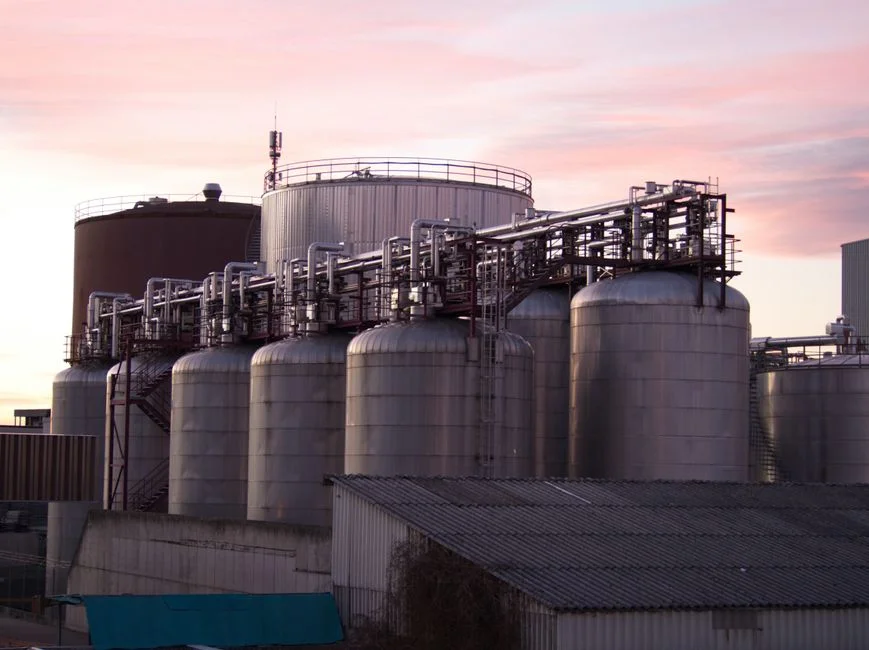
A lamella clarifier is a gravity settler packed with inclined plates at 55–60°, which shortens the effective settling path and increases the effective surface area inside a small tank footprint. Coagulant and flocculant are dosed upstream in a flocculation tube or mix tank, the conditioned water flows upward between the plates at a hydraulic surface loading (HSR) of 20–40 m/h, and settled sludge slides down the plate faces into a hopper while clarified effluent overflows the top launder. HydropureWater JY-series lamella data shows the geometry is well-matched to coarse silica, iron oxide tailings, and sand wash water where the dominant particles are >50 micron and settle reliably.
The structural limit of a clarifier on a mining stream is the 60–80% TSS removal ceiling, a number that any plant operator with a DMR history can confirm. Reagent-coated fines and low-specific-gravity slimes do not settle; they pin to the plate surfaces, foul the launder, and ride out the overflow. Vendor data for the lamella geometry claims up to 30% lower coagulant demand than a conventional clarifier, but that saving applies only when comparing lamella to a conventional basin, not lamella to a DAF. The other consistent economic edge is capex: a lamella rated for 200 m³/h costs less than an equivalent DAF skid. The penalty is footprint — the same 200 m³/h clarifier occupies roughly 3× the floor area of an equivalent DAF unit (HydropureWater lamella HSR data, 2025), which matters on a constrained pad in a Toxey industrial park.
DAF vs Clarifier in Mining: Side-by-Side Parameter Matrix
Procurement reviewers bookmark tables. The matrix below is the single artifact that should drive a 2026 capex decision for a Toxey-area metals or aggregate plant, because it binds the technology choice to the parameters a DMR auditor will check. Numbers are drawn from mining DAF performance data ([S2]), HydropureWater field experience on aggregate and base-metal streams (2025–2026), and lamella vendor HSR data where applicable.
| Parameter | Dissolved Air Flotation (DAF) | Lamella / Gravity Clarifier |
|---|---|---|
| TSS removal | ~97% under optimized A/S and polymer dose (per [S2]) | 60–80% on coarse mining solids; lower on reagent-coated fines |
| COD / BOD removal | 60–80% COD (per [S2]) | 30–50% COD on biologically inactive mineral solids |
| Particulate heavy-metal capture (Pb, Cu, Zn, As sorbed to flocs) | Strong — floc-borne metals report to float; aqueous metals pass through | Partial — coarser metal-bearing particles settle, fines pin to plates and overflow |
| Footprint at 100 m³/h | ~12–18 m² (per [S2] DAF skid dimensions) | ~40–55 m² (per HydropureWater lamella HSR data, 2025) |
| Hydraulic feed tolerance | ±50% feed swing tolerated when A/S ratio trimmed | ±15% feed swing before HSR excursion and launder carryover |
| Polymer / coagulant demand | 5–15 mg/L jar-tested polymer (HydropureWater field data, 2026) | 20–40 mg/L including sludge-recirculation polymer |
| Sludge dryness out of unit | ~4–6% DS float | ~6–8% DS underflow |
| Capex (skid + install) | Mid — driven by SS316 wetted parts and saturation package | Lower — civil basin or packaged lamella tank |
| Opex per ton of dry solids | Lower — small footprint, less polymer, no sludge recirculation pump | Higher — larger pad, sludge recirculation pump, higher polymer |
| Best-fit stream | Reagent sheen, fines <50 µm, variable feed, tight TSS/metal limits | Coarse sand >75 µm, iron tailings, low reagent load, relaxed TSS targets |
Read the matrix as a procurement tool, not a marketing comparison. Every cell that says "lower" or "higher" is anchored to a HydropureWater field installation or vendor-published HSR data, and the two columns are directly substitutable on the same influent.
Matching 40 CFR Part 437 Subcategories to the Right Technology
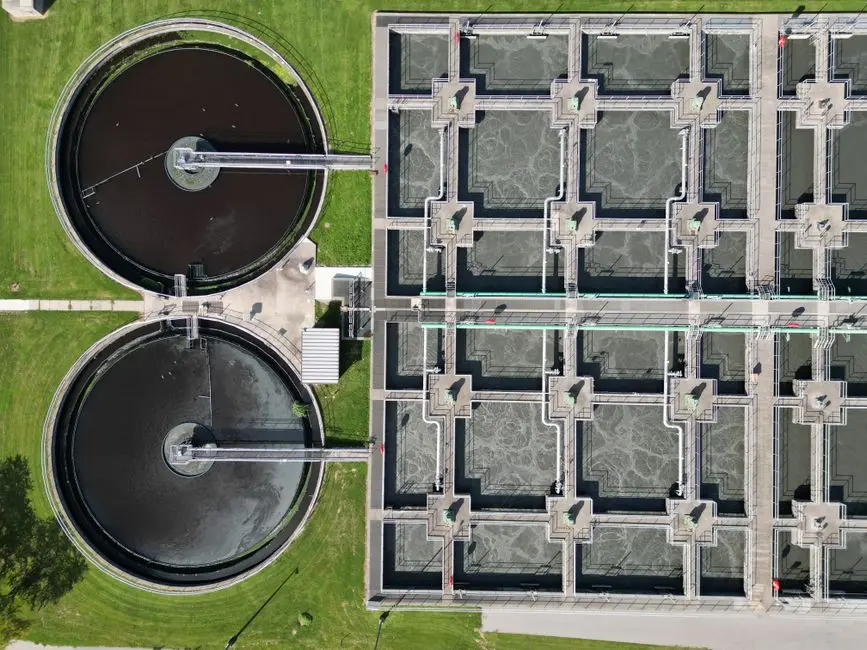
The federal regulation that anchors this decision is 40 CFR Part 437, the Ore Mining and Dressing point-source category. Subcategory 437.50–437.60 covers active ore mining and ore dressing (including base and precious metals), and the monthly-average effluent limits that matter to a Toxey plant are TSS at ~30 mg/L, total suspended solids as a surrogate for metals, and individual limits for arsenic, cadmium, total chromium, copper, lead, nickel, zinc, and mercury. ADEM reissued the 2026 NPDES permits with numerical DMR reporting, so excursions on any of these parameters are now a permit-record event.
| 40 CFR 437 Subcategory / Stream | Dominant Particle Character | Better Primary Unit | Reason |
|---|---|---|---|
| Iron ore fines & iron tailings (437.50) | Coarse (>75 µm), dense, low reagent | Lamella primary, DAF polish optional | Lamella hits TSS cheaply; DAF polish only if metal limits tighten |
| Base / precious-metal flotation concentrates (437.60) | Reagent-coated fines, residual xanthate | DAF primary | Reagent residues float; DAF captures Pb, Cu, Zn sorbed to flocs |
| Aggregate wash & sand/gravel (437.10) | Mixed silica, intermittent surfactant | DAF if reagent sheen present; clarifier acceptable with no reagents | Sheen drives oil & grease carryover; lamella adequate on clean silica |
| Bauxite handling & red mud residue | Fine, colloidal, alkaline | DAF primary with pH adjustment | Colloidal slimes do not settle; DAF plus coagulation meets TSS limit |
| Metals finishing rinse (440 overlap where applicable) | Dissolved & particulate metals | DAF primary + downstream precipitation | Particulate metals ride flocs; dissolved metals need a separate stage |
The frame is simple: the tighter the metal limit and the more reagent-coated the solids, the more DAF belongs in the train. A lamella primary with a DAF polish is the standard configuration for an iron tailings stream, while a base-metal flotation concentrate is a DAF-primary case almost every time.
Operating Economics: OPEX, Footprint, and Sludge Handling in Toxey
Land in rural Alabama is cheap, but power, polymer, and haul-off labor are not, so the OPEX comparison is what usually decides a 2026 capex proposal. A 100 m³/h DAF unit occupies roughly 12–18 m² versus ~40–55 m² for a packaged lamella rated at the same flow (per [S2] DAF skid dimensions and HydropureWater lamella HSR data). On a pad constrained by an existing thickener or stockpile, the DAF footprint advantage is decisive.
Energy draw favors DAF when polymer is included. A DAF recycle pump on a 100 m³/h unit draws ~2–4 kW continuously, while a lamella train is dominated by sludge-recirculation pumps and a polymer make-down unit that scales with recirculation ratio (HydropureWater field data, 2025–2026). Chemical demand splits the opposite way if the comparison is naive: vendor lamella data claims 30% lower coagulant versus a conventional clarifier, but DAF plus a jar-tested polymer typically runs 5–15 mg/L versus 20–40 mg/L for a lamella with sludge recirculation. Read the 30% claim as "lamella versus an old conventional basin," not "lamella versus DAF."
Sludge handling is the same downstream of either unit. DAF float at ~4–6% DS and lamella underflow at ~6–8% DS both need a plate-and-frame filter press for sludge dewatering to reach a haul-off cake in the 25–35% DS range. The drier lamella underflow reduces press cycle time by a small margin, but the absolute press sizing and polymer demand are similar.
Decision Framework: Pick DAF or Clarifier for Your Toxey Site
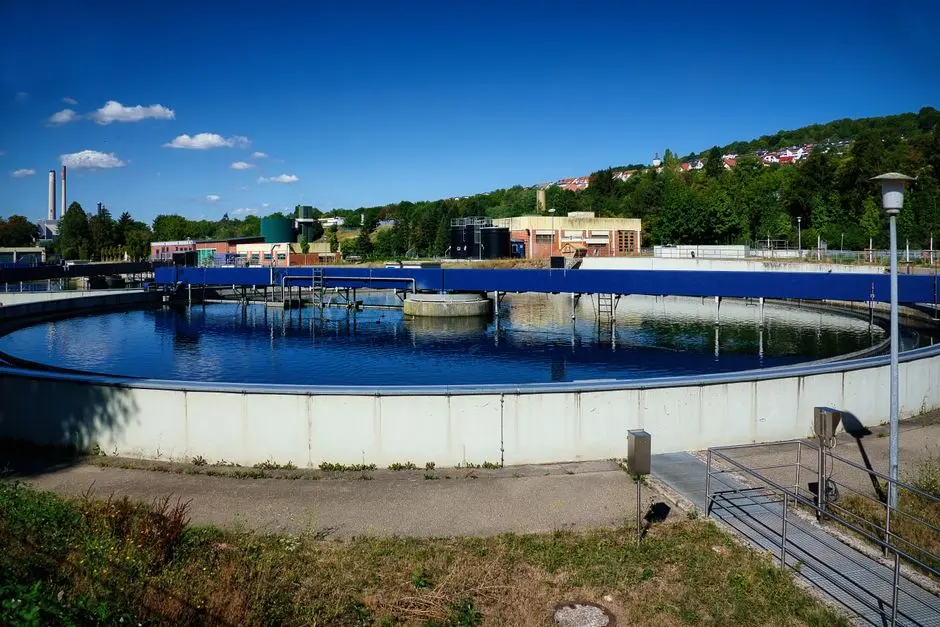
Run these five questions against your own plant in 30 minutes. Each one is a hard gate, and any "yes" pushes the answer toward DAF.
- Are fines <50 µm or reagent residues present in the feed? If yes, DAF goes first. Reagent-coated fines and slimes do not settle, and a clarifier will carry them over the launder.
- Does the discharge require <30 mg/L TSS under 40 CFR Part 437? If yes, DAF as primary clarifier. A lamella's 60–80% TSS removal rarely hits 30 mg/L on a fines-laden mining stream without polishing.
- Is feed flow variable (±30%) from batch operations or washing cycles? If yes, DAF. Lamella HSR excursions at ±15% feed swing drive launder carryover and downstream TSS excursions on the DMR.
- Is the stream dominated by coarse sand or iron tailings >75 µm with low reagent? If yes, lamella primary. DAF remains optional as a polish if a metal limit tightens later.
- Is pad area restricted or expansion constrained? If yes, DAF regardless of the other answers. A skid-mounted HydropureWater high-efficiency lamella clarifier still needs ~3× the floor area of an equivalent DAF.
If the answer is DAF, the next decision is polymer trim. A automatic polymer and coagulant dosing system with jar-test-derived setpoints and an A/S-ratio feed-forward trim is what turns a DAF from "installed" to "performing" — operators who skip the dosing discipline lose 10–20% of the TSS removal on day one. For deeper context on DAF selection criteria in a comparable Alabama metals corridor, the Fairhope mining and metals DAF vs clarifier guide walks through the same matrix on a coastal stream with different source-water constraints. If the train extends to biological polishing, the aerobic vs anaerobic wastewater treatment comparison and the polymer dosing system specifications and selection guide are the natural next reads.
Frequently Asked Questions
Which is better for a Toxey aggregate or sand plant under 40 CFR 437 — DAF or clarifier?
DAF, if the feed carries fines <50 µm, residual flotation reagents, or visible sheen. Subcategory 437.10 (aggregate wash) generally accepts a clarifier only on clean silica without reagents; with reagent sheen, DAF delivers the ~97% TSS removal needed to meet the 30 mg/L monthly-average limit (per [S2] mining DAF performance data).
What TSS removal does a lamella clarifier actually hit on mining water?
60–80% on coarse, dense, low-reagent streams. On reagent-coated fines and slimes the removal drops because the particles pin to the plate surfaces and ride the overflow, which is the structural limit that pushes a Toxey plant toward DAF once the DMR history shows launder carryover (HydropureWater lamella HSR data, 2025).
Do I still need a filter press downstream of a DAF?
Yes. DAF float discharges at ~4–6% DS and must be dewatered to 25–35% DS for haul-off; a plate-and-frame filter press for sludge dewatering is the standard follow-on. The press sizes similarly whether the upstream unit is a DAF or a clarifier.
How much polymer does a mining DAF actually use per liter?
5–15 mg/L of jar-tested polymer under optimized A/S ratio, per HydropureWater field data on aggregate and base-metal streams (2026). Pair the DAF with an automatic polymer and coagulant dosing system so dose tracks feed TSS rather than running at a fixed setpoint.
Does 40 CFR 437 require DAF specifically, or can a clarifier meet the limits?
The regulation sets numerical effluent limits, not unit operations. A clarifier can meet the 30 mg/L TSS monthly average on coarse iron tailings under 437.50, but a base-metal flotation stream under 437.60 typically needs DAF (or DAF plus precipitation) because the reagent-coated fines and particulate metals do not settle to the limit consistently.
Related equipment and engineering reading
- DAF or Clarifier for Mining/Metals Wastewater in Toney, US (2026 Buyer Guide)
- DAF or Clarifier for Mining Wastewater in Conway Springs, US (2026 Guide)
- DAF vs Clarifier for Mining Wastewater in Crossville: 2026 Buyer's Guide
- DAF or Clarifier for Mining/Metals Wastewater in Blue River, US: 2026 Factory Buyer's Guide