Why Fort Collins Food and Beverage Factories Are Rethinking Clarification in 2026
For Fort Collins food and beverage factories in 2026, a DAF system is the better primary clarifier for any stream with more than ~150 mg/L FOG — craft brewery, dairy, and meat plants all qualify. A conventional gravity clarifier only wins on heavy settled solids (produce wash, grain starch) or as a secondary stage after DAF. Independent 2026 data shows DAF removes 95% of oils and grease versus 70% for a clarifier on a high-oil food stream (Ecologix 2026 update).
The city sits at the foot of the Big Thompson watershed and hosts a dense cluster of craft breweries — more than 20 active licenses in Larimer County — alongside cheesemakers, milk processors, and a growing specialty food corridor. Winter lows of 15–25°F (−9 to −4°C) push wastewater viscosity up and solidify free fats, and most plants discharge to the Drake Water Reclamation Facility, where the city applies FOG and TSS surcharges on top of base sewer rates. The combination of cold-climate hydraulics, a high-strength organic stream mix, and a surcharge-driven discharge cost model is what flips the DAF-vs-clarifier decision here versus a generic national guide. A clarifier selected on first-cost alone will be the unit you pay for twice in Fort Collins.
Colorado's Discharge Permit System and the Larimer County industrial pretreatment program set local limits that any primary clarifier must meet. The working rule this guide uses: FOG-heavy stream → DAF primary; heavy settled-solids, low-FOG stream → clarifier; mixed streams (dairy wash plus grain, brewery plus distillery side-stream) → DAF + lamella clarifier hybrid.
How a DAF and a Gravity Clarifier Actually Treat Food and Beverage Wastewater
A dissolved air flotation (DAF) system clarifies by floating contaminants rather than settling them. A side-stream of clarified effluent is pressurized in an air saturation vessel; when that recycle stream is released through a pressure relief valve into the flotation cell, the dissolved air comes out of solution as a cloud of micro-bubbles — typically 10–100 μm in diameter. Those bubbles attach to chemically conditioned floc and carry FOG, fibers, and low-density solids to the surface, where a mechanical skimmer removes the float layer (per ClearStream and Spectrum product literature). The clarified subnatent exits beneath the float blanket.
A gravity clarifier does the opposite: slow-settling floc drops to the bottom of a tank as sludge, and clarified effluent decants over a surface weir. Conventional food-and-beverage clarifiers typically run at surface overflow rates of 1–2 gpm/ft² — a common design range, not a one-size-fits-all value — and the same range applies to inclined-plate (lamella) clarifiers when normalized to the effective plate area. The mechanism is right for heavy, settleable solids and wrong for free or emulsified oil, which is exactly the fraction that dominates brewery, dairy, and meat streams.
Two engineering consequences follow. First, DAF performance is only as good as the polymer dose: Spectrum puts it bluntly — "a DAF with the wrong coagulant is an expensive tank." Jar testing on a current process sample is not optional; it is the step that locks in coagulant, flocculant, dose, and pH window. Second, DAF units are physically compact. Rectangular shop-assembled units can include integral coagulation and flocculation chambers (per ClearStream) and occupy roughly one-fifth to one-tenth the footprint of an equivalently rated clarifier — a real advantage on a tight Fort Collins lot. For plants between 4 and 300 m³/h (≈18–1,320 gpm), the HydropureWater dissolved air flotation system spans 13 standard models on that envelope.
Stream-by-Stream: DAF vs Clarifier for Fort Collins Breweries, Dairies, Meat Plants and Produce
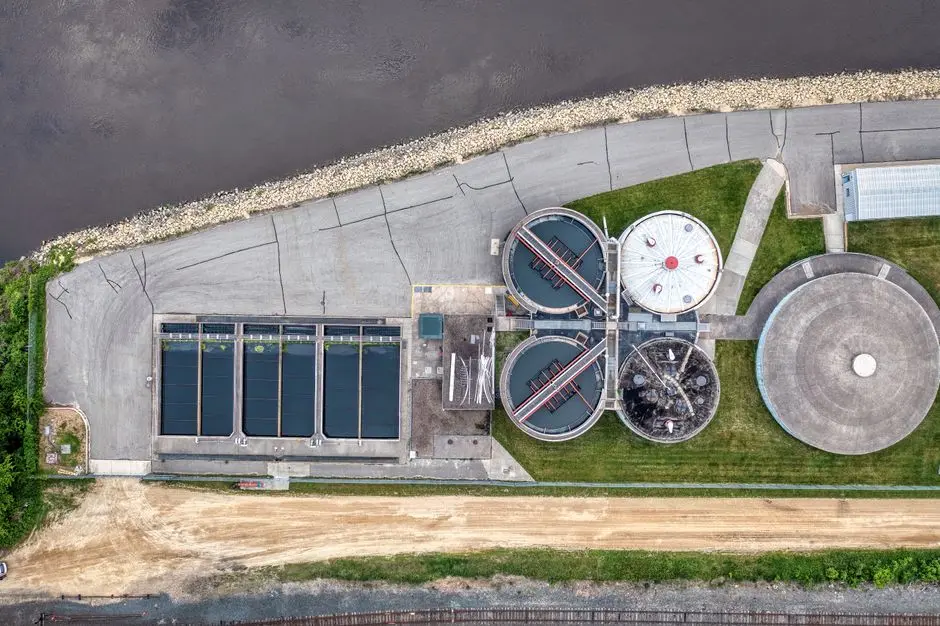
Fort Collins has 20+ craft breweries producing high-BOD/COD wort-side waste with moderate FOG from kettle trub, hop residue, and cleaning chemistries, and low settled solids. A DAF primary knocks FOG down and protects downstream biomass — the sequence that pairs with an IFAS or MBR biological stage (see the IFAS for brewery wastewater 2026 engineering guide for biological sizing). A lamella clarifier can ride behind the DAF as a TSS polish, but as a standalone primary on brewery waste it will struggle to clear emulsified kettle trub in January.
Larimer County's cheesemakers and milk processors run an emulsified butterfat stream with high FOG (often 500–2,000 mg/L raw) and high strength. Emulsified fat does not settle under gravity; a clarifier on this duty is a false economy. DAF is mandatory as the primary, and a well-selected polymer program typically drives FOG below 50 mg/L — comfortably under most pretreatment local limits. The DAF range is built for this exact duty across 4–300 m³/h.
Meat and poultry processors carry a punishing mix of high FOG, blood, and suspended solids. The standard configuration is DAF first — rectangular shop-assembled units with covers for odor control are common (per ClearStream) — followed by a clarifier or thickener for sludge handling rather than effluent polishing. DAF protects the biological stage from FOG slugs that would otherwise kill biomass.
Produce wash, cut fruit, and vegetable operations are the inverse: low FOG, mostly soil, starch, and pieces. Here a gravity clarifier or lamella clarifier wins on cost. Ecologix's 2026 update cites 90% TSS reduction at lower OPEX for clarifiers on heavy-solids streams, and that is the right trade for a produce line that is not paying a FOG surcharge. Bottled water and non-dairy beverage plants with minimal FOG and TSS usually need only screening and pH adjustment before discharge — if that is your stream, you are probably not reading this guide.
Head-to-Head Comparison: DAF vs Clarifier on the Numbers That Matter
The table below is the central data asset for a procurement meeting. Numbers are drawn from the Ecologix 2026 update, ClearStream and Spectrum product literature, and the DAF specification set; surface overflow rate and recycle ratios are stated as typical engineering ranges.
| Parameter | DAF System | Gravity / Lamella Clarifier |
|---|---|---|
| Oil & grease removal (high-oil food stream) | ~95% (Ecologix 2026) | ~70% (Ecologix 2026) |
| TSS removal (heavy settled-solids stream) | 60–80% | ~90% (Ecologix 2026) |
| BOD/COD reduction | 50–70% as primary | 30–50% as primary |
| Surface overflow / hydraulic loading | Not applicable (float rate) | 1–2 gpm/ft² typical |
| Footprint (equivalent duty) | 1× baseline | 5–10× baseline |
| CAPEX | Higher | Lower |
| OPEX | Higher (air, polymer, skimmer power) | Lower on simple streams (Ecologix 2026) |
| Operator skill | Moderate (air compressor, pumps, polymer) | Low to moderate |
| Cold-climate readiness (Fort Collins) | Needs enclosure, heat-traced recycle, polymer kept > 5°C | Covered launder, weirs below ice line |
| Best-fit stream | FOG > ~150 mg/L, emulsified oil, light solids | High TSS, low FOG (produce, grain starch) |
| Flow-rate envelope | 4–300 m³/h (13 models); 50–1,000 gpm (Spectrum compact) | Sized by surface area; circular DAFs under ~50 ft diameter (ClearStream) |
For a Fort Collins food plant, the design flow dictates equipment class before chemistry does. Spectrum's compact skid/trailer DAFs cover 50–1,000 gpm, ClearStream's circular DAFs suit tanks under ~50 ft in diameter, and the HydropureWater high-efficiency lamella clarifier range slots in as a secondary or tertiary stage where footprint matters more than first cost.
Fort Collins Winter Operations: The Selection Factor the National Guides Skip
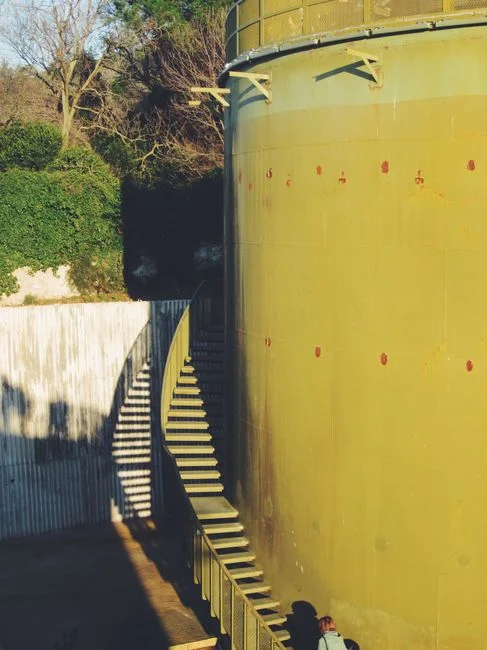
Sub-freezing operation is the single biggest reason a Fort Collins spec differs from a generic national DAF-vs-clarifier guide. Average winter lows in Fort Collins run 15–25°F (−9 to −4°C), and a January cold snap will push wastewater viscosity high enough to slow bubble rise in a DAF and thicken the sludge blanket in a clarifier. Free fats solidify near 10°C, which means an outdoor oil/water separator or uncovered DAF cell can lock up overnight.
On a DAF, plan for partial enclosure, heat-traced recycle and air lines, and a polymer make-up and storage area held above 5°C so the flocculant activates on spec. Saturation-vessel air dissolution efficiency drops in cold water, so sized-for-summer units often underperform in February. On a clarifier, surface weirs ice over and the sludge blanket thickens, then gasifies during spring thaw — covered or indoor clarifiers are common at Colorado dairies for that reason. Either way, budget 10–20% extra CAPEX for enclosure and heat tracing in Fort Collins; a "cheap" outdoor clarifier turns into a winter shutdown, and a DAF that loses its polymer activation in February is a tank full of cloudy water discharging surcharges. Pair the unit with a HydropureWater automatic chemical dosing system so polymer activation stays consistent in cold weather and dose tracks flow rather than operator memory.
When to Spec a Hybrid DAF + Lamella Clarifier Train
When the stream carries both FOG and heavy settled solids, a hybrid train is the defensible answer. Ecologix's 2026 update confirms that hybrid systems combine DAF's oil removal with clarifier sedimentation for complex streams, and in Fort Collins that fits dairy plants with seasonal grain wash, breweries that also run a distillery side-stream, and any food processor whose solids load swings with the production calendar.
A lamella clarifier after the DAF polishes TSS to 20–50 mg/L on a consistent basis and can cut coagulant consumption by up to 30% by handling the settleable fraction the DAF leaves behind (per HydropureWater lamella clarifier product spec). The typical Fort Collins train runs: rotary bar screen → DAF → lamella clarifier → biological treatment (MBR or activated sludge) → UV or chlorine dioxide disinfection before discharge or reuse. A GX series rotary mechanical bar screen at the head protects the DAF from rags and fibrous solids, and an MBR downstream — like the HydropureWater MBR membrane bioreactor — gives the plant a compact biological stage with a clear effluent ceiling that a clarifier alone cannot match. This is the same architectural logic covered for Vermont plants in the companion Saint Albans food and beverage DAF vs clarifier guide, and the same selection factors apply to other high-FOG verticals such as the seafood segment covered in the seafood processing wastewater COD and BOD removal 2026 guide.
Cost, Footprint and Permit Considerations for a 2026 Fort Collins Project
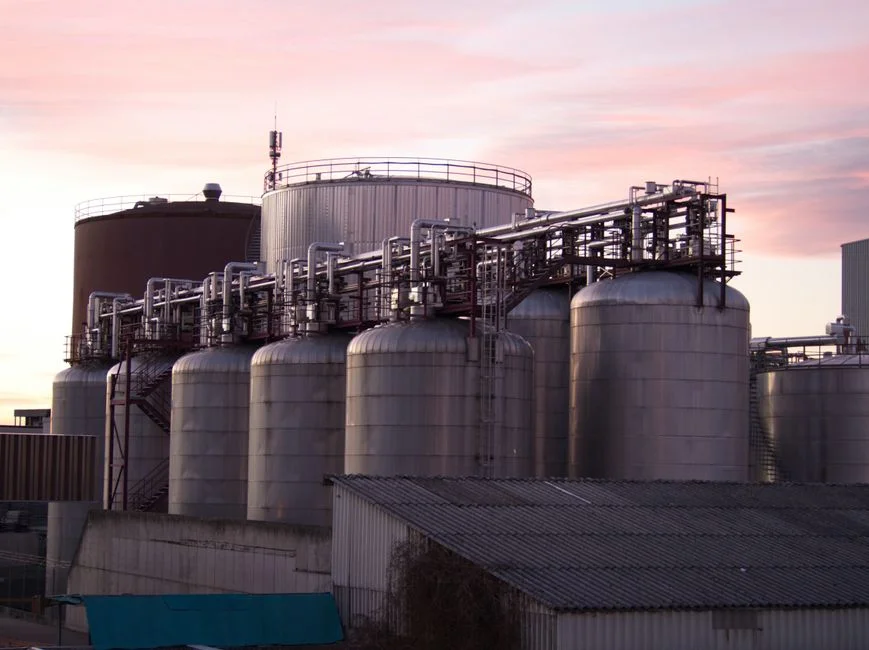
FOG and TSS surcharges at the City of Fort Collins Drake Water Reclamation Facility are the line item that quietly drives the decision. A clarifier that discharges 150 mg/L TSS and 80 mg/L FOG pays surcharges every month; a DAF that drops those numbers by 80–95% eliminates or sharply reduces them, and on a FOG-heavy stream the payback against incremental DAF CAPEX is commonly 12–24 months. On a low-FOG, high-TSS stream the math flips — clarifier OPEX is genuinely lower (per Ecologix 2026), and the surcharge exposure is small.
For pilot duty and small plants, compact skid and trailer DAFs (50–1,000 gpm per Spectrum) and the DAF range at 4–300 m³/h let a Fort Collins operation run a 90-day pilot without permanent civil work — useful when seasonal production swings the wastewater profile. The first spend on any 2026 project should be a jar-testing and pilot-testing campaign, not the equipment itself: Colorado DEHP and Larimer County pretreatment permits routinely require pilot or jar-test data on the actual process stream before full-scale design approval, and that data also locks in the polymer program that determines whether the DAF performs to spec or becomes the expensive tank Spectrum warns about.
Frequently Asked Questions
What FOG level should push a Fort Collins food plant to DAF instead of a clarifier?
As a working rule, any stream consistently above ~150 mg/L FOG should run DAF primary. Independent 2026 data shows DAF removing 95% of oils and grease versus 70% for a clarifier on a high-oil food stream (Ecologix 2026 update), and the FOG surcharges at the Drake Water Reclamation Facility make that gap expensive to ignore.
Can a gravity clarifier handle a craft brewery's wastewater in winter?
Not reliably as a standalone primary. Brewery kettle trub and emulsified cleaning residues do not settle well, and Fort Collins winter viscosity and fat solidification near 10°C push a clarifier's performance well below its summer rating. DAF primary with an optional lamella clarifier polish is the safer spec for a brewery that has to discharge 12 months a year.
How much extra CAPEX should a Fort Collins plant budget for cold-climate operation?
Plan on 10–20% above base equipment cost for enclosure, heat-traced recycle and air lines on a DAF, or covered launder and ice-resistant weirs on a clarifier. Pair either unit with automated polymer dosing so floc activation stays consistent below 5°C — that line item is cheaper than a January permit excursion.
When does a hybrid DAF + lamella clarifier train make more sense than either unit alone?
When the stream carries both high FOG (above ~150 mg/L) and seasonal high TSS — typical of dairies with grain wash, breweries running distillery side-streams, and mixed-product food plants. The DAF strips FOG, the lamella clarifier drops residual TSS to 20–50 mg/L and can cut coagulant consumption by up to 30% (per HydropureWater lamella clarifier spec).