What Theodore Chemicals Plants Are Actually Discharging in 2026
Theodore's chemical manufacturing corridor along the Mobile Bay industrial belt produces variable, high-COD wastewater streams with intermittent surfactant, solvent, and emulsified-oil spikes rather than the steady FOG loads a generic food-plant guide assumes. Dissolved and colloidal organics common in specialty-chemical batch campaigns — alcohol ethoxylates, fatty amine derivatives, glycol ethers — form low-density floc with specific gravity often below 1.05, the exact particle population a clarifier struggles to capture and a DAF can lift with 30–70 µm microbubbles (per S5 microbubble fundamentals). Phosphate, sulfate, and lime-conditioning byproducts from acid-neutralization steps create a different problem set: dense, settleable gypsum or calcium carbonate floc that a lamella handles efficiently at 20–40 m/h plate-pack loading, but the same floc fouls a DAF if chemistry is not staged correctly across the train.
pH swings between 2 and 11 across batch campaigns are the rule rather than the exception in this corridor, and both DAF and lamella require an upstream pH adjustment step — typically NaOH or H2SO4 dosing tied to a PLC-monitored probe — so the equalization tank is the non-negotiable first unit operation (per S3 equalization guidance). Total toxic organics, COD, BOD, FOG, ammonia, and pH 6.0–9.0 limits under Alabama ADEM Administrative Code 335-6-6 set the discharge envelope, and online TOC plus pH monitoring on the equalization basin is the auditable trail regulators expect to see in the compliance file. The FOG discharge band itself sits at 100 mg/L daily maximum for most chemical SIC subcategories, which is the first number a Theodore engineer should write on the design basis sheet. For the cross-jurisdictional picture on oil and grease ceilings, the 2026 oil and grease discharge limits reference walks through the EPA, EU, and China envelopes side by side.
DAF vs Clarifier: The Mechanism Decision in Chemicals Service
The question for a Theodore procurement team in 2026 is not "DAF or clarifier" — it is which technology goes first and which one polishes, applied to the chemicals signature of high COD, variable pH, dissolved organics, surfactant emulsions, and hardness-driven scaling. A DAF pressurizes a recycle stream to roughly 6 bar (87 psi), saturates it with air in a packed-column saturator at 85–95% dissolution efficiency, then depressurizes through nozzles to release 30–50 µm microbubbles that attach to chemically conditioned floc and float it to a surface skimmer (per S5 design fundamentals). A lamella clarifier stacks inclined plates at 55–60° inside a compact tank, multiplying projected settling area so surface loading rises to 20–40 m/h versus the 1–2 m/h band of a conventional gravity clarifier, with optional sludge recirculation that cuts coagulant use by up to 30% (per S4 lamella parameters).
The bubble-to-particle size ratio of 0.5–1.0 is the engineering target for DAF; outside that band, collision efficiency collapses and TSS removal drops from the conditioned 85–95% range back toward 50–60% (per S5 collision-efficiency fundamentals). Coagulation-flocculation upstream is non-negotiable for both technologies on chemicals wastewater: PAC or ferric chloride paired with 1–5 mg/L anionic polymer is the standard stack, and online streaming current measurement is the dose-control loop that keeps the train inside its design window (per S4 and S5). DAF float thickens to 4–8% dry solids and dewaters readily in a plate-and-frame press, while lamella underflow runs 1–3% DS and usually needs a thickening step before mechanical dewatering (per S4 and S5). The DAF system covers 4–300 m³/h in 13 standard models, which keeps custom-engineering markup out of mid-band flows typical of the Theodore corridor.
DAF vs Lamella vs Conventional Clarifier: 2026 Selection Matrix
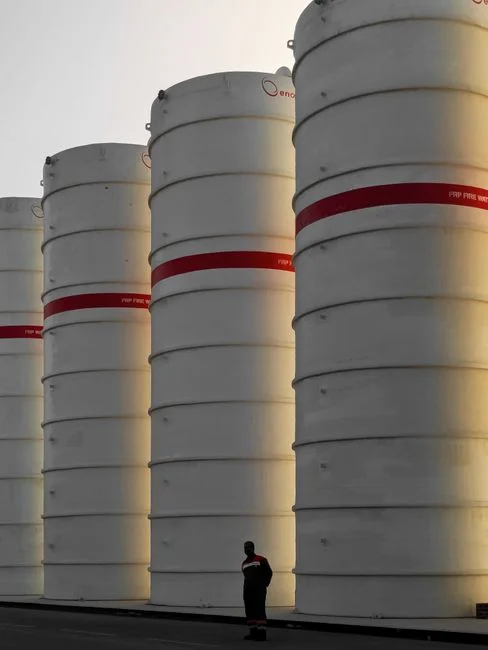
The matrix below reorganizes the chemicals-corridor decision into the rows a capital committee actually asks about. Numbers are pulled from S4 and S5 reference data, with equipment CAPEX and footprint bands from field data, 2026.
| Parameter | DAF | High-rate Lamella | Conventional Gravity Clarifier |
|---|---|---|---|
| TSS removal on light / low-SG floc | >90% | 80–90% (dense floc only) | 70–85% (dense floc only) |
| FOG / emulsified oil removal | >90% | 60–75% (not recommended for FOG) | Poor |
| CAPEX multiplier (lamella = 1.0x) | 1.5–2.5x | 1.0x | 0.7–0.9x equipment + large civil |
| Footprint m² per m³/h | 0.2–0.4 | 0.3–0.6 | 5–8 |
| Energy kWh/m³ | 8–15 (compressor + recycle) | ≈0.1–0.3 (scraper drive + recycle) | ≈0.1–0.3 (scraper drive) |
The head-to-head verdict for 2026 is straightforward: a DAF system as the primary stage plus a high-rate lamella clarifier as the polish step is the dominant chemicals-corridor configuration whenever the stream carries FOG, surfactants, or low-SG floc. Lamella-only is defensible for FOG-free, dense-floc streams with stable pH; conventional clarifier is the legacy 1970s-vintage baseline most Theodore plants are replacing, not the 2026 answer for new builds. Cold-weather performance rarely dictates the pick in coastal Alabama, but the 10–15% sizing margin on the recycle pump and saturation vessel is prudent for any plant that runs a winter raw-water line exposed to ambient air.
Theodore Regulatory Frame: ADEM 335-6-6, NPDES, and Why It Drives the Pick
Alabama ADEM Administrative Code Chapter 335-6-6 sets the industrial discharge envelope a Theodore chemicals plant actually has to hit: BOD, TSS, FOG, pH 6.0–9.0, and — depending on SIC subcategory — total toxic organics, ammonia, and residual chlorine. These are the parameters a DAF or lamella train must meet on subnatant or overflow, and they are the numbers a 2026 permit renewal will be measured against. NPDES permitting rides on top of ADEM, and large Theodore plants on the Mobile Bay watershed also face reasonable potential analysis for whole effluent toxicity (WET) testing, which makes consistent subnatant quality — not just average removal — the operational priority for the operations team.
For a surfactant-heavy stream, a DAF primary stage is the only realistic way to keep FOG below the typical 100 mg/L daily-maximum envelope without oversizing a clarifier by 3–4x, because free oil and grease exit in the clarifier overflow rather than settling into the underflow. A lamella polish downstream gives the residual TSS margin to absorb WET-test variability and storm-driven hydraulic surges without tripping the daily-maximum. Neither technology is explicitly required by ADEM 335-6-6, but the limits in combination push most chemicals plants toward DAF primary on FOG-bearing streams. For a cross-jurisdictional view of how Mexico's NOM-001-SEMARNAT-2021 frames the comparable envelope, the 2025 NOM-001 compliance guide walks through the subcategory structure.
Two Worked Examples: Surfactant Plant and Acid-Neutralization Line
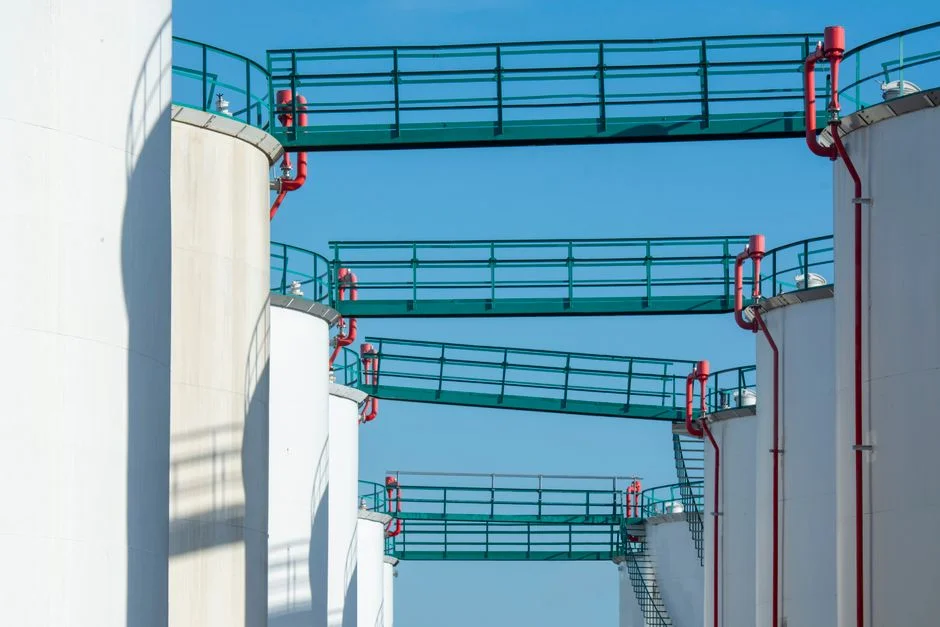
Example 1 — Batch specialty chemicals plant, 120 m³/h: 200–400 mg/L TSS, 80–250 mg/L emulsified surfactant/oil, pH swings 3–10 across campaigns. The recommendation is DAF primary (non-negotiable for the FOG/surfactant load) plus a small lamella polish sized at 25 m/h surface loading for residual TSS. PAC plus anionic polymer at 2–4 mg/L; expect subnatant 8–12 NTU and FOG below 30 mg/L on the DAF outlet, with the lamella absorbing WET-test variability. An automatic chemical dosing skid upstream of the DAF contact zone keeps the streaming-current loop in range during batch swings.
Example 2 — Phosphoric-acid derivative line, 60 m³/h: 1,500–2,500 mg/L gypsum plus calcium fluoride floc, no oil, stable pH 6.5–7.5. The recommendation is lamella primary at 30 m/h on plate-pack projected area, with a small DAF polish only if a maintenance shop or cleaning cycle adds intermittent emulsified oil. Cold-weather sizing margin is not required in coastal Alabama, but redundancy on the recycle pump is recommended given the corrosion risk on acid-service equipment.
Across both archetypes, the recurring answer is DAF-first whenever the FOG fraction exceeds roughly 50 mg/L, regardless of dominant floc density — because the FOG fraction controls clarifier overflow quality. Lamella-first is defensible only when the stream is genuinely FOG-free with dense, settleable floc, which is uncommon in the Theodore chemicals corridor outside dedicated phosphoric or sulfuric derivative lines.
CAPEX, Footprint, and OPEX: The 2026 Cost Picture
The headline DAF-vs-lamella equipment CAPEX ratio for 2026 is 1.5–2.5x at equal flow (field data, 2026). That ratio narrows quickly once civil work, excavation, and footprint-driven building costs are added. For a 100 m³/h Theodore chemicals stream, the difference is roughly 30 m² of DAF footprint versus 60 m² of lamella footprint — both small compared to the 600 m² conventional clarifier they typically replace (per S4 footprint bands). Building and civil cost dominate on a per-m² basis in the Theodore industrial corridor, so the DAF CAPEX premium shrinks substantially once the smaller vault is added.
OPEX narrows the gap further because the lamella sludge recycle saves up to 30% on coagulant while the DAF produces a thicker float (4–8% DS) that dewaters more easily in a downstream plate-and-frame filter press (per S4 dewatering comparison). Energy is the line that swings the 20-year total cost of ownership: DAF runs 8–15 kWh/m³ on the recycle pump and air compressor, while lamella runs roughly 0.1–0.3 kWh/m³ on the scraper drive plus the recycle pump — a 30–50x energy gap that is the single largest OPEX line for high-flow Theodore plants. For a 100 m³/h stream at the $0.10/kWh industrial rate in coastal Alabama, DAF energy alone is roughly $700–$1,300 per day, so OPEX over a 20-year life frequently exceeds the equipment CAPEX delta and should be modeled before the equipment vendor is selected.
| Cost line | DAF primary + lamella polish | Lamella-only |
|---|---|---|
| Equipment CAPEX (100 m³/h, 2026) | 1.5–2.5x baseline | 1.0x baseline |
| Footprint at 100 m³/h | ~30 m² (DAF) + ~30 m² (lamella) | ~60 m² (lamella) |
| Energy at 100 m³/h, $0.10/kWh | $700–$1,300/day (DAF dominates) | $5–$30/day (scraper + recycle) |
| Coagulant savings | Baseline | Up to 30% via sludge recycle |
| Sludge DS to dewatering | 4–8% (DAF float) | 1–3% (lamella underflow, often needs thickening) |
Procurement Sequence a Theodore Capital Committee Will Accept
Step 1 — Pull 30 days of representative influent data. TSS, FOG, COD, pH, temperature, and surfactant fraction should be measured at the equalization-basin outlet, with batch spikes flagged in the time series. Flow variability matters as much as the absolute numbers because a 3x batch surge is the design driver, not the weekly average.
Step 2 — Run a bench-scale jar test with PAC plus anionic polymer. Confirm floc density and bubble attachment; if floc SG >1.05 and FOG <50 mg/L, lamella is viable, otherwise DAF is required. The jar test also confirms the dose envelope the automatic dosing skid will operate inside during the first year.
Step 3 — Size the primary unit on the 85th-percentile flow with a 15% margin. Size the saturation vessel and recycle pump on the same basis with a 10–15% cold-weather margin only if January raw water drops below 10°C, which is rare in Theodore but possible during a polar vortex.
Step 4 — Require vendors to provide guaranteed subnatant quality at design hydraulic loading with a performance bond. The manufacturer's packed-column saturator efficiency (85–95% saturation target) and reference installations on similar chemicals streams are the key selection criteria (per S5 manufacturer selection criteria). Ask for the 20-year total cost of ownership model before the equipment proposal is signed.
Step 5 — Model 20-year TCO including chemical, energy, sludge dewatering, and labor. For Theodore chemicals plants, this consistently favors DAF primary plus lamella polish on FOG-bearing streams and lamella-only on clean floc streams. The mirror-image procurement case for fabricated-metals plants in a colder climate is laid out in the Greeneville fabricated metals 2026 DAF vs clarifier guide, which validates the same five-step sequence on a different waste stream.
Frequently Asked Questions
Which is better for a chemicals plant, DAF or clarifier?
The decision rule is floc-specific gravity and FOG fraction. Use DAF primary whenever the FOG or emulsified-surfactant load exceeds 50 mg/L, or whenever the chemically conditioned floc has specific gravity below 1.05. Use lamella primary when the stream is FOG-free with dense, settleable floc (SG >1.05) and stable pH. For a hybrid train, DAF primary plus lamella polish handles the surfactant spikes and gives the residual TSS margin against whole-effluent-toxicity variability (per S4 and S5 mechanism data).
Can DAF and clarifier be combined in the same train?
Yes. The DAF-primary plus lamella-polish configuration is the dominant 2026 pattern for Theodore chemicals plants carrying FOG, surfactants, or low-density floc. The DAF lifts the bulk of the emulsified oil and light floc with 30–50 µm microbubbles, and the downstream lamella polishes residual TSS to within the WET-test band. This hybrid is the standard answer for the batch specialty-chemicals archetype described in the worked examples above.
What does Theodore-specific permitting require?
ADEM Administrative Code 335-6-6 plus the federal NPDES permit sets the discharge envelope, including BOD, TSS, FOG at 100 mg/L daily maximum for most chemical SIC subcategories, pH 6.0–9.0, and whole effluent toxicity testing for plants on the Mobile Bay watershed. Neither DAF nor lamella is explicitly required, but the FOG and TSS limits push most chemicals plants toward DAF primary. For a parallel basin case, the Greeneville fabricated metals 2026 DAF vs clarifier guide walks through a comparable NPDES frame on a metals stream.
How much does DAF energy cost versus a clarifier?
DAF runs 8–15 kWh/m³ on the recycle pump and air compressor; lamella runs roughly 0.1–0.3 kWh/m³ on the scraper drive plus the recycle pump (per S4 energy bands). At a 100 m³/h flow and $0.10/kWh industrial rate in coastal Alabama, DAF energy alone is $700–$1,300 per day, so OPEX over a 20-year life frequently exceeds the equipment CAPEX delta. This is the line item that usually decides the procurement argument once the capital committee sees the 20-year TCO model.
Does cold weather affect DAF sizing in Theodore?
Microbubble nucleation kinetics slow 20–30% at 5°C versus 20°C (field data, 2026), so a 10–15% sizing margin on the recycle pump and saturation vessel is prudent for any plant that runs a winter raw-water line exposed to ambient air. Theodore's coastal climate rarely requires the margin in practice, but it is a low-cost insurance line for the rare polar vortex event and is typically written into the procurement specification regardless of site latitude.