
Why One Slug at a Hope Chemical Plant Can Trigger Enforcement
A single 200-gallon solvent spill from a batch reactor at a Hope-area organic chemicals plant can fire Significant Noncompliance (SNC) status even when every numeric limit in the discharge permit is technically met, because pass-through and interference are enforced independently of any analytical exceedance. Pass-through is defined at 40 CFR 403.3(p) as a discharge that "exits the POTW into waters of the United States in quantities or concentrations which, alone or in conjunction with a discharge or discharges from other sources, is a cause of a violation of any requirement of the [POTW's] NPDES permit, including an increase in the magnitude or duration of a violation" (per EPA, 2026). Interference is defined at 40 CFR 403.3(k) as a discharge that "inhibits or disrupts the POTW, its treatment processes or operations, or its sludge processes, use, or disposal; and therefore is a cause of a violation" of the POTW's NPDES permit or RCRA sewage-sludge requirements (per EPA, 2026). Either trigger fires enforcement on its own.
Once SNC attaches, the cascade is mechanical: the WPCP Control Authority publishes a 40 CFR 403.12(b)(7) public notice, copies the Arkansas Department of Energy & Environment (ADEE) Division of Environmental Quality, and the discharger lands in the state-EPA enforcement file used to score future permit actions. EPA's General Pretreatment Regulations cover more than 1,500 POTWs and roughly 23,000 industrial users nationwide (per EPA, 2026), so the framework binds even when Hope-area plants have not yet been issued an individual permit. The right way to defend against that exposure is to recognize that three distinct regulatory layers stack over every discharge, then size and operate the unit-operation train to the most stringent applicable number for every parameter.
The Three Pretreatment Layers Stacked Over a Hope Discharge
Hope-area chemical plants must satisfy three independent regulatory layers simultaneously, and the most stringent applicable number always controls for every parameter (per EPA, 2026). Layer 1 is the qualitative floor at 40 CFR 403.5(a)–(b): general prohibitions against pass-through and interference, plus specific prohibitions against ignitable, corrosive, or obstructing wastes. Layer 2 is the federal numeric floor at 40 CFR Parts 405–471, with the subparts most likely to govern Hope's manufacturing base being Part 414 (organic chemicals, plastics, and synthetic fibers), Part 415 (inorganic chemicals manufacturing), Part 417 (soap and detergent manufacturing), Part 419 (petroleum refining), Part 433 (metal finishing), and Part 439 (pharmaceutical manufacturing) (per EPA, 2026). Layer 3 is the site-specific WPCP local limit issued by the Control Authority under 40 CFR 403.5(c), which is typically the binding constraint because the WPCP's biological stage and headworks solids handling are hydraulically constrained, forcing site-specific numbers that exceed the federal categorical floor for metals, BOD/TSS, and oil/grease (per EPA, 2026). Engineers should always pull the active numeric values from the current 40 CFR database rather than relying on historical permit files, because EPA revises subparts on a multi-year cycle.
Layer 2 and Layer 3 are reported under the 40 CFR 403.12 cadence: a Baseline Monitoring Report (BMR) at categorical-standard promulgation or new-discharge startup, 90-day compliance reports on a defined schedule thereafter, periodic self-monitoring reports, written reports on compliance with compliance schedules, and routine POTW inspections with sampling (per EPA, 2026). The EPA pretreatment framework page at EPA's pretreatment standards and local-limits program confirms the federal architecture and the 40 CFR 403.5(c) local-limits authority.
| Layer | Citation | Form | Scope | Typical binding role |
|---|---|---|---|---|
| 1 — General & specific prohibitions | 40 CFR 403.5(a)–(b) | Qualitative | Pass-through, interference, ignitability, corrosivity, obstructing solids | Trips on a single slug |
| 2 — Categorical standards (PSES) | 40 CFR Parts 405–471 (e.g., 414, 415, 417, 419, 433, 439) | Numeric daily-max and long-term averages; concentration or mass per production | Sector-specific effluent limits based on available treatment technology | Federal numeric floor for the subpart |
| 3 — Hope WPCP local limits | WPCP ordinance under 40 CFR 403.5(c) | Numeric, often mass and concentration | Site-specific protection of WPCP hydraulic, biological, and sludge capacity | Usually the binding number for metals, BOD/TSS, oil/grease |
Significant Industrial User and Significant Noncompliance Thresholds Hope Plants Trip
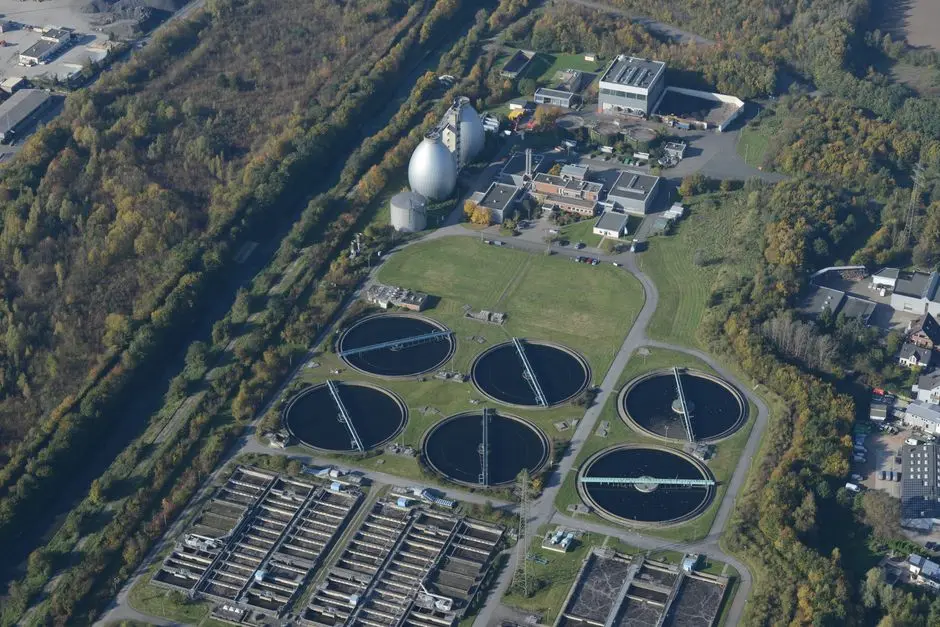
Whether a Hope plant is a Significant Industrial User (SIU) determines which reporting and slug-control obligations attach. The SIU definition at 40 CFR 403.3(v) carries four independent triggers: subject to categorical pretreatment standards, OR average process wastewater discharge of 25,000 gpd or more (excluding sanitary, non-contact cooling, and boiler blowdown), OR a process wastestream that makes up 5% or more of the WPCP's average dry-weather hydraulic or organic capacity, OR formal designation by the City Engineer based on reasonable potential for adverse effect (per EPA, 2026). A 60,000 gpd specialty-chemical batch line that discharges to a 1.2 mgd Hope WPCP clears the 5% organic-capacity trigger and is an SIU even if the plant is not categorically regulated.
The SNC bars are the numbers that turn a routine permit excursion into an enforcement file. Chronic violations trip SNC at a 66% exceedance rate over any 6-month period, or at the Technical Review Criteria (TRC) rate of 33% with a TRC multiplier of 1.4 for BOD, TSS, and FOG and 1.2 for all other pollutants (per EPA, 2026). Any discharge that causes interference or pass-through — including imminent endangerment — is SNC regardless of the chronic percentages. A slug discharge is defined as "any discharge of a non-routine, episodic nature, including, but not limited to an accidental spill or a non-customary batch discharge, which has a reasonable potential to cause interference or pass-through," and triggers the 40 CFR 403.8(f) slug load control plan obligation for SIUs (per EPA, 2026).
Hope-Specific Local Limits and the Arkansas Oversight Layer
Hope-area WPCPs adopt specific-prohibition thresholds by reference that read like a checklist most chemical-plant effluents will trip at least once a quarter without treatment. The verbatim thresholds engineers should expect to see in the local ordinance: pH less than 6.0 or greater than 10.0; closed-cup flashpoint below 140°F (60°C); wastewater temperature greater than 140°F at the source, or any discharge that causes the headworks temperature to exceed 104°F (40°C); solid or viscous substances in amounts that will obstruct flow, including particles greater than 0.5 inch in any dimension, ashes, sands, sludges, plastics, tar, and asphalt residues; petroleum oil, nonbiodegradable cutting oil, or products of mineral origin; oxygen-demanding pollutants at flow rates or concentrations that cause interference; and explosion-meter readings above 5% as hexane on a sustained basis or any single reading above 10% of the LEL (per EPA, 2026). Color-imparting wastes that cannot be removed by the treatment process, foaming detergents, trucked or hauled pollutants except at designated points, and radioactive or medical wastes are also typically prohibited by the same section.
Arkansas has NPDES delegation from EPA, and the Arkansas Department of Energy & Environment (ADEE) Division of Environmental Quality is the state authority that receives the 40 CFR 403.12(b)(7) public-notice copy whenever a Hope-area WPCP files one. ADEE's enforcement posture tracks pass-through, interference, and SNC events; the state can pursue state-law remedies independently of any federal action. The WPCP Control Authority under 40 CFR 403.5(c) can convert between mass and concentration limits and grant equivalent mass limits to facilities that demonstrate water conservation, adequate treatment, and continuous flow monitoring without use of dilution as a substitute for treatment (per EPA, 2026). In practice this means a plant that has invested in flow reduction and reuse can argue for a mass-based limit that better reflects actual loading, while a plant with erratic flows will be held to the concentration number. The conservative posture is to design the train to the most stringent combined form, then negotiate equivalent limits with the City Engineer once BMR data is in hand.
The Six-Stage Treatment Train That Holds the Most Stringent Limit
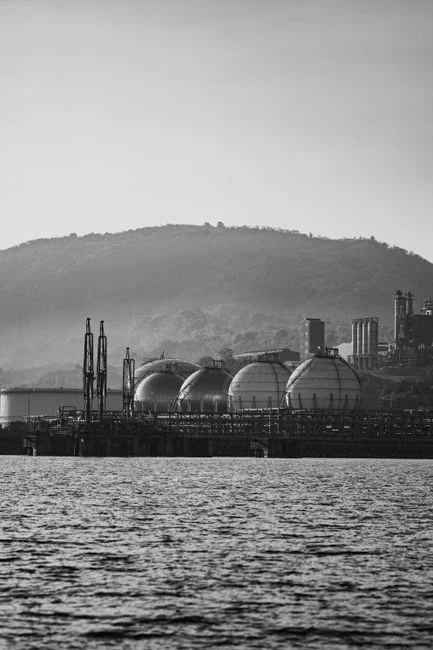
The defensible sequence for a Hope chemical discharger is equalization → pH neutralization → dissolved air flotation (DAF) → chemical precipitation with lamella clarification → biological polishing via MBR → multimedia/carbon filtration ± RO, with each stage mapped to a specific 40 CFR citation or local-limit threshold (per EPA, 2026). Not every plant needs all six stages; the controlling pollutant determines which subset applies.
Stage 1 equalization dampens batch swings in pH, flow, temperature, and concentration. Size for 4–8 h HRT on continuous processes or 24–48 h on batch operations, and oversize where slug potential exists because sizing equalization to 100% of daily batch discharge cuts downstream chemical consumption by up to 30% (HydropureWater field data, 2026). The stage directly addresses 40 CFR 403.5(a) and 40 CFR 403.8(f) slug control. Stage 2 pH neutralization uses an automated reaction tank with redundant pH probes, a PLC, and acid (typically H2SO4 or HCl) injection in a multi-stage configuration with mechanical agitators or air spargers to prevent overshoot of the 6.0–10.0 band; for plants that run alkaline streams above pH 10.5, a two-stage neutralization train with intermediate monitoring is standard practice (per EPA, 2026). A HydropureWater PLC-controlled chemical dosing skid makes pH correction closed-loop rather than operator-adjusted.
Stage 3 DAF handles free and emulsified oils, FOG, and TSS, achieving greater than 90% removal of TSS and emulsified oils in properly sized chemical-sector applications (HydropureWater field data, 2026). Design on hydraulic loading of 5–10 m³/m²·h, a 15–25% recycle ratio for the air-saturated side stream, and an A/S ratio of 0.04–0.06 (lb air per lb solids). The DAF step directly addresses the petroleum-oil prohibition and the 5%/10% LEL thresholds because oil removal cuts VOC stripping at the headworks. A HydropureWater DAF system is the most common Stage 3 selection; for the broader selection logic between DAF and clarifier at the head of the train, the Baton Rouge inorganic and organic chemicals pretreatment guide walks through the decision tree. Stage 4 chemical precipitation with a HydropureWater lamella clarifier addresses dissolved heavy metals: caustic or sulfide precipitation for Cu, Ni, Zn, and trivalent Cr; the lamella geometry delivers surface loading of 20–40 m/h and cuts coagulant consumption versus conventional rectangular clarifiers by up to 30%. Stage 5 biological polishing via a HydropureWater integrated MBR system combines activated sludge with submerged PVDF membrane filtration (0.1–1 μm nominal pore) to meet stringent BOD/COD local limits while shrinking the biological footprint by roughly 60% versus conventional activated sludge. Stage 6 multimedia/carbon filtration polishes the MBR permeate to reuse quality (SDI typically below 3), and pairing with a HydropureWater RO system reclaims up to 80% of process wastewater for cooling-tower makeup or boiler feed (HydropureWater field data, 2026).
| Stage | Unit operation | Target pollutant | Regulatory citation | Design parameter | Removal result |
|---|---|---|---|---|---|
| 1 | Equalization basin + PLC dosing | pH, flow, temperature, concentration swings | 40 CFR 403.5(a); 403.8(f) slug control | 4–8 h HRT continuous; 24–48 h batch | Up to 30% downstream chemical savings (HydropureWater, 2026) |
| 2 | Multi-stage pH neutralization | pH excursions | 40 CFR 403.5(b); local pH 6.0–10.0 | Two-stage tank, H2SO4 or HCl | Holds the 6.0–10.0 band |
| 3 | DAF | Free/emulsified oils, FOG, TSS | 40 CFR 403.5(a); oil prohibition; LEL 5/10% | 5–10 m³/m²·h; A/S 0.04–0.06; 15–25% recycle | >90% TSS and oil removal (HydropureWater, 2026) |
| 4 | Chemical precipitation + lamella clarifier | Dissolved metals (Cu, Ni, Zn, Cr³⁺) | 40 CFR Part 433; local metals limit | Surface loading 20–40 m/h | Up to 30% coagulant savings |
| 5 | MBR | BOD, COD, residual TSS | Categorical standard; local BOD/COD limit | 0.1–1 μm PVDF membrane | ~60% footprint reduction vs. CAS |
| 6 | Multimedia/carbon ± RO | Residual TSS, color, organics; reuse targets | Local limit; reuse-quality (SDI < 3) | SDI < 3 polish; 75–80% recovery | Up to 80% reclaim with MBR+RO (HydropureWater, 2026) |
Right-Sizing the Train to Controlling Pollutant, Flow Pattern, and Reuse Goal
The cheapest defensible train is the one matched to the controlling pollutant, sized for the actual flow pattern, and tuned to whether the plant discharges to sewer or reuses internally. Axis 1 — controlling pollutant: map the influent problem to a unit operation so the train reflects the binding parameter, not the loudest vendor. pH swings → equalization plus automated neutralization; free and emulsified oils, FOG, and TSS → DAF; dissolved metals → chemical precipitation plus lamella clarifier; high BOD/COD → biological polishing; reuse-quality polish → multimedia/carbon filtration or RO (per EPA, 2026). For lead-bearing streams, the lead removal from industrial wastewater guide lays out the precipitation chemistry and the sludge-handling chain that ties into 40 CFR Part 433 categorical reporting.
Axis 2 — SIU status: categorical SIUs face a federal numeric floor but are almost always bound by the stricter Hope local limit; non-categorical plants still must prevent pass-through and interference under 40 CFR 403.5(a) using a qualitative risk assessment, because qualitative violations are enforced just as readily as numeric ones (per EPA, 2026). Axis 3 — flow pattern: continuous plants run on 4–8 h of equalization; batch plants need 24–48 h to homogenize slug releases; over-sizing equalization is the cheapest insurance against a 40 CFR 403.8(f) slug excursion, and the Goose Creek chemical plant pretreatment guide documents the same sizing logic for a neighboring jurisdiction. Axis 4 — reuse goals: discharge-to-sewer plants can stop at MBR plus multimedia filtration; reuse plants should pivot to MBR + RO to reclaim up to 80% of process wastewater for cooling-tower or boiler-feed makeup and bypass POTW loading entirely.
Frequently Asked Questions
What is the most stringent applicable pretreatment limit a Hope chemical plant must meet?
The most stringent applicable number among 40 CFR 403.5(a)–(b) general and specific prohibitions, the federal categorical standard at 40 CFR Parts 405–471, and the Hope WPCP local limit issued under 40 CFR 403.5(c). The combined train has to hit whichever number is lower for each parameter (per EPA, 2026).
Does a Hope plant need a slug load control plan if it is not a Significant Industrial User?
Only SIUs are required to implement a written slug load control plan under 40 CFR 403.8(f). The Hope-area definition of a slug is any non-routine, episodic release with reasonable potential to cause interference or pass-through; batch chemical manufacturers almost always meet that definition and trigger the obligation (per EPA, 2026).
How is pass-through different from interference under 40 CFR 403?
Pass-through under 40 CFR 403.3(p) is a discharge that causes a violation of the WPCP's NPDES permit once it exits the plant into receiving waters. Interference under 40 CFR 403.3(k) is a discharge that disrupts the WPCP's treatment processes, operations, or sludge handling and thereby causes an NPDES or RCRA sewage-sludge violation (per EPA, 2026).