Why Parrish Chemical Factories Are Re-Evaluating Primary Separation in 2026
Parrish, FL sits in the heart of Manatee County's chemicals corridor (NAICS 325), and 2026 pretreatment upgrade cycles are now standard for any new line or retrofit discharging to a publicly owned treatment works (POTW). Plants must meet 40 CFR 403 pretreatment compliance for chemical plants and the categorical standards layered on top for organic chemicals, metal finishing, and inorganic chemicals — most notably oil and grease, TSS, and individual metal ceilings enforced by the local POTW under Florida DEP delegation. For a typical Parrish specialty/batch site, that means managing a single wastewater header that swings from emulsified lubricants and surfactants in one shift, to alkaline metal-bearing rinses and gypsum-rich clarifier overflow the next, with pH excursions from 2 to 11 inside the same day. The decision between dissolved air flotation and a gravity clarifier is therefore not brand-driven — it is feed-driven, footprint-driven, and OPEX-driven, and most 2026 specifications in the central Florida corridor are converging on a hybrid DAF → lamella clarifier train to hit both oil & grease categorical limits and TSS limits in one envelope. The EPA oil and grease discharge limit guidance for 2026 is the reference engineers cite when justifying capital to plant leadership and the regulator.
How DAF and Clarifiers Actually Separate Solids
DAF and gravity clarifiers look similar from the outside — both are rectangular or circular tanks with a clear overflow — but they exploit opposite physics. In a DAF, 10–100 µm micro-bubbles are generated by recycle pressurization at 2–6 bar and injected into the contact zone, where they attach to low-density particles (oils, FOG, latex fines, biomass) and float them to the surface for skimming; recycle rates of 5–30% of plant flow are the standard design window (per the waterandwastewater.com DAF guide). A conventional clarifier does the opposite: it relies on gravity sedimentation, with surface overflow rate, weir loading, and detention time as the controlling design parameters from the EPA Process Design Manual for Suspended Solids Removal (1975, still the cited reference for primary sedimentation practice). Each technology has a defined failure mode. DAF underperforms on dense, gritty inorganics — sand, metal scale, gypsum — because the bubbles cannot lift particles with specific gravity much above 1.05–1.1. A clarifier underperforms on colloidal, emulsified, or near-neutral-buoyancy particles that take hours to settle or never settle at all. In a chemical plant, that maps cleanly: DAF handles FOG, surfactants, latex, polymer fines, and oil-in-water emulsions; a lamella clarifier for chemical plant pretreatment handles metal hydroxides, CaSO4, CaCO3, and silica flocs. Lamella/inclined-plate designs multiply effective settling area, typically reaching 20–40 m/h surface loading on HydropureWater product data, which is why they have displaced conventional circular clarifiers as the chemicals-plant default. A DAF system for chemical plant wastewater in the 4–300 m³/h range fits most Parrish plant headers in a single skid.
DAF vs Clarifier: 2026 Head-to-Head Comparison
The table below consolidates the parameters an engineer needs to bring into a vendor meeting or a 40 CFR 403 review. Removal figures are anchored to two industry-cited benchmarks: 95% oil and grease removal in a DAF treating a food-processing stream (per the Ecologix selection guide) and 90% sediment reduction in a clarifier treating a mining stream — both figures travel well into the chemicals sector when feed is comparable. Footprint and OPEX classes are taken from typical chemical-plant engineering practice; energy and polymer demand scale with hydraulic load, not with influent strength alone.
| Parameter | DAF (Dissolved Air Flotation) | Clarifier (Conventional or Lamella) |
|---|---|---|
| Mechanism | Air flotation; micro-bubbles lift low-density particles | Gravity sedimentation; settleable solids fall to sludge bed |
| Best influent | Oils, FOG, colloids, surfactants, latex, polymer fines | Settleable inorganics, metal precipitates (Fe(OH)3, Al(OH)3), grit, CaSO4 |
| Reported removal | 90–95% on FOG; 85–95% on TSS with coagulation | ~90% on sediment/TSS; minimal on emulsified FOG |
| Footprint at 50 m³/h | Compact skid (≈ 4–8 m²) | 2–4× footprint, especially for circular units |
| Energy class | Moderate (compressor + saturation + recycle pumps) | Low (no aeration); sludge handling dominates |
| OPEX driver | Polymer, compressed air, skimmings handling | Sludge hauling, dewatering energy |
| Sludge character | Thick float (2–5% DS typical), low volume | Wet underflow (0.5–2% DS), high volume |
| Compliance fit | Oil & grease limits; categorical organics | TSS and metals limits |
| Maintenance triggers | Rising turbidity, unstable blanket, skimmer carryover | Sludge blanket rise, scum overflow, rake torque alarms |
| Polymer automation | automatic chemical dosing for jar-test-optimized polymer feed, dose-paced to flow | Same dosing systems, but lower dose per m³ |
One operational nuance worth flagging: DAF OPEX rises with hydraulic load even when influent is clean, because the recycle and saturation systems are sized to flow, not to mass. Clarifier OPEX, by contrast, rises with solids loading, because more sludge means more thickening and hauling. That distinction matters when you build the 10-year OPEX model for a 40 CFR 403 submittal.
Matching the Right Technology to Your Chemical Stream
For a Parrish-area chemicals plant, the train selection is best driven by the dominant contaminant class in the combined wastewater header, not by the most visible contaminant in any one shift. The matrix below summarizes what experienced chemical-plant engineers actually specify in 2026, based on feed mapping and POTW discharge limits.
| Chemical sub-sector / stream | Dominant contaminant | Primary unit | Secondary / polish |
|---|---|---|---|
| Specialty/batch chemicals (batch releases, CIP) | Variable FOG, surfactants, pH swings | DAF | Equalization + pH adjust |
| Agrochemical / fertilizer (gypsum, CaCO3, silica flocs) | High TSS, low FOG | Lamella clarifier | DAF polish for entrained oils |
| Petrochemical / lubricant blending | High free oil, trace metals | DAF (primary) | Clarifier as sludge thickener |
| Soaps, detergents, surfactants | FOG, surfactants, high COD | DAF (90–95% FOG removal) | Biological or membrane |
| Acids, pickling, plating rinses | Metal hydroxides, low pH | Clarifier (or lamella) for solids | DAF for entrained oils upstream |
| Bulk / inorganic chemicals (acids, bases, salts) | High TSS, low FOG | Clarifier | Multimedia filter polish |
The hybrid DAF → clarifier train is the most common 2026 specification for chemical plants that must hit both oil & grease and TSS categorical limits. Plants that have built this train in similar jurisdictions — see the Piedmont-area pretreatment compliance case and the Trenton-area pretreatment compliance case — consistently report that the DAF front-end protects the clarifier from emulsified oil fouling, while the lamella clarifier downstream cuts residual TSS to POTW-acceptable levels without doubling the footprint.
Parrish, FL Site Factors That Change the Math in 2026
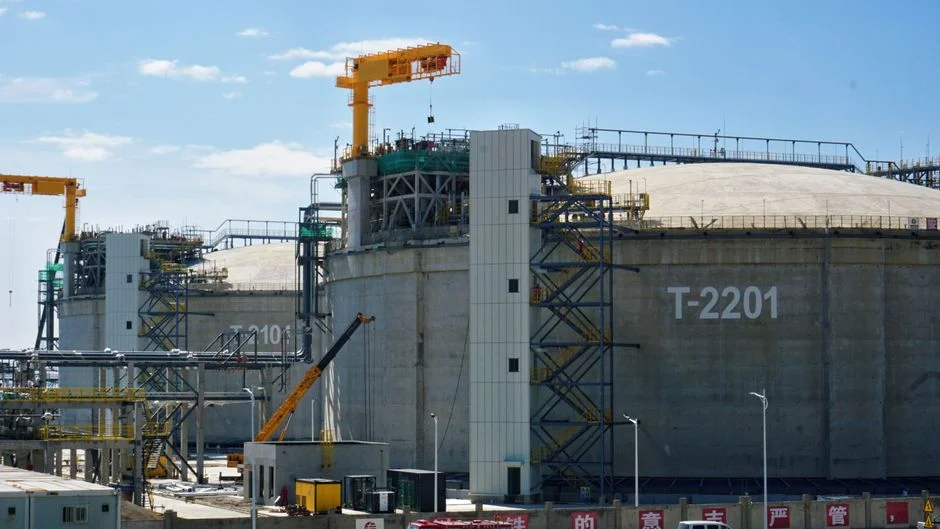
Central Florida introduces three site-specific variables that shift the DAF-vs-clarifier trade-off. First, POTW discharge limits: Manatee County industrial users must meet county- and POTW-specific oil and grease, TSS, and metals limits under 40 CFR 403, and the local POTWs (including the Manatee County Utilities system) typically enforce oil & grease ceilings at or below 100 mg/L daily max for chemical plants — a level that drives the DAF decision on its own. Second, temperature: warm influent (year-round 25–30 °C) reduces DAF saturation efficiency slightly — Henry's constant declines at higher temperature, so you need marginally more recycle to hit the same air-to-solids ratio — but improves clarifier settling because viscosity drops. The net effect in Florida is roughly a wash. Third, hydraulic surges from intense summer rainfall events: DAF's compact footprint and faster recovery (typically <30 min from flow excursion to stable effluent) handle wet-weather peaks better than large clarifiers, which carry several hours of sludge blanket and can bleed solids for half a shift after a surge. Space constraints in the Parrish industrial corridor favor DAF retrofits and lamella clarifier retrofits over conventional circular clarifiers, which require 2–4× the footprint. Finally, any new primary separation unit touching industrial waste in Florida typically triggers a Florida DEP industrial wastewater permit modification — sequence pilot, specification, and permit submittal in that order, and use the DAF operating cost benchmark for 2026 to ground the OPEX narrative the regulator expects to see.
Pilot Testing and Jar Tests: the 2026 Engineering Sequence
For a chemicals plant, jar testing and pilot work are not optional. They are the difference between a 40 CFR 403 submittal that gets approved in one cycle and one that goes back for revisions. The standard sequence is well established. Run sequential jar tests varying coagulant type and dose (alum, ferric chloride, or cationic polymer), then polymer type and dose, recording floc size, settling or flotation tendency, and effluent turbidity (per the waterandwastewater.com jar-test guidance). Then operate a mini-DAF column or a rented pilot DAF skid to validate floatability and lock in the recycle ratio within the 5–30% design window, with saturation pressure at 3–5 bar as a sensible starting point. Target validation is concrete: FOG removal ≥90%, TSS removal ≥85–95%, and polymer dose optimized so that cake solids on the downstream dewatering device do not collapse (overdosing polymer is a well-documented route to worsening sludge dewaterability). Pilot duration should be 4–8 weeks to capture batch variability typical of chemicals plants — shorter pilots miss the weekend wash cycles and the surfactant-spike events. Translate pilot results into full-scale design: hydraulic residence time (typically 20–40 min for DAF contact), surface loading rate, air-to-solids ratio, and polymer consumption per m³. The cavitation air flotation operating cost reference is a useful comparator if you are also evaluating a cavitation-style unit, but the underlying pilot protocol is identical.
2026 OPEX Reality Check and Hybrid Configurations
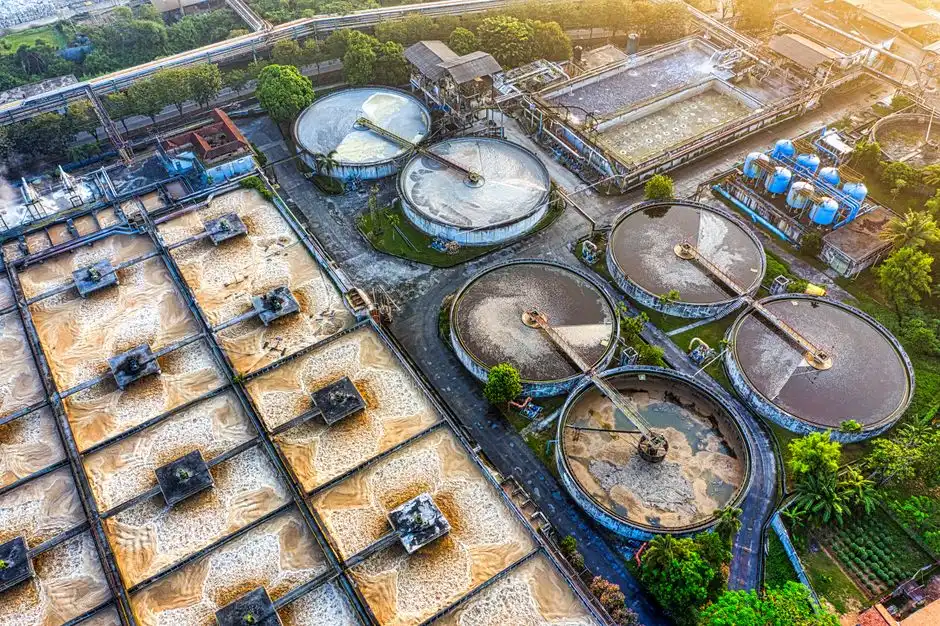
OPEX in 2026 is dominated by two line items that move in opposite directions: polymer and compressed air on the DAF side, sludge hauling and dewatering energy on the clarifier side. For a typical 50 m³/h chemical plant, polymer consumption on a DAF runs 5–20 mg/L depending on feed, and compressed-air demand is on the order of 0.1–0.3 kWh/m³ treated. A lamella clarifier on the same feed generates 2–4× the wet sludge volume of a DAF, but the polymer dose is lower (0–5 mg/L) and there is no air compressor. The hybrid DAF → lamella clarifier train typically delivers the lowest total OPEX for chemical plants with both FOG and TSS limits, at 10–20% higher CapEx than either unit alone — a number consistent with the 2026 DAF operating cost benchmark and lamella clarifier product data showing up to 30% lower chemical consumption versus a conventional clarifier at equivalent surface loading. Maintenance triggers to instrument and trend: rising effluent turbidity, increased skimmer frequency, unstable blanket depth, and persistent carryover are the four classic DAF symptoms (per waterandwastewater.com troubleshooting list), each tied to a specific cause-and-fix path. For the sludge side, a plate and frame filter press for DAF float and clarifier underflow closes the mass balance and brings cake solids into the 25–35% DS range; a lamella clarifier for chemical plant pretreatment upstream cuts the hydraulic load to the press.
| OPEX line item | DAF only | Clarifier only | Hybrid DAF → lamella |
|---|---|---|---|
| Polymer (USD/m³) | 0.05–0.20 | 0.00–0.05 | 0.05–0.15 |
| Compressed air (USD/m³) | 0.01–0.04 | 0 | 0.01–0.03 |
| Sludge hauling (USD/m³ treated) | 0.02–0.05 | 0.08–0.18 | 0.03–0.07 |
| Dewatering energy (USD/m³) | 0.01–0.03 | 0.04–0.08 | 0.02–0.04 |
| Typical 10-yr OPEX index | 1.00 (baseline) | 0.90–1.10 | 0.75–0.90 |
Frequently Asked Questions
For a chemical plant in Parrish, FL, should we choose a DAF or a clarifier in 2026?
If the feed is dominated by emulsified oils, FOG, surfactants, or fine colloids, choose DAF — it routinely delivers 90–95% removal on those contaminants in a compact footprint, compared with 60–70% for a conventional clarifier on the same stream. If the feed is dominated by settleable inorganics (metal hydroxides, CaSO4, CaCO3), a lamella clarifier delivers ~90% solids reduction at lower OPEX. For most chemical plants that must satisfy 40 CFR 403 categorical standards and local POTW FOG limits simultaneously, the 2026 default specification is a hybrid DAF → lamella clarifier train (per the Ecologix selection guide and the waterandwastewater.com DAF design parameters).
What removal efficiency should we expect from a DAF on chemical plant wastewater?
A properly sized and chemically conditioned DAF on a chemicals-sector feed delivers 90–95% FOG removal and 85–95% TSS removal with coagulation, at hydraulic loadings of 5–25 m/h depending on the recycle ratio (within the 5–30% design window) and saturation pressure (2–6 bar). Performance below these ranges typically signals polymer dose mismatch, insufficient recycle, or an upstream pH excursion that has not been equalized.
How do 40 CFR 403 categorical standards affect the DAF vs clarifier decision?
40 CFR 403 sets the general pretreatment framework, and the categorical standards in 40 CFR Parts 414 (organic chemicals), 415 (inorganic chemicals), and 433 (metal finishing) impose specific oil & grease, TSS, and metals ceilings on industrial users discharging to a POTW. Chemical plants that exceed the oil & grease ceiling (commonly 100 mg/L daily max) almost always need a DAF upstream; plants that exceed the TSS or metals ceilings need a clarifier (preferably lamella) and often a multimedia polish. Hybrid trains are the standard answer when both ceilings apply, which is the typical Parrish-area case for NAICS 325 facilities with mixed acid/alkaline and oil-bearing streams.
Do we still need a pilot if we are using a standard chemical-plant DAF design?
Yes. Standard designs assume standard feeds. Chemical plant wastewater is rarely standard — batch releases, surfactant spikes, pH swings from 2 to 11, and metal-bearing rinses all change the floc chemistry inside a single shift. A 4–8 week pilot with a rented DAF skid and parallel jar tests is the only way to lock in polymer dose, recycle ratio, and air-to-solids ratio before signing a PO, and it is the documentation your 40 CFR 403 reviewer will expect to see in the permit modification submittal.