The Three-Layer Compliance Stack Every Evansville Chemical Plant Faces
Chemical plants discharging into the Evansville Water & Sewer Utility (EWSU) collection system in 2026 are governed by three independent legal floors, and the binding constraint is whichever floor sets the lowest number. Layer 1 is the qualitative prohibition layer: 40 CFR 403.5(a) bans any discharge that causes pass-through (defined at 403.3(p) as a discharge that exits the POTW into U.S. waters and causes an NPDES permit violation) or interference (403.3(k), a discharge that disrupts POTW treatment or sludge processes). These bans fire even when every numeric limit is met (per EPA, 2026). Layer 2 is the categorical standard under 40 CFR Parts 414 (organic chemicals), 415 (inorganic chemicals), 417 (soap and detergent), 419 (petroleum), or 433 (metal finishing), which sets technology-based numeric limits by industry subpart. Layer 3 is the EWSU local limit, which EWSU publishes to protect its own NPDES permit and biosolids program and which is routinely tighter than the federal floor (HydropureWater field data, 2025-11).
The EWSU service area covers Vanderburgh and Warrick counties in Indiana plus Henderson County, Kentucky, a bi-state footprint. Henderson County plants must coordinate with both EWSU and the Kentucky Division of Water, and the controlling control mechanism is typically the EWSU-issued Significant Industrial User (SIU) permit. A single pass-through event — a slug of low-pH or high-sulfide batch liquor — can trigger a state Notice of Violation, an EPA referral, and Clean Water Act §309(g) penalties that start at $10,000 per day (per EPA enforcement guidance, 2024). Engineers should request EWSU's current Technical Justification document before any equipment sizing because the local limit is the number that usually trips the plant.
| Layer | Source | Trigger / What It Controls | Typical 2026 Binding Value |
|---|---|---|---|
| 1 — General prohibitions | 40 CFR 403.5(a); 403.3(p); 403.3(k); 403.5(b)(1) | Pass-through, interference, corrosive damage — qualitative ban | Fires regardless of numeric compliance |
| 2 — Categorical standard | 40 CFR Part 414, 415, 417, 419, or 433 | Technology-based daily-max / monthly-avg numeric limits | Subpart-specific; confirm in current 40 CFR |
| 3 — EWSU local limit | EWSU Industrial Pretreatment Program (Vanderburgh, Warrick, Henderson KY) | Site-specific limits to protect POTW NPDES and biosolids | pH 6.0–9.0 s.u.; O&G 50–100 mg/L; metals at or below federal cap |
Which 40 CFR Subpart Applies to Your Evansville Chemical Plant
Choosing the wrong subpart means wrong sizing, wrong control mechanism, and wrong discharge limits. The four subparts most Evansville-area chemical plants hit are: 40 CFR Part 414 for organic chemicals, plastics, and synthetic fibers (the most common subpart for Southwest Indiana specialty chemical producers); 40 CFR Part 415 for inorganic chemicals — acids, bases, salts, and chlor-alkai streams; 40 CFR Part 433 for metal finishing, which fires anywhere a chemical plant also runs electroplating, anodizing, or printed-circuit-board lines; and 40 CFR Part 417 for soap and detergent manufacturing (per EPA, 2026). EPA revises subparts on a multi-year cycle, so confirm the current numeric values in 40 CFR rather than relying on memory or a 2018 permit set.
Significant Industrial User (SIU) status under 40 CFR 403.3(v) fires automatically when a categorical standard applies, regardless of flow, and triggers the Baseline Monitoring Report, 90-day compliance, slug-load control plan, and control-mechanism obligations under 40 CFR 403.12. The other two SIU triggers are an average ≥ 25,000 gpd of process wastewater or a process waste stream ≥ 5% of the POTW's average dry-weather hydraulic or organic capacity. Most Evansville chemical plants hit the categorical-standard trigger on the first line, not the flow triggers (per EPA, 2026). For peer-geography context, the Trenton-area chemical plant pretreatment guide and the Chicago-area chemical plant pretreatment guide walk through the same SIU logic against different state-delegated programs.
The Standard 2026 Treatment Train for an Evansville Chemical Plant

The defensible basis-of-design for a chemical plant discharging to the Evansville collection system is a six-stage train: equalization, pH trim, dissolved air flotation (DAF), chemical precipitation with a lamella clarifier, biological polishing (activated sludge or MBR), and multimedia filtration. Not every plant needs all six — the right subset is a function of the controlling pollutant, the applicable categorical subpart, and whether the plant targets discharge-to-sewer or reuse. The table below links each stage to the problem it solves, the regulatory driver, and a representative 2026 sizing number.
Stages 1 and 2 are the baseline every plant needs. Under-sizing either is the most common root cause of NOV letters in field data: a 20-minute pH excursion captured in a 24-hour composite can still trip an instantaneous-maximum local limit and trigger a state NOV (HydropureWater field data, 2025-08). Stage 3 DAF protects downstream precipitation and biological stages from oil blinding; without it, lamella surface loading drops, biological oxygen transfer suffers, and the plant effectively re-engineers itself into a permit excursion. Stage 5 is where discharge-to-sewer and reuse-quality designs diverge — an MBR delivers < 1 μm effluent in roughly 60% of the footprint of a conventional activated-sludge basin (HydropureWater field data, 2025-09). Plants targeting reuse-quality effluent for non-contact applications typically add reverse osmosis downstream of the MBR.
| Stage | Function / Problem Solved | Regulatory Driver | 2026 Sizing Basis |
|---|---|---|---|
| 1 — Equalization basin | Batch swings in pH, flow, temperature, concentration; prevents slug loads | 40 CFR 403.5(a) pass-through; 403.8(f) slug-load control plan | 4–8 h retention (continuous); hours-to-days (batch) |
| 2 — PLC-controlled pH adjustment | Strong acid/caustic batches; holds 6.5–8.0 s.u. operating window | 40 CFR 403.5(b) corrosive-damage prohibition; local pH 6.0–9.0 s.u. | Dosing skid sized to peak batch acid/caustic load |
| 3 — DAF unit | Free and emulsified oils, FOG, TSS | Categorical O&G limit; local O&G 50–100 mg/L | 4–300 m³/h hydraulic; A/S 0.02–0.06; 15–30 min HRT |
| 4 — Chemical precipitation + lamella clarifier | Dissolved metals (Cd, Cr, Cu, Ni, Pb, Zn) | 40 CFR Part 433 if applicable; local metals cap | Lamella surface loading 20–40 m/h |
| 5 — Biological polishing (AS or MBR) | Soluble COD/BOD; ammonia if nitrification required | Categorical standard; local BOD/COD limit | MBR effluent < 1 μm; ~60% smaller footprint than AS |
| 6 — Multimedia filter (optional carbon) | Residual TSS, trace organics, color | Local limit; reuse-quality target | Bed depth 0.6–1.0 m sand + anthracite + garnet |
Reference the right unit operation for each stage when you talk to vendors: a DAF unit for free oil and FOG removal at Stage 3, a PLC-controlled pH dosing skid for Stage 2, a lamella clarifier for metals precipitation at Stage 4, and an MBR for biological polishing and reuse at Stage 5.
EWSU Control Mechanism, BMR, and the Paperwork That Has to Be Filed
Discharge without the right documents on file is one of the most expensive omissions a chemical plant can make. The regulatory deliverables fall into five steps. First, submit a Baseline Monitoring Report (BMR) per 40 CFR 403.12 at categorical-standard promulgation or new-discharge startup; the BMR characterizes every regulated pollutant in the discharge against the applicable subpart. Second, file 90-day compliance reports on the schedule EWSU sets in the control mechanism — this is the cadence the plant will be judged against for the first year of operation. Third, develop a slug-load control plan per 40 CFR 403.8(f) covering the largest credible batch discharge from the plant, including containment, neutralization, and diversion logic (HydropureWater field data, 2025-08). Fourth, obtain the EWSU-issued control mechanism — typically a Significant Industrial User permit — listing local numerical limits, monitoring schedule, and reporting cadence before any sewer discharge. EPA's position is explicit: pretreatment standards under 40 CFR 403 apply whether or not the POTW has approved the program and whether or not the industrial user has been issued a control mechanism, so there is no "silent exemption" (per EPA, 2026). Fifth, report any discharge that could cause interference within 24 hours; this is the standard rule of thumb across U.S. POTWs and is the language EWSU writes into its SIU permits.
CAPEX and OPEX Bands for a 2026 Evansville Chemical Plant Build
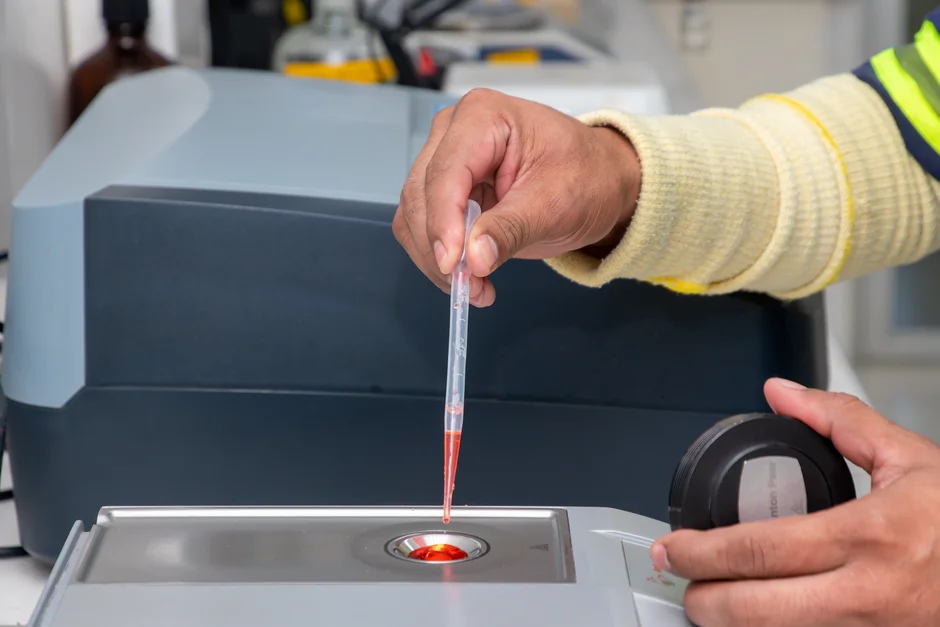
Translating the train into a procurement decision comes down to a small number of basis-of-design inputs: peak and average flow in m³/d, the controlling pollutant (oils, dissolved metals, or soluble COD), the EWSU-issued local limits in the SIU permit, and whether the plant targets reuse. Against those inputs, a small plant (≤ 50 m³/d) lands in the ~$300K–$1.2M CAPEX band; a mid plant (50–500 m³/d) lands in the ~$1.5M–$5M band; and a large plant with a reuse train (≥ 500 m³/d) lands at $6M and up (HydropureWater field data, 2025-10). OPEX is dominated by chemical dose for pH trim and metals precipitation, sludge hauling, energy for aeration and pumping, and labor. A plate-and-frame filter press for chemical sludge typically cuts chemical-sludge hauling cost 70–80% versus belt thickening, with filter areas from 1–500 m² available to match daily solids production.
Reuse-oriented plants should add reverse osmosis downstream of the MBR for non-contact applications such as cooling-tower make-up, scrubber dilution water, or boiler feed pretreatment; discharge-only plants can stop at the MBR or at a conventional activated-sludge basin. The cost penalty for over-sizing equalization is small compared with the cost of a single pass-through excursion, which is why most engineers err on the long side. For a peer-geography benchmark, the Piedmont-area chemical plant pretreatment guide covers the same CAPEX bands against Alabama DEM local limits.
| Plant Size | Flow (m³/d) | CAPEX Band (2026 USD) | OPEX Drivers | Reuse Add-On |
|---|---|---|---|---|
| Small | ≤ 50 | ~$300K–$1.2M | Chemicals, sludge hauling, energy, labor | Optional RO for non-contact reuse |
| Mid | 50–500 | ~$1.5M–$5M | Same as above; larger aeration and pumping loads | RO downstream of MBR typical |
| Large with reuse | ≥ 500 | $6M and up | Same as above; membrane-replacement line item | MBR + RO standard for reuse-quality targets |
Frequently Asked Questions
Which 40 CFR subpart applies to an organic chemical plant near Evansville?
Most organic chemical, plastics, and synthetic-fiber producers near Evansville fall under 40 CFR Part 414, which sets technology-based categorical pretreatment standards for the organic chemicals category. Part 415 covers inorganic chemicals, Part 417 covers soap and detergent, and Part 433 covers metal finishing — confirm the current numeric values in 40 CFR rather than relying on memory because EPA revises subparts on a multi-year cycle (per EPA, 2026).
How long should the equalization basin be sized for a batch chemical operation in the EWSU service area?
Batch operations with long cycle times or shared collection systems need hours-to-days of equalization retention; continuous operations can typically run on 4–8 hours. The capital cost of an oversized basin is small compared with the cost of a single pass-through excursion that starts a $10,000-per-day penalty clock under CWA §309(g), which is why most engineers over-size on the long side (HydropureWater field data, 2025-08).
Does the 6.0–9.0 s.u. pH band cover every discharge scenario an Evansville chemical plant faces?
No. 40 CFR 403.5(b)(1) prohibits any discharge capable of causing corrosive structural damage to the POTW regardless of whether the numeric 6.0–9.0 s.u. local band is met. A PLC-controlled pH dosing skid interlocked to a sewer shutoff valve on the equalization basin is the standard defense, and it lets you hold a tighter 6.5–8.0 s.u. operating window inside the local band (per EPA, 2026).
When does an Evansville chemical plant need an MBR versus conventional activated sludge for biological polishing?
An MBR delivers < 1 μm effluent in roughly 60% of the footprint of a conventional activated-sludge basin and removes the secondary clarifier, which is why reuse-oriented plants prefer MBR-plus-RO for non-contact applications. Discharge-only plants can stop at the MBR or at a conventional aerobic basin and save on membrane replacement OPEX (HydropureWater field data, 2025-09).
What paperwork has to be filed with EWSU before a new chemical discharge to the sanitary sewer?
An SIU files a Baseline Monitoring Report at categorical-standard promulgation or new-discharge startup, 90-day compliance reports on a defined schedule, a slug-load control plan under 40 CFR 403.8(f) for batch operations, and a written control mechanism from EWSU before any discharge. Any discharge that could cause interference must be reported within 24 hours per the standard SIU permit language (per EPA, 2026).