A package wastewater treatment plant in Abuja FCT Nigeria is a compact, factory-built system designed for decentralized sewage treatment, typically handling 1–80 m³/day. Unlike the 131.3 ML/day Wupa WWTP, these modular units serve hospitals, estates, and commercial sites. They achieve 90–95% BOD and TSS removal, meeting SON and FMEnv standards, with prices ranging from ₦15 million for basic models.
What Is a Package Wastewater Treatment Plant?
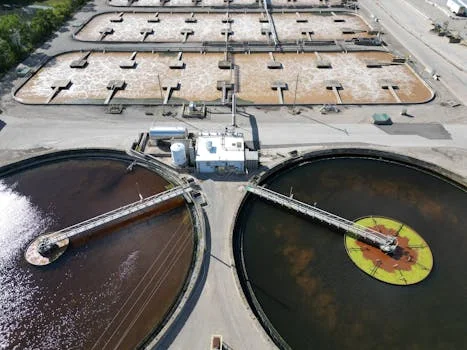
A package wastewater treatment plant is a fully integrated, prefabricated system designed for treating domestic or industrial wastewater on a smaller, decentralized scale, typically processing between 1 and 80 m³/day. These modular sewage treatment plant units are engineered and assembled in a factory, then transported to the site for installation, minimizing on-site construction time and complexity. This approach contrasts sharply with large, civil-intensive centralized facilities like the Wupa Wastewater Treatment Plant in Abuja, which handles significantly larger volumes (131,300 m³/day) and serves an entire municipal area. Package plants are self-contained, often skid-mounted or designed for compact underground installation in Abuja estates, making them ideal where land is scarce or visual impact needs to be minimized.
The core technologies employed in these compact STP units include advanced biological processes such as Activated Sludge variants (e.g., A/O process for anaerobic/aerobic treatment), Membrane Bioreactors (MBR), or Sequencing Batch Reactors (SBR). These processes are scaled down and optimized for efficient pollutant removal within a confined footprint. For commercial, institutional, or residential developments in Abuja where connection to a municipal sewer system is impractical, unavailable, or unreliable, an onsite wastewater system Abuja provides a robust and compliant solution. Common use cases include hotels, private clinics, housing estates, schools, and small industrial sites that require independent and effective wastewater management.
Why Abuja Needs Decentralized Wastewater Solutions
The need for decentralized solutions is underscored by Abuja's rapid urbanization.Decentralized wastewater treatment solutions are critical for Abuja's rapidly expanding urban areas due to lagging centralized infrastructure and public health risks from inadequately treated effluent. Rapid urbanization within the Federal Capital Territory (FCT) has outpaced the development and expansion of centralized sewer networks, leaving many new commercial, institutional, and residential developments without adequate wastewater management infrastructure. This gap necessitates reliable off-grid treatment options, making small scale WWTP Nigeria an essential component of sustainable development.
The public health implications of insufficient wastewater treatment are significant. A 12-month study on the Abuja wastewater treatment plant, published in 2025, identified Vibrio cholerae in 62.5% of isolates from effluent samples, highlighting significant public health risks from centralized systems that may not achieve complete pathogen removal. Such findings underscore the critical need for effective treatment at all scales to prevent waterborne diseases. Decentralized sewage solution systems, when properly designed and maintained, can consistently meet stringent discharge standards set by the Federal Ministry of Environment (FMEnv) and the Standards Organisation of Nigeria (SON). For instance, typical requirements include Biochemical Oxygen Demand (BOD) levels below 30 mg/L and Total Suspended Solids (TSS) below 50 mg/L. By implementing onsite treatment, facilities in Abuja can ensure their effluent does not contribute to environmental pollution or pose a health hazard to surrounding communities. Understanding case studies on hospital wastewater management in West Africa further illustrates the regional challenges and the necessity for robust, compliant treatment.
Key Features of Modern Package Plants for Abuja
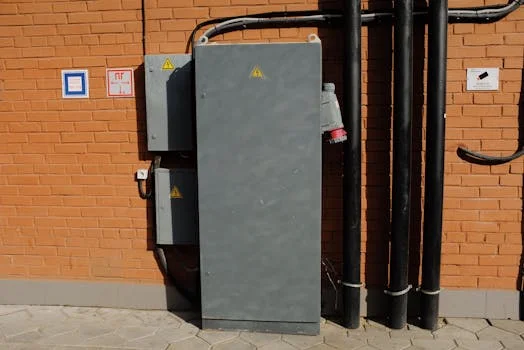
Modern package wastewater treatment plants offer advanced features that ensure high-efficiency treatment and operational simplicity, crucial for diverse applications across Abuja. A primary advantage is their fully automated operation, often managed by a PLC (Programmable Logic Controller) system. This means that, unlike older, labor-intensive systems, modern prefabricated treatment units require minimal on-site operator intervention, significantly reducing operational costs and human error – a critical factor for facilities with limited technical staff. These systems are designed for ease of use, with self-monitoring capabilities and alarms for maintenance needs.
Installation flexibility is another key feature. Many systems can be installed either above-ground or buried, offering aesthetic and space-saving benefits. For instance, HydropureWater's WSZ series compact underground package sewage treatment plant for Abuja estates allows for landscaping above the buried unit, minimizing visual impact in urban or sensitive natural environments. The core of these systems relies on biological treatment processes, with the A/O (Anaerobic/Anoxic/Oxic) process being common for achieving 90–95% removal of BOD and TSS. For higher effluent quality, particularly for water reuse applications, Membrane Bioreactor (MBR) systems can achieve ultra-low pollutant levels, typically less than 10 mg/L for both BOD and TSS. Addressing critical public health concerns like the *Vibrio cholerae* risks identified in Abuja, modern plants incorporate robust disinfection stages. Options like ozone or chlorine dioxide (ClO₂) ensure over 99% pathogen kill, producing effluent safe for discharge or non-potable reuse. For specialized applications such as medical facilities, a fully automated medical wastewater treatment system with ozone disinfection ensures complete sterilization of hazardous wastewater.
| Feature | Description & Benefit for Abuja Projects |
|---|---|
| Automation Level | Fully automated PLC control; reduces labor costs, ensures consistent performance, ideal for remote sites. |
| Installation Type | Above-ground (skid-mounted) or Buried (e.g., WSZ series); flexibility for space constraints and aesthetic integration. |
| Treatment Process | A/O (Anaerobic/Oxic) for 90-95% BOD/TSS removal; MBR for superior effluent quality (<10 mg/L BOD/TSS) suitable for reuse. |
| Disinfection Options | Ozone or Chlorine Dioxide (ClO₂); ensures >99% pathogen kill, critical for public health compliance in FCT. |
| Effluent Quality | Meets or exceeds FMEnv and SON standards (e.g., BOD <30 mg/L, TSS <50 mg/L) for safe discharge. |
| Modularity | Factory-built units allow for quick installation and scalability, adapting to changing demand. |
Capacity and Cost Estimates for Abuja Projects
The investment required for a package wastewater treatment plant in Abuja varies significantly based on treatment capacity and specific technology, with entry-level systems starting around ₦15 million. These costs are influenced by the daily volume of wastewater to be processed, the desired effluent quality (e.g., for discharge or reuse), and the complexity of the treatment technology (e.g., A/O vs. MBR). Understanding these cost benchmarks is crucial for procurement officers and project engineers in Abuja to develop realistic budgets for their decentralized sewage solution projects.
For smaller applications, such as clinics or boutique hotels, capacities typically range from 1 to 10 m³/day. These compact units are designed for minimal footprint and straightforward operation, with estimated costs ranging from ₦15 million to ₦25 million. Medium-sized facilities, including housing estates, schools, or larger hotels, often require capacities between 10 and 50 m³/day. Systems in this range are more robust, incorporating advanced controls and larger biological treatment volumes, leading to estimated costs of ₦28 million to ₦60 million. For extensive commercial or industrial sites, an automated sewage plant with capacities from 50 to 80 m³/day would be necessary, with prices typically ranging from ₦70 million to ₦110 million. These estimates for wastewater plant cost FCT projects generally include the equipment (approximately 70% of the total cost), shipping to Lagos port (around 15%), customs duties (about 10%), and local installation (approximately 5%). For further context on international cost benchmarks for modular wastewater plants, similar projects in other developing regions provide valuable comparative data.
| Capacity Range (m³/day) | Typical Use Cases in Abuja | Estimated Cost Range (₦ Million) | Key Cost Drivers |
|---|---|---|---|
| 1–10 | Small clinics, mini-hotels, single large residences | 15–25 | Basic A/O process, compact design, standard materials |
| 10–50 | Medium housing estates, schools, commercial plazas | 28–60 | Enhanced biological treatment, automated controls, durable components |
| 50–80 | Large commercial complexes, industrial facilities, hospitals | 70–110 | Advanced MBR options, robust automation, higher material volumes, specialized disinfection |
How to Choose the Right Supplier in Nigeria
Selecting the appropriate package wastewater treatment plant supplier in Nigeria requires rigorous evaluation of technical compliance, proven performance, and robust after-sales support. A critical first step is to verify the supplier's adherence to Nigerian Industrial Standards (NIS 522:2014) for wastewater discharge, which outlines the permissible limits for various pollutants. A reputable supplier will readily provide documentation demonstrating their systems' capability to meet these national standards, ensuring your project remains compliant with local environmental regulations.
Prospective buyers should request comprehensive effluent test reports from previously installed systems. These reports should clearly show the post-treatment levels of key parameters such as BOD, TSS, and fecal coliforms, providing empirical evidence of the plant's actual performance. This data is far more valuable than general claims of efficiency. Given Abuja's geographic context, ensuring the supplier has a strong local service network or a reliable partner in the FCT is paramount. This guarantees timely access to maintenance services, technical support, and genuine spare parts, which is essential for the long-term reliability and operational efficiency of the package wastewater treatment plant in Abuja FCT Nigeria. Without adequate local support, even a technically superior system can become a liability. For more insights into selecting a manufacturer, consider reviewing key specifications for MBR wastewater treatment system selection or compliance requirements for clinic wastewater treatment systems.
Frequently Asked Questions
Prospective buyers and project managers frequently ask specific questions regarding package wastewater treatment plants in Abuja, covering topics from basic definitions to operational longevity.
What is a wastewater package plant?
A wastewater package plant is a compact, prefabricated, and integrated system designed for the decentralized treatment of sewage or industrial wastewater, typically for capacities ranging from 1 to 80 m³/day.
How much do wastewater treatment plants cost in Nigeria?
In Nigeria, package wastewater treatment plants typically range from ₦15 million for small 1-10 m³/day units to over ₦110 million for larger 50-80 m³/day commercial or industrial systems, excluding land and major civil works.
Can a package plant handle hospital wastewater in Abuja?
Yes, specialized package plants, such as medical wastewater treatment systems, are designed to handle hospital wastewater, incorporating advanced disinfection methods like ozone or chlorine dioxide to neutralize pathogens and meet stringent discharge standards.
What is the lifespan of a package sewage treatment system?
A well-designed and properly maintained package sewage treatment system can have an operational lifespan of 15 to 25 years, with key components like pumps and blowers requiring periodic replacement.
Are there suppliers of package plants in Abuja FCT?
While many suppliers are based in major Nigerian cities like Lagos, reputable manufacturers and their local partners offer supply, installation, and maintenance services for package wastewater treatment plants across Abuja FCT.
Further Reading
Explore these in-depth articles on related wastewater treatment topics: