Why Vegetable Processing Wastewater Defeats Conventional Treatment
Vegetable-oil refining, snack-frying, and frozen-food lines produce a contaminant profile that defeats gravity separators and most biological systems. Free oil that skims, 1–20 µm emulsified oil droplets that pass dissolved air flotation, colloidal phospholipids and proteins, and a COD envelope of 3,000–25,000 mg/L define the duty (per broader food-plant UF engineering guide, 2026). DAF alone collapses on this stream because it is built to lift free FOG and becomes ineffective once droplet size drops below about 5 µm — exactly the band that carries most of the load in caustic refining wash water and degumming condensate. Biological systems cannot tolerate the FOG shock load either: free oil coats biomass, crashes the reactor, and pushes effluent well past the 50 mg/L oil-and-grease discharge band that food plants are expected to meet. UF sits between DAF and RO/biological polishing rather than replacing either: RO cannot tolerate the TSS and oil loading UF is built to remove, and DAF cannot break the emulsion. The 2026 design driver is reuse or ZLD, which requires UF permeate at TDS <500 mg/L as RO feed — a target no upstream-only train can deliver. Operating an industrial UF water treatment system in the 0.01–0.1 µm pressure-driven window keeps oil rejection above 99% while passing the salts and low-MW organics that downstream polishing needs to handle.
Pore Size, MWCO and Membrane Selection
The defensible operating envelope for vegetable processing wastewater is 0.01–0.1 µm pore size, 10–30 kDa MWCO on PVDF hollow-fibre, 0.5–2 bar transmembrane pressure, 20–80 LMH flux, and 1–3 m/s cross-flow velocity (per broader food-plant UF engineering guide, 2026). The 10–30 kDa band is the sweet spot for this duty: tighter dairy-style 5–10 kDa cuts retain more protein and phospholipid micelles but offer almost no extra oil rejection while fouling three times faster. Looser 50–100 kDa lets emulsified fat slip through and pushes more organics into the permeate, which raises RO loading and CIP frequency. PVDF hollow-fibre dominates food duty because outside-in flow tolerates suspended solids and supports air-scour cleaning, which keeps CIP intervals measured in shifts rather than hours. Spiral-wound elements provide higher packing density but foul fast on protein- and fat-rich feeds, and tubular ceramics handle the highest TSS and viscosity at a CAPEX premium that rarely pays back on an edible-oil stream. Koch and Dow control over 51% of UF membrane unit volume, so qualifying a second supplier is recommended for spare element security (per Al Aani et al., 2020). The table below maps module geometry against the most common vegetable-processing streams.
| Module Geometry | Best-Fit Vegetable Stream | Operating Range | Watch-Out |
|---|---|---|---|
| PVDF hollow-fibre (outside-in) | Degumming water, wash water, deodorizer condensate | 20–80 LMH, 0.5–2 bar TMP, 1–3 m/s CFV | CIP recipe must include enzymatic step for protein films |
| Polyethersulfone spiral-wound | Pre-screened, low-fat polishing streams | 15–40 LMH, 1–3 bar TMP | Fouls fast on protein/fat feeds; tolerate only trace oil |
| Tubular ceramic (Al₂O₃/TiO₂) | High-viscosity, high-TSS refinery waste | 50–150 LMH, 1–4 bar TMP | CAPEX premium rarely pays back on edible-oil streams |
The 2026 Vegetable Processing Flowsheet
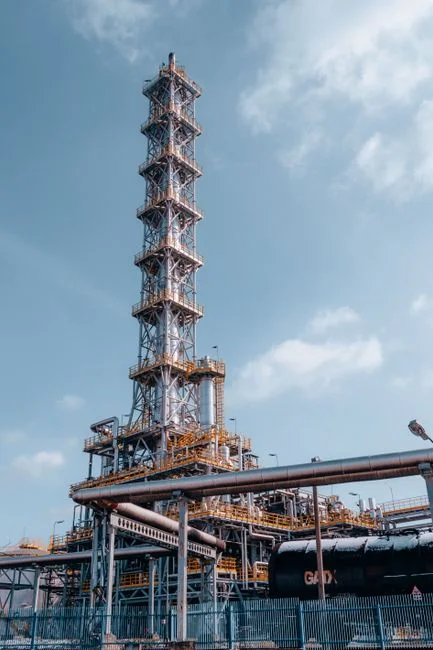
The full flowsheet sequences a rotary screen or drum filter for coarse solids, a DAF unit for free FOG, pH adjustment to 6.5–7.5, UF, and finally an RO polishing step for reuse or ZLD targets. DAF must precede UF in edible-oil and meat plants to drop free FOG before it blinds the membrane; running UF on raw refinery wastewater collapses flux within hours because free oil coats the membrane surface faster than cross-flow can remove it. For high-COD edible-oil streams, micellar-enhanced UF with linear alkylbenzene sulfonate (LAS) surfactant has demonstrated 98% turbidity reduction, 95.7% oil and grease reduction, 84.7% COD reduction, 90.6% electrical conductivity reduction, and 90.7% TDS reduction on real processing wastewater (per micellar-enhanced UF study, 2024). Without surfactant dosing, plain UF on emulsified oily feeds achieves >99% oil rejection at 61 GFD steady-state flux, but the COD and conductivity reductions are lower because free organics remain in true solution (per Synder Filtration case study, 2024). LAS outperformed SDS on every indicator in the 2024 study, so a process engineer specifying a micellar-enhanced stage should default to LAS and run bench confirmation on the actual refinery stream before committing to surfactant inventory. Recovery above 80–85% is rarely economic on this duty because flux decline turns exponential as cross-flow concentration approaches the protein/fat gel point; chasing the last 5% of recovery roughly doubles membrane area, which is an inefficient use of CAPEX. The operating envelope below is the datasheet baseline.
| Process Step | Function | Key Parameters | Typical Removal |
|---|---|---|---|
| Rotary screen / drum filter | Coarse solids removal | 0.5–2 mm aperture | Bulk trash, fibrous solids |
| DAF | Free FOG and floatables | 15–25% recycle, 4–6 bar saturator | 60–90% free oil before emulsified phase |
| pH adjustment | Optimize UF performance | 6.5–7.5 with NaOH or H₂SO₄ | Prevents phospholipid re-emulsification |
| UF (10–30 kDa PVDF) | Emulsified oil, colloids, proteins | 0.5–2 bar TMP, 20–80 LMH, 1–3 m/s CFV, ≤40 °C | >99% oil; TDS <500 mg/L permeate |
| RO (optional) | Reuse or ZLD pre-feed | 10–15 bar, 65–75% recovery | Polishes UF permeate to boiler/cooling spec |
Temperature, Fouling and CIP
The temperature anchor on edible-oil UF is 40 °C; every 10 °C above this mark roughly halves PVDF membrane life expectancy, so the design loop should treat 40 °C as a ceiling (per broader food-plant UF engineering guide, 2026). Above 50 °C, irreversible flux decline appears within weeks even on properly pretreated feed. Four fouling modes occur on this duty and each requires a specific chemical response: cake formation from protein and phospholipid concentrates, pore blocking from emulsified fat droplets, adsorption of surfactants and pigments onto PVDF surfaces, and biological fouling from oil- and protein-fed biofilms. A defensible CIP regime runs in three steps. Alkaline wash at pH 11–12 (typically NaOH at 50–60 °C) hydrolyses proteins and saponifies residual fats to perform the bulk of the recovery. Acid wash at pH 2 (typically citric or nitric) removes mineral scale and breaks protein-mineral complexes. Enzymatic cleaners — lipase and protease blends — handle residual biofilm, particularly in plants running below the design temperature or with long CIP intervals. Air-scour backwash at 0.5–1.0 Nm³/m²·h between CIP cycles keeps flux recovery above 90% on PVDF hollow-fibre, and a PLC-controlled chemical dosing skid tied to UF run-hours maintains CIP consistency across shifts. Realistic membrane life is 3–5 years with proper pretreatment and CIP, dropping to 1–2 years when DAF and screening are inadequate.
CAPEX, OPEX and 2026 Sizing Checklist
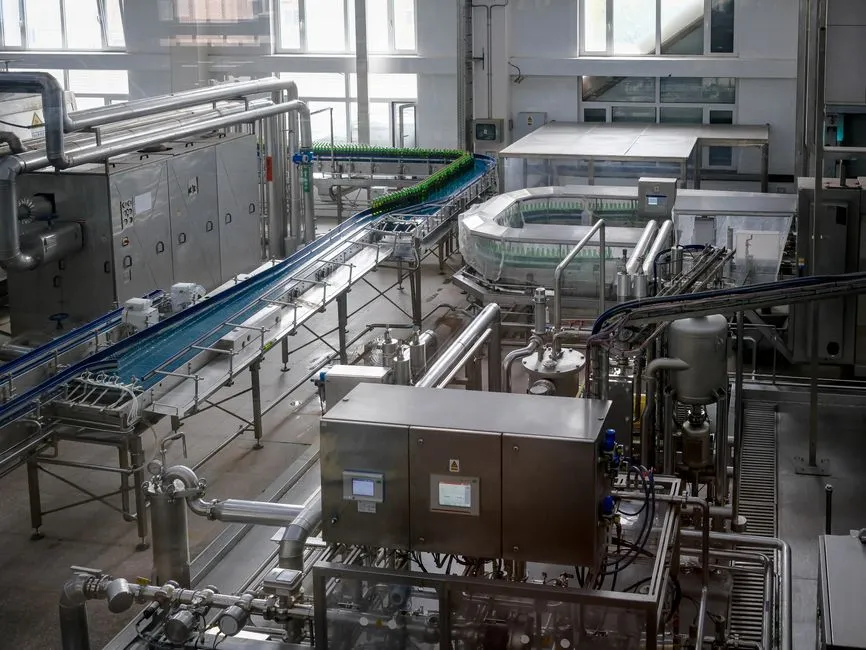
A typical food-plant UF CAPEX split runs 35–45% on membranes and modules, 20–25% on skids and piping, 10–15% on controls and instrumentation, and 15–20% on installation and commissioning (per broader food-plant UF engineering guide, 2026). OPEX includes energy at 1–3 kWh/m³ permeate, CIP chemicals, membrane replacement on a 3–5 year cycle, and labor that drops to one shift-hour per day once CIP and dosing are automated. UF permeate at TDS <500 mg/L is suitable as RO feed for cooling-tower make-up, boiler feed, or any PFAS-aware reuse loop; however, standard UF does not reject short-chain PFAS such as PFOA and PFOS. UF still belongs in a 2026 PFAS train because it strips the emulsified oils, proteins and surfactants that would otherwise foul high-pressure RO membranes, which is where the actual PFAS rejection happens. For 2026 reuse and ZLD projects, the defensible spec is UF → RO, or UF → NF → RO where divalent salt reduction is also a target. The edible-oil UF process guide covers the downstream RO/NF sizing in more detail. Buyers should also specify spare UF membrane elements from a second supplier to avoid the spare-part bottleneck that comes with the Koch/Dow duopoly (per Al Aani et al., 2020). The sizing checklist below is the minimum set of values a project engineer should put into a 2026 datasheet.
| Parameter | Spec / Value | Source / Driver |
|---|---|---|
| Pore size / MWCO | 0.01–0.1 µm / 10–30 kDa PVDF hollow-fibre | Food-plant UF guide, 2026 |
| Flux window | 20–80 LMH | Food-plant UF guide, 2026 |
| TMP / cross-flow | 0.5–2 bar / 1–3 m/s | Food-plant UF guide, 2026 |
| Temperature ceiling | 40 °C (50 °C hard limit) | PVDF life halving per 10 °C |
| Recovery cap | 80–85% | Protein/fat gel point economics |
| Energy | 1–3 kWh/m³ permeate | Food-plant UF guide, 2026 |
| Membrane life | 3–5 years (with CIP), 1–2 years (without) | Food-plant UF guide, 2026 |
| Reuse path | UF → RO or UF → NF → RO | 2026 reuse / ZLD target |
Frequently Asked Questions
What pore size and MWCO should a vegetable processing wastewater UF system use?
Specify 0.01–0.1 µm pore size on 10–30 kDa PVDF hollow-fibre at 0.5–2 bar TMP, 20–80 LMH flux, and 1–3 m/s cross-flow velocity (per broader food-plant UF engineering guide, 2026). Tighter 5–10 kDa cuts triple the fouling rate with almost no extra oil rejection on this duty.
Is DAF required upstream of UF on edible-oil and snack-plant wastewater?
DAF is required upstream of UF in edible-oil and meat plants to drop free FOG before it blinds the membrane; running UF on raw refinery wastewater collapses flux within hours. UF then protects downstream RO from the TSS and oil loading that RO cannot tolerate (per broader food-plant UF engineering guide, 2026).
Frequently Asked Questions
What pore size UF membrane is best for vegetable oil wastewater?
For vegetable processing wastewater containing emulsified oils and suspended solids, a nominal pore size range of 0.01 to 0.05 microns is optimal. This ultrafiltration range effectively rejects macromolecules and oil droplets while allowing water and dissolved salts to pass, ensuring a permeate turbidity typically below 0.5 NTU.
Does DAF have to be installed before ultrafiltration?
Yes, Dissolved Air Flotation (DAF) is considered a critical pretreatment step for vegetable processing wastewater. Without DAF to reduce the influent oil and grease (O&G) concentrations to below 50 mg/L and total suspended solids (TSS) to below 100 mg/L, UF membranes will experience rapid irreversible fouling and frequent flux decline.
Can ultrafiltration remove oil and grease from vegetable processing wastewater?
Ultrafiltration is highly effective at removing emulsified oil and grease, consistently achieving removal efficiencies exceeding 95% to 99%. By operating under a cross-flow velocity of 1.0 to 2.0 meters per second, the system prevents the formation of a dense oil cake layer on the membrane surface, allowing the permeate to meet discharge standards for O&G.
How long do PVDF UF membranes last in food plant duty?
When properly maintained with rigorous Clean-in-Place (CIP) protocols using alkaline and acidic agents, Polyvinylidene Fluoride (PVDF) membranes typically have a service life of 3 to 5 years. Their high chemical and mechanical resistance allows them to withstand the aggressive cleaning cycles required to remove organic vegetable residues and biofilm accumulation.
Can UF permeate be reused as cooling tower make-up water?
Yes, UF permeate is an excellent candidate for cooling tower make-up water, provided the system includes post-treatment for hardness and alkalinity. Because UF removes essentially all suspended solids and pathogens, it significantly reduces the scaling and biological fouling potential in cooling systems, often requiring only minor anti-scalant dosing to be fully compatible with industrial water loops.