The Hidden Crisis of Hospital Wastewater in Cameroon
Hospital wastewater treatment in Cameroon remains largely inadequate, with studies showing 44.9 kg/day of medical waste per facility in Buea and untreated effluent contaminating groundwater with antimicrobial-resistant pathogens. Current systems lack proper segregation, disinfection, and regulatory enforcement. Effective solutions include compact, automated treatment units combining biological processing and ozone or chlorine dioxide disinfection to meet discharge standards safely and affordably.
The scale of the problem is significant. Research from Cameroon's Southwestern Region indicates that healthcare facilities generate an average of 44.9 kg of medical waste per day, with a substantial 16% classified as infectious. Despite this, only a fraction of these facilities possess functional wastewater treatment systems. The majority discharge untreated effluent directly into municipal drainage systems or the surrounding soil. This practice has dire consequences for public health and the environment. Studies have documented elevated levels of antimicrobial-resistant P. aeruginosa in groundwater near urban hospitals, a clear indicator of the direct link between inadequate wastewater management and the spread of dangerous pathogens. Common practices like open dumping and poorly maintained incineration point to a systemic failure in enforcing existing regulations, such as the 2012 ministerial order on medical waste management. The lack of proper treatment infrastructure means these facilities are inadvertently contributing to a growing public health crisis, exacerbating the challenge of antibiotic resistance and posing risks to local communities. Addressing this hidden crisis requires immediate attention and implementable solutions. For more context on similar challenges in other African urban centers, see our analysis on hospital wastewater challenges in African urban centers.
What Makes Hospital Wastewater Different—and Dangerous
Hospital wastewater is not akin to domestic sewage; it is a complex cocktail of biological and chemical contaminants that demands specialized treatment. The effluent discharged from healthcare facilities contains a unique and potent mix of pathogens, including bacteria, viruses, and fungi, many of which can be highly resistant to conventional treatments. Beyond microbial threats, hospital wastewater is laden with pharmaceutical residues, such as antibiotics, hormones, and cytotoxic drugs, which can persist in the environment and contribute to antimicrobial resistance. Disinfectants, heavy metals from laboratory processes and radiology, and various other chemicals further complicate the treatment process. Consequently, hospital effluent typically exhibits higher Biological Oxygen Demand (BOD) and Chemical Oxygen Demand (COD) compared to domestic sewage, reflecting the significant organic load from blood, bodily fluids, and cleaning agents. Typical influent characteristics can range from BOD of 200–600 mg/L and COD of 400–1200 mg/L, with Total Suspended Solids (TSS) between 150–400 mg/L and fecal coliform counts often exceeding 106 MPN/100mL. The presence of antibiotic-resistant genes (ARGs) in this wastewater is a growing concern, as it actively contributes to the global spread of "superbugs." Effective medical wastewater disinfection is therefore paramount to mitigate these risks.
The elevated concentrations of these contaminants necessitate robust treatment strategies. Standard municipal wastewater treatment plants are often ill-equipped to handle the specific pollutants found in hospital effluent. For instance, pharmaceutical residues can disrupt biological treatment processes or pass through untreated, re-entering the environment. The high pathogen load requires effective disinfection methods that go beyond simple chlorination, which can be less effective against certain resistant strains and can generate harmful disinfection byproducts. The high BOD and COD mean that significant organic matter must be removed to prevent oxygen depletion in receiving water bodies and to meet environmental discharge standards. Specialized treatment systems, such as those designed for medical wastewater, are essential. These systems often integrate advanced biological processes with potent disinfection technologies. To understand the technical specifications of such systems, explore our medical wastewater treatment solutions.
Cameroon’s Regulatory Framework: Gaps and Enforcement Challenges
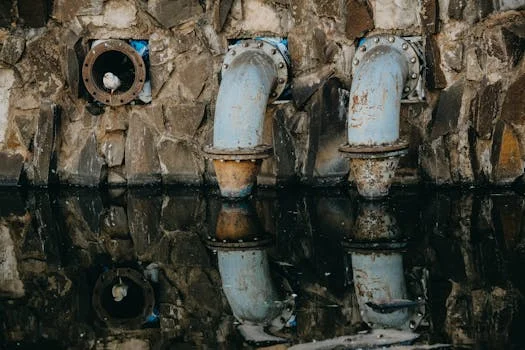
Cameroon's regulatory landscape for medical waste management, while existing, presents significant gaps and enforcement challenges, particularly concerning wastewater. The 2012 Ministerial Order provides a framework for the classification, handling, and disposal of medical and pharmaceutical waste.
The practical implementation of these regulations is further hampered by limited monitoring capacity, especially at regional and rural hospitals. Environmental agencies often lack the resources and personnel to conduct regular and thorough inspections, leading to a de facto situation where non-compliance goes unchecked. Municipal wastewater utilities in many Cameroonian cities are not equipped to handle or treat the complex and potentially hazardous wastewater streams that might be discharged from healthcare facilities if they were to be connected to the public sewer system. This lack of specialized infrastructure means that even if hospitals were mandated to treat their wastewater, the downstream capacity to accept and further treat it is often insufficient. This situation underscores the need for on-site, self-contained hospital effluent treatment systems that can guarantee compliance regardless of municipal infrastructure limitations. For a broader understanding of compliance and costs in similar contexts, consider our analysis on hospital wastewater treatment systems, compliance, and costs.
Step-by-Step Approach to Implementing Hospital Wastewater Treatment
Implementing an effective hospital wastewater treatment system in Cameroon requires a structured, phased approach that accounts for local realities, including potential infrastructure limitations and staffing shortages.
- Conduct a Wastewater Audit: The first critical step is to thoroughly characterize the wastewater generated. This involves sampling and analyzing effluent over a minimum of seven days to determine average and peak flow rates, pH, BOD, COD, TSS, and, crucially, pathogen load. This data is essential for accurately sizing treatment equipment and selecting appropriate technologies.
- Segregate Waste Streams: Not all wastewater from a hospital is the same. It is imperative to segregate highly concentrated or hazardous streams, such as those from laboratories (containing chemicals and heavy metals), radiology departments (radioactive isotopes), and pharmacies (pharmaceutical residues). These streams often require specialized pre-treatment or separate disposal routes to prevent them from overwhelming or contaminating the main wastewater treatment system.
- Select Appropriate Treatment Technology: The choice of treatment system should be based on the hospital's size and daily wastewater volume. For smaller clinics or facilities generating less than 10 m³/day, compact, automated units like the compact automated hospital wastewater treatment system are ideal. For medium to large regional hospitals with higher flow rates (10–80 m³/day), a more robust solution like an underground integrated plant, such as the fully automated underground wastewater plant for hospitals (WSZ series), would be more suitable.
- Incorporate Effective Disinfection: Disinfection is a non-negotiable final step to eliminate harmful pathogens. While chlorine is common, it can form toxic disinfection byproducts (DBPs) and may be less effective against certain resistant microorganisms. Ozone (O₃) or Chlorine Dioxide (ClO₂) are preferred for hospital wastewater due to their superior efficacy, faster reaction times, and lower DBP formation.
- Install Automatic Controls: To mitigate the impact of potential operator dependency and staffing shortages prevalent in some regions, opt for systems with advanced automatic controls. These systems can manage treatment processes, monitor effluent quality, and alert operators to issues, thereby reducing the need for constant manual oversight and ensuring consistent performance.
- Train Local Staff: Comprehensive training for local maintenance and operational staff is vital for the long-term success of any treatment system. This training should cover routine maintenance, safety protocols, and troubleshooting, ideally supported by visual Standard Operating Procedures (SOPs) and clear manuals.
This systematic approach ensures that the implemented hospital effluent treatment system is not only technically sound but also sustainable and manageable within the Cameroonian context. The following table outlines key parameters and technology choices:
| Parameter | Typical Influent Range (mg/L) | Target Effluent Standard (WHO Guidelines/General) | Recommended Treatment Process | Technology Example |
|---|---|---|---|---|
| Flow Rate | Variable (e.g., 5-100 m³/day) | N/A (depends on receiving body) | Flow equalization | Integrated plant design |
| BOD₅ | 200–600 | < 30 | Aerobic biological treatment (e.g., SBR, MBR, A/O) | WSZ Series (A/O process) |
| COD | 400–1200 | < 100 | Aerobic biological treatment | WSZ Series |
| TSS | 150–400 | < 30 | Sedimentation, filtration | WSZ Series (sedimentation), DAF (for high FOG) |
| Pathogens (e.g., Fecal Coliforms) | > 106 MPN/100mL | < 1000 MPN/100mL (or disinfection goal) | Disinfection | Ozone, Chlorine Dioxide |
| Pharmaceuticals/ARGs | Trace to significant | N/A (difficult to regulate) | Advanced Oxidation Processes (AOPs), activated carbon | Integrated into advanced systems |
Recommended Treatment Technologies for Cameroonian Hospitals
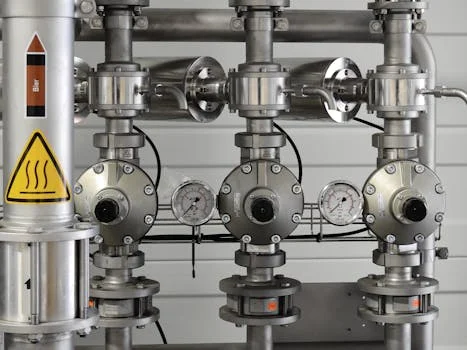
Selecting the right treatment technology is crucial for ensuring effective and sustainable hospital wastewater treatment in Cameroon. HydropureWater offers a range of solutions tailored to different facility sizes and operational needs, focusing on efficiency, automation, and robust disinfection.
For small clinics, dispensaries, or health posts with limited space and staff, the Medical Wastewater Treatment System is an excellent choice. This system is remarkably compact, often requiring a footprint as small as 0.5 m², and operates fully automatically. It integrates biological treatment with advanced ozone disinfection, eliminating the need for chemical dosing and reducing operational complexity. This makes it an ideal solution for remote areas or facilities with minimal technical expertise. For regional hospitals and larger healthcare complexes that generate between 10 to 80 m³ of wastewater per day, the WSZ Series Underground Integrated Plant offers a comprehensive solution. These plants combine multiple treatment stages, including anaerobic-oxic (A/O) biological treatment for high BOD/COD reduction, sedimentation for solids removal, and integrated disinfection. Their underground installation saves valuable above-ground space and provides a discreet, robust treatment solution.
The selection of appropriate technologies directly impacts the BOD reduction in hospital effluent, the overall reliability of medical wastewater disinfection, and the long-term compliance of the healthcare facility. For detailed insights into cost-effectiveness and return on investment for clinic wastewater treatment, refer to our clinic wastewater treatment cost and ROI guide.
| Facility Size / Flow Rate | Recommended System | Key Features | Disinfection Method | Footprint / Installation |
|---|---|---|---|---|
| Small Clinics (< 10 m³/day) | Medical Wastewater Treatment System | Compact, fully automated, low operator dependency | Ozone (O₃) | Small footprint (e.g., 0.5 m²), above ground |
| Regional Hospitals (10–80 m³/day) | WSZ Series Underground Integrated Plant | Integrated A/O biological treatment, sedimentation, robust | Ozone (O₃) or Chlorine Dioxide (ClO₂) | Underground installation, space-saving |
| Hospitals with High FOG/TSS | DAF (pre-treatment) | Efficient removal of FOG and suspended solids | N/A (pre-treatment) | Modular, can be integrated |
| Larger Facilities Requiring High-Efficacy Disinfection | <