The State of Hospital Wastewater in Addis Ababa
Hospital wastewater treatment in Addis Ababa faces critical gaps, with 30 tested samples from four hospitals showing pathogenic contamination and no centralized disinfection. Only 0.48 kg/bed/day of waste is managed, but effluent often bypasses treatment. Effective solutions require compact, automated systems with 99%+ disinfection to meet public health standards. The city's healthcare capacity has expanded significantly over the last decade, but the infrastructure for hospital effluent treatment has not kept pace, leading to a fragmented and under-regulated management environment.
Data from virological testing in Addis Ababa indicates hospital wastewater is a primary source of environmental contamination. Of 30 wastewater samples collected from four major hospitals, nearly all showed the presence of enteric viruses and other pathogens, suggesting a high public health risk for downstream users (ScienceDirect, 2019). Most facilities lack secondary or tertiary treatment stages, meaning medical wastewater disinfection is virtually non-existent before the water leaves the facility grounds. Effluents are frequently discharged directly into municipal sewers or, in many cases, into open surface water channels that feed into the Little Akaki and Big Akaki rivers.
The average generation rate of 0.48 kg/bed/day of solid healthcare waste is often cited in municipal reports, yet the liquid waste component—which is far greater in volume—remains largely unmonitored. Urban rivers in Addis Ababa show significant downstream contamination linked to untreated hospital discharge, with fecal coliform counts exceeding WHO safety limits by several orders of magnitude. This situation creates a cycle of infection, as river water is often used for small-scale urban irrigation in the outskirts of the city, potentially reintroducing hospital-acquired pathogens into the food supply.
Why Hospital Wastewater Is Different and Dangerous
Hospital wastewater contains antibiotics, pharmaceutical residues, disinfectants, and antibiotic-resistant bacteria (ARBs) not typically found in municipal sewage at such high concentrations. Unlike domestic waste, which is primarily organic, medical effluent is a complex cocktail of Active Pharmaceutical Ingredients (APIs) and chemical reagents. These substances can disrupt biological processes used in standard municipal treatment plants, rendering them ineffective if hospital waste is not pre-treated on-site.
The prevalence of pathogens like enteric viruses and fecal coliforms is particularly high in Addis Ababa during diarrheal illness outbreaks. Hospitals concentrate infected individuals, making their wastewater a concentrated source of infectious agents. Conventional septic tanks, common in Ethiopian clinics, are designed for solids settling but do not provide the necessary retention time or chemical environment to inactivate resistant microbes or remove micropollutants. Without on-site treatment, these contaminants enter the ecosystem unabated.
Disinfectants like glutaraldehyde and quaternary ammonium compounds in hospital waste can inhibit natural bacterial flora in municipal sewers, leading to reduced breakdown of organic matter. The long-term threat is the spread of antibiotic resistance. When low levels of antibiotics are constantly present in wastewater, it creates a selection pressure favoring "superbugs." These ARBs can transfer resistance genes to other bacteria, a process municipal systems are not designed to mitigate.
Key Challenges in Addis Ababa’s Healthcare Facilities
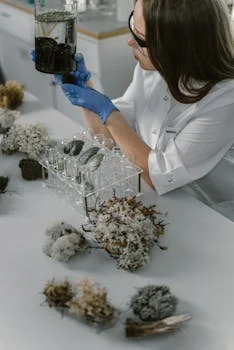
Most healthcare facilities in Addis Ababa rely on septic tanks with no disinfection stage, representing a significant lack of dedicated treatment infrastructure. These tanks manage to settle out some suspended solids but provide zero protection against dissolved pharmaceuticals or viral pathogens. For facility managers, transitioning from passive septic systems to active treatment plants is often hindered by the perceived complexity of modern systems and the lack of specialized personnel.
Operational stability is another major hurdle. Intermittent power supply in certain districts and a limited pool of technical staff make operating complex systems difficult. Many hospitals fear investing in a treatment plant will lead to "stranded assets" if the system breaks down and cannot be repaired locally. An urgent need exists for automated medical treatment systems requiring minimal manual intervention and handling fluctuations in power and flow without losing biological equilibrium.
Regulatory enforcement also remains a barrier. The Ethiopian Environmental Protection Authority (EPA) and WHO provide guidelines for water quality, but there is currently no strict enforcement of effluent discharge standards for medical facilities. Without a clear compliance pathway or the threat of fines, many administrators prioritize other clinical needs over wastewater management. As Addis Ababa moves toward more stringent urban planning, facilities implementing early solutions will avoid high costs of emergency retrofitting.
Space constraints in urban hospitals, particularly those in densely populated areas like Arada or Piazza, limit the installation of large, traditional concrete treatment plants. Facilities often lack land area for open-air lagoons or massive aerobic digesters. Consequently, the market requires compact sewage treatment for clinics that can be installed in basements, parking lots, or buried underground to maximize available space while meeting environmental targets.
Proven Technologies for Medical Wastewater Treatment
Biological systems like A/O (anoxic/aerobic) processes achieve 85–90% BOD and COD reduction, suitable for moderate organic loads in Ethiopian hospitals. These systems effectively remove nitrogen and phosphorus, key drivers of eutrophication in Addis Ababa’s river systems. For facilities with more space, a fully automated underground A/O treatment plant for hospitals provides a robust solution handling high volumes of laundry and kitchen waste alongside clinical effluent.
For hospitals requiring high effluent purity, Membrane Bioreactors (MBR) are the gold standard. MBR technology combines biological treatment with microfiltration, delivering effluent quality with particles smaller than 1 μm. This is ideal for facilities reusing treated water for landscaping or toilet flushing or discharging into sensitive environments. Implementing an integrated MBR wastewater treatment system ensures even persistent pathogens and suspended solids are physically removed from the waste stream.
Disinfection is critical for medical waste. Ozone and chlorine dioxide disinfection provide 99%+ pathogen inactivation without harmful byproducts. Ozone is effective at breaking down complex pharmaceutical molecules that biological processes might miss. For smaller facilities, a compact automated hospital wastewater system with ozone disinfection is the most efficient choice, generating disinfectant on-site and requiring no chemical handling by staff.
| Technology Type | Pathogen Removal | Footprint Required | Automation Level | Best Use Case |
|---|---|---|---|---|
| A/O Biological | 80-90% | Medium | High | General hospitals (50-200 beds) |
| MBR (Membrane) | 99.9% | Small | Very High | Water reuse & high-compliance zones |
| Ozone | 99.99% | Ultra-Small | Full (Plug-and-Play) | Urban clinics & specialized labs |
| Septic + Chlorine | 60-70% | Large | Low (Manual) | Temporary or low-resource settings |
Comparing these technologies to modular hospital treatment systems in developing urban areas shows moving toward containerized or prefabricated units significantly reduces installation time and civil engineering costs. These systems are pre-tested and calibrated, ensuring they meet design specs upon connection to the facility’s plumbing.
How to Choose the Right System for Your Facility
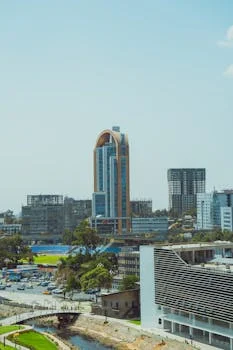
Selecting a treatment system depends on bed capacity, available space, and specific regulatory targets. For facilities under 50 beds, like private clinics or diagnostic centers, focus on "plug-and-play" units. The compact medical wastewater system is designed for these contexts, offering a footprint of less than 0.5 m² and utilizing ozone for pathogen removal in hospital effluent without large tanks or complex plumbing. These units are often cost-effective for urban centers with high land value.
Hospitals with 50–200 beds require more robust, modular solutions like the WSZ Series. These systems offer capacities from 1 to 80 m³/h and can be installed as fully automated underground A/O treatment plant for hospitals. Burying the plant preserves surface space for parking or clinical expansions while maintaining high-performance biological treatment. Modularity allows for scaling; a hospital can start with one module and add another as bed capacity increases, common in Addis Ababa’s healthcare sector.
Compliance should drive the selection process. Aligning with international standards like the EU Urban Waste Water Directive 91/271/EEC or WHO guidelines (fecal coliforms <100 CFU/100mL) ensures long-term viability. Decision-makers should prioritize systems offering remote monitoring and automated alerts, compensating for limited on-site technical expertise and ensuring compliance during heavy use.
Consider the total cost of ownership, not just initial capital expenditure. Systems with high automation and chemical-free disinfection have lower operational expenses (OPEX) due to no dedicated operators or chemical refills. This makes them sustainable in the Ethiopian context, where supply chains for specialized water treatment chemicals can be unreliable. Similar trends are seen in hospital wastewater solutions in East African urban centers, where modularity and low maintenance are key to long-term project success.
Frequently Asked Questions
Does Addis Ababa have a centralized hospital wastewater treatment system?
No, Addis Ababa does not have a centralized system specifically for hospital wastewater. Most healthcare facilities rely on individual septic tanks or discharge directly into the municipal sewer system, which often lacks advanced treatment stages necessary to remove medical micropollutants and pathogens.
What is the best disinfection method for hospital effluent in low-resource settings?
Ozone or chlorine dioxide systems offer high-efficiency disinfection (99%+) and are fully automated, eliminating safety risks and logistical challenges of handling liquid chlorine or manual dosing.
Can small clinics treat wastewater on-site effectively?
Yes. Compact, prefabricated systems handle 1–5 m³/day of effluent. Designed for small spaces, they provide 99%+ pathogen removal with zero daily operator input, ideal for urban clinics.
Are there regulations for hospital wastewater in Ethiopia?
While national standards specifically for hospital effluent are not strictly enforced, the Ethiopian EPA follows general water quality guidelines. To ensure future compliance, hospitals are encouraged to follow WHO and international standards for fecal coliforms and BOD levels.
How much does a hospital wastewater treatment system cost in Ethiopia?
Modular systems typically range from $15,000 to $60,000, depending on treatment capacity and technology (A/O vs. MBR). Compact, automated units often offer the lowest total cost of ownership due to reduced labor and chemical requirements.
Further Reading
Explore these in-depth articles on related wastewater treatment topics: