A clinic wastewater treatment manufacturer specializes in compact, fully automated systems like HydropureWater’s, which uses ozone disinfection to achieve 99%+ pathogen kill without chemicals. Designed for dental, veterinary, and outpatient clinics, these units meet EPA and EU Urban Waste Water Directive 91/271/EEC standards with a footprint as small as 0.5 m² and no secondary pollution. As healthcare decentralizes, the need for localized, efficient, and low-maintenance wastewater solutions has become a priority for facility managers and environmental engineers alike. These systems provide a critical barrier between clinical operations and the public sewer system, ensuring that hazardous biological and chemical agents are neutralized at the source.
Why Clinic Wastewater Requires Specialized Treatment
Clinic effluent contains concentrations of pharmaceutical residues, bloodborne pathogens, and chemical disinfectants that are typically 10 to 50 times higher than standard domestic sewage. Municipal treatment plants are designed to handle large volumes of organic matter, but often lack the specialized tertiary treatment stages required to neutralize the persistent antibiotics and viral loads found in medical drainage. For facilities generating under 80 m³/day, maintaining compliance with the EU Urban Waste Water Directive 91/271/EEC and EPA guidelines without the infrastructure of a large-scale hospital is a challenge. The complexity of this waste stream requires a sophisticated approach to oxidation and filtration that standard septic or municipal systems cannot provide.
The Complexity of Medical Contaminants
Small medical facilities, including dental offices and veterinary hospitals, produce wastewater with unique characteristics. Dental clinics contribute mercury and high-suction particulate matter, while veterinary clinics introduce zoonotic pathogens and high concentrations of animal hair and dander. These contaminants cannot be discharged directly into public sewers without pretreatment. In many jurisdictions, failure to pretreat effluent to meet BOD (Biochemical Oxygen Demand) and COD (Chemical Oxygen Demand) limits can result in heavy fines or the suspension of operating licenses. Understanding the real-world clinic wastewater treatment cost and ROI data is essential for facility managers balancing these regulatory demands with operational budgets. The presence of "Emerging Contaminants of Concern" (ECCs), such as endocrine disruptors and antibiotic-resistant bacteria (ARB), poses a significant threat to local biodiversity if left untreated.
Regulatory Standards and Compliance
Compliance is a legal requirement that varies by region but shares a common goal: protecting public health. The EPA’s Clean Water Act and the EU Directive 91/271/EEC mandate strict limits on the discharge of hazardous substances into urban sewer systems. The following table illustrates typical target parameters for treated clinic wastewater compared to raw clinical effluent:
| Parameter | Raw Clinic Effluent (Typical) | Treated Target (Regulatory Standard) |
|---|---|---|
| Biochemical Oxygen Demand (BOD5) | 200–500 mg/L | < 20 mg/L |
| Chemical Oxygen Demand (COD) | 400–1000 mg/L | < 60 mg/L |
| Suspended Solids (SS) | 150–400 mg/L | < 20 mg/L |
| Fecal Coliforms | 10^6 – 10^8 CFU/100ml | < 100 CFU/100ml |
| pH Level | 5.5 – 9.5 | 6.5 – 8.5 |
The Challenge of Small-Scale Management
The small flow volumes typical of outpatient settings—ranging from 1 to 10 m³/day—demand a system that is both compact and fully automated. Unlike municipal plants that employ full-time operators, a dental office wastewater system must function autonomously. Advanced systems now integrate automated sensors that monitor flow and adjust disinfection rates in real-time, ensuring that even during peak hours, the effluent remains within safe microbiological limits. This automation eliminates the risk of human error, which is the leading cause of compliance failure in smaller healthcare settings. Additionally, these systems must be designed for quiet operation and low vibration, as they are often installed in basements or utility closets directly adjacent to patient treatment rooms.
Ozone vs Chlorine: Disinfection for Medical Facilities
Ozone disinfection eliminates 99.9% of bacteria, viruses, and cysts in clinic wastewater without producing trihalomethanes (THMs) or other carcinogenic byproducts regulated under the EU Drinking Water Directive 98/83/EC. In the medical environment, the choice of disinfection method directly impacts both patient safety and the long-term integrity of the local aquatic ecosystem. Traditional chlorine-based systems present significant logistical and environmental drawbacks that modern ozone-based technology has effectively rendered obsolete for small-scale applications.
The Mechanism of Ozone Oxidation
Ozone (O3) is one of the most powerful oxidants available for water treatment. It works through a process called cell lysing, where the ozone molecule ruptures the cell wall of the microorganism, leading to immediate deactivation. Ozone reacts almost instantaneously, allowing for smaller contact tanks and contributing to the compact footprint of modern clinic units. Ozone is highly effective at breaking down complex organic molecules, including pharmaceutical residues like ibuprofen, antibiotics, and hormonal contraceptives.
Comparing Efficiency and Safety
When evaluating disinfection methods, clinic managers must consider not only the efficacy of the pathogen kill but also the safety of the staff and the surrounding community. Chlorine gas or high-concentration liquid bleach requires careful storage, specialized ventilation, and poses a risk of toxic leaks. Ozone, conversely, is generated on-site from ambient air or concentrated oxygen. Any residual ozone that is not consumed in the treatment process naturally reverts back to pure oxygen (O2) within minutes, leaving no toxic residue in the water.
- Residual Toxicity: Chlorine leaves residual chemicals that can harm aquatic life; Ozone leaves only dissolved oxygen.
- Pathogen Range: Ozone is significantly more effective than chlorine at neutralizing Cryptosporidium and Giardia cysts.
- Operational Complexity: Chlorine requires constant chemical replenishment and dosage calibration; Ozone systems are largely "set and forget" with periodic generator maintenance.
- Byproduct Formation: Chlorine reacts with organic matter to form THMs and HAAs (Haloacetic Acids); Ozone produces no such harmful byproducts in standard clinic applications.
Operational Safety and Byproduct Management
The absence of secondary pollution is a major selling point for ozone-based systems. In a clinic setting, where air quality and chemical odors are strictly controlled, the use of chlorine can introduce unpleasant smells and potential respiratory irritants. Ozone systems operate in a closed-loop or vacuum-monitored environment, ensuring that the gas remains contained within the treatment chamber. Because ozone is generated electrically, there is no need for a supply chain of hazardous chemicals, reducing the facility's carbon footprint and simplifying its hazardous materials management plan.
Related Equipment
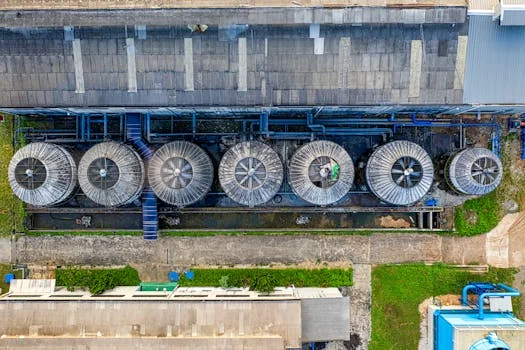
The following HydropureWater products are engineered for the wastewater challenges discussed above:
- compact ozone-based clinic wastewater treatment unit — view specifications, capacity range, and technical data
A customized solution can be requested with a free quote with your specific flow rate and pollutant parameters. These systems are typically constructed from high-grade corrosion-resistant materials such as 304 or 316L stainless steel or reinforced PVC to ensure a service life exceeding 10 years even in harsh chemical environments.
Technical Specifications and Design
A standard compact unit is designed with a multi-stage approach. First, a mechanical filtration stage removes larger solids and hair. This is followed by an equalization tank that buffers the flow, preventing the system from being overwhelmed during peak morning or afternoon hours. The heart of the system is the ozone contact chamber, where high-concentration ozone is micro-bubbled into the water. Finally, an activated carbon or multi-media filter may be used to polish the water, removing any remaining odors or trace organics before discharge.
Automation and Maintenance
Modern equipment features PLC (Programmable Logic Controller) systems with touch-screen interfaces. These controllers monitor the health of the ozone generator, the flow rate of the incoming wastewater, and the status of the lift pumps. If a fault is detected—such as a power failure or a pump blockage—the system can trigger an audible alarm or send a notification to a building management system. Maintenance is generally limited to quarterly inspections of the air intake filters and annual servicing of the ozone dielectric tubes, making it ideal for clinics without dedicated engineering staff.
Further Reading
These in-depth articles on related wastewater treatment topics ensure your facility remains at the forefront of environmental safety and technological efficiency:
- maintenance protocol for buried wastewater units
- Understanding Advanced Oxidation Processes (AOP): A technical deep dive into how ozone and UV work together to destroy recalcitrant pollutants.
- The Economic Impact of On-Site Treatment: How decentralized systems reduce long-term sewage surcharges and municipal compliance costs.
By implementing a robust, automated treatment strategy, clinics can focus on their primary mission—patient care—while fulfilling their ethical and legal obligations to protect the environment. Whether you are upgrading an existing dental office or designing a new veterinary hospital, choosing the right wastewater manufacturer is the first step toward a sustainable future.