The Swedish Commitment: Textile Industry & Water Stewardship in 2026
The global textile industry is responsible for approximately 20% of global water pollution, ranking as the second-largest polluter behind the oil industry (source: Sustainability, 2024). In Sweden, this environmental footprint is managed through the Sweden Textile Water Initiative (STWI), a collaborative framework launched in 2010 by Swedish retail leaders and the Stockholm International Water Institute (SIWI). The STWI guidelines, updated through 2017 and actively applied in 2026, establish a hierarchy where pollution prevention is prioritized over end-of-pipe treatment to maximize economic and environmental efficiency (source: STWI Guidelines, 2017).
STWI core principles focus on three pillars: water efficiency, water pollution prevention, and wastewater treatment. By reducing chemical and water consumption at the source, facilities lower operational costs and reduce the hydraulic load on treatment systems. The STWI framework designates "Level 3 Achiever Suppliers" as industry leaders who mandate the use of Best Available Techniques (BAT) to phase out hazardous substances and implement water reuse strategies. For manufacturers operating in or supplying to the Swedish market in 2026, compliance goes beyond simple discharge monitoring; it requires a proactive commitment to minimizing ecological loads and adhering to stringent water quality standards as part of a broader European textile wastewater treatment regulation context.
Characterizing Textile Wastewater: Key Pollutants and Treatment Challenges
Textile manufacturing utilizes over 8,000 distinct chemical species during processing, necessitating a complex, multi-stage approach to effluent treatment (source: Sustainability, 2024). The wastewater stream is characterized by high variability in pH, significant coloration from unfixed dyes, and elevated concentrations of salts, alkalis, and acids. Unfixed dyes represent 10–50% of the total dye load in effluent, with azo dyes accounting for more than 60% of industry usage due to their stability and cost-effectiveness (source: Sustainability, 2024).
Beyond color, engineers must manage high levels of Biological Oxygen Demand (BOD), Chemical Oxygen Demand (COD), Total Organic Carbon (TOC), and Total Suspended Solids (TSS). These pollutants, if discharged untreated, significantly degrade aquatic health and diminish the growth rates of local fish populations. Effective treatment requires an understanding of these contaminants to ensure that the precise chemical dosing for textile wastewater pH control and coagulation processes are correctly calibrated. Because textile wastewater is recalcitrant, relying on standard municipal treatment is often insufficient, forcing facilities to implement robust on-site effluent treatment plants (ETPs) designed to handle fluctuating organic and inorganic loads.
Best Available Techniques (BAT) for Textile Wastewater Treatment in Sweden
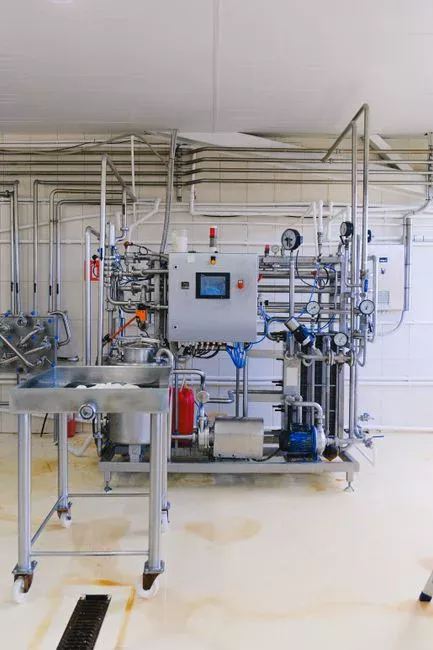
Implementing Best Available Techniques (BAT) involves a sequence of physical, chemical, and biological stages designed to meet the rigorous discharge limits expected in 2026. Primary treatment typically begins with the GX Series Rotary Mechanical Bar Screen to remove large debris, followed by coagulation and flocculation to aggregate colloidal matter. For high-efficiency removal of TSS, FOG, and dispersed dyes, high-efficiency DAF systems for textile wastewater are the standard, often achieving significant turbidity reduction before biological processing.
Biological treatment using integrated MBR systems for textile effluent reuse offers a superior alternative to conventional activated sludge, providing membrane filtration (<1 μm) that ensures high-quality permeate and a physical footprint up to 60% smaller than traditional clarifiers. For recalcitrant dyes, enzymatic treatments can achieve up to 90% decolorization, while specific bacterial cultures can reduce effluent toxicity by 30% (source: Sustainability, 2024). Finally, the efficient sludge dewatering for textile treatment plants is required to convert secondary sludge into a manageable solid waste stream for disposal or recovery.
| Treatment Technology | Primary Target | Efficiency Metric |
|---|---|---|
| Rotary Mechanical Bar Screen | Large Solids / Debris | 95%+ Removal of >3mm solids |
| DAF System | TSS, FOG, Colloidal Dye | 80-90% TSS reduction |
| MBR Bioreactor | BOD, COD, Bacteria | <10 mg/L BOD in permeate |
| Chemical Dosing | pH, Coagulation | Real-time stability |
Towards Zero Liquid Discharge (ZLD) and Water Reuse in Swedish Textile Operations
Zero Liquid Discharge (ZLD) represents the highest tier of sustainability in 2026, aligning with STWI Level 2 Improver guidelines that emphasize recycling treated effluent back into the production cycle (source: STWI Guidelines, 2017). By integrating Industrial Reverse Osmosis (RO) Water Treatment Systems downstream of biological treatment, manufacturers can recover high-purity water, significantly reducing freshwater withdrawal volumes and associated utility costs.
A comprehensive ZLD strategy also involves the recovery of dyeing auxiliaries, such as electrolytes and alkalis, which are often lost in conventional discharge. The economic benefit of this approach is twofold: it minimizes the regulatory risk associated with discharging into sensitive Swedish water bodies and lowers the operational expenditure (OPEX) related to water purchasing and chemical dosing. Facilities that successfully implement these closed-loop technologies position themselves as preferred partners in the Swedish supply chain, effectively hedging against future water scarcity and tightening discharge regulations.
Navigating 2026 Compliance and Partner Selection for Swedish Textile Facilities
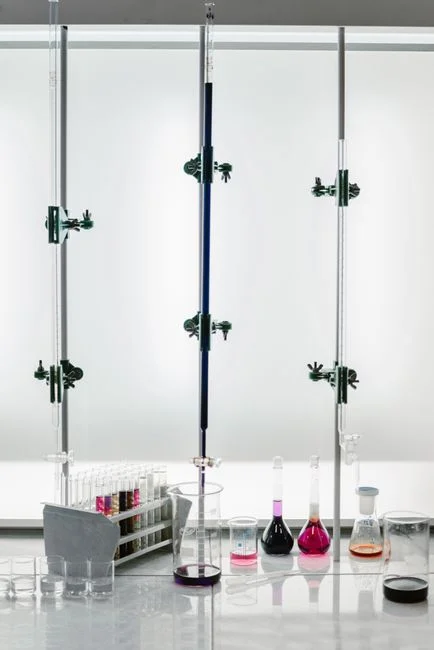
Maintaining compliance in 2026 requires a documented operational strategy. Facilities must identify the specific recipient of their treated effluent—whether a river, lake, or wetland—and maintain a formal wastewater emergency plan to handle potential system failures (source: STWI Guidelines, 2017). Daily measurement and recording of wastewater volumes are mandatory, as is the use of accredited external laboratories to verify that discharge parameters remain within the limits established by the governing agency for the specific discharge permit.
When selecting a treatment partner, engineers should prioritize providers who perform rigorous techno-economic analyses and Life Cycle Assessments (LCA) to ensure the proposed system is compliant and sustainable over a 10-15 year operational horizon (source: Sustainability, 2024). The ideal partner should demonstrate deep technical knowledge of dye-specific removal mechanisms and provide reliable after-sales support to ensure that automated systems, such as dosing units and MBR modules, maintain their peak efficiency throughout their service life.
Frequently Asked Questions
What are the main pollutants in textile wastewater in Sweden?
Textile wastewater is characterized by high BOD, COD, and TOC levels, along with significant coloration from unfixed dyes. Other challenges include fluctuating pH and high concentrations of salts, acids, and alkalis, which can be toxic to aquatic life if not properly treated (source: Sustainability, 2024).
What are the STWI guidelines for textile wastewater treatment?
The STWI guidelines promote a hierarchy of water efficiency, pollution prevention, and advanced wastewater treatment. The goal is to minimize water usage at the source, implement BAT to reduce chemical impact, and move toward ZLD to protect local water users and ecosystems (source: STWI Guidelines, 2017).
What technologies are considered Best Available Techniques (BAT) for Swedish textile wastewater?
BAT includes high-efficiency physical and chemical separation like DAF systems, precise chemical dosing, and biological treatment via MBR. These are complemented by advanced sludge dewatering equipment and, where feasible, tertiary treatment like RO for water reuse (source: STWI Guidelines, 2017; Sustainability, 2024).
Is zero liquid discharge (ZLD) mandatory for textile facilities in Sweden by 2026?
While not universally mandated by law, ZLD is the target for "Level 2 Improver" and "Level 3 Achiever" suppliers under the STWI framework. It is an advanced goal that significantly improves environmental performance and operational sustainability (source: STWI Guidelines, 2017).
How can textile companies in Sweden reduce their water footprint?
Companies can reduce their water footprint by optimizing production processes to use less water, implementing wastewater recycling through MBR and RO systems, and prioritizing chemical pollution prevention to reduce the intensity of required end-of-pipe treatment (source: STWI Guidelines, 2017; STWI Guidelines, 2014).
Related Equipment
- integrated MBR systems for textile effluent reuse — specifications, capacity range, and technical data