Why Ankara Hotels Need a Purpose-Built 2026 Wastewater System
A 2026 Ankara hotel or resort typically needs a packaged MBR or buried A/O (WSZ-series) sewage treatment plant sized at 0.5–1.0 m³ per guest-room per day, followed by chlorine dioxide disinfection and — where landscape irrigation is planned — a polishing filter. The system must meet the Turkish Su Kirliliği Kontrolü Yönetmeliği (SKKY) discharge limits of BOD₅ ≤ 50 mg/L, COD ≤ 200 mg/L and TSS ≤ 60 mg/L for sensitive zones, while handling Ankara's cold-winter freeze risk and the city's growing water-reuse demand for resort landscaping.
The compliance pressure on Ankara properties in 2026 comes from two directions simultaneously. First, the Çevre Kanunu (Environmental Law No. 2872) framework and the SKKY set hard numerical limits that any property discharging to a sewer, river, or irrigation field must meet. Second, the Çankaya and Gölbaşı district implementations of the Ankara Province Environmental Plan have tightened on-site inspections through 2024–2026, and resorts outside the central ASKİ sewer catchment are increasingly required to demonstrate a packaged, compliant biological plant rather than rely on a septic tank (per Ankara Province Environmental Plan guidance, 2024–2026 inspection cycle).
At the same time, sustainability positioning has become a live booking differentiator. Ankara's 5-star properties — JW Marriott Ankara, Radisson Blu Hotel Ankara Çankaya, and Crowne Plaza Ankara — operate large spa, pool, conference and laundry loads that push wastewater well above standard domestic strength, and corporate procurement teams in 2026 increasingly ask for documented reuse and discharge data before signing group contracts (per EuroVista Trips, 2026). A purpose-built, instrumented packaged system delivers both the regulatory file and the ESG narrative that a hotel general manager needs to defend the capital spend.
Ankara Hotel Wastewater Characteristics in 2026
Hotel wastewater is not domestic wastewater. The organic load, peak-to-average ratio, and the fraction of fats, oils and grease (FOG) from kitchens are all higher, and the chlorine residual from pool backwash is a downstream hazard to any biological stage that has not been pre-treated.
The table below summarises a typical 2026 Ankara hotel influent profile, drawn from hotel wastewater characterisation studies and HydropureWater field data, 2026. These are design values an engineer should size equalisation and biological stages against, not laboratory averages.
| Parameter | Typical Ankara Hotel Range | Design Value (Peak) | Comment |
|---|---|---|---|
| pH | 6.5–8.0 | 6.0–8.5 | Pool backwash can pull pH low if not segregated |
| BOD₅ | 250–450 mg/L | 600 mg/L | Higher than 200 mg/L domestic assumption |
| COD | 500–900 mg/L | 1,200 mg/L | COD:BOD₅ ratio typically 2.0–2.2 |
| TSS | 200–400 mg/L | 500 mg/L | Laundry lint and food solids dominate |
| FOG | 80–150 mg/L | 250 mg/L | Kitchen stream must be DAF-treated |
| Total Nitrogen | 30–60 mg/L | 80 mg/L | Drives nitrification stage sizing |
| Total Phosphorus | 5–12 mg/L | 18 mg/L | Detergent and cleaning chemicals |
| Peak/Average Ratio | 2.0–3.0× | 3.0× | Meal service and check-in/out dominate |
Three streams must be designed as separate feeds. Blackwater (toilets) carries the pathogen load. Greywater (showers, laundry) is lower in strength but high in volume — often 60–70% of total flow. Kitchen effluent plus pool backwash is FOG-heavy and carries a free chlorine residual that will upset biology if routed untreated. Segregated pre-treatment — a DAF unit on the kitchen line, a neutralisation step on pool backwash — is the difference between a stable plant and one that drifts out of compliance within months.
5-star Ankara properties referenced in booking inventories (JW Marriott, Radisson Blu, Crowne Plaza) all carry spa, pool and conference loads that push flows and TDS above standard domestic assumptions, so a "scaled-up domestic" design underestimates the load by 30–50% (per HydropureWater field data, 2026).
Which Treatment Technology Fits Each Ankara Property Type
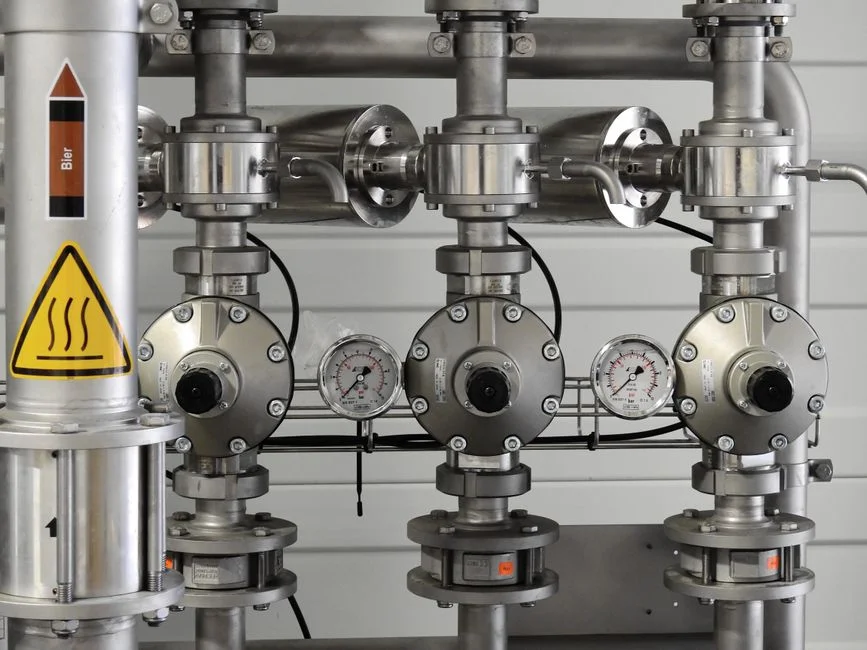
For an Ankara hotel procurement manager in 2026, the technology choice narrows to four practical options, each mapped to a property profile. The decision should be driven in this order: peak flow, reuse goal, available footprint, and operator skill on site.
The matrix below compares the four options against the parameters that drive a 2026 specification — removal efficiency against SKKY, footprint, CAPEX band, O&M, operator requirement, and freeze suitability for Ankara's −15 °C winter design temperature.
| Criterion | MBR (Membrane Bioreactor) | WSZ Buried A/O Packaged Plant | SBR (Sequencing Batch Reactor) | Constructed Wetland (Polishing) |
|---|---|---|---|---|
| BOD₅ removal | 95–99% (effluent <10 mg/L) | 90–95% (effluent 20–30 mg/L) | 90–95% (effluent 20–30 mg/L) | 80–90% (polishing only) |
| COD removal | 95–99% (effluent <30 mg/L) | 85–92% (effluent 60–90 mg/L) | 85–92% (effluent 60–90 mg/L) | 70–85% |
| TSS removal | >99% (effluent <1 mg/L) | 90–95% (effluent 20–30 mg/L) | 90–95% (effluent 20–30 mg/L) | 80–90% |
| Total N removal | 60–80% (with Anoxic) | 50–70% | 50–70% | 30–50% |
| Footprint | 0.15–0.25 m²/m³/day | 0.20–0.30 m²/m³/day (buried) | 0.30–0.50 m²/m³/day | 3.0–5.0 m²/m³/day |
| CAPEX 2026 (USD/m³/day) | 700–1,100 | 500–800 | 500–900 | 200–400 |
| O&M 2026 (USD/m³) | 0.30–0.55 | 0.20–0.40 | 0.20–0.35 | 0.05–0.15 |
| Operator skill | Medium-High (membrane care) | Low (PLC automated) | Medium (timing/cycle) | Low (botanical) |
| Freeze suitability | Good (buried or insulated skid) | Excellent (fully buried) | Good (buried tank) | Poor (winter dormancy) |
| Reuse compatibility | Excellent (irrigation-ready) | Good (with polishing) | Good (with polishing) | Excellent (irrigation dual-use) |
For a boutique 30-room property, a buried WSZ A/O package plant delivers SKKY compliance at the lowest installed cost and survives Ankara's −15 °C design winter because the tank is below the frost line. For a 200-room city hotel on a tight footprint, an MBR membrane bioreactor produces reuse-quality effluent (COD < 30 mg/L, TSS < 1 mg/L) that comfortably meets SKKY 2026 sensitive-zone limits and can feed landscape irrigation directly. For a 400+ room resort with land, an SBR-500 is operationally simple, and a hybrid MBR-plus-constructed-wetland polishing train closes the loop on irrigation water in a way that supports the hotel's sustainability positioning.
Sizing an Ankara Hotel Plant: Three Real 2026 Scenarios
Translating the matrix into a budget the procurement manager can defend means picking a real property profile and walking through flow, footprint, CAPEX and O&M. The three scenarios below cover the bulk of 2026 Ankara enquiries (CAPEX and O&M figures are 2026 USD-equivalent bands, ex-works, excluding civil works and VAT, per HydropureWater field data, 2026).
| Scenario | Property Profile | Design Flow (m³/day) | Recommended Unit | Footprint (m²) | CAPEX Band (USD) | O&M (USD/m³) |
|---|---|---|---|---|---|---|
| A | Boutique 30-room hotel | ~30 peak | WSZ-A/O-15 buried | ~6 (buried) | 18,000–28,000 | 0.25–0.40 |
| B | 200-room 5-star city hotel | 180–220 | MBR-200 + DAF pre-treatment | ~30 incl. DAF | 120,000–180,000 | 0.30–0.50 |
| C | 400-room resort (spa + pool) | 500–700 | SBR-500 or hybrid MBR + constructed wetland | 80–150 | 350,000–550,000 | 0.20–0.35 |
Scenario A applies to a 30-room boutique in Çankaya or the old citadel district where the connection to ASKİ sewer is impractical and the budget is constrained; the buried WSZ unit sits below the car park with a single access hatch, meets SKKY sensitive-zone limits, and runs on a PLC with a remote alarm. Scenario B is the typical 5-star city hotel profile referenced in Ankara booking inventories (JW Marriott, Radisson Blu, Crowne Plaza), where land is scarce, water reuse for amenity planting is a stated ESG goal, and the MBR's reuse-quality effluent is the deciding factor. Scenario C covers the large resort with enough grounds to consider a constructed wetland polishing train — both lower O&M and a visible sustainability asset.
Membrane replacement on the MBR-200 should be budgeted on a 7–10 year cycle at approximately 15–20% of initial membrane CAPEX, which is the single largest lifecycle line item to disclose to ownership.
Pre-Treatment, Disinfection and Reuse: The 2026 Ankara Specifics
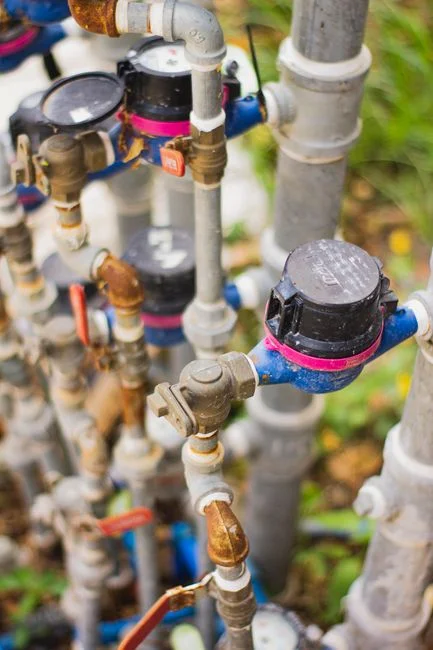
The most common 2026 specification error is under-sizing the headworks and forgetting the reuse / freeze-protection train. A biological stage alone will not survive hotel waste streams.
First, install a rotary mechanical bar screen at the headworks. Lint, hair and fibrous debris from housekeeping will blind an MBR membrane within three to six months if the screen is missing or too coarse (2 mm aperture is the standard for MBR protection).
Second, route kitchen effluent and pool backwash through a DAF unit ahead of the biological stage. FOG concentrations above 80 mg/L will coat biomass and crush nitrification efficiency; pool backwash carries a free chlorine residual that kills the biology outright if not neutralised. DAF brings FOG below 15–20 mg/L and strips the chlorine, protecting downstream biology and meeting SKKY oil-and-grease limits.
Third, specify an on-site chlorine dioxide generator for final disinfection. Chlorine dioxide is more stable than chlorine at high pH and is effective in Ankara's hard water (200–350 mg/L CaCO₃ typical), and on-site generation aligns with WHO drinking-water guidelines and EU Directive 98/83/EC criteria. For irrigation reuse, polishing with a multi-media filter downstream of the biological stage brings TSS and turbidity low enough to protect sprinkler nozzles and meet landscape irrigation reuse criteria.
For an O&M contract framework, an outsourced O&M arrangement often suits smaller properties that cannot justify a full-time operator, while larger 5-star hotels typically retain a dedicated in-house chief engineer with the vendor on a service contract.
Procurement Checklist for Ankara Hotel WWTP Buyers in 2026
This checklist is the document to send to vendors with the enquiry. Each item maps to a 2026 SKKY or Ankara-climate requirement that the bid response must address in writing.
- Confirm the system is rated for SKKY 2026 discharge limits — BOD₅ ≤ 50 mg/L, COD ≤ 200 mg/L, TSS ≤ 60 mg/L in sensitive zones — and request a written performance warranty with liquidated damages for non-compliance.
- Require buried or freeze-protected installation suitable for Ankara's −15 °C winter design temperature; ask for heat-traced piping, insulated access vaults and a documented foundation depth below the frost line.
- Request PLC automation with remote SCADA, alarm history export (minimum 12 months) and a Turkish-language HMI for the on-site engineering team.
- Ask for a 2-year spare-parts package, a membrane replacement schedule and cost (for MBR), and operator training delivered in Turkish on the property.
- Insist on documented FOG and pool-backwash pre-treatment — a DAF unit on the kitchen line and a neutralisation step on pool backwash — to protect the biological stage and meet SKKY oil-and-grease limits.
- For the technology itself, a buried WSZ A/O package plant suits boutique and budget hotels, while a 200+ room property should evaluate an MBR membrane bioreactor for hotels with tight footprints and reuse-quality effluent.
For peer benchmarking outside Turkey, an EU hotel wastewater compliance framework and a Lisbon hotel wastewater sizing benchmark offer useful comparison points on technology selection and discharge limits; a resort-scale wastewater treatment in tropical climate reference demonstrates how a hybrid MBR + constructed wetland polishing train is specified for large resort grounds.
Frequently Asked Questions
What size packaged wastewater treatment plant does a 100-room Ankara hotel need in 2026?
A 100-room Ankara hotel at full occupancy typically generates 50–100 m³/day, peaking at 2.5–3.0× during morning housekeeping and evening meal service. A WSZ-A/O-50 buried packaged plant or an MBR-50 skid is the correct 2026 specification, sized for ~100 m³/day peak with a 24-hour equalisation tank to absorb the peak-to-average ratio.
Can hotel wastewater in Ankara be reused for landscape irrigation?
Yes, provided the biological stage is followed by disinfection and a polishing filter. An MBR-200 effluent (COD < 30 mg/L, TSS < 1 mg/L) combined with a chlorine dioxide generator for residual control meets WHO and EU 98/83/EC criteria for landscape irrigation reuse, and addresses Ankara's semi-arid ~400 mm/year water scarcity in line with the Ankara Province Environmental Plan.
What is the CAPEX for a packaged WWTP at a 5-star Ankara hotel in 2026?
For a 200-room 5-star city hotel, 2026 CAPEX for an MBR-200 with DAF pre-treatment and chlorine dioxide disinfection falls in the USD 120,000–180,000 band ex-works, excluding civil works and VAT. Membrane replacement is a separate lifecycle line item of approximately 15–20% of initial membrane CAPEX on a 7–10 year cycle (HydropureWater field data, 2026).
Does an Ankara hotel WWTP need to be buried?
Burial below the frost line is the most reliable freeze-protection strategy for Ankara's −15 °C winter design temperature, and it preserves the surface for car parking or landscaping. Above-ground skid installations are acceptable if accompanied by heat-traced piping, insulated enclosures and a documented thermal maintenance plan.
Which SKKY limits apply to hotel discharges in Ankara in 2026?
For properties discharging to a sensitive zone or to a watercourse used for irrigation downstream, SKKY sets BOD₅ ≤ 50 mg/L, COD ≤ 200 mg/L, TSS ≤ 60 mg/L and additional total nitrogen and total phosphorus limits under the Çevre Kanunu No. 2872 framework. The Ankara Province Environmental Plan 2024–2026 inspection cycle has tightened enforcement, and on-site packaged systems with documented compliance files are increasingly mandatory for resorts outside the central sewer catchment.