Why Doha Hotels Need a Purpose-Built Sewage Treatment System
A 2026 Doha hotel or resort needs a packaged MBR or buried A/O plant (typically 50–500 m³/day per 100 keys) sized to Qatar MOECC discharge limits — BOD ≤30 mg/L, TSS ≤50 mg/L, fecal coliform ≤200 CFU/100 mL — followed by chlorination or UV for GSAS-compliant landscape irrigation reuse. With a 200-key resort generating 6,000+ liters per room night, expect CAPEX of $40,000–$120,000 for a turnkey buried unit plus $0.18–$0.35/m³ OPEX.
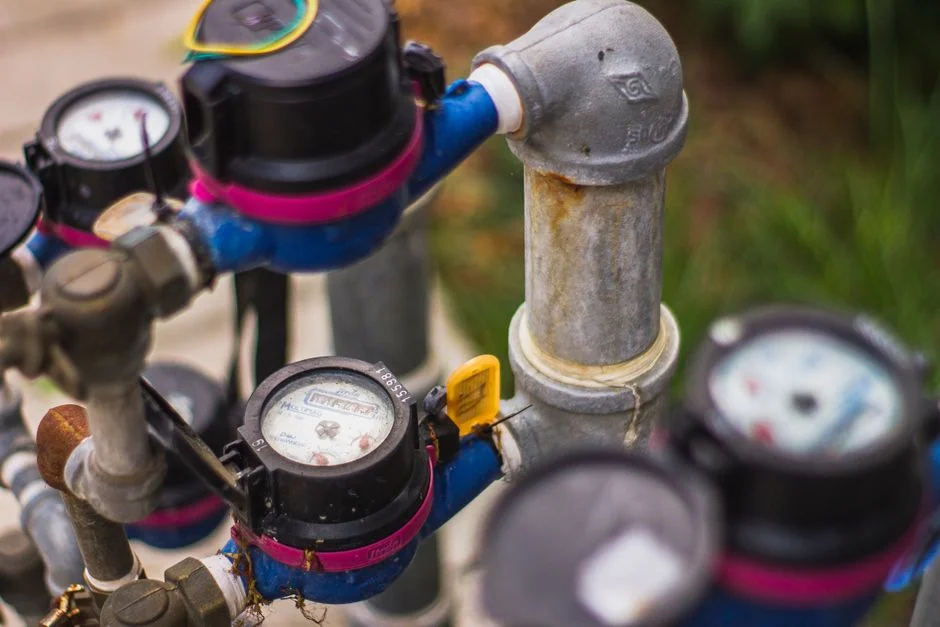
Of the 109 Qatari properties now flagged on third-party sustainability indexes, 14 hold Green Key, LEED, or EarthCheck certification (source: Travelmyth sustainability index, 2025). Water — not energy — is the binding constraint for most of them. Sharq Village & Spa, a Ritz-Carlton Hotel, publicly discloses a water footprint of 6,178.37 liters per room night (source: ritzcarlton.com property page, 2025), which translates into roughly 4.9 m³ of wastewater per occupied room per day before any F&B or laundry load. Multiply that by 200 keys at 70% occupancy and the developer is moving 680 m³/day through the drainage network — a volume the municipal network will not accept without an on-site treatment step.
Qatar's Environmental Protection Law (Law No. 30 of 2002) and the MOECC operational permit framework require continuous BOD/TSS monitoring on any discharge point; a holding tank with tanker removal is no longer a defensible long-term position. The Qatar Construction Specifications (QCS 2014, with 2024 updates) tie plumbing design to reuse readiness, and the Global Sustainability Assessment System (GSAS 2019, updated 2024) awards 2–4 water credits — often the margin between a 1-star and 3-star certified resort — for an on-site treatment-plus-reuse train. Brand-side, Hilton's 2030 halve-footprint pledge, IHG Green Engage, and Marriott Serve 360 all flow down into MEP specs at the FF&E and OS&E stage, making the STP a line item the brand's sustainability team will audit before sign-off.
Doha Wastewater Characteristics: What a Resort Plant Must Treat
Doha resort sewage is hotter, saltier, and more FOG-laden than the textbook municipal figure an EPC may import from a European sizing model. Ground temperatures in buried tanks run 25–35 °C year-round, which accelerates biological kinetics but pushes dissolved-oxygen demand; the aerobic zone must be held at 1.5–2.0 mg/L DO to keep nitrification on track (typical A/O design range, HydropureWater field data, 2026). Sulfate-rich potable water (often 150–400 mg/L SO₄²⁻ from desalination blends) feeds into the sewer and can drive H₂S generation in the equalization tank if turbulence is not controlled.
Resort occupancy swings drive a 3.0–4.0× peak-to-average flow factor — Friday brunch and conference turnover can hit 5× — so equalization sized at 6–8 hours of average flow is mandatory, not optional. FOG from in-house kitchens and pool backwash regularly pushes oil & grease to 50–150 mg/L, well above the 30 mg/L most MBR membrane warranties tolerate. A DAF pre-treatment skid is the standard first hit in a Doha hotel train to protect downstream membranes from grease fouling.
| Parameter | Typical Doha hotel influent | Design margin to apply |
|---|---|---|
| COD | 400–700 mg/L | +20% for F&B events |
| BOD | 200–400 mg/L | +20% for conference peaks |
| TSS | 200–350 mg/L | +30% during backwash cycles |
| NH₃-N | 25–45 mg/L | Verify with site sampling |
| Oil & Grease | 50–150 mg/L | DAF to ≤30 mg/L pre-MBR |
| Fecal coliform | 10⁶–10⁷ CFU/100 mL | — |
| Temperature | 25–35 °C (buried tank) | Sizing favorable to biology |
| Peak/Average ratio | 3.0–4.0× | Equalize 6–8 h |
These are the numbers an engineer should drop into the design basis memorandum before vendor RFQs go out; importing a Lisbon or Warsaw influent table is a fast path to an undersized equalization tank and a membrane warranty voided by FOG breakthrough.
Qatar MOECC Discharge Limits and GSAS Water Credits Explained
MOECC operational permits for hotel-class discharges typically require BOD ≤30 mg/L, TSS ≤50 mg/L, COD ≤150 mg/L, NH₃-N ≤10 mg/L, residual Cl₂ 0.5–1.0 mg/L, and fecal coliform ≤200 CFU/100 mL (Qatar MOECC operational permit envelope; designer should confirm with current MOECC bulletin before submission). For irrigation reuse, GSAS 2019/2024 tightens these to turbidity ≤2 NTU, fecal coliform ≤14 CFU/100 mL (per WHO 2006 recycled water guidelines for unrestricted irrigation), and residual disinfectant ≥0.2 mg/L after 30 minutes contact time. The compliance ceiling and the sustainability target are two different numbers on the same train.
GSAS water credits break into three categories: water-efficient fixtures, leak detection and sub-metering, and on-site wastewater treatment-plus-reuse. Only the third scales with resort size and operational intensity. A 4-star Doha project that reuses 30–50% of total wastewater for landscape irrigation typically moves from a 1-star to a 3-star GSAS rating — the lift that decides whether the project underwrites at green-loan rates (typically 5–15 bps margin advantage, Qatar Green Building Council data, 2024).
| Parameter | MOECC discharge cap | GSAS irrigation reuse target |
|---|---|---|
| BOD | ≤30 mg/L | ≤10 mg/L |
| TSS | ≤50 mg/L | ≤5 mg/L |
| COD | ≤150 mg/L | ≤50 mg/L |
| NH₃-N | ≤10 mg/L | ≤5 mg/L |
| Fecal coliform | ≤200 CFU/100 mL | ≤14 CFU/100 mL |
| Residual Cl₂ | 0.5–1.0 mg/L | ≥0.2 mg/L after 30 min |
| Turbidity | — | ≤2 NTU |
Defending the train in a GSAS design review means showing both columns on the same PID — the membrane choice and the disinfection dose are what move the project from compliance to credit.
Treatment Train Options for a Doha Hotel: WSZ, MBR, and MBBR Compared
Three trains cover 95% of Doha hotel bids. The buried A/O package STP (WSZ series) handles 1–80 m³/h fully underground with no operator, produces BOD 20–30 mg/L and TSS 20–30 mg/L, and frees up the podium for hardscape — ideal 50–200-key city hotels in dense West Bay or Msheireb plots. The submerged PVDF MBR covers 10–2,000 m³/day, hits BOD ≤10 mg/L and TSS ≤5 mg/L in a footprint 60% smaller than CAS, and is the default choice for 200–500-key resorts chasing GSAS water credits. MBBR + sand filter + chlorination is the most robust to FOG spikes from F&B outlets and easier to operate than an MBR, but its 20–30 mg/L BOD usually needs an RO polish step if irrigation reuse is targeted — a step that adds 15–25% to OPEX and forces brine management into the design.
Sludge handling is identical across all three trains: 12–18% w/w cake after a plate-and-frame sludge dewatering press. A 300 m³/day plant will generate 1–2 m³/day of cake for off-site disposal, and the cake holding bay must be sized for 5 days of accumulation under Qatar summer ambient conditions.
| Criterion | WSZ buried A/O | Submerged MBR (PVDF) | MBBR + sand filter + Cl |
|---|---|---|---|
| Flow range | 1–80 m³/h | 10–2,000 m³/day | 20–500 m³/day |
| Effluent BOD | 20–30 mg/L | ≤10 mg/L | 20–30 mg/L |
| Effluent TSS | 20–30 mg/L | ≤5 mg/L | 20–30 mg/L |
| Footprint (m²/m³/day) | 0.4–0.6 | 0.7–1.0 | 0.6–0.9 |
| Operator skill | Low (PLC auto) | Medium (membrane CIP) | Low–Medium |
| GSAS reuse ready | No (needs UF polish) | Yes (direct to irrigation) | Partial (needs RO) |
| FOG tolerance | Medium | Low (DAF pre-stage needed) | High |
| Indicative CAPEX (FOB China + Doha install) | $40,000–$80,000 (100 m³/day) | $90,000–$220,000 (200 m³/day) | $70,000–$160,000 (200 m³/day) |
Decision rule: if the site is footprint-constrained and the project is targeting GSAS 3-star or higher, the MBR wins on a 5-year total-cost basis despite higher OPEX. If the plot is open and the budget is tight, the WSZ package plus an ultrafiltration polish trains upgrades to reuse at lower first cost — see the MBR maintenance protocol for the operating overhead that drives the MBR OPEX line.
Designing for Reuse: Greywater Recycling and Treated Effluent for Irrigation
Twinning the STP with a 50–100 m³/day greywater recycle loop (basin + MBR + ClO₂) covers all landscape irrigation for a 4-star Doha resort and matches the on-site water filtration model already disclosed at Mandarin Oriental Doha and The Westin Doha Hotel & Spa (source: Travelmyth sustainability index, 2025). Blackwater goes through the full train; greywater bypasses primary treatment and lands directly in the MBR, cutting aeration energy by 15–20%.
Disinfection with an on-site ClO₂ disinfection generator avoids the transport, storage, and DEC inventory pain of chlorine gas and complies with WHO drinking-water guidelines for non-potable reuse. Daily monitoring covers pH, residual ClO₂, and turbidity ≤2 NTU for irrigation reuse; turbidity ≤5 NTU is the typical envelope for toilet-flush reuse (typical GSAS reuse envelope; confirm with current GSAS submission guidelines).
2026 Cost, Footprint, and Timeline Benchmarks for a Doha Hotel STP
CAPEX for a 2026 Doha hotel STP runs $40,000–$80,000 for a buried 100 m³/day WSZ package, $90,000–$220,000 for a 200 m³/day MBR skid, and $350,000–$900,000 for a full MBR + reuse + sludge dewatering plant on a 300-key resort (typical 2026 GCC packaged-plant price band, FOB China + Doha install; verify with vendor RFQ). OPEX is $0.18–$0.35/m³ for a buried A/O package and $0.30–$0.55/m³ for an MBR with membrane cleaning, dominated by aeration energy and chemical dosing. The 0.4–0.6 m²/m³/day footprint of a buried WSZ and the 0.7–1.0 m²/m³/day footprint of an above-grade MBR mean a 300 m³/day plant fits inside a 200–300 m² service yard under a car-park podium.
| Plant size | CAPEX (USD, 2026) | OPEX (USD/m³) | Footprint (m²) | PO to MOECC sign-off |
|---|---|---|---|---|
| 100 m³/day (WSZ buried) | $40,000–$80,000 | $0.18–$0.35 | 40–60 | 4–5 months |
| 200 m³/day (MBR skid) | $90,000–$220,000 | $0.30–$0.55 | 140–200 | 5–7 months |
| 300 m³/day (MBR + reuse + dewatering) | $350,000–$900,000 | $0.35–$0.60 | 200–300 | 6–8 months |
Schedule breaks down into 10–14 weeks of engineering, 6–10 weeks of fabrication, and 4–6 weeks of install plus commissioning — 5–8 months total from PO to MOECC sign-off. Comparable reference projects for regional pricing context are discussed in the Lisbon hotel wastewater treatment guide, the Warsaw hotel wastewater guide, and the Cebu resort wastewater guide, each of which uses the same train-selection logic against a different regulatory envelope.
Frequently Asked Questions
What are the Qatar MOECC discharge limits for a hotel STP in 2026?
MOECC operational permits for hotel-class discharges typically require BOD ≤30 mg/L, TSS ≤50 mg/L, COD ≤150 mg/L, NH₃-N ≤10 mg/L, residual Cl₂ 0.5–1.0 mg/L, and fecal coliform ≤200 CFU/100 mL. The designer should confirm the current bulletin with MOECC before submission, but any packaged MBR or buried A/O plant sized per this article will hit these numbers.
How much does a Doha hotel STP cost in 2026?
A buried 100 m³/day WSZ package runs $40,000–$80,000, a 200 m³/day MBR skid runs $90,000–$220,000, and a full 300 m³/day MBR + reuse + sludge dewatering plant for a 300-key resort runs $350,000–$900,000 (FOB China + Doha install, 2026). OPEX lands at $0.18–$0.55/m³ depending on train — see the buried A/O package STP and submerged PVDF MBR product pages for the equipment that drives these bands.
Which treatment train is best for a 200–500-key Doha resort targeting GSAS credits?
A submerged PVDF MBR is the default choice for 200–500-key resorts chasing GSAS water credits, producing BOD ≤10 mg/L and TSS ≤5 mg/L in a 0.7–1.0 m²/m³/day footprint. Pair it with a DAF pre-stage for FOG control and an on-site ClO₂ generator for reuse-grade disinfection.
How many GSAS water credits does on-site wastewater reuse earn?
GSAS 2019/2024 awards 2–4 water credits for an on-site treatment-plus-reuse train — typically the margin between a 1-star and 3-star certified resort. Reusing 30–50% of total wastewater for landscape irrigation is the credit-trigger threshold, and it requires reuse-grade effluent (turbidity ≤2 NTU, fecal coliform ≤14 CFU/100 mL), not just MOECC compliance.
What peak flow factor should a Doha resort STP be sized for?
Resort occupancy swings drive a 3.0–4.0× peak-to-average flow factor, with conference and F&B events pushing to 5×. Equalization sized at 6–8 hours of average flow is mandatory; undersizing this tank is the single most common cause of membrane fouling and permit excursions on Doha hotel plants.