

Why Brazilian Textile Plants Need More Than a Conventional WWTP
Brazilian textile wastewater carries a pollution load that municipal-style activated sludge cannot fully polish, and the 2026 evidence makes the gap explicit. Dyeing and finishing operations consume 100–200 m³ of water per ton of fabric and discharge 80–90% of that as effluent, with textile activities accounting for roughly 20% of global industrial water pollution (MDPI, 2026-01). Wet processing — dyeing, bleaching, scouring, mercerizing, printing — represents about 72% of that water demand, which means the problem is concentrated in the back half of the mill, not the weaving floor.
Scale the typical Brazilian plant: a medium mill finishing 8,000 kg of fabric per day moves about 1.6 million liters of water per day through the dyehouse. The effluent that comes out has a BOD/COD ratio of 0.2–0.4, well below the 0.5+ ratio that conventional biology handles cleanly, and roughly 40% of the dye load contains organically bound chlorine (MDPI, 2026-01). Both figures point to the same conclusion — recalcitrant color, salt, and adsorbable organics pass through a standard aeration basin largely intact.
The Brazilian-specific pressure layer matters as much as the chemistry. The BVRio/CPAP 2024 report on circularity in Brazil's textile sector flagged the absence of any federal reverse-logistics obligation for textiles and called the recycling infrastructure "nascent," particularly for synthetics like polyester. In the meantime, water-stress hotspots in Ceará, Rio Grande do Norte, and the Santa Catarina/São Paulo corridor are pushing industrial water tariffs up and pushing regulators toward stricter discharge and reuse expectations. A conventional WWTP built for BOD removal is the wrong tool for this combination of salt, color, and water-scarcity economics. Headworks design has to start at a GX rotary bar screen sized to strip fibers and trimmings before they foul downstream DAF and membrane stages.
Brazil's 2026 Discharge and Reuse Framework: CONAMA 430 and State Standards
CONAMA Resolução 430/2011 sets the federal discharge baseline for sanitary effluents and is the controlling standard for textile plants discharging to surface water or sewer, but it does not work alone. Brazilian states layer additional requirements on top, and the combination is what actually drives the design of a 2026 ETP. The table below summarizes the binding parameters a process engineer must hit at the discharge point, with the federal CONAMA 430/2011 limit in the first column and the stricter state-level limits that frequently govern in São Paulo (CETESB) and the Northeast/South (INEMA in Bahia, CONEMA in Santa Catarina) in the second and third columns.
| Parameter | CONAMA 430/2011 (federal) | CETESB (São Paulo) | INEMA / CONEMA (BA / SC) |
|---|---|---|---|
| pH | 5.0 – 9.0 | 6.0 – 9.0 | 6.0 – 9.0 |
| Temperature | ≤ 40 °C | ≤ 40 °C | ≤ 40 °C |
| BOD₅ | ≤ 50 mg/L (or 120 mg/L if removal ≥ 60%) | ≤ 50 mg/L | ≤ 50 mg/L |
| COD | — (no fixed value; removal efficiency applies) | Site-specific; typically ≤ 200 mg/L | ≤ 250 mg/L |
| TSS | ≤ 100 mg/L (or ≤ 30 mg/L in lakes/reservoirs) | ≤ 50 mg/L | ≤ 50 mg/L |
| Oils & greases | ≤ 50 mg/L (mineral); ≤ 30 mg/L (animal/vegetable) | ≤ 30 mg/L | ≤ 30 mg/L |
| Total chromium | ≤ 0.5 mg/L (Cr III); ≤ 0.1 mg/L (Cr VI) | ≤ 0.1 mg/L (total) | ≤ 0.1 mg/L (total) |
| Sulfide | ≤ 1.0 mg/L | ≤ 0.3 mg/L | ≤ 0.3 mg/L |
| Phenols | ≤ 0.5 mg/L | ≤ 0.2 mg/L | ≤ 0.2 mg/L |
| Color (Pt-Co / visual) | No visible color in receiving body | ≤ 75 Pt-Co; no visible color | No visible color |
| Total nitrogen | ≤ 20 mg/L (where applicable) | ≤ 20 mg/L | ≤ 20 mg/L |
Two parameters — color and salinity — are the ones that almost always force Brazilian mills past biological-only treatment and into advanced polishing. CONAMA does not set a numerical color limit; it simply requires that the receiving waterbody show no visible change. CETESB operationalizes that as ≤ 75 Pt-Co, and INEMA/CONEMA enforce a strict no-visible-color clause. CONAMA also does not regulate TDS directly, but any reuse claim routes through ANVISA Portaria 2.914 (potability-style parameters) and the local water-rights agency, both of which push designers toward an industrial RO polishing system or an ozone-based advanced oxidation step. The 2026 MDPI membrane review confirms that nanofiltration and reverse osmosis are currently the most effective route to reuse-grade water for textile effluents (MDPI, 2026-01).
The 2026 Reference Treatment Train for a Brazilian Dyeing/Finishing Plant
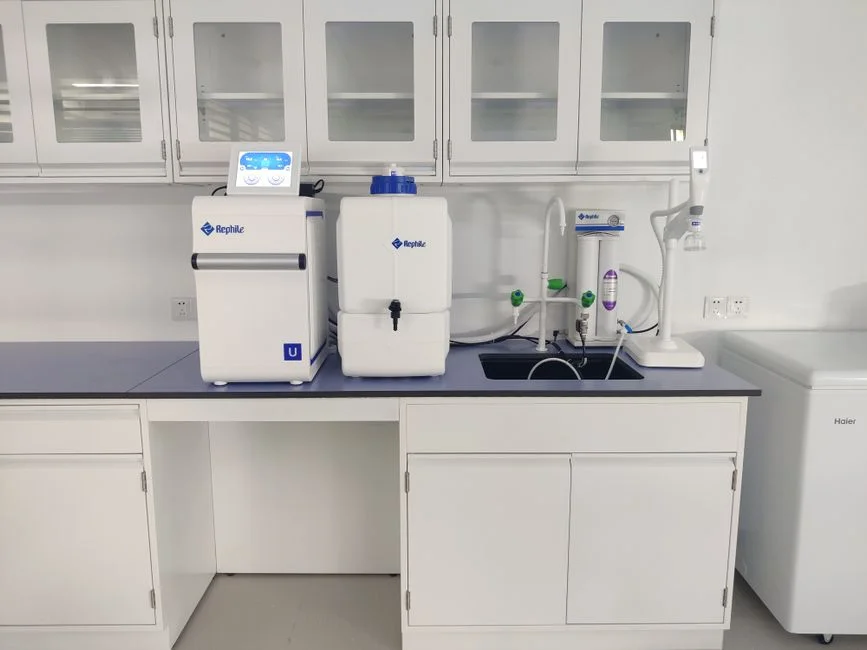
The unit-operation stack below reflects how a 2026 Brazilian mill should be specified on a P&ID, in the order the flow actually moves. Each step has a single, well-defined job, and the equipment selections are the ones a process engineer can write into a bid document today.
- Headworks. A 3–6 mm GX rotary bar screen removes fibers, trimmings, and rags. Without this step, rags wind around MBR modules and shred into DAF sludge blankets.
- Equalization and neutralization. 8–12 h HRT in a coated-carbon-steel or concrete tank with a PLC-controlled chemical dosing skid holding pH at 6.0–8.0. Batch dyeing produces pH swings from 3 (acid dye) to 12 (reactive dye after soap-off); equalization smooths the shock before it hits biology.
- Coagulation / DAF. A DAF system with PAC or alum plus anionic polymer removes colloidal dye, hydrolyzed reactive dye, and suspended solids. Across textile applications, well-operated DAF delivers 50–90% color removal and 70–90% TSS removal before biology even starts.
- Biological treatment. Either conventional activated sludge, SBR, or an integrated MBR system with submerged PVDF membranes (0.1–0.4 μm). MBR is the 2026 default for new Brazilian mills because it tolerates low BOD/COD and produces an SDI typically < 3 — exactly the feed quality RO needs.
- Tertiary polishing. Ozone for residual color and COD, or an industrial RO polishing system for salt and final color. MD/NF/RO membranes are the most effective route to reuse-grade water (MDPI, 2026-01), and integrated UF–RO trains already operate at up to 40,000 m³/d in industrial textile parks.
- Sludge handling. A plate-and-frame filter press to dewater DAF and biological sludge to < 60% moisture for landfill or co-incineration disposal.
Matching the Train to Your Fiber Mix: Cotton, Polyester, and Denim
Fiber type drives the effluent signature, and the right train is not the same for every mill. Reactive dyes on cotton hydrolyze into the bath and contribute roughly half of the total COD; disperse dyes on polyester leave a high-temperature, carrier-laden stream; denim washing releases sulfide, indigo, and permanganate demand. The decision matrix below maps the three dominant Brazilian fiber mixes to the unit operations that pay off versus the ones that add cost without removing the binding constraint.
| Unit operation | Cotton (reactive dyes) | Polyester (disperse dyes) | Denim (indigo + sulfide) |
|---|---|---|---|
| Cooling / heat recovery (60–80 °C bath) | Optional | Required | Optional |
| Sulfide oxidation / Mn-removal upstream of DAF | Not required | Not required | Required |
| DAF (coagulation + flotation) | Core | Core | Core |
| Biological (MBR preferred) | Core | Core (post-cooling) | Core |
| Ozone polishing (color) | Recommended | Recommended | Required |
| RO (salinity + final reuse) | Recommended if reuse | Strongly recommended | Recommended if reuse |
For a cotton-dominant mill, the design priority is electrolyte control and reactive-dye hydrolysis management; DAF plus MBR plus RO is the textbook stack. For a polyester-dominant mill, the priority is cooling the 60–80 °C effluent before biology, then a heat-recovery step that pays back inside two years at Brazilian industrial energy tariffs. For denim, sulfide control upstream of DAF is non-negotiable — CONAMA 430/2011 caps sulfide at 1.0 mg/L, and CETESB at 0.3 mg/L — and an ozone polishing step is usually needed to break the indigo chromophore that biology alone cannot touch.
MBR vs Conventional Activated Sludge vs SBR for Brazilian Mills
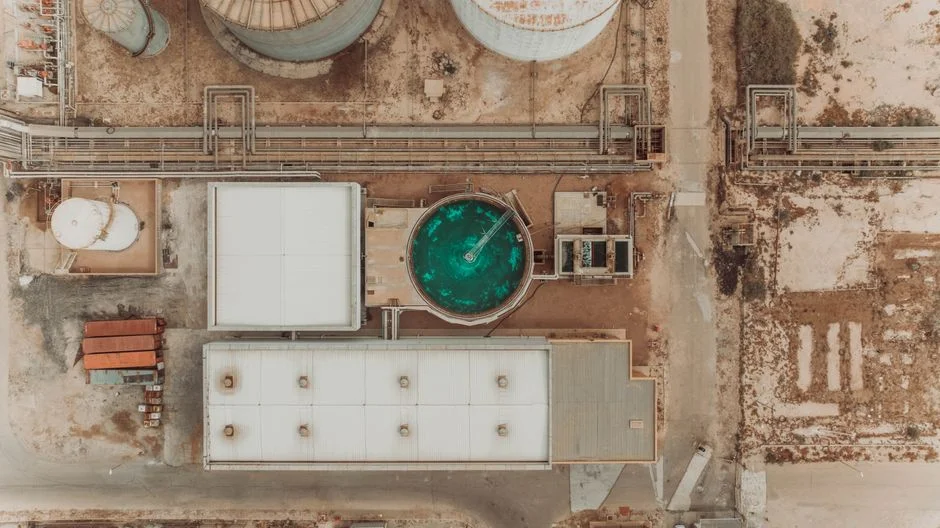
The biological core is the largest single CAPEX line item after DAF and the one that determines whether downstream RO is even viable. The table below compares the three realistic options for a Brazilian textile plant on the parameters that actually drive the decision.
| Parameter | Conventional AS | SBR | Submerged MBR (PVDF) |
|---|---|---|---|
| Relative CAPEX | 1.0× (baseline) | 1.05–1.15× | 1.30–1.50× |
| Footprint | 100% (baseline) | ~70–80% | ~40% (HydropureWater product data, 2026) |
| MLSS tolerance | 3–5 g/L | 4–6 g/L | 8–12 g/L |
| Effluent SDI to RO | ≥ 5 (often unsuitable) | ≥ 4 (often unsuitable) | < 3 (RO-ready) |
| Hydraulic/color shock tolerance | Low | Moderate | High |
| Operator skill demand | Low | Moderate–High | Moderate |
| Best fit for reuse | Marginal | Marginal | Yes |
The decision rule is simple. If the plant is discharging to a municipal sewer under stable influent conditions and has no reuse target, conventional activated sludge or SBR is defensible and the cheapest path. If the plant is planning any reuse loop, faces variable influent from batch dyeing, or needs RO-grade feed, MBR is the 2026 default. A 30–50% CAPEX premium on the integrated MBR system and its PVDF membrane modules is consistently offset by reuse savings and the smaller civil footprint — typically ~60% smaller than conventional AS at the same loading.
2026 CAPEX and OPEX Benchmarks for a 500–2,000 m³/d Brazilian Textile Plant
The bands below reflect realistic 2026 turnkey project envelopes in Brazil, including civil works, automation, and commissioning, but excluding land, working capital, and a contingency the buyer should still hold. They are planning ranges for a defensible business case, not point estimates.
| Plant size (m³/d) | Train | CAPEX range (BRL) | CAPEX range (USD) | Dominant OPEX drivers |
|---|---|---|---|---|
| 500 | DAF + MBR + RO (reuse) | R$ 6 – 10 M | US$ 1.2 – 2.0 M | Power, polymer, MBR/RO membrane replacement |
| 1,000 | DAF + MBR + RO (reuse) | R$ 11 – 18 M | US$ 2.2 – 3.6 M | Power, polymer, RO membrane cleaning, sludge haulage |
| 2,000 | DAF + MBR + RO (reuse) | R$ 20 – 35 M | US$ 4.0 – 7.0 M | Power, polymer, larger RO train, sludge dewatering |
The four OPEX levers that move the most dollars are predictable: electricity (Northeast industrial tariffs typically 0.55–0.85 BRL/kWh in 2026), coagulant and polymer consumption at the DAF stage, membrane replacement (MBR modules ~5–7 years, RO membranes ~3–5 years depending on feed and cleaning discipline), and sludge disposal cost. The reuse case is what justifies the RO step: at 80% recovery on a 1,000 m³/d plant and industrial water tariffs in São Paulo or Santa Catarina, the RO polishing step typically pays back in 2–4 years. The scale-up benchmark exists — integrated UF–RO plants in industrial textile parks already operate at up to 40,000 m³/d (MDPI, 2026-01) — so a 2,000 m³/d Brazilian plant is well within the proven envelope.
Selecting an Equipment Supplier in 2026: Engineering Checklist for Brazil
Procurement should compare vendors on engineering substance, not brochure polish. Four checks cover the technical and commercial risk in a single pass. First, ask for documented Brazilian or Latin American TWW references of comparable capacity, with effluent data the supplier will put in writing. Second, require FAT-tested skids and Portuguese-language O&M documentation — a slide deck in English is not a deliverable. Third, fix process guarantees numerically: color removal > 90% post-DAF, COD removal > 85% post-MBR, and permeate conductivity < 50 µS/cm if reuse is the goal. Fourth, confirm a local service footprint — typically a São Paulo or Santa Catarina spare-parts hub and a Brazilian commissioning engineer who can run SAT without flying in from another continent. The equipment should be sized to meet CONAMA 430/2011 at the discharge point with documented margin under peak load, not "typical" load.
Frequently Asked Questions
What are the key CONAMA 430/2011 parameters a Brazilian textile plant must meet at discharge?
CONAMA Resolução 430/2011 sets pH 5.0–9.0, temperature ≤ 40 °C, BOD₅ ≤ 50 mg/L (or 120 mg/L with ≥ 60% removal), TSS ≤ 100 mg/L, sulfide ≤ 1.0 mg/L, total chromium ≤ 0.5 mg/L (Cr III) or 0.1 mg/L (Cr VI), and a no-visible-color requirement at the receiving waterbody. State rules (CETESB, INEMA, CONEMA) typically tighten color, sulfide, and metals further, which is why a DAF system and a polishing step are standard.
Why choose MBR over DAF, and why not DAF alone?
DAF is a physicochemical step that handles 50–90% of color and 70–90% of TSS, but it does not biodegrade dissolved organics or remove salts. MBR adds the biological step with an effluent SDI < 3 — RO-ready quality — and tolerates MLSS of 8–12 g/L, far higher than conventional activated sludge. The combined integrated MBR system downstream of DAF is what allows Brazilian mills to actually meet CONAMA color and reuse targets.
Is water reuse feasible for a Brazilian textile mill, and what does it require?
Yes. Integrated UF–RO trains are documented at up to 40,000 m³/d in industrial textile parks (MDPI, 2026-01), and at 80% recovery on a 1,000 m³/d Brazilian plant the RO polishing step typically pays back in 2–4 years against industrial water tariffs. Reuse requires RO-grade feed, which is why MBR precedes the industrial RO polishing system rather than conventional activated sludge.
How is textile sludge handled in a Brazilian ETP, and what moisture content is achievable?
Combined DAF float and biological waste sludge is dewatered with a plate-and-frame filter press, routinely reaching < 60% moisture (i.e., > 40% dry solids). At that consistency the cake is stable enough for landfill disposal and, where available, co-incineration in a cement kiln. Sludge haulage and disposal cost is one of the four dominant OPEX lines in any 2026 Brazilian textile budget.
What criteria should a Brazilian buyer use to shortlist an ETP supplier?
Require Brazilian or Latin American TWW references with written effluent data, FAT-tested skids, Portuguese-language O&M manuals, numerical process guarantees (color > 90% post-DAF, COD > 85% post-MBR, permeate conductivity < 50 µS/cm for reuse), and a local service footprint with spare-parts stock in São Paulo or Santa Catarina. A supplier who can show all five will out-perform a cheaper bidder who cannot — a comparison framework also covered in our 2026 wastewater treatment plant cost in Recife breakdown for industrial buyers.