Why Mombasa resorts need a purpose-built wastewater system in 2026
Bahari Beach Hotel — a 178-staff, multi-amenity coastal property near Haller Park — holds a valid NEMA Effluent Discharge Licence numbered NEMA/WQ/EDL/17111, with effluent sampling carried out on 20 January 2024 against the EMCA (Water Quality) Regulations, Legal Notice 120 of 2006 (source: Ecotourism Kenya, 2024). That single compliance record is the engineering baseline every Mombasa hotel or resort in 2026 is measured against. A standard municipal-style activated sludge plant designed for a temperate inland site will not get there.
Three Mombasa-specific constraints make the design different. First, the soil and groundwater: coastal sandy profiles with a high water table force buried equipment above the waterline or fully sealed, and any reuse stream has to respect a low sodium adsorption ratio (SAR) to avoid killing the palm gardens the property is selling. Second, load swings: occupancy-driven peaks (breakfast service, evening laundry, spa days) can swing influent flow by 30%+ day-to-day, and room key-card systems cut power use but do nothing to dampen sewer flow (source: Ecotourism Kenya, 2024). Third, the parallel water chain — a borehole feeding reverse osmosis for potable water, with saline water from the Northside well used for landscaping (source: Ecotourism Kenya, 2024) — means the WWTP influent picks up RO antiscalant and the reuse stream must blend cleanly with brackish well water.
The question this article answers: which packaged biological treatment system, configured how, lets a Mombasa hotel or resort in 2026 meet NEMA/WQ/EDL conditions while producing reuse water the grounds team can actually run through the irrigation system without killing the palms.
What goes down the drain: hotel and resort wastewater characterisation
Sizing starts with what the property actually generates. Using the 178-staff, multi-amenity Bahari Beach profile (source: Ecotourism Kenya, 2024) as a mid-sized coastal reference, a 100–300-room resort produces a mixed influent from guest rooms, kitchens, laundry, spa, and swimming pool backwash, with a design flow of 150–250 L per guest-night at typical 60–70% occupancy. To compare resort options by flow and amenity profile, the Tripadvisor Mombasa resort inventory is a useful sizing anchor.
The on-site chemical inventory at the reference property sets the pre-treatment duty (source: Ecotourism Kenya, 2024):
- Sun Copper Algaecide and Trichloroisocyanuric Acid 90% — pool and shock chlorination; biocide and copper load on the biological stage.
- Sodium Carbonate (anhydrous) — pH adjuster; causes pH excursions in the equalisation tank.
- Sparkle IT (HTH) — shock oxidiser; intermittent high-ORP slugs.
- Antiscalant from the RO unit — phosphonate-based, slow to biodegrade, can carry over to the reuse stream.
- Cinnabar green spa products — surfactant and fragrance load from spa drains.
- Landex Premium laundry booster — alkalinity and surfactant load, the main reason for elevated FOG and foaming in equalisation.
Backwash is currently discharged to soak pits (2 minutes/day, source: Ecotourism Kenya, 2024). For a 50+ room resort, that stream should be captured and routed to the head of the works — not bypassed — so the EDL sampling events don't pick up biocide or copper slugs. Typical hotel sewer profiles run BOD₅ 250–400 mg/L, COD 500–800 mg/L, TSS 200–350 mg/L, and FOG 80–150 mg/L, with salinity variable depending on borehole blending and any seawater ingress into the collection system.
| Parameter | Typical resort influent range | Main driver on a Mombasa site |
|---|---|---|
| BOD₅ | 250–400 mg/L | Guest rooms, kitchen prep, laundry |
| COD | 500–800 mg/L | Combined organic load; COD:BOD ≈ 2:1 |
| TSS | 200–350 mg/L | Laundry lint, food solids, pool backwash |
| FOG | 80–150 mg/L | Kitchen fryers, dishwash, food waste |
| Surfactants | Elevated (qualitative) | Landex Premium laundry booster, spa products |
| Salinity / chloride | Variable; rises with borehole blending or infiltration | Coastal water table, saline well blending |
| pH | 6.5–9.0 swings | Sodium carbonate dosing, pool backwash |
The 2026 Mombasa compliance baseline: NEMA, EMCA, and the EDL you will be issued
The binding instrument is the Environmental Management and Co-ordination Act (EMCA) Water Quality Regulations, Legal Notice 120 of 2006, under which NEMA issues site-specific Effluent Discharge Licences (EDLs) (source: Ecotourism Kenya, 2024, citing the property's own compliance record). An EDL is a numeric, site-specific instrument: it sets parameter limits (BOD, COD, TSS, FOG, thermotolerant coliforms, pH, residual chlorine, and where relevant, salinity/chloride), defines a sampling frequency, names a NEMA-recognised laboratory, and has a fixed validity period subject to renewal. The reference licence NEMA/WQ/EDL/17111 is the format and depth of compliance NEMA expects — name, number, sampling date, and laboratory chain-of-custody all in the file (source: Ecotourism Kenya, 2024).
Mombasa resorts sit in a coastal receiving-environment category. Properties close to marine protected areas (the Bahari Beach site is near Haller Park) face extra NEMA scrutiny on ocean outfall and usually prefer reuse for irrigation over an Indian Ocean discharge permit, both for the simpler EDL conditions and the lower freshwater bill. The reuse target is therefore a working part of the licence design, not an afterthought. Numeric reuse limits for landscape irrigation — low TSS, low thermotolerant coliform, residual chlorine around 0.5–1.0 mg/L, and chloride/SAR ceilings matched to the planted species — are written into the polishing stage so the EDL sampling event can clear them.
Recommended 2026 process train for a Mombasa hotel or resort
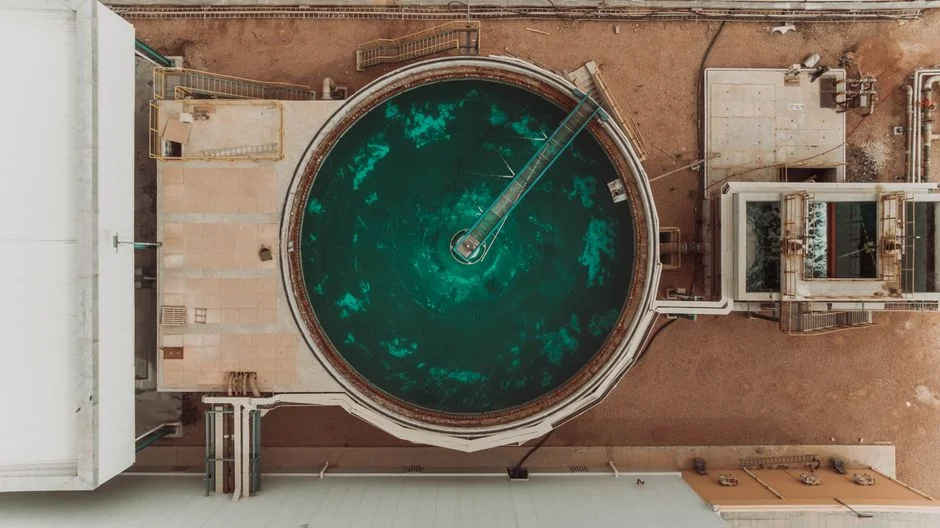
A 2026 Mombasa hotel or resort needs a packaged biological wastewater treatment system sized for 150–250 L per guest-night — typically an anoxic/aerobic (A/O) or MBR plant with preliminary screening, FOG removal, flow equalisation, disinfection, and a reuse polishing stage — designed to meet the EMCA Water Quality Regulations, LN 120 of 2006, and the conditions of a NEMA Effluent Discharge Licence such as NEMA/WQ/EDL/17111, while producing reuse-quality effluent for garden and landscape irrigation on saline, water-scarce coastal sites. Each unit operation below has a specific engineering reason on a coastal Kenyan site.
- Mechanical bar screening. A rotary mechanical bar screen as the baseline for any resort above 50 m³/day, protecting the downstream biological stage from rags, plastics, and pool debris that would otherwise foul pumps and membranes.
- FOG and suspended-solids removal. A dissolved air flotation (DAF) pre-treatment unit ahead of the biological stage strips kitchen grease, laundry lint, and pool backwash solids before they hit the aeration tank. Hotel kitchen FOG commonly runs 80–150 mg/L — high enough to disrupt biomass settling and to grease out a clarifier within days.
- Flow equalisation. Sized for at least 8 hours of average daily flow, this tank smooths the breakfast-service morning peak and the laundry-plus-showers evening peak, and gives pH and temperature time to stabilise before biology.
- Biological treatment. Either an underground A/O package sewage treatment plant for smaller sites or a MBR membrane bioreactor wastewater treatment system for any resort with a serious reuse target. MBR uses submerged PVDF membranes with a nominal pore size below 1 μm, delivering a clarified, low-TSS effluent that downstream disinfection can polish to irrigation quality without a separate clarifier, and at roughly 60% of the footprint of a conventional activated-sludge plant of equal capacity.
- Disinfection. An on-site chlorine dioxide generator sized to hit NEMA reuse coliform limits without transporting chlorine cylinders through a tourist-facing property — a real safety and brand-risk consideration for a beach resort.
- Sludge handling. A plate-and-frame filter press for sludge dewatering before off-site disposal; on a Coast site with a high water table, minimising sludge volume hauled through Mombasa traffic is a meaningful OPEX and community-relations lever.
- Reuse distribution. Irrigation to gardens, palms, and grass — the verified practice at the reference property, which "recycle[s] the wastewater to water the trees and grass" (source: Ecotourism Kenya, 2024) — with a buffer tank sized for at least 24 hours of irrigation demand so biological upsets do not cut off the grounds team.
MBR vs conventional package plant: which fits a Mombasa resort
The procurement decision comes down to room count, reuse intent, and footprint. The table below compares the underground A/O package sewage treatment plant against the MBR membrane bioreactor wastewater treatment system on the criteria that actually move a board paper. For an existing conventional plant that needs to graduate from "discharge" to "reuse," the upgrade path is the DF-series 0.1 μm PVDF flat-sheet MBR module dropped into the existing tankage, paired with the MBR troubleshooting guidance for the first year of operation (MBR troubleshooting guide).
| Criterion | Underground A/O package plant (WSZ) | MBR (membrane bioreactor) |
|---|---|---|
| Footprint | Buries under lawn or car park; standard | ~60% smaller than conventional activated sludge at equal load |
| Effluent TSS | ~20–30 mg/L (after clarifier) | <1 μm nominal pore; TSS typically <5 mg/L |
| Reuse readiness | Requires tertiary filtration + disinfection | Direct to disinfection and reuse |
| Operator skill | Lower; conventional process control | Higher; membrane care, CIP, integrity testing |
| Best fit (resort size) | <30 rooms; 30–150 rooms without full irrigation | 30–150 rooms with reuse; >150 rooms with full irrigation |
| Membrane replacement | None | Every 5–8 years (PVDF modules) |
| Tourist-site safety | Compatible with buried installation away from guests | Compatible; pair with on-site ClO₂ for cylinder-free disinfection |
Reuse on a saline coastal site: how to water the gardens without killing the palms
Reuse is the smart Mombasa play for two reasons: freshwater from borehole RO is expensive (the reference property runs a full RO train for potable water, source: Ecotourism Kenya, 2024), and the EDL conditions on any Indian Ocean outfall near a marine protected area are heavier than the conditions on a closed-loop irrigation reuse. But reuse on coastal sandy soil is not free — high salinity effluent will kill palms over two to three seasons by raising soil SAR and chloride to phytotoxic levels, and polishing must therefore control chlorides and sodium, not just TSS and coliforms. The reuse polishing train should include a multi-media filter ahead of disinfection to drop the residual turbidity that would otherwise consume chlorine and break the coliform limit.
| Parameter | Reuse target for landscape irrigation | Why it matters on a Mombasa site |
|---|---|---|
| BOD₅ | ≤ 20 mg/L | Prevents biofilm build-up in drip lines |
| TSS | ≤ 10 mg/L | Prevents emitter clogging; conserves chlorine residual |
| Thermotolerant coliforms | ≤ 200 CFU/100 mL (typical reuse benchmark) | Worker exposure at ground level |
| Residual chlorine | 0.5–1.0 mg/L at point of distribution | Maintains disinfected quality through buffer tank and ring main |
| Chloride / SAR | Cap matched to landscape species; track against saline-Northside-well blending | Coastal palms and turf are chloride-sensitive over multiple seasons |
| pH | 6.5–8.5 | Compatibility with fertiliser programme and drip-line materials |
At the reference property, saline water from the Northside well is already used for landscaping (source: Ecotourism Kenya, 2024). Reuse water and brackish well water can be blended in the buffer tank, with the WWTP providing the reliable-quality base load and the brackish well topping up to meet irrigation demand in dry months — the same RO antiscalant and pool backwash streams that complicate the plant are factored into the blending ratio.
CAPEX band, OPEX levers, and what to put in the 2026 tender
For 2026, a packaged biological plant in the small-to-mid range for a Mombasa resort sits in the typical East African installed-cost envelope for this class of equipment, with an underground A/O package at the lower end and an MBR with reuse polishing at the upper end of that band. Containerised delivery is a real cost-and-time advantage on the Coast: it shortens installation against poured-concrete designs that need cure time and rebar logistics through Mombasa traffic.
OPEX line items that actually bite on a coastal Kenyan site:
- Imported consumables — Trichloroisocyanuric Acid 90% (chlorine), antiscalant for the RO reject, Sodium Carbonate pH adjuster, Landex Premium laundry surfactant load (source: Ecotourism Kenya, 2024). Bulk procurement and on-site generation (e.g. an on-site ClO₂ generator) cut the import bill.
- Energy for aeration and RO antiscalant pumping — aeration is the dominant kWh; MBR aeration is higher than conventional, offset by the elimination of a clarifier and tertiary filters.
- Sludge hauling — a plate-and-frame filter press cuts volume hauled through Mombasa to the off-site disposal facility.
- Operator time — a single trained operator can run a 100–200 m³/day packaged plant; MBR adds membrane CIP time.
- Membrane replacement — every 5–8 years for PVDF MBR modules; budget for it.
Tender checklist for a 2026 Mombasa hotel or resort WWTP:
- EDL-ready design report with the proposed discharge/reuse pathway, referenced to EMCA LN 120/2006.
- NEMA-compliant sampling plan (cadence, parameters, laboratory, chain-of-custody).
- Hydraulic profile for peak occupancy and the saline-borehole blending case.
- Reuse water quality guarantees with numeric parameter commitments matching the reuse target table.
- Sludge handling plan with volume, frequency, and the off-site disposal facility.
- O&M manual in English and Swahili, with a membrane-care section if MBR is specified.
- East African reference list and containerised delivery option for coastal logistics.
For international context on hotel wastewater trains in dense coastal cities, the Hong Kong hotel wastewater treatment 2026 guide covers high-density urban hospitality, the Athens hotel wastewater treatment 2026 guide covers Mediterranean reuse, and the Budapest hotel wastewater treatment 2026 engineering guide covers cold-climate packaged plants — useful for benchmarking process selection when justifying the design to a procurement committee.
Frequently Asked Questions
What capacity WWTP does a 100-room Mombasa hotel need?
At 150–250 L per guest-night and a typical 70% occupancy assumption, a 100-room Mombasa hotel needs a biological plant sized for roughly 32–53 m³/day average flow, with a peak factor of 2.0–2.5× for breakfast and evening laundry surges. Hydraulic equalisation is sized to at least 8 hours of average flow to keep the biological stage within its design band.
Does a Mombasa resort need a NEMA Effluent Discharge Licence?
Yes. Under the Environmental Management and Co-ordination Act (EMCA) Water Quality Regulations, Legal Notice 120 of 2006, NEMA issues site-specific Effluent Discharge Licences with numeric parameter limits and a sampling cadence. The verified reference licence at Bahari Beach Hotel is NEMA/WQ/EDL/17111, with sampling carried out on 20 January 2024 (source: Ecotourism Kenya, 2024).
Can treated wastewater be reused for garden irrigation in Mombasa?
Yes, provided the train hits the reuse-quality table — BOD₅ ≤ 20 mg/L, TSS ≤ 10 mg/L, thermotolerant coliforms ≤ 200 CFU/100 mL, residual chlorine 0.5–1.0 mg/L, and chloride/SAR matched to the landscape species. The reference property recycles treated wastewater to water trees and grass on site (source: Ecotourism Kenya, 2024), and a multi-media polishing filter ahead of disinfection keeps the residual chlorine working in the irrigation ring main.
MBR or conventional package plant for a coastal resort?
For >150 rooms with a full irrigation reuse target, specify an MBR membrane bioreactor wastewater treatment system for the <1 μm effluent quality and ~60% footprint saving. For <30 rooms or 30–150 rooms without full irrigation, an underground A/O package sewage treatment plant is the lower-OPEX, lower-operator-skill choice. Existing conventional plants can be upgraded with an MBR membrane module to move from discharge to reuse.
How often is effluent sampled for NEMA compliance in Mombasa?
Monthly composite sampling by a NEMA-recognised laboratory is the typical EDL cadence for a mid-sized coastal resort, with the date and laboratory chain-of-custody recorded on the licence file. The verified reference event at Bahari Beach Hotel was conducted on 20 January 2024 under EMCA Water Quality Regulations LN 120 of 2006 (source: Ecotourism Kenya, 2024). EDL conditions may set a higher frequency for larger flows or for parameters with tight numeric limits, and the sampling plan should be written into the tender as a deliverable.