Why Almaty Resorts Need a Dedicated Treatment Strategy in 2026
Almaty mountain resorts in 2026 cannot be designed against generic hotel sewage figures. The Swissôtel Wellness Resort Alatau Almaty, rebranded in September 2021 from the 1986 Soviet sanatorium that is a protected local cultural monument, runs 222 rooms on a site that also hosts a water park, a restaurant, sports fields, and its own mineral water source (per the Alatau sanatorium Wikipedia entry). The parallel GOCO Life Alatau development sits on 100 ha of forested Alatau mountain land with 212 rooms, 45,000 m² GFA, a 4,000 m² medical and wellness centre, a 2,000 m² thermae with aqua park, an 18-hole golf course, and four F&B outlets (per GOCO Hospitality, 2020 announcement). The combined amenity mix — domestic rooms, high-volume spa/thermae, food and beverage, laundry, pool and aqua park backwash, and an on-site mineral water source — produces a wastewater envelope that no off-the-shelf hotel sewage package handles correctly. Compliance in 2026 sits on two pillars: the Kazakhstan Water Code and environmental permits for any discharge near the Alatau mountain watershed, plus the practical pressure to reuse treated effluent on 100 ha of landscaped grounds and a golf course where the subsoil and aquifer make freshwater withdrawal expensive. The defensible design outcome is a packaged, buried or semi-buried MBR-based train sized for 250–400 m³/day, with on-site disinfection and an optional RO polishing step for landscape and golf-course reuse.
Influent Characterisation: Flows and Loads for a 200–250-Room Almaty Resort
Translating the amenity mix into numbers is the first job a vendor RFQ has to get right. Average dry-weather flow for a 222-room full-service resort with spa, aqua park, and four F&B outlets lands in the 1.0–1.6 m³/room/day range, giving 220–360 m³/day at typical mid-week occupancy and pushing to 1.5–2.0× peak factor during morning pool turnover and evening meal-service peaks (industry benchmark, F&B-heavy properties per Samal Resort & Spa Almaty's à la carte service profile). Backwash and pool/aqua park drain-down add a low-COD but high-volume 30–80 m³/day contribution from a 2,000 m² thermae plus aqua park, and that stream carries residual chlorine that must be neutralised before it hits the biological stage. Raw sewage quality for a resort of this profile runs COD 400–600 mg/L, BOD₅ 200–350 mg/L, TSS 200–350 mg/L, FOG 50–150 mg/L, NH₃-N 25–45 mg/L, and pH 6.5–8.5 — these are the typical envelopes an engineer should dimension headworks and equalisation against, not a single design point. Three special sidestreams need segregation rather than blending: the on-site mineral water source (high TDS, governed by Kazakhstan subsoil/water-use rules), laundry lint (rag and fibre loads that blind bar screens and membranes), and pool filter backwash with residual free chlorine that disrupts nitrification if blended uncontrolled.
| Parameter | Domestic rooms (222 keys) | Spa / thermae + aqua park | F&B (4 outlets) | Laundry | Combined design |
|---|---|---|---|---|---|
| Average flow (m³/day) | 180–280 | 30–80 | 25–50 | 10–20 | 250–400 |
| Peak factor | 1.5–2.0× | 2.0–3.0× (drain-down) | 1.5–2.0× (meal service) | 1.2× | 1.8–2.0× |
| COD (mg/L) | 400–600 | 50–120 | 800–1,500 | 600–1,200 | 400–600 |
| BOD₅ (mg/L) | 200–350 | 20–50 | 400–800 | 250–500 | 200–350 |
| TSS (mg/L) | 200–300 | 30–80 | 200–400 | 200–400 | 200–350 |
| FOG (mg/L) | 30–80 | <20 | 200–600 | <30 | 50–150 |
| NH₃-N (mg/L) | 25–45 | <5 | 10–20 | <10 | 25–45 |
| Special handling | Routine | Dechlorinate before biological | Grease trap + DAF | Lint screen, blend with domestic | — |
The 2026 Process Train for an Almaty Mountain Resort
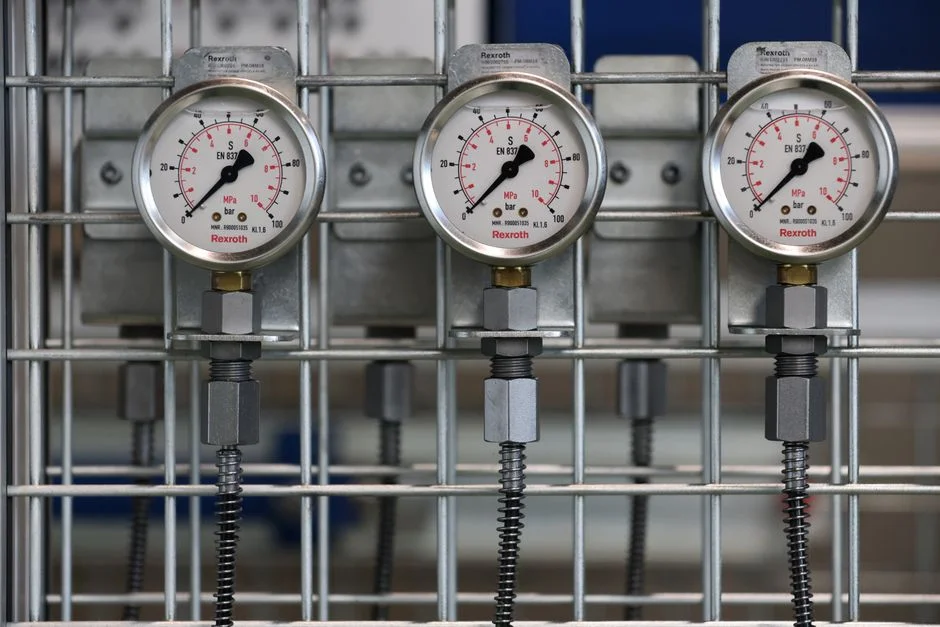
The process train has to solve four problems at once: rags and lint from a 222-room laundry operation, FOG from four F&B outlets, ammonia from a high-occupancy domestic load, and the heritage-site constraint that limits above-grade structures. Stage 1 is a rotary mechanical bar screen with a 3–5 mm aperture ahead of the pump station — finer than municipal defaults because resort laundry streams carry fibres that blind downstream pumps and foul membranes. Stage 2 is a 6–12 hour equalisation tank with pH trim, sized to absorb spa drain-down surges and meal-service FOG spikes without shock-loading the biology. Stage 3 is a dissolved air flotation unit for FOG, suspended solids, and colloidal matter from kitchen and spa streams, delivering 50–90% FOG removal and 60–80% TSS removal and protecting the downstream membranes from oil fouling. Stage 4 is an A/O biological stage coupled with a submerged integrated MBR membrane bioreactor using 0.1–0.4 μm PVDF flat-sheet modules; the MBR footprint is roughly 60% smaller than a comparable conventional activated-sludge plant, which is the decisive siting advantage on a heritage-protected property where above-grade tankage is restricted. Stage 5 is disinfection: on-site generated chlorine dioxide for reliable microbial kill across variable peak flows, or UV if the resort is targeting chemical-free reuse. Stage 6, optional, is a Multi-Media Filter plus RO polishing step that brings the MBR permeate to a quality suitable for unrestricted landscape irrigation on the 100 ha grounds or golf-course use — supporting 2026 water-stewardship goals and reducing freshwater demand on the Almaty mountain aquifer.
Effluent Targets and Reuse Suitability in 2026
A well-operated PVDF MBR with the train described above delivers a consistent envelope of COD ≤ 50 mg/L, BOD₅ ≤ 10 mg/L, TSS ≤ 5 mg/L, NH₃-N ≤ 5 mg/L, and turbidity ≤ 1 NTU. That quality is sufficient for discharge to municipal sewer subject to Almaty Vodokanal tariff and pretreatment confirmation, and it is also the feed quality required ahead of any reuse polishing step. For irrigation on the 100 ha of landscaped grounds and the adjacent 18-hole golf course, a Multi-Media Filter plus RO train is required to meet WHO and Codex microbial targets for unrestricted landscape irrigation; without RO, the MBR plus chlorine dioxide combination can cover drip-irrigation of non-edible areas, golf roughs, and forest zones safely. The mineral-water sidestream is a separate compliance track under Kazakhstan subsoil and water-use rules and must be routed to a dedicated handling stream rather than blended into the biological train — adding high TDS into an MBR feed reduces flux, drives cleaning frequency, and complicates the reuse water balance.
| Parameter | Raw influent (design) | DAF effluent | MBR effluent | MMF + RO (reuse) | Discharge limit (typical) |
|---|---|---|---|---|---|
| COD (mg/L) | 400–600 | 250–400 | ≤ 50 | ≤ 10 | ≤ 50–80 |
| BOD₅ (mg/L) | 200–350 | 120–200 | ≤ 10 | ≤ 5 | ≤ 10–15 |
| TSS (mg/L) | 200–350 | 60–120 | ≤ 5 | ≤ 1 | ≤ 10–20 |
| NH₃-N (mg/L) | 25–45 | 25–45 | ≤ 5 | ≤ 1 | ≤ 5–8 |
| FOG (mg/L) | 50–150 | 10–30 | ≤ 5 | ≤ 1 | ≤ 10 |
| Turbidity (NTU) | — | — | ≤ 1 | ≤ 0.1 | — |
| E. coli (CFU/100 mL) | — | — | — | < 1 (post-UV/ClO₂) | Per local tariff |
Reuse is also a function of the disinfection step selected: an on-site chlorine dioxide generator covers the broad-spectrum microbial control required for drip irrigation and toilet-flushing reuse across a resort, and a multi-media filter ahead of any RO step keeps the membrane surface clean and the differential pressure stable.
Equipment Selection and Sizing for an Almaty Mountain-Resort Install
For procurement, the RFQ needs an equipment list with parameters, not a process description. The core biological train should be specified around a WSZ underground package sewage treatment plant: buried, no above-grade structures, sized for the 250–400 m³/day envelope, and capable of being clad with landscaping to satisfy the heritage-protected status of the Alatau property. The membrane stage should be specified with DF series PVDF flat-sheet MBR modules at 0.1 μm nominal pore size, chosen for 10–20× lower energy use than external cross-flow tubular designs and for individual element replaceability — a meaningful operational advantage on a remote mountain site where a full cassette swap is preferable to a crane lift. The FOG and lint stage should be a DAF rated for 4–300 m³/h with the standard 13-model range allowing close matching to the design flow rather than oversizing. Disinfection should be an on-site ClO₂ generator (50 g/h to 20,000 g/h configurations) rather than bulk chlorine, both for guest-occupied safety and for compliance with EPA, EU, and WHO potable-quality guidelines where reuse is in scope. Sludge handling should be a plate and frame filter press producing 20–30% dry-solids cake, which is the difference between weekly and twice-weekly sludge haul-off in the Almaty winter.
| Equipment | Model / series | Capacity range | Key spec for 250–400 m³/d | Selection note |
|---|---|---|---|---|
| Bar screen | GX rotary | 10–200 m³/h | 3–5 mm aperture, auto-rake | Below-grade channel, paired with buried pump chamber |
| Equalisation tank | FRP / RC | 6–12 h retention | 60–200 m³, with mixer + pH probe | Buffers spa drain-down and F&B peaks |
| DAF | DAF line | 4–300 m³/h | Match design flow, 50–90% FOG removal | Skid or containerised for fast install |
| MBR tank + modules | WSZ + DF series | 0.1–0.4 μm PVDF | Footprint 60% smaller than CAS | Buried, heritage-compliant |
| Disinfection | ClO₂ generator | 50–20,000 g/h | On-site generation, no bulk Cl₂ | Safer for guest-occupied site |
| Reuse polishing | MMF + RO | Site-specific | Only if landscape/golf reuse required | Lowers freshwater demand |
| Sludge dewatering | Plate and frame press | 1–20 m³/h | 20–30% dry cake | Reduces winter haul-off |
2026 Cost Bands and Procurement Considerations for Kazakhstan
The indicative 2026 CAPEX envelope for a 250–400 m³/day MBR-based train — equipment only, FOB China or CIF Almaty — sits in the low-single-digit USD million range, with the spread driven by configuration and scope rather than by unit equipment cost. The non-equipment cost drivers that move the number materially in Kazakhstan are skid versus containerised versus buried configuration, winterisation for the Almaty mountain climate, seismic design (the original sanatorium structure uses anti-seismic belts and the local seismic code applies to new equipment foundations on the same site), and whether the plant is installed indoors or outdoors. A pragmatic procurement path for a developer is to install a pilot or trial containerised MBR for the first 12 months of operation to validate hydraulic and load assumptions against real occupancy, then replace it with a permanent buried WSZ-class plant once room-night revenue stabilises. For comparison, a similar packaged approach for a 200–250-room urban hotel is documented in the Budapest hotel wastewater treatment 2026 engineering guide; the Hong Kong hotel wastewater treatment 2026 piece covers high-density urban reuse, and the MBR common problems and solutions 2026 troubleshooting guide is worth specifying into the RFQ as a reference for operator training.
Frequently Asked Questions
What wastewater treatment system does a 222-room Almaty mountain resort need in 2026?
A packaged MBR-based train sized for 250–400 m³/day: rotary screening, equalisation, DAF for FOG and lint, A/O biology with submerged PVDF flat-sheet MBR modules, on-site chlorine dioxide disinfection, and an optional Multi-Media Filter + RO polishing step for landscape and golf-course reuse. A WSZ underground package sewage treatment plant is the natural core where the site is heritage-protected.
How is the on-site mineral water source handled separately from the resort wastewater train?
It is segregated as a dedicated sidestream under Kazakhstan subsoil and water-use rules, routed to a mineral-water handling stream with its own TDS-appropriate treatment, and kept out of the biological train. Blending it into the MBR feed raises TDS, suppresses flux, and complicates any downstream RO reuse balance.
What effluent quality can a PVDF MBR realistically deliver for a 250–400 m³/day Almaty resort?
A well-operated integrated MBR membrane bioreactor with 0.1–0.4 μm PVDF flat-sheet modules delivers COD ≤ 50 mg/L, BOD₅ ≤ 10 mg/L, TSS ≤ 5 mg/L, NH₃-N ≤ 5 mg/L, and turbidity ≤ 1 NTU — sufficient for municipal discharge and as feed for an MMF + RO reuse polishing step on 100 ha of landscaped grounds.
Is buried or semi-buried equipment realistic on a heritage-protected Almaty site?
Yes. The Alatau sanatorium building sits on a reinforced concrete pile field, and the property's status as a local cultural monument restricts above-grade structures rather than buried infrastructure. A WSZ-class buried plant preserves the heritage streetscape while delivering full treatment capacity.