Why Largo Fabricated Metals Wastewater Is Hard to Clarify
Largo fabricated metals plants should select a DAF as the primary separator in 2026 because coolant, stamping lube, drawing compounds and tramp oils form stable emulsions that a DAF removes at roughly 95% efficiency versus about 70% for a gravity clarifier, with a small lamella clarifier handling grinding swarf and metal-hydroxide sludge to meet Pinellas County and EPA Metal Finishing (40 CFR 433) limits. The wastewater stream at a typical Pinellas County stamping or machining shop is not generic industrial wastewater — it is a four-phase problem. Soluble cutting fluids, drawing compounds, stamping lubes and phosphate/nitrite cleaners produce chemically stabilized oil-in-water emulsions with droplet sizes often below 20 µm. Free-floating tramp oil rides on top, but the bulk of the organic load is emulsified and will not break in a quiescent basin. Concurrent grinding and machining operations contribute ferrous and non-ferrous swarf, metallic fines, and — once rinsewater enters the stream — dissolved zinc, lead, nickel and copper from parts and from the cleaners themselves.
Quantitatively, a 2026 Largo fabricated-metals influent typically runs TSS 200-1,500 mg/L, oil & grease 100-800 mg/L, and COD 500-3,000 mg/L, with trace metals in the 1-20 mg/L range per analyte before precipitation. EPA Metal Finishing categorical standards at 40 CFR 433 set a hard design floor: daily-maximum TSS 52 mg/L, O&G 38 mg/L, and total metals (the sum of regulated analytes) capped at 1.71 mg/L. Hitting those numbers on an emulsified feed is what separates a working pretreatment train from a surcharge-heavy one. The receiving POTW is Pinellas County Utilities, and in 2026 the utility continues to apply strength-based surcharges on high-strength discharges — typically per-pound fees on O&G, TSS and BOD above domestic baseline — which converts a poor separation choice directly into monthly invoice pain. The same compliance pressure that pushes petroleum plants near Carson, CA toward tighter pretreatment trains (see a parallel petrochemical pretreatment case study) shows up on Largo fabricated-metals discharge reports.
DAF vs Clarifier: How Each Technology Actually Works in a Metals Plant
A dissolved air flotation unit separates contaminants by floating them, not settling them. Saturated recycle water held at 60-90 psig is depressurized through needle-valve or eductor nozzles inside the flotation cell, releasing a cloud of 30-50 µm microbubbles (per SigmaDAF/Clearwater 2026 specifications) that attach to chemically flocculated oil droplets and suspended solids. The bubble-droplet aggregate has effective density lower than water and rises to the surface in 3-5 minutes, where a paddle skimmer sweeps the float into a trough; a bottom auger or scraper simultaneously removes heavier swarf that settles through the whitewater blanket. Clarifiers do the opposite work. A conventional or lamella clarifier relies on gravity settling in a quiescent basin — feed well, sludge hopper, rake mechanism, and (for lamella designs) inclined plate packs at 55-60° that shorten the effective settling distance. Clarifiers are excellent for high-density swarf, metal-hydroxide floc, and grit, but they are weak on emulsified oils below roughly 50 µm droplet size, because those droplets do not settle in any practical retention time.
The removal proof point is stark: a DAF on the same oily stream achieves about 95% oil and grease removal, while a clarifier manages roughly 70% (Ecologix 2026). Conversely, a clarifier dropped TSS by 90% in a heavy-sediment mining case at lower installed cost — a useful analog for grinding-heavy Largo shops whose swarf load dwarfs their oil load. The two technologies are not in conflict; they are complementary. The question a Largo engineer should be asking is sizing and sequence, not either/or, and the answer is almost always a DAF as primary with a lamella clarifier as polish or swarf-handler.
| Mechanism Parameter | DAF | Lamella / Conventional Clarifier |
|---|---|---|
| Separation principle | Microbubble flotation (30-50 µm bubbles) | Gravity settling (lamella plates or rake) |
| Hydraulic retention time | 20-30 min | 2-4 h |
| Surface loading rate | Not surface-limited | 20-40 m/h (lamella design) |
| Best-fit contaminant | Emulsified oils, FOG, light TSS | Swarf, metal-hydroxide sludge, grit |
| Chemical conditioning | Required (coagulant + flocculant) | Optional but common |
| Typical O&G removal | ~95% | ~70% |
For an OEM-supplied compact DAF skid that integrates aeration, floc tube, skimmer and PLC, the HydropureWater dissolved air flotation system covers 4-300 m³/h across 13 standard models, which brackets the entire typical Largo plant envelope.
Side-by-Side: DAF vs Clarifier for a Largo Metals Plant
The numbers that matter to a Largo plant engineer comparing a skid-mounted DAF to a lamella clarifier at 50 GPM (≈11 m³/h) are footprint, hydraulic residence time, removal efficiency, chemical demand, and operator attention. A DAF at 50 GPM typically occupies 30-50 ft² of floor space including its aeration skid; an equivalent-capacity lamella clarifier occupies 80-150 ft² because of the larger cross-section needed to hit 20-40 m/h surface loading without sweeping floc out the weir. DAF retention is 20-30 minutes versus 2-4 hours for a clarifier, which means a DAF recovers from upset chemistry in an hour rather than a shift. On removal, the DAF delivers 90-95% O&G and 85-95% TSS on metals streams; the clarifier delivers 60-75% O&G and 80-90% TSS, with the O&G gap being the decisive line item for any plant whose surcharge ledger is dominated by oil.
Chemical and utility demand run in opposite directions. A DAF requires a saturated-water pump, an air compressor or ejector, a skimmer drive, and a chemical conditioning skid — but it uses a relatively modest polymer dose (typically 1-5 mg/L of cationic flocculant paired with coagulant) and produces a float that runs 3-6% dry solids, which downstream dewatering handles easily. A clarifier needs only a feed well, sludge pump, and rake/lamella pack; its power draw is lower, but the underflow sludge runs 1-2% dry solids and will swamp a downstream filter press unless thickened. Maintenance burden: DAF has more wear parts (recycle pump, skimmer flights, nozzles) but recovers quickly from a chemical upset; a clarifier tolerates grit and swarf indefinitely but is miserable to clean if it goes septic, and a septic clarifier can blow the entire downstream train for days. Operator attention on a DAF is dominated by polymer dose and saturator pressure; on a clarifier it is dominated by sludge pumping and rake torque. Both can be addressed with a HydropureWater automatic chemical dosing system that pairs coagulant and pH adjustment with the DAF for stable floc, repeatable 95% removal, and minimal operator babysitting — particularly valuable at Largo plants where wastewater is one of three jobs the operator holds.
| Parameter (50 GPM basis) | DAF | Lamella Clarifier |
|---|---|---|
| Footprint | 30-50 ft² | 80-150 ft² |
| HRT | 20-30 min | 2-4 h |
| O&G removal | 90-95% | 60-75% |
| TSS removal (metals) | 85-95% | 80-90% |
| Air/pump utility | Moderate (compressor + recycle pump) | Low (sludge pump only) |
| Sludge dryness | 3-6% dry solids (float) | 1-2% dry solids (underflow) |
Matching Equipment to Largo Discharge Limits in 2026
The 40 CFR 433 daily-maximum ceilings — TSS 52 mg/L, O&G 38 mg/L, total regulated metals 1.71 mg/L — are the design floor, not the finish line, because Pinellas County Utilities in 2026 continues to enforce local limits and surcharges that often run tighter than the federal categorical numbers on O&G and TSS. A DAF-primary train with a polish stage routinely lands O&G at 10-20 mg/L post-polish, comfortably under the 38 mg/L daily-max and well below typical local surcharge triggers. A clarifier-only train typically lands O&G at 25-40 mg/L and risks excursions on emulsified spikes from a coolant sump dump or a press-line upset — exactly the failure mode that puts a plant on the POTW's quarterly exceedance list. The total metals cap of 1.71 mg/L means neither DAF nor clarifier can stand alone: the train must include hydroxide precipitation (typically NaOH to pH 9.0-9.5 for zinc and nickel, pH 10-11 for cadmium if present) followed by a sedimentation or filtration polish to drop the precipitated metal-hydroxide floc below the 1.71 mg/L cap.
Surcharge arithmetic makes the DAF case on its own. Pinellas County typically charges per pound for O&G above roughly 100 mg/L influent strength and for BOD above 300 mg/L; a 50 GPM Largo line discharging 600 mg/L O&G pays surcharges on the difference; at 95% DAF removal the same line pays surcharges on a much smaller residual, and the avoided surcharge dollars compound monthly. Sampling protocol also matters: 24-hour composite samples are the defensible standard for metals under 40 CFR 433, while grab samples are typically acceptable for O&G reporting to Pinellas — but a plant should confirm its own permit wording before locking in the SOP. For analogous metals-stream compliance thinking, the Blue River mining and metals DAF vs clarifier guide walks through a comparable train-selection logic on the mining side.
CAPEX, Footprint and ROI: The 2026 Buyer's View
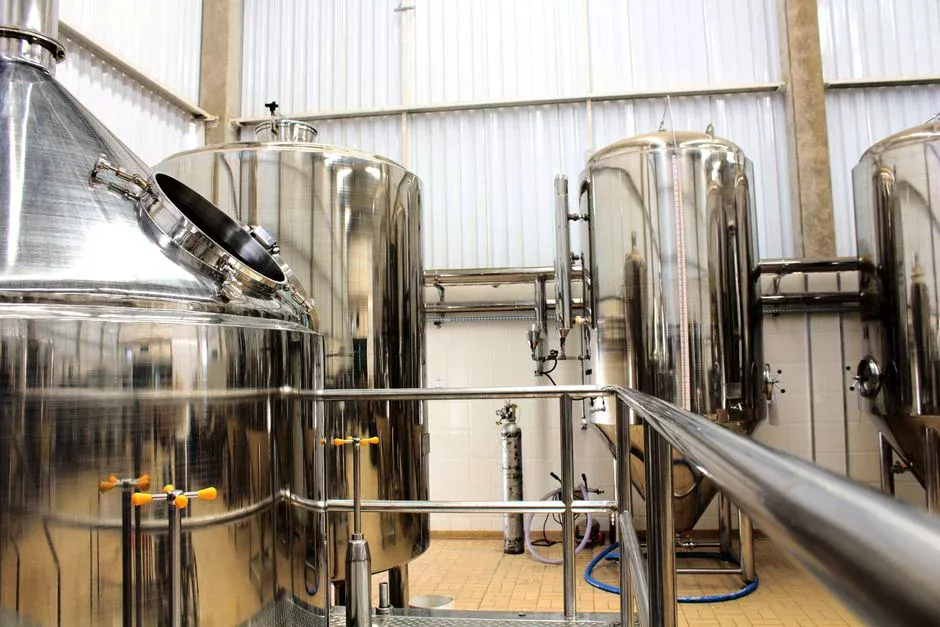
Order-of-magnitude 2026 CAPEX for a skid-mounted DAF in the 25-100 GPM range runs roughly USD 80,000-220,000 installed; an equivalent-capacity lamella clarifier runs USD 45,000-110,000 installed. A compact skid DAF typically costs 1.5-2x a lamella clarifier of equal flow, and that ratio is roughly stable across the 25-100 GPM band. OPEX tilts the other way: a DAF uses more power (air compressor, recycle pump) and a polymer dose, but it produces a drier float that dewateres cheaply; a clarifier is cheaper to run on utilities but produces wetter underflow sludge that stresses downstream dewatering equipment. The DAF float typically feeds a small filter press directly; the clarifier underflow usually needs a thickener first. For a Largo plant, a downstream HydropureWater plate and frame filter press paired to the DAF captures the float at 18-25% dry solids cake and reduces hauled sludge volume by 70-80% versus the clarifier underflow case.
The payback arithmetic on a DAF premium is a surcharge-avoidance story. A 50 GPM Largo line with 600 mg/L O&G influent pays surcharges on roughly 1,500 lb/day of O&G above the local threshold; at 95% DAF removal the surcharge base drops by about 1,275 lb/day, which on typical 2026 Pinellas surcharge schedules lands in the USD 2,000-4,000/month range of avoided fees. Against a DAF-versus-clarifier CAPEX premium of USD 35,000-110,000, that math pays back the DAF premium in roughly 18-30 months — frame this as a worked example with a stated assumed surcharge rate, not a guaranteed number, because Pinellas surcharge schedules and individual plant permits vary.
| Cost Item (50 GPM, 2026 USD) | DAF Primary | Lamella Clarifier Primary |
|---|---|---|
| Equipment + install CAPEX | USD 80,000-220,000 | USD 45,000-110,000 |
| Monthly power + polymer | USD 600-1,200 | USD 200-500 |
| Sludge hauling (after filter press) | Lower (drier float) | Higher (wet underflow) |
| Payback vs clarifier alternative | 18-30 months on surcharge savings | — (baseline) |
Recommendation for Largo Fabricated Metals Plants in 2026
Default to a skid-mounted DAF as primary with a lamella clarifier as polish. This is the configuration SigmaDAF, Ecologix, and HydropureWater all converge on for oily metals streams, and it is the configuration that lets a Largo plant defend both 40 CFR 433 daily-max compliance and Pinellas County surcharge exposure with the same equipment train. For a stamping-only shop with very low swarf and minimal grinding, a single DAF plus cartridge filtration may replace the clarifier entirely, and that simpler train is easier to operate with a one-person pretreatment staff. For a heavy-machining or grinding shop with a light oil load, the order can be reversed: lamella clarifier first to drop swarf and metal hydroxide, with a polish DAF brought online only if oil excursions start triggering Pinellas surcharges.
In every case, pair the separator with a PLC-controlled automatic chemical dosing system for stable floc and lower operator attention. A Largo plant without dedicated wastewater staff cannot run a manually tuned coagulant/pH program shift-to-shift and expect consistent 95% O&G removal; the dosing system is what makes the DAF deliver its nameplate performance in real operations. For deeper specification work on the flotation side, the pressure flotation system specifications guide walks through saturator pressure, recycle ratio, and nozzle selection in engineering detail.
Frequently Asked Questions
What removal rate should a Largo fabricated-metals plant expect from a DAF on emulsified coolant?
A properly sized and chemically conditioned DAF achieves 90-95% oil and grease removal on emulsified coolant and stamping-lube streams, versus 60-75% for a clarifier on the same feed (per Ecologix 2026). That is the difference between comfortably meeting the 40 CFR 433 daily-max O&G of 38 mg/L and risking quarterly exceedances.
Does a DAF alone satisfy EPA Metal Finishing categorical standards at 40 CFR 433?
No. The 1.71 mg/L total metals cap under 40 CFR 433 requires hydroxide precipitation plus a sedimentation or filtration polish stage after the DAF; the DAF handles the oil and a large fraction of TSS, but dissolved zinc, lead, nickel and copper must be precipitated as metal hydroxides and then separated in a downstream clarifier or filter.
How does Pinellas County Utilities handle sampling and reporting for fabricated-metals discharges in 2026?
Pinellas County Utilities accepts 24-hour composite samples for the metals panel under 40 CFR 433 and grab samples for O&G in most local permits, with strength-based surcharges applied per pound above thresholds that typically sit near 100 mg/L O&G and 300 mg/L BOD. A DAF-primary train that lands effluent O&G at 10-20 mg/L usually drops a Largo plant below the surcharge line entirely.
Can a lamella clarifier replace a DAF for a stamping-only shop in Largo?
Only if the shop has minimal coolant emulsion and primarily free-floating tramp oil, which is uncommon in practice. For most Largo fabricated-metals streams — even stamping-only — drawing compounds and lubes form stable emulsions below 50 µm that a clarifier cannot break, so the DAF as primary remains the defensible choice. Maintenance philosophy parallels the broader petrochemical wastewater plant maintenance approach described in the petrochemical wastewater plant maintenance guide.