Why Industrial Wastewater Treatment Matters in Belo Horizonte
Belo Horizonte, a vital industrial hub in Brazil, faces significant environmental challenges due to its dense manufacturing activity and the strain on existing wastewater infrastructure. With only 44% of urban sewage treated across Minas Gerais, the region's water bodies are under immense pressure, leading to contamination and increasing compliance risks for industrial operators. Industrial dischargers are now under heightened scrutiny, compelled to adhere to stringent national regulations like CONAMA Resolution 430/2011 and potentially stricter state-level standards. Failure to comply can result in substantial fines, operational disruptions, and reputational damage, making robust industrial wastewater treatment not just an environmental imperative but a strategic business necessity for facilities in Belo Horizonte and the broader Minas Gerais state.
Common Industrial Wastewater Streams in Minas Gerais
The diverse industrial landscape of Minas Gerais generates a wide spectrum of wastewater compositions, each requiring tailored treatment approaches. Understanding these specific contaminants is the first step in selecting an effective and compliant treatment system. For instance, the food and beverage sector typically produces effluents with high biochemical oxygen demand (BOD) ranging from 500 to 2,000 mg/L, alongside significant levels of fats, oils, and grease (FOG). These characteristics necessitate primary treatment methods like flotation, followed by robust biological treatment stages to reduce organic load.
Textile mills, on the other hand, often discharge highly colored wastewater containing substantial amounts of chemical oxygen demand (COD), frequently between 800 and 3,000 mg/L, and elevated suspended solids. Effective treatment for these effluents usually involves a combination of chemical coagulation and flocculation to destabilize and aggregate pollutants, followed by technologies such as Dissolved Air Flotation (DAF) to remove the precipitated solids.
Metalworking and automotive industries generate wastewater commonly contaminated with emulsified oils and heavy metals. Such challenging effluents often require advanced treatment, beginning with DAF systems to separate free and emulsified oils, followed by precise chemical dosing for precipitation of dissolved metals and other contaminants.
The pharmaceutical and chemical industries present some of the most complex wastewater treatment challenges, often dealing with recalcitrant organic compounds and trace contaminants that resist conventional biological degradation. These facilities typically require advanced oxidation processes or membrane bioreactor (MBR) systems to achieve the stringent effluent quality needed for compliance or water reuse.
Top Treatment Technologies for Industrial Use
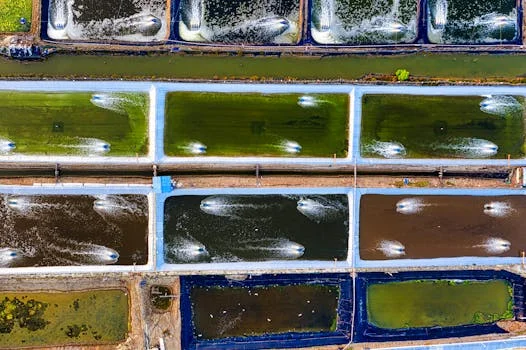
Selecting the appropriate industrial wastewater treatment technology is crucial for achieving compliance, operational efficiency, and cost-effectiveness. Several advanced systems are particularly well-suited for the demanding conditions found in Belo Horizonte's industrial zones. Dissolved Air Flotation (DAF) systems are highly effective for removing suspended solids and FOG, capable of achieving 90–95% removal rates. These systems are ideal for treating influent flows ranging from 4 to 300 m³/h and are widely applied in sectors like food processing, textiles, and petrochemicals. You can explore high-efficiency DAF systems for FOG and TSS removal at HydropureWater's DAF product page.
Building on the need for efficient treatment solutions, Upflow Anaerobic Sludge Blanket (UASB) reactors are also viable for industrial effluents with high organic loads. They can achieve 70–85% COD removal at organic loading rates of 5–10 kg COD/m³·d, making them suitable for high-BOD industrial wastewater streams.
Membrane Bioreactor (MBR) systems offer a significant advantage by producing exceptionally high-quality effluent, often with total suspended solids (TSS) below 1 μm, which can enable direct water reuse. MBRs are also remarkably space-efficient, typically requiring up to 60% less footprint than conventional activated sludge systems. Learn more about the benefits of a compact MBR system for high-quality effluent and reuse on HydropureWater's MBR product page.
Precise control over chemical processes is often essential. Chemical dosing systems, equipped with Programmable Logic Controller (PLC) control, ensure accurate pH adjustment, coagulation, and flocculation. This precision is critical for optimizing the performance of upstream or downstream treatment units like DAF or precipitation tanks, ensuring consistent effluent quality. These systems are available at HydropureWater's chemical dosing system page.
| Technology | Primary Application | Typical Removal Efficiency (TSS/FOG/COD/BOD) | Flow Rate Range (m³/h or m³/day) | Footprint Impact | Key Advantages |
|---|---|---|---|---|---|
| Dissolved Air Flotation (DAF) | FOG, TSS, light solids | 90–95% TSS/FOG | 4–300 m³/h | Moderate | Effective for oil/grease and suspended solids; versatile across industries. |
| UASB Reactor | High BOD/COD organic waste | 70–85% COD | Varies widely, suitable for large volumes | Large footprint | Cost-effective for high organic loads; generates biogas. |
| Membrane Bioreactor (MBR) | High effluent quality, nutrient removal, water reuse | <10 mg/L TSS; High BOD/COD removal | 10–2,000 m³/day | Compact | Superior effluent quality; small footprint; enables water recycling. |
| Chemical Dosing Systems | pH adjustment, coagulation, flocculation, precipitation | N/A (supports other processes) | N/A (scales with main system) | Small | Precise chemical addition; process control and automation. |
Comparison of Industrial Wastewater Systems for Belo Horizonte Factories
Industrial facilities in Belo Horizonte must carefully evaluate wastewater treatment options to ensure compliance and operational efficiency. A key consideration is the capital expenditure (CapEx) associated with each technology. DAF systems typically represent a moderate investment, with CapEx ranging from $30,000 to $250,000, depending on capacity and features. They excel in removing 90–95% of TSS and FOG and can handle flow rates from 4 to 300 m³/h, offering relatively low maintenance due to automatic skimming.
MBR units, while offering the highest effluent quality and water reuse potential, come with a higher CapEx, generally between $80,000 and $1.2 million. Their ability to consistently achieve TSS levels below 10 mg/L and their compact design make them ideal for facilities with very strict discharge limits or water scarcity concerns. For detailed analysis on MBR costs and performance, refer to real-world MBR system pricing and performance data.
Package A/O plants, such as the WSZ series, offer a robust biological treatment solution with CapEx ranging from $20,000 to $180,000. These systems can achieve 85–92% BOD removal and are designed for flow rates from 1 to 80 m³/h. Their fully automated operation and potential for buried installation provide flexibility in site layout. Explore these integrated solutions at HydropureWater's WSZ series product page.
While not a primary treatment technology, plate and frame filter presses are indispensable for sludge dewatering, a critical step in managing treatment byproducts. Their CapEx can range from $15,000 to $200,000, with filtration areas from 1 to 500 m². They are essential for reducing the volume of sludge, thereby lowering disposal costs. These dewatering solutions are detailed at HydropureWater's filter press product page. Comparative data on DAF systems can be found in industrial DAF system cost and efficiency analysis.
| System Type | Estimated CapEx Range (USD) | Typical Effluent Quality (TSS/BOD) | Capacity Range | Key Considerations |
|---|---|---|---|---|
| DAF System | $30,000 – $250,000 | 90–95% TSS/FOG removal | 4–300 m³/h | Effective for oil, grease, and solids; moderate footprint. |
| MBR Unit | $80,000 – $1,200,000 | <10 mg/L TSS; High BOD/COD reduction | 10–2,000 m³/day | Highest effluent quality, water reuse, compact footprint; higher energy use. |
| Package A/O Plant (e.g., WSZ) | $20,000 – $180,000 | 85–92% BOD removal | 1–80 m³/h | Automated, integrated solution; flexible installation. |
| Plate and Frame Filter Press | $15,000 – $200,000 | 40–60% solids capture (sludge dewatering) | 1–500 m² filtration area | Essential for sludge volume reduction and disposal cost management. |
Meeting Regulatory Standards in Minas Gerais

CONAMA Resolution 430/2011 establishes national discharge standards for industrial wastewater in Brazil, setting maximum limits such as 60 mg/L BOD, 100 mg/L TSS, and requiring pH to be maintained between 6 and 9 for effluents discharged into water bodies. However, state environmental agencies, such as COPAM/MG, often impose stricter local limits, particularly in ecologically sensitive areas.
To demonstrate compliance and avoid penalties, industries are mandated to conduct regular monthly monitoring of their effluent quality and meticulously maintain detailed treatment logs. These records are crucial for environmental audits and inspections. Implementing an effective on-site wastewater treatment system, such as those offered by HydropureWater, ensures that facilities can consistently meet these evolving regulatory requirements, safeguarding both the environment and their operational continuity.
Frequently Asked Questions
What is the most common industrial wastewater treatment system in Belo Horizonte? While UASB reactors are widely adopted, particularly for municipal wastewater, DAF and MBR systems are increasingly favored in industrial zones for their superior ability to meet stricter effluent quality standards and enable water reuse.
How much does an industrial wastewater treatment plant cost in Belo Horizonte? Costs vary significantly based on flow rate, contaminant levels, and technology. Small DAF systems can start around $30,000, while comprehensive MBR plants can exceed $1 million. Package plants and customized solutions offer a range of investment options.
What are the three types of industrial wastewater treatment? Industrial wastewater treatment is generally categorized into primary (physical removal of solids and FOG, e.g., DAF, sedimentation), secondary (biological degradation of organic matter, e.g., UASB, activated sludge), and tertiary (advanced treatment for specific pollutants, nutrient removal, or disinfection, e.g., MBR, reverse osmosis). Often, hybrid systems combining these stages are employed.
Can industrial wastewater be treated on-site in Belo Horizonte? Yes, absolutely. Modular and package wastewater treatment systems, like the WSZ integrated units or DAF systems from HydropureWater, are designed for compact, compliant, and efficient on-site treatment, offering flexibility and cost savings compared to discharging to overloaded municipal networks.
Where can I find a reliable wastewater