What Domestic Sewage Treatment in Ahmadi Must Achieve
Domestic sewage treatment in Ahmadi should be selected against a verified discharge or reuse objective, not by treatment capacity alone. Domestic wastewater is generated by washing clothes and utensils, bathing, cleaning, defecation and urination, as defined in the 2022 Water review. Treatment objectives include removing biodegradable organic matter, removing nutrients, destroying pathogens and preventing water pollution. The appropriate route depends on verified flows, wastewater characteristics, available space, collection infrastructure, receiving conditions and locally applicable discharge or reuse requirements; no Ahmadi-specific limits were provided in the research.
Start by establishing whether the treated water will be discharged to a sewer, land, surface water or a defined reuse application. Each destination creates a different compliance and process question. Sanitation and odour control are not substitutes for nutrient, solids or pathogen requirements, and irrigation or process reuse may require additional treatment and monitoring beyond the stated project objective.
Domestic sewage must also be distinguished from mixed industrial wastewater. The 2022 Water review identifies industrial chemicals, pesticides, pharmaceuticals, personal-care products and heavy metals as contaminants that may require specific characterization and can change the process train. A factory discharge connected to a domestic system should not be accepted on the basis of a domestic flow calculation alone.
Before requesting a design and quotation, obtain:
- Average daily flow, peak hourly flow and seasonal or shift-based variation.
- Wastewater characteristics, including organic load, suspended material, dissolved solids, pH and relevant contaminants.
- The intended discharge route, receiving conditions and reuse requirements.
- Available footprint, excavation conditions, power supply and maintenance access.
- Collection-system information, including surcharge, infiltration, inflow and possible blockage risks.
The 2022 Water review reports municipal effluent TDS of 150–380 mg/L and cites 2,000 mg/L as the maximum permissible wastewater TDS in its discussion. These are research context, not confirmed Ahmadi discharge limits. The broader decision basis is set out in this domestic sewage treatment buyer’s guide.
Choose a Decentralized or Centralized Treatment Route
Decentralized treatment is generally easier to justify where wastewater generation is isolated, the site is owned by the user, local collection infrastructure is unavailable or unreliable, and a single facility can be operated with limited staffing. Centralized treatment becomes more relevant where an existing sewer can receive the flow, multiple properties are already connected, and treatment capacity, monitoring and operating responsibility are managed at network level. Neither route is inherently superior; the decision depends on infrastructure access, flow predictability, operating responsibility, redundancy and expansion plans.
The US EPA states that sanitary sewers collect wastewater separately, while infiltration and inflow during wet weather can cause sewer overflows and treatment-plant operating problems. Wet-weather peaks can also affect treatment efficiency, reliability and control of unit operations. A decentralized plant removes part of the collection-system risk, but it does not remove the need to manage local peak flow, pumping, power interruption and maintenance access. A centralized route exposes the project to network conditions that should be included in the flow basis.
The 2022 Water review provides a useful comparison framework: waste type and concentration, heterogeneity, required cleanup, practicality, operational difficulty, environmental impact and treatment cost. Apply those criteria to both options. The underground package sewage treatment plant represents the decentralized route, while an MBR membrane bioreactor system may suit a compact site with stringent solids separation or reuse potential.
| Decision factor | Decentralized on-site route | Centralized collection and treatment route |
|---|---|---|
| Infrastructure | Requires local collection, treatment, power and maintenance provision. | Depends on sewer availability, capacity, condition and connection requirements. |
| Flow management | Peak flow must be handled at the site and checked for collection-system variation. | Wet-weather infiltration, inflow and blockage risks must be assessed at network level. |
| Operations | Site operator or service contract must cover process control, sludge, spares and alarm response. | Network operator remains responsible, subject to contractual and regulatory confirmation. |
| Expansion | Future flows may require additional modules or a larger inlet arrangement. | Central capacity and network extensions may absorb expansion more readily. |
| Best fit | Constrained sites, isolated developments and locations without dependable sewer access. | Connected developments where a suitable sewer and treatment capacity are available. |
A package plant is practical where the wastewater is predominantly domestic, the footprint is constrained and a compact automated biological train can be maintained under a defined service arrangement. An MBR merits evaluation where membrane separation, very low suspended solids, reuse potential or footprint reduction carries sufficient value to justify the additional membrane-system, sludge and operational considerations. Neither should be selected before the effluent objective and influent envelope are defined.
Compare the Main Domestic Sewage Treatment Processes
The process comparison should follow the 2022 Water review’s classification of preliminary, primary, secondary and advanced treatment, because the required train depends on the quality of the incoming flow and the receiving or reuse route. A supplier should not select a process from a generic outlet description; it should identify the unit operations, design influent and guaranteed outlet parameters for the actual wastewater.
Activated sludge provides a biological treatment function but requires aeration, sludge management, process control and adequate space for the selected configuration. Built wetlands and stabilization ponds can provide low-energy biological treatment, but they need land and careful consideration of hydraulics, climate and residual solids. Trickling filters offer a fixed-film biological route; however, the 2022 Water review describes them as simple and reliable while warning that sudden changes in sewage flow or character can disrupt the process. Membrane bioreactors combine biological treatment with membrane separation, supporting compact installations and high-quality effluent, but require membrane operation, cleaning, monitoring and specialist maintenance.
| Process route | Primary function | Project conditions that favor evaluation | Key checks before selection |
|---|---|---|---|
| Activated sludge | Biological removal of biodegradable organic matter and, where designed, nutrients. | Domestic or suitably characterized waste with a reliable biological and sludge-handling route. | Aeration, settling, sludge withdrawal, control, space and start-up conditions. |
| Trickling filter | Fixed-film biological treatment. | Wastewater flow and character are sufficiently stable and land is available. | Hydraulic distribution, biofilm stability and response to sudden flow or composition changes. |
| Built wetland | Low-energy biological and solids-removal treatment. | Land availability and an operating model compatible with the treatment objective. | Seasonal hydraulic performance, land area, solids accumulation and effluent route. |
| Stabilization pond | Biological treatment and solids settling in a lined or controlled basin. | Area is available and the design climate is compatible with pond performance. | Evaporation, seepage, odour, vector control, land and residual-sludge handling. |
| MBR | Biological treatment followed by membrane separation. | Compact installation, low suspended solids or reuse potential is important. | Membrane cleaning, replacement, controls, mixed liquor characteristics and operator competence. |
Preliminary treatment normally addresses gross solids and screening; primary treatment addresses settleable material; secondary treatment provides the main biological function; and advanced treatment is added where the required outlet or reuse specification requires further solids separation, nutrient control, disinfection or contaminant removal. The exact sequence must follow the project’s treatment objective.
Require every bidder to state the design influent, guaranteed outlet parameters, test methods and operating envelope. Avoid comparing processes through unsupported removal percentages. Where membrane separation is being considered, the MBR and conventional activated-sludge comparison provides a technical starting point, but the project wastewater must still determine the decision.
Match Packaged Equipment to the Application
Equipment selection should follow the application, flow envelope and site constraints rather than a catalogue capacity label. The WSZ Series combines A/O biological contact oxidation, sedimentation and disinfection in one buried package; the verified HydropureWater product catalog states a capacity of 1–80 m³/h, full automation and no operator required. It is relevant to residential communities, hotels, hospitals, factories and rural applications, but the claimed flow range cannot replace verified site sizing or confirmation of the outlet objective.
The MBR system uses activated sludge with submerged PVDF membrane filtration. The verified product catalog states a capacity range of 10–2,000 m³/day, filtration below 1 μm and a footprint 60% smaller than conventional systems. These are equipment-specific catalog claims, not guarantees for an Ahmadi project. The buyer must confirm how the stated capacity maps to the design average and peak flows and whether the guaranteed outlet supports the intended discharge or reuse route.
| Application or issue | Relevant equipment route | Procurement check |
|---|---|---|
| Compact domestic treatment | WSZ Series A/O contact oxidation, sedimentation and disinfection package. | Match verified average and peak flows to the 1–80 m³/h catalog capacity; confirm installation, access and service scope. |
| Low suspended solids, reuse or compact MBR installation | MBR membrane bioreactor system with submerged PVDF membranes. | Confirm the 10–2,000 m³/day catalog capacity against the design basis and verify the required outlet specification. |
| Rags, plastics, fibers or debris | Headworks screening, potentially a rotary mechanical bar screen. | Characterize the solids; define screen aperture, extracted-material handling, bypass and maintenance access. |
| Residual sludge handling | Sludge storage or dewatering, potentially a plate-frame filter press. | Define sludge generation, moisture target, cake handling, odour control and final disposal route. |
Screening belongs in the proposed train when incoming solids could overload biological equipment, pumps or valves. A rotary mechanical bar screen is a candidate where continuous or mechanically assisted removal is justified by the solids assessment; it is not automatically required for every domestic site. Similarly, sludge dewatering should be considered when the residual sludge route, transport frequency, storage constraints or disposal conditions make dewatering necessary.
Final selection requires verified flow, wastewater analysis, soil and groundwater conditions, access, power and the applicable local discharge or reuse conditions. Equipment claims should remain separate from the project-specific design, civil works, guarantees and acceptance criteria.
Build a Site-Specific Sizing and Procurement Checklist
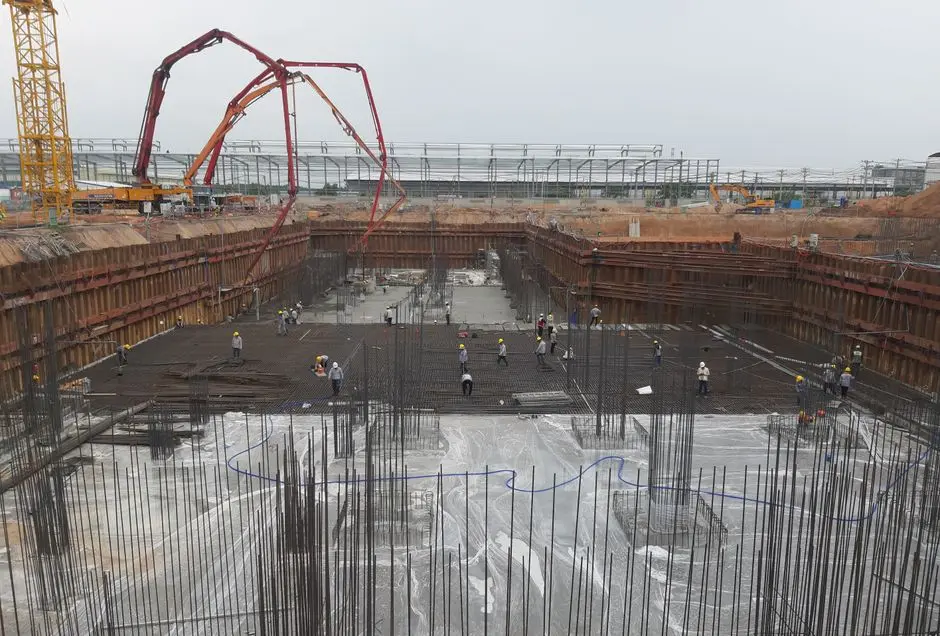
A comparable bid begins with one documented design basis. Without verified flow and wastewater data, a capacity statement is not a design. The buyer should require every bidder to use the same flow basis, inlet characteristics, outlet requirements, civil assumptions and acceptance method.
- Establish average daily flow, peak hourly flow, seasonal variation, occupancy or operating shifts, and any documented expansion allowance.
- Obtain wastewater analysis covering BOD or COD, suspended solids, TDS, pH, oil and grease where relevant, nutrients, pathogens and any industrial contaminants.
- Define the discharge or reuse route, applicable authority, proposed outlet specification and intended sampling point.
- Require the bidder to state the process route, unit dimensions, civil works, utilities, installation method, controls, alarms, duty and standby arrangements, testing, training, warranty and maintenance support.
- Clarify the design influent, guaranteed outlet parameters, test standards, sampling procedure, start-up period, operating costs and replacement items.
- For buried systems, add excavation depth, groundwater level, soil permeability, buoyancy protection, access covers, traffic loading, odour control and safe maintenance access.
This sequence converts domestic sewage sizing from a catalogue exercise into an auditable design process. The guide to sizing a containerized MBR sewage treatment plant illustrates the same principle: capacity cannot be separated from influent quality, peak conditions and site constraints.
| Bid document item | Minimum information required | Reason it matters |
|---|---|---|
| Design basis | Average flow, peak flow, variability, occupancy or shifts, expansion basis and analysis results. | Prevents equipment selection based on an unverified or inconsistent flow. |
| Process guarantee | Design influent, guaranteed outlet values, operating envelope and test methods. | Defines what the supplier is actually accepting responsibility for. |
| Civil and installation scope | Excavation, supports, piping, access, utilities, control system and restoration requirements. | Separates plant supply from the site works needed to operate it. |
| Commissioning | Start-up period, testing, training, sampling, spares, documentation and performance demonstration. | Connects procurement to measurable completion and handover. |
| Lifecycle commitment | Maintenance scope, replacement items, energy use, sludge route and support arrangements. | Exposes operating obligations and costs omitted from the capital price. |
Confirm Compliance, Commissioning and Lifecycle Performance
A treatment plant is not complete when the equipment is delivered; acceptance must demonstrate that the installed works handle the specified influent and produce the agreed outlet under defined test conditions. The US EPA distinguishes collection-system problems from treatment performance: infiltration and inflow, wet-weather peak flows, blockages, broken pipes, equipment failures and vandalism can create overflows or operating problems. A site acceptance plan should therefore examine both the treatment process and every upstream and downstream flow path.
No Ahmadi-specific environmental permit, reuse approval or discharge limit was provided in the research. The manufacturer or civil contractor should identify the governing authority, environmental permit, reuse approval, building requirement and client specification, and provide documentary confirmation rather than assume that a generic outlet specification is sufficient.
Commissioning should cover start-up, hydraulic loading, biological acclimation, sampling, operator training, critical spares, local or remote controls, alarm response and routine maintenance. Acceptance testing should state the sampling points, test standards, operating condition, number of tests and pass criteria. The selected process must also have a defined residual-sludge route.
The 2022 Water review identifies maintenance and monitoring, emerging contaminants, efficiency limitations, sludge treatment and disposal as factors that materially increase total wastewater-treatment cost. These items belong in the commercial comparison, not merely in the operating manual.
For ecological context, the same 2022 Water review cites an effluent dissolved-oxygen threshold of at least 4 mg/L after treatment because lower levels can adversely affect aquatic organisms. Treat this as a research reference point, not as a substitute for the applicable Ahmadi effluent specification. A broader design review is available in this effluent treatment plant design guide.
Frequently Asked Questions
Can one package plant serve multiple buildings in a compound?
Yes, if the selected package has sufficient verified capacity and the collection layout, wastewater characteristics and applicable design conditions support it. Ask the bidder to demonstrate the combined average flow, peak flow and incoming water quality; a single building’s flow estimate cannot justify plant size for a mixed-use compound.
How should quotations for a sewage treatment system in Ahmadi be compared?
Put all bidders on the same basis: design influent, guaranteed outlet, test methods, civil scope, installation, commissioning, warranty, maintenance and energy or operating-cost assumptions. Confirm which authority governs the discharge or reuse route and request the documents supporting each compliance statement.
Is an MBR always the best technology for domestic wastewater treatment?
No. An MBR is a strong candidate where membrane separation, footprint reduction, very low suspended solids or reuse potential is important. The final choice must also address wastewater characteristics, membrane operation, sludge, site conditions and lifecycle cost; this municipal sewage treatment plant solutions reference provides context for comparing treatment routes.
How much does a sewage treatment system in Ahmadi cost?
The research contains no defensible local price, and the supplied equipment information does not provide a project quotation. Request a priced bill of quantities based on verified average and peak flows, wastewater analysis, the selected process, required outlet, civil works, utilities, installation, commissioning, controls, training, warranty, maintenance, sludge handling and replacement items. This plant-acquisition wastewater compliance reference highlights why permits and operating conditions must be identified during due diligence rather than after equipment selection.