
What an Effluent Treatment Plant in Entebbe Must Achieve
An effluent treatment plant in Entebbe should be selected only after the facility defines its wastewater flow, physical, chemical and biological characteristics, discharge point and receiving environment. Uganda’s National Environment (Standards for Discharge of Effluent into Water or Land) Regulations, 2020 require pollution-prevention measures and suitable treatment facilities. A facility that discharges to water or land may also need a NEMA licence to own and operate an ETP and must apply to the lead agency responsible for water resources for an effluent discharge permit. The application can require influent analysis, a plant layout, a contingency plan, monitoring conditions and laboratory analysis of an existing plant’s effluent.
The required outcome is a permitted discharge, not simply clarified water. Wastewater & Wastes Digest explains that industrial or commercial premises can produce effluent and that it cannot enter a river, reservoir, stream or lake unless it is cleaned and treated first. The applicable permit and receiving environment must therefore define the discharge objective; an ETP does not automatically make effluent suitable for every receiving water or reuse route.
Base treatment and advanced polishing are different design stages. The University of Twente investigated nanofiltration as a technique for polishing wastewater-treatment-plant effluent for agricultural or indirect and direct potable-use applications. Separately, Wageningen University and Research published research on 23 September 2022 examining constructed wetlands for removing micropollutants from wastewater-treatment-plant effluent. Neither source establishes an Entebbe-specific reuse classification or discharge limit, so the final design requires project-specific regulatory confirmation.
For a process stream that needs biological treatment and membrane separation, an integrated MBR wastewater treatment system is one candidate. It should be assessed against the verified effluent duty, not selected as a generic substitute for a complete industrial treatment train.
Uganda’s Permit and Compliance Path
Uganda’s regulatory path separates prevention, treatment-plant licensing and discharge-permit approval. The National Environment (Standards for Discharge of Effluent into Water or Land) Regulations, 2020 are Statutory Instrument No. 144, made on 27 March 2020 and published in the Uganda Gazette on 21 December 2020.
Regulation 4 requires a person whose activities are likely to produce effluent to prevent and mitigate pollution, including through best available technologies, cleaner production techniques and installed treatment equipment. Its cleaner-production examples include process-efficiency improvements, material substitution, inventory control, preventive maintenance, improved housekeeping and in-process recycling. These measures should be assessed before equipment is ordered because preventing wastewater generation can reduce the treatment duty.
Regulation 8 requires an application to NEMA for a licence to own and operate an effluent treatment plant where production processes or operations are likely to generate effluent for discharge into water or land. Regulation 9 separately requires an effluent discharge-permit application to the lead agency responsible for water resources.
| Regulatory requirement | Decision relevance |
|---|---|
| Regulation 8: NEMA licence to own and operate an ETP | Applies to a facility whose production or operations are likely to generate effluent for discharge into water or land. |
| Regulation 9: discharge-permit application | Submitted to the lead agency responsible for water resources in the prescribed format and on payment of the prescribed fee. |
| Schedule 2 | General chemical and microbiological discharge standards. |
| Schedule 3 | Standards for inorganic-substance effluent discharge. |
| Schedule 4 | Standards for organic-substance effluent discharge. |
Regulation 9 requires the expected physical, chemical and biological composition of the effluent, a description of the receiving environment, the ETP site-layout plan and a contingency plan covering accidents, effluent spillage, operational shutdown, breakdown or treatment failure. It also requires an applicable environmental and social impact assessment certificate and, where relevant, the NEMA ETP licence. For an existing ETP, the application must include a laboratory analysis report from a laboratory gazetted or designated under the National Environment Act.
Permit conditions may specify the maximum daily discharge volume, maximum instantaneous rate, sampling method and location, discharge point, parameters, analysis frequency and applicable standards. Under Regulation 15, a discharge permit may be valid for no more than three years. Regulations 19–22 address effluent records and reporting, monitoring and inspection, independent laboratory analysis and notifications. Assign the permit-holder duties, sampling responsibilities, operating records and corrective actions in writing before the facility begins discharge.
Build the Project Basis from Actual Effluent Data
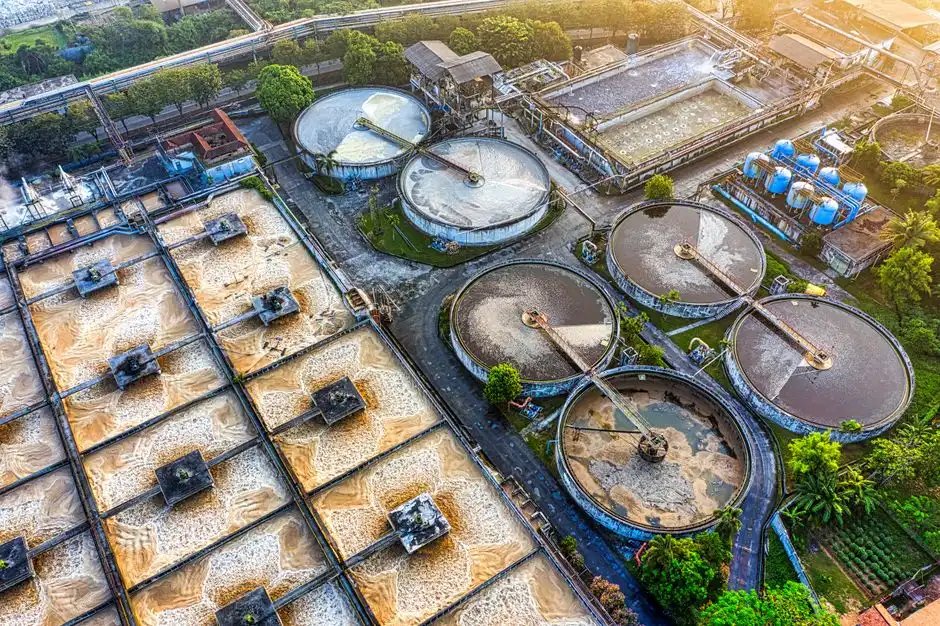
Accurate flow and contaminant data determine whether an ETP is technically feasible and commercially comparable. A flow survey must cover current and planned production, operating shifts, batch discharges, storm-water entry, cleaning operations and dilution streams. Average daily consumption cannot substitute for peak flow, and dilution should not be treated as an uncontrolled treatment strategy.
Regulation 9 expressly requires the expected physical, chemical and biological composition of the effluent in the permit application. Commission representative sampling rather than relying only on one spot sample. The analysis should include suspended solids, oil and grease, fat, oil and grease, pH and biological oxygen demand, together with the parameters identified by the applicable permit and process-specific constraints.
| Design input | Information the buyer must obtain | Use in the decision |
|---|---|---|
| Hydraulic profile | Average and peak flow, batch releases, storm-water entry and dilution streams | Equalization, treatment capacity, storage and controls |
| Representative analysis | Physical, chemical and biological composition, including pH, suspended solids, oil and grease, FOG and BOD | DAF, biological, clarification and polishing duties |
| Discharge route | Discharge point, receiving environment and intended reuse route | Permit conditions and final treatment objective |
| Site constraints | Footprint, power, access for maintenance and sludge-removal arrangements | Equipment arrangement, civil scope and maintainability |
The supplied research provides no Entebbe-specific flow, footprint, power, reuse classification or discharge-limit values. Those remain project inputs and must not be replaced with generic assumptions. If the proposal depends on a DAF system for industrial wastewater pretreatment, verify the oily, FOG and solids loads against its duty before sizing the unit.
A public-sewer discharge is an alternative regulatory route, not an automatic substitute for on-site treatment. Regulation 7 prohibits substances barred by the Water (Sewerage) Regulations and requires approval in accordance with those regulations. Obtain that approval and establish industrial compatibility with the receiving sewer before redesigning the plant around that route.
Match the Treatment Train to the Contaminants
The treatment train should start with the contaminant problem and end with a controlled discharge or reuse step. A typical sequence is influent characterization and equalization, screening or solids removal where required, DAF for suitable oily or solids-rich industrial streams, biological treatment, clarification, membrane polishing where justified, disinfection where required, and controlled discharge. Segregate incompatible streams before they mix if that improves treatment reliability.
| Module | Primary function | Stated catalogue or research scope | Selection condition |
|---|---|---|---|
| DAF | Suspended-solids, FOG, oil-and-grease and colloidal removal using micro-bubble flotation and automatic skimming | HydropureWater standard models span 4–300 m³/h | Use where analysis shows a suitable separation duty. |
| MBR | Activated sludge combined with submerged PVDF membrane filtration | Filtration below 1 μm; 60% less footprint than conventional systems; 10–2,000 m³/day | Use where biological treatment and membrane separation are both required. |
| UF | Polishing or pretreatment using 0.03 μm PVDF membranes; bacteria, colloid and suspended-solids removal without chemicals | 2,000–40,000 L/h; turbidity up to 300 ppm | Use only within the stated hydraulic and feed-quality limits. |
| Integrated sewage package | Biological treatment for sewage-type flows using A/O contact oxidation, sedimentation and disinfection | 1–80 m³/h | Do not assume it is suitable for every industrial process stream. |
| Sludge treatment | Plate-and-frame dewatering; lamella clarification with flocculation and sludge recirculation | Filter-press filtration areas 1–500 m²; lamella surface loading 20–40 m/h; lamella chemical use reduced by up to 30% | Match sludge volume and characteristics to the disposal route. |
DAF is a pretreatment function, not a substitute for biological treatment or final polishing. MBR combines biological treatment with membrane separation. UF is principally a polishing or pretreatment option. The DAF system for industrial wastewater pretreatment, integrated MBR wastewater treatment system and UF membrane polishing should therefore be evaluated as duties within a complete train.
Sludge handling belongs in the process design. The plate-and-frame filter press and lamella clarifier address different solids-handling functions, but the final arrangement must reflect the generated sludge, dewatering method, collection route and disposal or reuse endpoint. Validate the sequence against the wastewater analysis, permit conditions and intended reuse. The research provides no universal Entebbe process-selection formula.
Choose Equipment by Performance, Capacity and Lifecycle
A technically suitable proposal must map each equipment item to a measured duty and permit obligation. Ask every supplier to demonstrate how its unit handles the verified flow range, contaminant profile, discharge permit and reuse specification, including equalization, pretreatment, biological duty, polishing and sludge handling.
For DAF, compare the stated 4–300 m³/h catalogue range, float removal, skimming, control arrangement and suitability for oil, FOG and colloids. For MBR, verify the stated 10–2,000 m³/day range, filtration below 1 μm, submerged PVDF configuration, footprint and biological treatment duty. For UF, compare the stated 2,000–40,000 L/h range, 0.03 μm membrane, acceptance of turbidity up to 300 ppm, automatic backwash and air scour. These are catalogue comparison points, not proof that a unit will meet Entebbe’s permit conditions.
| Supplier submission | Evidence to request | Decision use |
|---|---|---|
| Duty mapping | Verified flow and analysis mapped to each process step | Technical suitability |
| Scope definition | Utilities, civil works, installation, commissioning, training, spares and exclusions | Like-for-like budget comparison |
| Lifecycle plan | Maintenance intervals, membrane or media replacement strategy and spare-parts requirements | Operating-cost and downtime assessment |
| Performance protocol | Commissioning tests, sampling locations, parameter list, reporting format and guarantees | Acceptance and permit demonstration |
Do not publish an Entebbe price range until suppliers receive the flow data, effluent analysis, treatment target, site constraints, civil scope and utility requirements. The supplied research contains no verified local ETP price, so a defensible quotation cannot be produced from the available information.
The DAF equipment selection guide can support preliminary option screening, but suppliers must still show the proposed arrangement and measurable performance tests. Require an MBR equipment proposal to explain how biological loading, membrane operation, cleaning and recovery relate to the actual effluent.
Plan Commissioning, Monitoring and Contingency Controls
Commissioning should demonstrate the conditions written into the issued discharge permit. Before finalizing the treatment train and instrumentation, confirm the prescribed sampling method, locations, parameters and analysis frequency.
Use the permit’s maximum daily volume and maximum instantaneous discharge rate to set operating controls, storage decisions and alarms. Those figures must come from the issued permit because the supplied research contains no Entebbe-specific limits. The as-built site layout should also reconcile with the plan submitted under Regulation 9.
The Regulation 9 contingency plan must cover accidents, effluent spillage, operational shutdown, breakdown or failure of the treatment works or process. Extend it into practical controls: bypass prevention, safe storage capacity, backup power assessment, critical spares, operator instructions, notification routes and the treatment response if a required unit cannot perform its duty.
Test startup, shutdown, transfer between operating modes and loss of power before normal discharge. Include sludge handling, chemical dosing controls, maintenance access and operator competency in readiness reviews. Define the sampling and laboratory arrangements needed to demonstrate permit compliance.
After commissioning, maintain the effluent records and reports required by Regulation 19 and support inspections, independent laboratory analysis and notifications under Regulations 20–22. A defensible compliance file should connect operating logs, laboratory results, corrective actions and permit conditions in one traceable record system.
Frequently Asked Questions
What is the difference between an ETP discharge permit and a licence to own and operate an effluent treatment plant in Uganda?
They are separate approvals. Under Regulation 8, NEMA licences ownership and operation of an ETP where production or operations are likely to generate effluent for discharge into water or land. Under Regulation 9, the discharge-permit application goes to the lead agency responsible for water resources and addresses the proposed discharge, supporting information and enforceable permit conditions.
How much does an effluent treatment plant in Entebbe cost?
The supplied research provides no verified Entebbe price. A defensible quotation requires verified peak and average flow, a representative effluent analysis, the treatment and reuse target, receiving environment, available footprint, power, civil works, sludge route, utilities and installation scope. Request itemized supplier pricing after those inputs are issued; a package price without them is not comparable.
Should an Entebbe factory choose DAF, MBR or UF?
Choose DAF where the analysis supports its solids, oil, FOG and colloidal-removal duty. Choose MBR where biological treatment and membrane separation are required. Choose UF where 0.03 μm membrane polishing or pretreatment is specified and the feed remains within its stated hydraulic and turbidity limits. For a broader technical comparison, see the MBR versus conventional activated-sludge comparison.
How long will an ETP discharge permit remain valid?
Regulation 15 provides that an effluent discharge permit may be valid for a period not exceeding three years. Renewal planning should therefore be incorporated into the facility’s compliance calendar rather than treated as an indefinite approval.