Why Oman’s Water Crisis Demands MBR Technology
Oman’s arid environment, characterized by 82% desert and an average annual rainfall of just 100 mm, presents a critical water scarcity challenge. With no perennial rivers and a growing population, particularly in Muscat, the demand for reliable water sources is escalating. Data from the Oman National Centre for Statistics and Information indicates a significant population increase in Muscat from approximately 1.4 million in 2010 to an estimated 1.8 million by 2025, placing immense pressure on existing water resources and necessitating advanced wastewater reuse strategies. Conventional activated sludge (CAS) systems, while established, are ill-suited for Oman's context due to their substantial land footprint, suboptimal effluent quality for reuse, and high sludge production. In contrast, membrane bioreactor (MBR) technology offers a compelling solution. MBR systems provide a 60% smaller footprint compared to CAS, achieve effluent quality with <1 μm filtration suitable for near-reuse applications, and generate significantly less sludge, typically 0.2–0.4 kg TSS per kg BOD removed, versus 0.6–0.8 kg TSS/kg BOD for CAS. The Al Ansab Sewage Treatment Plant in Muscat stands as a testament to MBR's efficacy, operating since 2010 with Kubota's MBR technology and treating a substantial 220,000 m³/day, making it Oman's largest facility of its kind.
MBR System Design: Technical Specifications for Oman’s Climate
Designing and evaluating MBR systems for Oman requires careful consideration of its unique desert climate. The primary membrane types employed are Polyvinylidene Fluoride (PVDF) and Polyethylene (PE), with PVDF membranes offering pore sizes between 0.04–0.4 μm and typical flux rates ranging from 15–30 LMH (liters per hour per square meter). These specifications are crucial for achieving the required effluent quality. Desert conditions present specific challenges, including high salinity, with Total Dissolved Solids (TDS) often ranging from 1,000–3,000 mg/L, and significant temperature fluctuations between 15°C and 45°C. These factors can exacerbate membrane fouling, necessitating robust pretreatment and operational strategies. Effective pretreatment typically involves fine screens (1–3 mm), grit removal, and equalization tanks to manage the diurnal flow variations common in Oman, which can be 2–3 times the average flow. Aeration strategies are critical for energy efficiency, with fine bubble diffusers generally preferred over coarse bubble diffusers, offering up to 20% energy savings as documented in case studies. For a capacity of 1,000 m³/day, an MBR system typically requires approximately 200 m² of footprint, a stark contrast to the 500 m² needed for a comparable CAS system. Sludge management is also optimized in MBR systems due to their lower sludge yield. Dewatering options such as plate frame filter presses or centrifuges are commonly utilized.
| Parameter | Specification Range for Oman | Notes |
|---|---|---|
| Membrane Type | PVDF, PE | PVDF offers higher flux and durability for challenging water qualities. |
| Pore Size | 0.04 – 0.4 μm | Ensures effective removal of suspended solids and microorganisms. |
| Typical Flux Rate | 15 – 30 LMH (PVDF) | Dependent on wastewater characteristics and operational conditions. |
| Salinity (TDS) | 1,000 – 3,000 mg/L | Requires careful consideration for membrane fouling and cleaning protocols. |
| Temperature Range | 15°C – 45°C | Impacts biological activity and membrane performance; requires temperature compensation. |
| Fine Screen Size | 1 – 3 mm | Essential for removing coarse solids before biological treatment. |
| Diurnal Flow Variation | 2 – 3 × Average | Equalization tanks are critical for stable MBR operation. |
| Aeration Type | Fine Bubble Diffusers | More energy-efficient for oxygen transfer and membrane scouring. |
| Footprint (1,000 m³/day) | ~200 m² | Significantly smaller than Conventional Activated Sludge (CAS) systems. |
| Sludge Yield | 0.2 – 0.4 kg TSS/kg BOD removed | Lower than CAS, reducing sludge disposal costs. |
For robust MBR membrane performance in Oman's conditions, selecting high-quality membranes is paramount. HydropureWater’s PVDF flat sheet membranes for MBR systems in desert climates are engineered for durability and efficiency. Complementary systems like HydropureWater’s MBR system for Oman’s water reuse projects integrate these membranes with advanced aeration and control mechanisms. Proper sludge dewatering is also key, and equipment such as the HydropureWater Plate Frame Filter Press offers efficient solid-liquid separation.
Energy Efficiency and Operational Costs: MBR vs. Conventional Systems in Oman
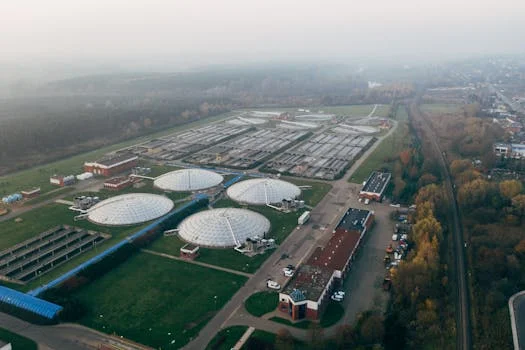
While MBR systems typically exhibit higher energy consumption per cubic meter treated (0.6–1.2 kWh/m³) compared to conventional activated sludge (CAS) systems (0.3–0.6 kWh/m³), this trade-off is justified by the superior effluent quality achieved. The Al Ansab plant, for instance, demonstrated a 20% energy saving through optimized aeration and membrane scouring, as highlighted by Xylem's MBR system saving 20 percent in energy. Chemical costs for MBR are generally lower in terms of coagulant usage (10–20 mg/L vs. 30–50 mg/L for CAS), but require more frequent membrane cleaning-in-place (CIP) typically every 3–6 months. MBR systems benefit from high levels of automation, reducing labor requirements to approximately 0.5 Full-Time Equivalents (FTE) compared to 2 FTE for CAS systems. Membrane replacement represents a significant maintenance cost, with an expected lifespan of 5–8 years, costing approximately $50–$100/m². The primary driver for MBR adoption in Oman is the significant savings realized through water reuse. MBR effluent, meeting stringent quality standards, can be effectively utilized for irrigation, industrial cooling towers, and even groundwater recharge, aligning with Oman’s water reuse standards like Omani Standard OS 8/2012.
| Cost Component | MBR System (Typical) | Conventional Activated Sludge (CAS) System (Typical) | Notes |
|---|---|---|---|
| Energy Consumption | 0.6 – 1.2 kWh/m³ | 0.3 – 0.6 kWh/m³ | MBR's higher energy use is for aeration and membrane scouring, enabling higher effluent quality. |
| Coagulant Usage | 10 – 20 mg/L | 30 – 50 mg/L | MBR typically requires less coagulant due to effective solid-liquid separation by membranes. |
| Membrane Cleaning Frequency | CIP every 3 – 6 months | N/A (for biological stage) | CIP is essential for maintaining membrane flux and performance. |
| Labor Requirements | ~0.5 FTE | ~2 FTE | MBR systems are highly automated. |
| Membrane Replacement Cost (per m²) | $50 – $100 (over 5-8 years) | N/A | This is a significant long-term operational expense for MBR. |
| Sludge Production | Lower | Higher | Reduced sludge disposal costs for MBR. |
| Effluent Quality for Reuse | High (near-reuse quality) | Moderate (often requires further polishing) | MBR effluent directly meets stricter reuse standards. |
For precise chemical dosing, essential for both treatment and cleaning cycles, PLC-controlled chemical dosing for MBR membrane cleaning systems are indispensable. Understanding the overall cost implications is vital, and resources like the wastewater treatment cost per cubic meter in 2025 provide valuable insights into operational expenditures.
MBR System Costs in Oman: 2025 Budget Benchmarks and ROI Calculator
For engineering managers and procurement officers in Oman, understanding the capital expenditure (CAPEX) and operational expenditure (OPEX) for MBR systems is crucial for budget allocation. In 2025, MBR system costs in Oman are estimated to range from $1.2 million for a 50 m³/day capacity system to $15 million for a 2,000 m³/day system. These figures encompass civil works, membrane modules, aeration systems, and automation. Operational expenditure (OPEX) typically breaks down as follows: energy consumption accounts for approximately 40%, chemicals for 20%, labor for 15%, maintenance for 15%, and membrane replacement for 10%. The payback period for MBR systems in Oman varies significantly based on the application. For municipal projects focused on water reuse, payback periods are generally between 5–8 years. For industrial reuse applications, such as in the food processing or textile sectors, payback can be as short as 3–5 years due to higher water costs and greater reuse potential. Financing options may be available; Oman’s Public Authority for Water (PAW) sometimes offers grants for water reuse projects, potentially covering up to 30% of the investment. For perspective, the 2015 expansion of the Al Ansab plant, which increased its capacity to 220,000 m³/day, was reported to cost approximately $80 million, as detailed in cost benchmarks for wastewater treatment in the Gulf region.
| System Capacity (m³/day) | Estimated CAPEX Range (USD) | Estimated OPEX Range ($/m³) | Typical Payback Period (Municipal Reuse) |
|---|---|---|---|
| 50 | $1.2M – $2.0M | $0.25 – $0.40 | 5 – 8 years |
| 500 | $4.0M – $7.0M | $0.22 – $0.35 | 5 – 8 years |
| 2,000 | $10.0M – $15.0M | $0.20 – $0.30 | 5 – 8 years |
These figures provide a foundational understanding for budget planning. Detailed ROI calculations, considering local water tariffs and reuse potential, are essential for a comprehensive investment justification.
Compliance and Water Reuse Standards for MBR Systems in Oman
Adherence to Oman's stringent water reuse and discharge regulations is paramount for any MBR wastewater treatment project. The primary standards governing water reuse include Omani Standard OS 8/2012 for irrigation and OS 10/2012 for industrial reuse, supplemented by PAW guidelines for groundwater recharge. For unrestricted irrigation, MBR effluent must meet demanding quality parameters: Biochemical Oxygen Demand (BOD) below 10 mg/L, Total Suspended Solids (TSS) below 5 mg/L, turbidity below 2 NTU, and fecal coliform counts below 10 CFU/100 mL. Achieving these standards necessitates effective disinfection, often employing technologies like chlorine dioxide (ClO₂) or ultraviolet (UV) treatment, as recommended by Oman’s Ministry of Regional Municipalities and Water Resources. For direct discharge into coastal areas, Oman’s Environmental Law (RD 114/2001) imposes limits on pollutants, including heavy metals, with permissible levels for chromium (Cr) typically <0.1 mg/L and lead (Pb) <0.05 mg/L. PAW requirements mandate continuous online monitoring of key parameters such as pH, turbidity, and residual chlorine to ensure ongoing compliance and operational integrity.
To meet disinfection requirements for reuse applications, on-site generation of disinfectants is often preferred. On-site ClO₂ generators for MBR effluent disinfection in Oman provide a safe and effective method for pathogen inactivation.
How to Select an MBR System for Oman: A Step-by-Step Decision Framework
Selecting the optimal MBR system for a project in Oman involves a systematic approach to ensure technical feasibility, cost-effectiveness, and regulatory compliance. The process begins with defining the project scope, including the required treatment capacity in m³/day, the desired effluent quality for either discharge or reuse, and any site-specific constraints such as available footprint and power supply. Next, evaluate membrane types; PVDF membranes generally offer higher flux and better resistance to fouling, making them suitable for challenging wastewater streams, while PE membranes might present a lower initial cost but potentially a shorter lifespan. Assess the energy efficiency of proposed systems, prioritizing those incorporating fine bubble aeration and variable frequency drives (VFDs) for optimized power consumption. When comparing vendor proposals, it is crucial to request a comprehensive lifecycle cost analysis, covering both CAPEX and projected OPEX over a 10-year period, rather than focusing solely on upfront costs. For industrial applications, conducting a pilot test over 3–6 months is highly recommended to validate system performance and effluent quality under local conditions. A thorough compliance check against OS 8/2012 and PAW reuse standards is non-negotiable. Finally, vendor selection should prioritize suppliers with established local service support in key Omani cities like Muscat, Sohar, or Salalah to ensure timely maintenance and technical assistance.
For organizations considering advanced pretreatment options, understanding technologies like Dissolved Air Flotation (DAF) can be beneficial. Pretreatment options for MBR systems: DAF vs. fine screens provides a comparative overview. When evaluating suppliers, a detailed checklist like the one found in engineering buyer's guide for sewage treatment equipment can be invaluable.
Frequently Asked Questions
What is the largest MBR plant in Oman?
The Al Ansab Sewage Treatment Plant in Muscat, with an ultimate capacity for 900,000 population equivalents (treating 220,000 m³/day), is the largest MBR facility in Oman and the Middle East. It has been operational since 2010, utilizing Kubota's submerged membrane units.
How much does an MBR system cost in Oman?
For 2025, MBR system costs in Oman range from approximately $1.2 million for a 50 m³/day system to $15 million for a 2,000 m³/day system, inclusive of civil works and automation. Operational expenditure (OPEX) is estimated at $0.20–$0.40/m³, with payback periods of 5–8 years for municipal water reuse projects.
What are the energy savings of MBR vs. conventional systems in Oman?
MBR systems in Oman can achieve approximately 20% energy savings compared to conventional activated sludge (CAS) systems, as demonstrated by Xylem’s experience at Al Ansab, attributed to optimized aeration and membrane scouring strategies.
What are Oman’s water reuse standards for MBR effluent?
Oman’s OS 8/2012 standard for unrestricted irrigation requires MBR effluent to meet BOD <10 mg/L, TSS <5 mg/L, turbidity <2 NTU, and fecal coliform <10 CFU/100 mL. Disinfection using chlorine dioxide or UV is mandatory for all reuse applications.
Can MBR systems handle Oman’s high salinity wastewater?
MBR systems can treat wastewater with high salinity (TDS 1,000–3,000 mg/L), but elevated TDS levels can increase the rate of membrane fouling. For industrial applications with very high TDS, pretreatment steps such as reverse osmosis (RO) or nanofiltration (NF) may be necessary to protect the MBR membranes and ensure optimal performance.