

Why a Quito Factory Needs an Industrial ETP with DAF
Industrial wastewater in Quito — generated by food processing, beverage, dairy, textile, metalworking, electroplating, and small petroleum or lubricant operations — typically carries the exact combination of emulsified oil, fine suspended solids, and colloidal matter that a three-stage effluent treatment plant (ETP) is designed to handle. An industrial ETP applies three treatment levels: primary (physical/chemical, including pH control and flocculation), secondary (biological aerobic/anaerobic), and tertiary (chlorine and alum for final polishing) (Source S2, Quora, July 2025). Dissolved Air Flotation (DAF) sits between the primary and secondary stages because it removes suspended solids, FOG, and colloidal matter that would otherwise damage biological treatment (Source S2, Quora, July 2025). Without that barrier, emulsified oil coats the biomass in the downstream biological reactor, suffocating the bacterial colony and crashing the plant (Source S2, Quora, July 2025).
Quito's industrial mix produces the high-TSS, high-FOG, and emulsion-rich profiles that DAF is engineered to address. Ecuadorian environmental authority discharge requirements are confirmed per project; the supplied research does not contain specific Ecuadorian numeric discharge limits, so each plant must verify current local limits with the competent authority before final equipment selection.
How Dissolved Air Flotation Works Inside an Industrial ETP
A DAF unit operates by taking a portion of clarified effluent, pressurizing it, and saturating it with air in a dedicated drum; the supersaturated liquid is then released back into the main flotation tank where the pressure drop liberates dissolved air as micro-bubbles (Source S2, Quora, July 2025). These micro-bubbles typically measure between 10 and 100 microns in diameter (Source S2, Quora, July 2025), and they attach to suspended solids and oil droplets, reducing the effective specific gravity of those particles so they rise to the surface.
Buoyant particles accumulate as a thick froth layer that a mechanical skimmer scrapes into a sludge holding tank; clarified water exits beneath an overflow weir (Source S2, Quora, July 2025). In refinery-style ETP trains, DAF is positioned as a secondary clarifier downstream of an API oil-water separator and upstream of biological reactors to guard the biomass from oil coating (Source S2, Quora, July 2025). Chemical coagulants must be dosed upstream of DAF to destabilize emulsions; without this coagulation step, fine emulsified oil passes through the bubble column and reaches the biological stage (Source S2, Quora, July 2025). For Quito engineers evaluating bids, the HydropureWater Dissolved Air Flotation (DAF) System is one reference platform; equivalent alternatives should be judged on the same mechanistic criteria — pressurized recycle, micro-bubble generation, skimmer geometry, and integrated coagulation dosing.
Influent Parameters a Quito Plant Must Characterize Before Sizing DAF
A structured influent characterization campaign is required before selecting a DAF system. The minimum parameter set includes flow rate (m³/h), pH, temperature, total suspended solids (TSS), oil and grease (FOG), COD, BOD, and any industry-specific contaminants — such as dyes for textile houses, blood and grease for slaughterhouses, or heavy metals for electroplating. Coagulant and flocculant selection must be jar-tested against the actual wastewater before specifying the DAF chemistry train, and the hydraulic profile — equalization volume, peak versus average flow, and diurnal variation — determines whether a single DAF unit is adequate or whether a buffer tank is required upstream.
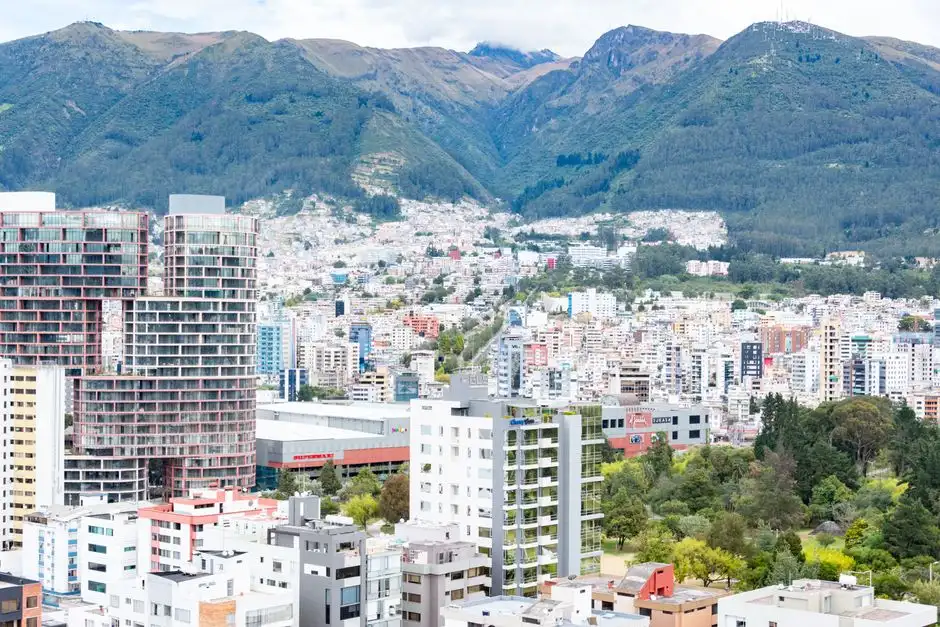
High-altitude operation in Quito (approximately 2,850 m above sea level) changes air solubility and saturation behavior, requiring DAF sizing to account for reduced atmospheric pressure. The supplied research contains no specific altitude correction factor; this is a qualitative engineering consideration the supplier must address in their design basis.
| Parameter | Why it matters for DAF | Source of data |
|---|---|---|
| Flow rate (m³/h) | Sets hydraulic loading and unit sizing | On-site flow metering |
| pH | Determines coagulant performance | Lab titration |
| Temperature | Affects air solubility and reaction kinetics | On-site probe |
| TSS (mg/L) | Drives solids loading and A/S ratio | Lab TSS test |
| FOG (mg/L) | Determines whether DAF or API separator leads | Lab hexane extraction |
| COD / BOD (mg/L) | Defines biological loading downstream | Lab COD/BOD test |
| Industry-specific (dyes, heavy metals, blood) | Drives tertiary and sludge-handling choices | Specialty lab analysis |
| Altitude (m a.s.l.) | Alters air-injection performance at ~2,850 m in Quito | Site survey |
Upstream of the DAF, a properly specified automatic chemical dosing system is needed to deliver consistent coagulant and flocculant doses; dosing variability is the single most common cause of under-performing DAF units in the field.
Matching DAF Configuration to Quito Industry Profiles
DAF sub-types must be matched to specific influent signatures rather than selected from a generic catalog. Commercial DAF systems are commonly grouped under "oily wastewater treatment and suspended solids removal" categories by industrial suppliers (Source S3, Made-in-China, 2026), which provides a starting taxonomy for selection.
| Quito industry | Influent signature | DAF position in train | Complementary units |
|---|---|---|---|
| Food, beverage, dairy | High FOG, high protein, high TSS | Primary FOG and TSS removal | Equalization → DAF → biological polishing → disinfection |
| Textile and dye houses | Color, fine colloidal solids, variable pH | After coagulation/adsorption, before biology | Coagulation → DAF → MBR or activated sludge → disinfection |
| Metalworking / electroplating | Oily emulsions, high TSS, metals | Primary oil and TSS removal | Oil trap → DAF → chemical precipitation → biological or MBR |
| Small petroleum / lubricant | Free oil + tight emulsions | Secondary clarifier after API | API separator → DAF → biological → disinfection (Source S2) |
| Slaughterhouse / rendering | Blood, grease, high BOD | Primary solids and FOG removal | Screening → DAF → anaerobic → aerobic → disinfection |
For textile and metalworking plants that need high-effluent-quality reuse water, the HydropureWater MBR membrane bioreactor system downstream of DAF protects the membranes from oil fouling and delivers a polished reuse-quality stream.
DAF Sizing Inputs and Capacity Selection
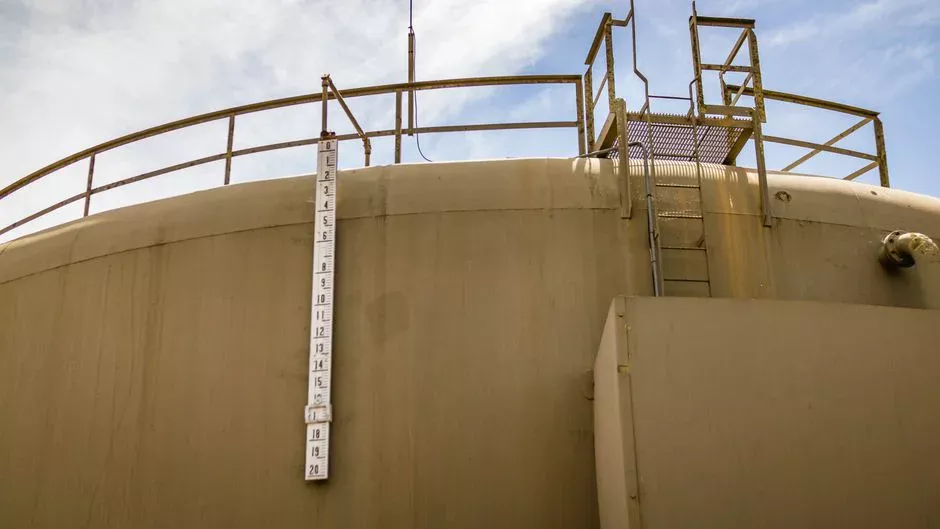
DAF capacity is governed by hydraulic loading rate (m³/m²·h) and solids loading rate, both of which must be derived from jar-test and pilot data rather than generic formulas. Surface overflow rate, hydraulic retention time, and air-to-solids (A/S) ratio are the primary engineering parameters a supplier must disclose; absence of these in a quote indicates the design cannot be audited. HydropureWater DAF systems cover 4–300 m³/h across 13 standard models, which is a representative range for small Quito factories up to mid-sized industrial plants. Packaged DAF skids are typically more cost-effective for plants below 5 m³/h, while custom civil works combined with a standardized DAF core is the typical configuration for larger capacities.
| Plant flow band | Recommended configuration | Engineering inputs to request |
|---|---|---|
| < 5 m³/h | Packaged DAF skid with integrated coagulation | Surface overflow rate, A/S ratio, retention time |
| 5–50 m³/h | Standard DAF core + civil tank | Pilot or jar-test data, recycle ratio, air saturator design |
| 50–300 m³/h | Field-erected DAF with redundant air saturator | Solids loading curve, skimmer capacity, sludge handling rate |
Refer to the HydropureWater Dissolved Air Flotation (DAF) System for one example of a standardized platform covering this range; equivalent suppliers should be evaluated against the same disclosure criteria. The standalone best DAF unit for industrial wastewater 2026 engineering guide and the DAF vs sedimentation 2026 engineering comparison provide additional decision criteria that apply to any Quito project.
Downstream and Upstream Treatment Train Around the DAF
DAF functions as one unit in a connected train, and specifying it in isolation often leads to under-performing plants. Upstream, a rotary mechanical bar screen removes gross solids before they enter the equalization tank, where flow and load are buffered before DAF. Downstream, an MBR or conventional activated sludge system treats dissolved organics after DAF has removed the oil and suspended solids that would otherwise foul membranes or harm biomass. Tertiary polishing — filtration followed by chlorine dioxide or UV disinfection — brings the effluent within Ecuadorian discharge or reuse limits. Floated sludge from the DAF skimmer is routed to a sludge holding tank and dewatered with a plate and frame filter press to reduce disposal volume and hauling cost. This integrated train approach is also detailed in the industrial ETP and DAF system for a factory in Santiago, Chile 2026 guide.
Choosing a DAF and ETP Supplier in 2026: Decision Framework
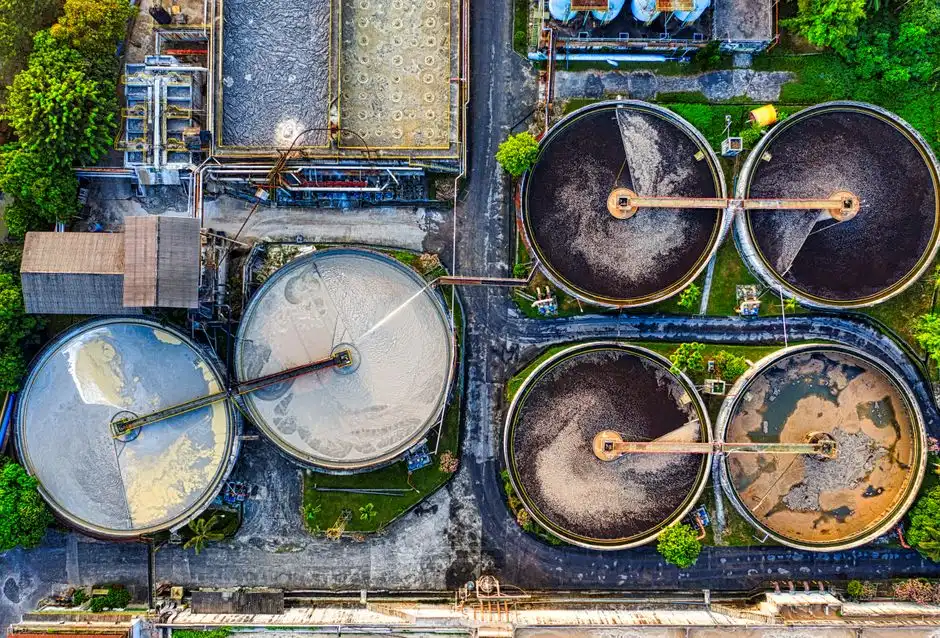
The procurement decision should be filtered through a documented framework rather than a price comparison alone. First, demand documented micro-bubble generation evidence — suppliers should specify the 10–100 micron bubble range achievable by their aeration system (Source S2, Quora, July 2025) and confirm it through pilot or commissioning data. Second, require a complete train scope (screening → equalization → coagulation → DAF → biological → disinfection → sludge handling) so the supplier is accountable for integrated performance. Third, verify after-sales support: availability of spare parts (pumps, valves, nozzles, filter media), local service in Ecuador or a regional service partner, and remote-monitoring capability. Fourth, prefer PLC-controlled automatic chemical dosing paired with the DAF to ensure stable emulsion destabilization and reduce operator dependence. Finally, request reference projects in similar industries and, where possible, a site visit or virtual walkthrough of an installed unit. Bidders that cannot produce commissioning data, a written design basis, or a service contact in the region should be downgraded regardless of headline price.
Frequently Asked Questions
What is the typical cost of an industrial DAF and ETP system for a small Quito factory?
The supplied research does not contain a published price for an industrial DAF or full ETP train. A Quito buyer should request a written budgetary proposal that itemizes the DAF unit, civil works, chemical dosing skids, biological stage, disinfection, sludge dewatering, and commissioning — then compare those line items across at least three qualified bidders.
Which supplier should a Quito factory choose for a DAF and ETP package?
Select a supplier that provides the complete train scope (screening, equalization, coagulation, DAF, biological, disinfection, sludge handling), can document the 10–100 micron micro-bubble generation (Source S2, Quora, July 2025) in pilot or commissioning data, and offers local service in Ecuador or through a regional partner. Ask for reference projects in your specific industry and confirm spare-parts availability for pumps, valves, nozzles, and filter media before signing.
How long does it take to install and commission an industrial DAF system?
Lead time depends on whether the DAF is a packaged skid or a field-erected tank, and on whether civil works, biological reactors, and sludge