
What Keokuk Plastics and Rubber Facilities Need to Compare
For plastics and rubber wastewater in Keokuk, MBR is usually the stronger option when the plant has variable organic loads, persistent emulsified oils, limited space or a reuse objective. Conventional activated sludge can remain economical when flow is stable, the wastewater is well equalized and pretreatment or a municipal sewer discharge route is available. MBR combines biological treatment with membrane separation, so it avoids relying on a gravity clarifier and can deliver effluent below 1 μm according to HydropureWater’s system catalog. Its main trade-off is membrane fouling, particularly from oils, latex residues, surfactants and plastics fragments; adequate equalization, screening and DAF or equivalent oil removal therefore determine whether the added complexity is justified.
The comparison must begin with the facility, not the equipment label. Average and peak flow, soluble and particulate organic loading, oil and grease, suspended solids, pH, batch releases, plastic debris, reuse requirements, available footprint, receiving stream and operator coverage all affect the decision. EPA’s April 2018 User Guide to the Docket for the Final 2016 Effluent Guidelines Program Plan identifies three distinct federal categories relevant to this search: 40 CFR Part 414 for Organic Chemicals, Plastics and Synthetic Fibers; Part 463 for Plastic Molding and Forming; and Part 428 for Rubber Manufacturing.
Those categories do not establish one treatment answer. Direct-discharge, indirect-discharge and zero-liquid-discharge projects have different receiving requirements and treatment objectives, and the current permit must control the final basis. This framework therefore supports concept selection; it is not a permit determination or a final site-specific design. A 2026 MBR cost-per-m3 guide is useful for developing a bid comparison, provided its assumptions are replaced with Keokuk site data.
Why Plastics and Rubber Wastewater Can Overload a Conventional Train
Plastics molding, extrusion, calendaring and rubber compounding can generate wastewater containing soluble organics, oils, surfactants, latex residues and particulate debris. The problem is not simply biodegradability: contaminants can interfere with floc formation, obscure the true organic load, carry solids out of a clarifier or deposit on a membrane.
A conventional activated sludge train depends on biological degradation followed by floc formation and gravity settling. An MBR retains solids through membrane separation rather than relying only on an activated sludge clarifier. This difference makes clarifier carryover, sludge settleability and membrane filterability central design questions. The 2021 Elsevier review Membrane bioreactor for wastewater treatment: A review identifies organic and inorganic removal, compact plant design and membrane fouling as central considerations in MBR assessment.
Each material needs a defined control response:
| Wastewater feature | Failure mode to investigate | Required response |
|---|---|---|
| Plastics fragments | Debris accumulation, screen blockage and solids carryover | Source segregation and mechanical screening |
| Emulsified oil | Poor floc settling and membrane fouling | DAF or equivalent oil removal |
| Latex residues | Adhesive solids, high solids loading and unstable separation | Characterization, equalization and solids-handling review |
| Surfactants and antifoam agents | Foaming, altered settling and loss of filterability | Batch-source control and process testing |
| Variable pH and batch dumps | Biomass inhibition and shock loading | Equalization, pH control and biological feed conditioning |
EPA’s 2018 docket provides regulatory category context, not a numeric effluent standard for this plant. The design basis should come from permit-specific characterization. Use composite samples to establish the recurring load and grab samples around production changes, cleanup discharges, batch dumps and surcharge events. A rotary mechanical bar screen can address recoverable plastic debris, but it does not remove dissolved or emulsified contaminants; the biological and oil-removal design still requires site data.
MBR and Conventional Activated Sludge Work in Different Ways
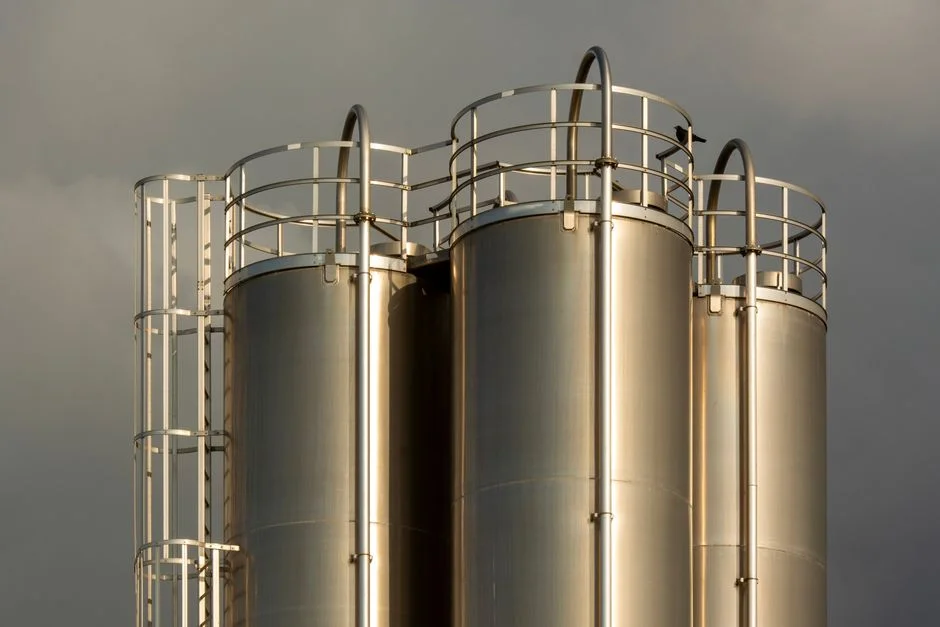
MBR places membrane retention inside the biological treatment process, while conventional activated sludge separates biomass by gravity after aeration. The compact arrangement and solids-retention capability of MBR come with fouling, cleaning and membrane-replacement obligations that CAS does not impose in the same form.
| Decision parameter | MBR | Conventional activated sludge |
|---|---|---|
| Primary separation | Membrane filtration within the biological process | Activated sludge followed by gravity clarification |
| Comparison SRT | 20–40+ days | 5–15 days |
| Comparison MLSS | 8–12 g/L | 2–5 g/L |
| Primary operating concern | Fouling, normalized permeability, cleaning and recovery | Floc settleability, sludge inventory and clarifier carryover |
| Solids handling | More retention responsibility shifts to the membrane train | Clarifier, wasting, thickening and dewatering remain explicit units |
| Reuse relevance | Supports permeate-based reuse with downstream polishing when required | Requires separate solids removal and usually additional filtration or polishing |
The SRT and MLSS figures are the supplied research article’s comparison values, not universal design standards. HydropureWater’s DF-series catalog specifies 0.1 μm PVDF flat-sheet modules, integrated aeration for continuous membrane scouring, and configurations containing 80–225 m² of membrane area with production capacities of 32–135 m³/day. The DF membrane bioreactor module therefore provides a catalog basis for comparison, but the selected configuration must be matched to the plant’s hydraulic and organic duty.
The manufacturer separately states that its integrated MBR wastewater treatment system provides below 1 μm filtration and occupies 60% less footprint than conventional systems across a catalogued platform of 10–2,000 m³/day. Those are system-level manufacturer claims, not a guarantee for a Keokuk installation. The final decision must include access zones, maintenance clearances, odor control, building utilities and redundant train arrangements.
Pretreatment Determines Whether MBR Is a Good Investment
MBR can tolerate poorly treated feed only when its front end controls the mechanisms that foul the membrane. The supplied research recommends reducing oil and grease to roughly 50–100 mg/L before the membrane tank through DAF or equivalent treatment. That is a design recommendation requiring confirmation with actual Keokuk wastewater, not a universal operating limit.
| Pretreatment function | Equipment or action | What it controls | Evidence required |
|---|---|---|---|
| Plastic-debris removal | Rotary screening | Retention of plastic fragments and protection of downstream units | Debris size, generation rate and screen performance |
| Oil and grease removal | DAF pretreatment for oil and grease | Emulsified oil, FOG, suspended solids and colloidal matter | Composite and worst-release oil results |
| Batch-surge control | Equalization | Peak hydraulic and organic loading | Production-cycle flow and load records |
| pH control | Chemical dosing and mixing | Biomass compatibility and precipitation risk | pH time series and chemical demand |
| Reuse polishing | Optional UF or another downstream barrier | Residual solids before higher-grade reuse treatment | Target water quality and whole-plant balance |
HydropureWater’s DAF catalog covers 4–300 m³/h across 13 models and identifies FOG, oil and grease, suspended solids and colloidal matter as treatment targets. The range describes catalogued equipment; it does not establish the required Keokuk duty.
Cleaning expectations must also be validated during testing. The supplied research identifies relaxation cycles of 8–12 minutes, maintenance cleaning every 1–4 weeks and recovery cleaning every 6–12 months. HydropureWater’s UF catalog specifies 0.03 μm PVDF membranes and accepts inlet turbidity up to 300 ppm; UF may support downstream reuse polishing, but it does not replace biological treatment. Before selection, run side-by-side jar or pilot work focused on oil rejection, filterability, normalized permeability and chemical-cleaning recovery using actual wastewater.
Compare Footprint, Energy, Reuse and Lifecycle Cost
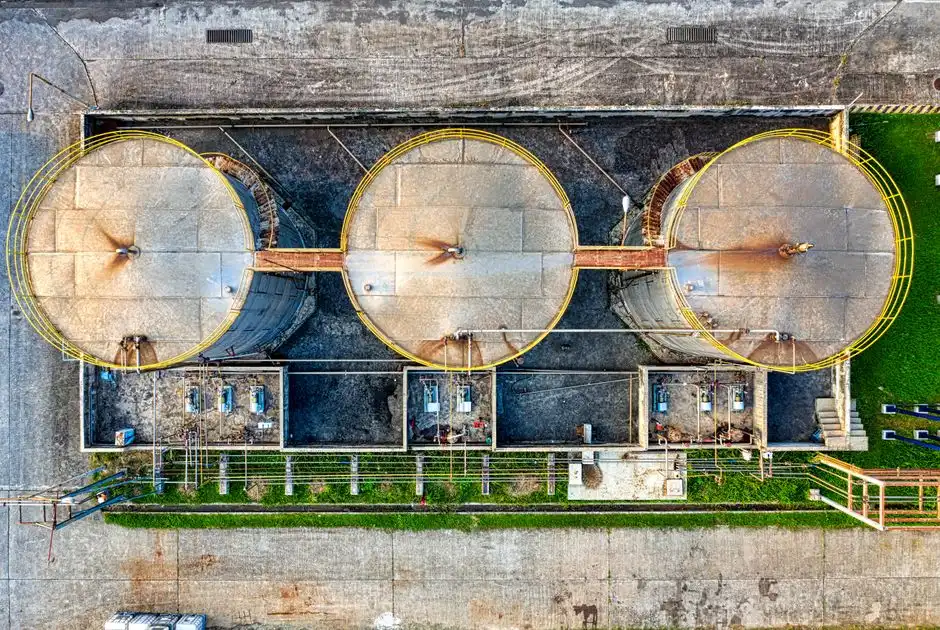
MBR’s compact solids-separation arrangement can create capital and footprint advantages, but the operating comparison must use the same treatment objective and plant load. The supplied comparative energy values are 0.3–0.6 kWh/m³ for MBR scouring and permeate production and 0.2–0.4 kWh/m³ for CAS aeration. Require each bidder to state the design flow, load, aeration basis and power price behind its estimate.
| Lifecycle element | CAS model scope | MBR model scope |
|---|---|---|
| Civil and process equipment | Clarifier, pumps, blowers, basins and sludge dewatering | Membrane modules, membrane tank, air scour, permeate or backwash pumps and controls |
| Chemicals and consumables | Polymer, conditioning chemicals and disposal | Cleaning chemicals and membrane replacement reserve |
| Utilities | Power, compressed air, heating, cooling and water | Scour air, power, heating, cooling, chemicals and replacement parts |
| Operations | Clarifier inspection, sludge handling and laboratory support | Fouling monitoring, cleaning execution, membrane inspection and laboratory support |
| Reuse value | Additional solids separation and downstream polishing may be required | Permeate may support reuse subject to polishing and water-balance validation |
The supplied 500 m³/day reference case uses roughly 20 m² of flat-sheet PVDF area at the lower end of the DF-series range. It is a design exercise, not a selected-area guarantee; final membrane area must follow the agreed flux, temperature, hydraulic duty and fouling allowance.
Compare complete systems, not equipment prices alone. A CAS proposal should include clarifiers, pumps, blowers, sludge dewatering, chemical storage, controls, building utilities, labor and disposal. An MBR proposal should include modules, scour air, permeate or backwash pumps, cleaning chemicals, controls and replacement reserves. Where plate-and-frame filtration is used for residual solids, include that interface in both alternatives where applicable.
Published long-term break-even claims and manufacturer economics should not be treated as a Keokuk financial conclusion without an independently verified model using local labor, power, chemical, sludge-disposal and replacement assumptions.
Choose MBR or CAS Using Plant-Specific Conditions
MBR is favored when variable wastewater, persistent oil after source control, unacceptable solids carryover, constrained land or strategic reuse outweigh membrane complexity. CAS is favored when flow and load are stable, equalization is dependable, downstream treatment or a POTW discharge route is available, and minimum first cost outweighs stronger solids capture and reuse potential.
| Plant condition | Decision implication | Next verification |
|---|---|---|
| Batch variability and cleanup releases | Favors MBR only if equalization and source controls are designed with it | Develop a production-cycle flow and load profile |
| Oil above the proposed membrane-protection range | Neither train should proceed to final comparison until DAF or equivalent treatment is resolved | Test oil removal and residual emulsion stability |
| Stable flow and load with a municipal discharge route | Supports a CAS concept | Confirm POTW acceptance, pretreatment limits and downstream capacity |
| Constrained footprint or defined reuse objective | Supports MBR concept evaluation | Prepare a site arrangement including access, odor control and maintenance zones |
| Flow below the selected module’s lower duty | Turndown and redundancy become critical | Verify minimum loading, parallel operation and cleaning isolation |
Issue bids against one design basis: flow range, COD, TSS, oil and grease, discharge or reuse target, footprint, utilities, performance guarantees, controls, operator hours and membrane replacement terms. Treat the 60% footprint reduction as a manufacturer claim to validate against the selected civil arrangement, not as an automatic project saving.
Build the Keokuk Project Basis Before Ordering Equipment
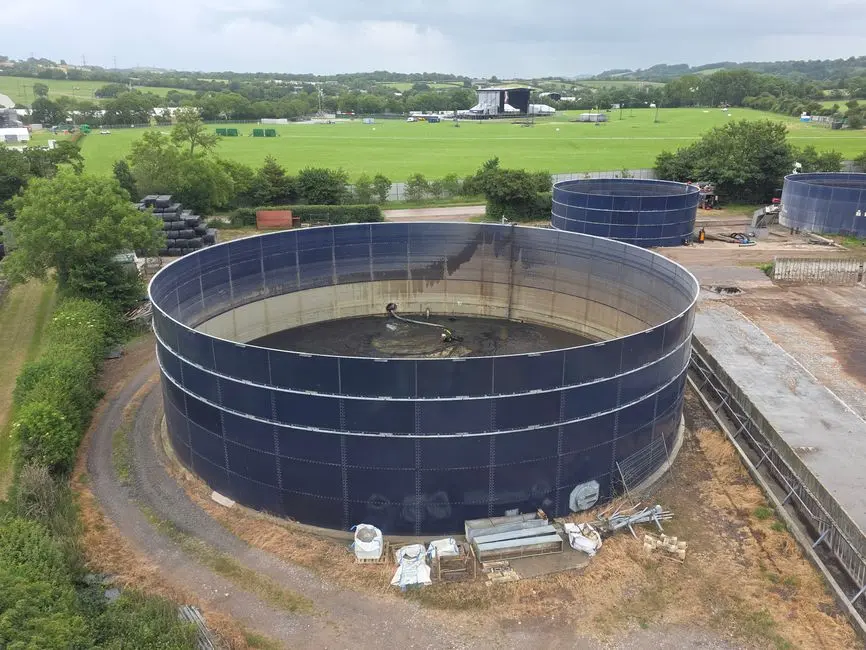
Collect at least one full production cycle of wastewater data, including batch dumps, cleanup operations, floor and equipment washes, oil and grease, suspended solids, COD, pH and flow peaks. This record is more defensible than selecting a process from a generic plastics or rubber wastewater profile. A plastics and rubber pretreatment compliance guide can support the sampling scope, but Keokuk permit and discharge-route requirements still need local confirmation.
Confirm the current permit category, receiving stream, local discharge route, reuse target and whether the project expands or replaces existing capacity. Then request membrane material, pore size, module area, design flow, temperature and flux basis, aeration demand, cleaning chemicals, control philosophy, spare-parts strategy and warranty terms.
Require side-stream or pilot evidence using the plant’s actual wastewater, especially during the worst identified oil or latex release. Build a risk register covering fouling, membrane failure, power interruption, chemical supply, operator availability and inadequate equalization. A defensible capital request separates verified catalog specifications from site design assumptions and records which values still require testing, permitting or vendor guarantee.
Frequently Asked Questions
Is MBR worth the added complexity for a Keokuk plastics or rubber plant?
MBR can be justified when load variability, persistent oil, solids carryover, constrained footprint or reuse requirements outweigh the added fouling-control burden. The decision should be based on actual production-cycle wastewater data, the receiving route and lifecycle cost—not on the process label alone.
How should an MBR system be sized for a plastics or rubber plant?
Size from peak hydraulic and organic duty, selected membrane area, agreed flux and temperature basis, equalization performance and a documented fouling allowance. The catalogued 32–135 m³/day configurations and 80–225 m² module range are screening references, not a final sizing basis.
When is conventional activated sludge more economical?
CAS is most likely to have the lower first cost when wastewater is stable and equalized, downstream treatment or a municipal discharge route is available, and there is no compelling reuse driver. The capital comparison must still include clarifiers, sludge handling, utilities, labor, chemical use and disposal.
What pretreatment does a plastics or rubber MBR require?
Start with plastic-debris screening, equalization and oil removal; add pH control and biological feed conditioning where the waste profile requires them. The roughly 50–100 mg/L oil-and-grease figure in the supplied research is a proposed membrane-protection design target that must be confirmed through testing, not an automatic permit or manufacturer requirement.
What evidence should a buyer request from an MBR supplier?
Require one bid basis covering design flow and load, treatment target, utilities, cleaning requirements, controls, operator hours, performance guarantees, replacement terms and results from wastewater-specific testing. Catalog specifications and general footprint or filtration claims should be treated as inputs to be verified, not final design guarantees.
Related Equipment
- DAF pretreatment for oil and grease — specifications, capacity range, and technical data