Why Aberdeen Mining and Metals Plants Need Pretreatment in 2026
A mining or metals plant near Aberdeen, South Dakota cannot discharge raw mine-influent or process water in 2026 without first satisfying three overlapping federal authorities: EPA Region 8 NPDES requirements, the effluent limitations in 40 CFR Part 440 (Ore Mining and Dressing), and benchmark monitoring under the 2026 Multi-Sector General Permit (MSGP) Sector G for Metal Mining. Any new or expanded discharge requires an NPDES individual permit application filed at least 180 days before the planned commencement of discharge, per 40 CFR Part 122 Subpart B, and the standard 2026 train that gets a site inside those limits runs mechanical screening → flow equalization → pH adjustment → heavy-metal precipitation and DAF clarification → multimedia filtration → sludge dewatering.
South Dakota holds delegated NPDES authority, so the South Dakota Department of Agriculture and Natural Resources (SD DANR) issues the permit, but federal 40 CFR 440 effluent guidelines and the 2026 MSGP still control the numeric targets. EPA reissued the MSGP in late 2024 with coverage for Sectors G (Metal Mining, which tracks 40 CFR 440) and J (Mineral Mining and Dressing) running through 2026. EPA's 2026 MSGP fact sheet determined the renewal does not create disproportionately high and adverse human health or environmental effects on minority or low-income populations under Executive Order 12898, but site-specific permits can still layer water-quality-based effluent limits on top of the technology-based 40 CFR 440 floor when the receiving stream is impaired.
The third 2026 pressure point is the late-2026 PFAS Notice of Proposed Rulemaking (NPRM) EPA placed on the Spring 2025 Regulatory Agenda. The pollutant list at 40 CFR §122.21 has not been updated since 1987; the NPRM is expected to add PFAS to permit application reporting, with PFOA and PFOS as near-certain inclusions. Operators who wait for the final rule to begin their source inventory will be reactive; those who pre-screen now (per ALL4's 2026 PFAS analysis) will have a defensible baseline when the form is updated.
The 2026 Regulatory Stack: MSGP, 40 CFR 440, and Clean Water Act §402
NPDES is the Clean Water Act §402 authorization that lets a point source discharge to waters of the United States, and the permit's effluent limits fall into two categories: technology-based limits derived from federal effluent guidelines (40 CFR 440 for ore mining and dressing) and water-quality-based limits that SD DANR derives to protect the assigned receiving stream. Categorical pretreatment standards under 40 CFR 403 apply only to industrial users who discharge to a Publicly Owned Treatment Works (POTW); most Aberdeen-area mines discharge to surface water under an individual permit, so 40 CFR 440 governs instead of 40 CFR 403.
Active mining areas also carry stormwater obligations. The 2026 MSGP Sector G (Metal Mining) and Sector J (Mineral Mining and Dressing) cover stormwater discharges associated with industrial activity from active mining areas, with quarterly visual monitoring and analytical benchmark sampling for total suspended solids, total recoverable metals, pH, and oil and grease during qualifying storm events. Mine dewatering and process wastewater, by contrast, follow individual permit numeric limits and are reported on Discharge Monitoring Reports (DMRs) through EPA NetDMR.
| Discharge Type | Governing Rule | Limit Basis | Reporting Vehicle |
|---|---|---|---|
| Process wastewater (milling, heap leach drainage) | 40 CFR Part 440 (Ore Mining & Dressing) | Technology-based BAT/BCT limits per subpart | DMR via NetDMR |
| Mine dewatering | Individual NPDES permit | 40 CFR 440 + water-quality-based limits | DMR via NetDMR |
| Stormwater from active mining areas | 2026 MSGP Sector G / Sector J | Benchmark monitoring (TSS, metals, pH, O&G) | Annual report + SWPPP records |
| Discharge to a POTW | 40 CFR Part 403 categorical pretreatment | Local limits + federal categorical standards | POTW-issued SIU permit |
The layering matters because the operator cannot pick the most permissive rule. Stormwater-only operations may rely on MSGP Sector G coverage, but the moment a facility has a process wastewater outfall it also needs an individual permit, and 40 CFR 440 subpart-specific limits apply to the process stream.
Aberdeen Site Context: Receiving Waters and Permit Reality
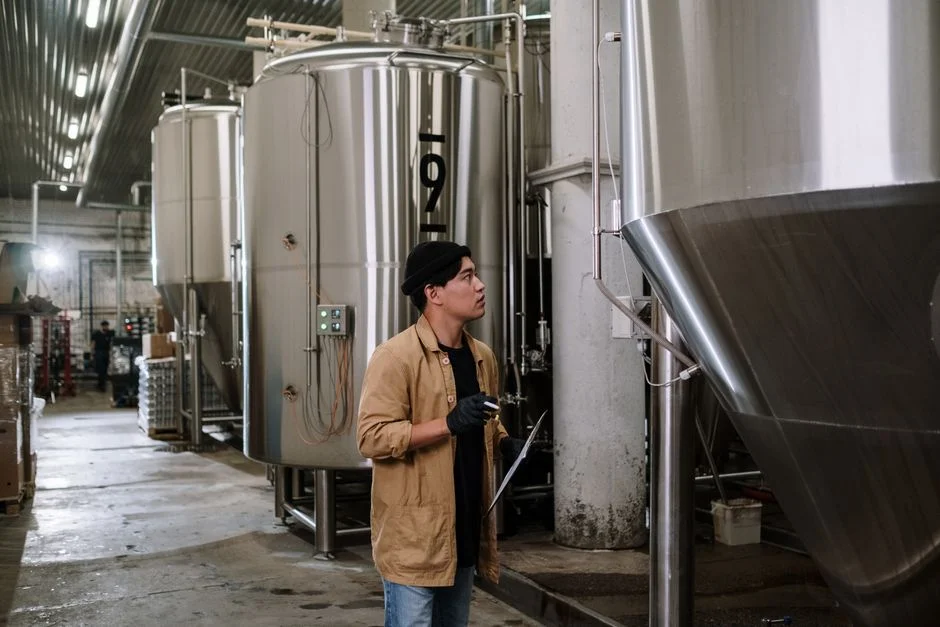
Aberdeen is the regional hub for northeastern South Dakota, and the active mining footprint in the surrounding counties is dominated by sand, gravel, and aggregate operations falling under MSGP Sector J, plus small-scale industrial mineral exploration. There is no large base-metal or precious-metal concentrator in the immediate Aberdeen area as of 2026, but any new metals project, ore-buying station, or aggregate operation that produces process wastewater or mine dewatering flows is treated under the same 40 CFR 440 / 2026 MSGP stack discussed in this article.
Most discharges in the region flow into the James River basin or the Elm River basin, both of which appear on SD DANR's 303(d) list with impairments for total suspended solids, nutrients, and in some segments E. coli. When the receiving stream is listed as impaired, SD DANR will overlay water-quality-based effluent limits on top of the 40 CFR 440 technology-based minimum, and those limits are derived segment-by-segment. Operators should request the assigned receiving-stream TMDL status from SD DANR before finalizing the process design, because the WQBEL can be the binding number rather than the 40 CFR 440 floor.
No effluent number can be cited generically for an Aberdeen site without the receiving-water assessment. The default 40 CFR 440 subpart values below represent the federal floor, and the site-specific permit will be at least as strict where the receiving stream is impaired.
Pretreatment Process Train Recommended for 2026 Compliance
The 2026 pretreatment train is a sequence of unit operations, not a single device. Each step has a defined hydraulic or removal target, and the train is sized to dampen the pH and flow swings typical of mine drainage before the chemistry step. The block flow below is what gets most small-to-mid mine sites inside both 40 CFR 440 numeric limits and the 2026 MSGP Sector G benchmark triggers.
- Headworks screening. A rotary mechanical bar screen with 1–3 mm opening at the headworks removes rags, rocks, and large debris. Step 1 protects the downstream pumps, DAF, and filter media from fouling. The rotary mechanical bar screen in the GX Series handles flows of 4 m³/h and up, with 304/316 stainless wetted parts suited to high-TDS mine water.
- Equalization basin. Sized to 12–24 hours of hydraulic retention, the EQ basin dampens flow and pH swings from batch process sources and stormwater peaks, which is critical because the downstream precipitation step is pH-sensitive.
- pH adjustment. Lime or NaOH is dosed through an automatic chemical dosing system to lift pH into the 9.0–10.0 window that drives heavy-metal hydroxide precipitation. Operating in this band also keeps the downstream clarifier ahead of the 40 CFR 440 pH 6.0–9.0 effluent window with margin.
- Coagulation, flocculation, and DAF clarification. Polyaluminum chloride (PAC) and an anionic polymer are dosed ahead of a dissolved air flotation system operating at 5–25 m/h hydraulic surface loading. DAF routinely removes >90% TSS and floats free and emulsified oil and grease in a single stage, which is what makes the combined TSS + O&G MSGP benchmark achievable.
- Multimedia filtration. A sand + anthracite + garnet multi-media filter polishes residual TSS to under 10 mg/L before the NPDES outfall, protecting receiving-water turbidity limits where the receiving stream is TSS-impaired.
- Sludge dewatering. The DAF float and clarifier underflow are routed to a plate-and-frame filter press producing 25–35% dry cake. This step is what keeps the sludge-hauling OPEX line item bounded, because metal-rich precipitate feeds typically arrive below 5% solids.
- Optional disinfection (water reuse only). If the plant uses treated water for dust suppression or vehicle wash, ClO₂ or UV is a defensible finish. If the outfall goes straight to surface water and there is no reuse, leave disinfection out of the scope and save the CAPEX.
| Stage | Unit Operation | Design Parameter | Typical Output |
|---|---|---|---|
| 1 | Rotary mechanical bar screen | 1–3 mm opening | <3 mm debris removed |
| 2 | Equalization basin | 12–24 h HRT | Flow/pH damped ±15% |
| 3 | pH adjustment + chemical dosing | pH 9.0–10.0 | Metals precipitated as hydroxides |
| 4 | Coagulation + DAF | 5–25 m/h loading | >90% TSS, >90% O&G |
| 5 | Multimedia filtration | 10–15 m/h | TSS <10 mg/L |
| 6 | Plate-and-frame press | 6–8 bar feed pressure | 25–35% dry cake solids |
Key Effluent Parameters and Removal Targets
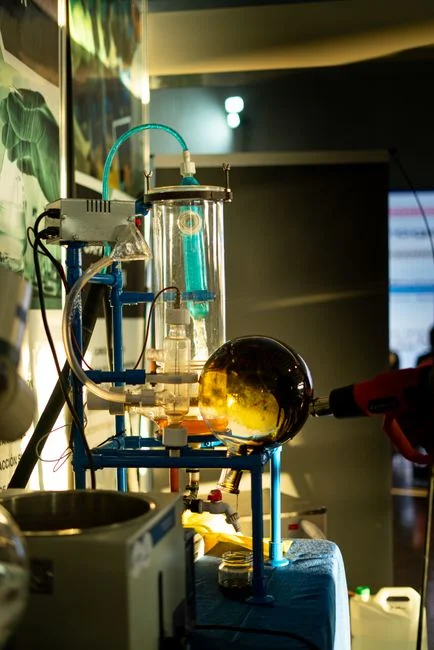
The numbers below are the targets the design has to hit, with both the federal floor and the equipment-side removal efficiency that the 2026 train typically delivers. State WQBELs may be more stringent where the receiving stream is impaired; site-specific values come from the SD DANR permit.
| Parameter | 40 CFR 440 Federal Floor | Train Removal / Output | Notes |
|---|---|---|---|
| pH | 6.0–9.0 (ore mining subparts) | Controlled to 7.0–8.5 at outfall | Wide window, but iron precipitation needs >8 |
| Total Suspended Solids | 30 mg/L monthly avg (subpart B BAT, base metal) | <20 mg/L after DAF + multimedia | Impaired streams may force <15 mg/L WQBEL |
| Settleable solids | 0.1 mL/L Imhoff Cone (typical permit) | Non-detect after multimedia | Verify with site DMR |
| Total recoverable Pb, Zn, Cu, Cd | Subpart-specific mg/L BAT limits | <0.1 mg/L after pH 9–10 precipitation + DAF | Tighter limits may need sulfide precipitation |
| Oil and grease | 10–15 mg/L typical NPDES benchmark | <5 mg/L after DAF | MSGP Sector G benchmark trigger |
| PFAS (PFOA, PFOS) | Pending late-2026 NPRM | Pre-screen now; treat via GAC if needed | Reporting may precede numeric limits |
For sites where the recoverable metals WQBEL is tighter than the 40 CFR 440 floor (typical when the receiving stream is on the 303(d) metals list), step 3 above shifts from hydroxide to sulfide precipitation at pH 7–8, using NaHS or FeS, which drops residual metals by another order of magnitude compared to hydroxide-only. This is a chemistry decision tied to the assigned receiving-stream standard, not a generic recommendation.
Monitoring, Reporting, and the 2026 MSGP Benchmark Triggers
EPA and SD DANR will look for four record types in an inspection: the Stormwater Pollution Prevention Plan (SWPPP), the visual monitoring log, the analytical benchmark results, and the individual permit DMRs. Visual monitoring under 2026 MSGP Sector G is quarterly at each stormwater outfall, with observations of sheen, color, and turbidity documented within 30 minutes of the start of a qualifying storm event. Analytical benchmark sampling for TSS, pH, total recoverable metals, and oil and grease is also quarterly and applies only to discharges from industrial activity areas.
Individual permit DMRs are submitted electronically through NetDMR on a frequency set by the permit (typically monthly for process wastewater). The SWPPP must be amended within 30 days of any process change that alters the character of the effluent — a new reagent, a new ore body, or a new outfall all qualify. The 2026 PFAS NPRM is expected to add a one-time PFAS source questionnaire to the permit renewal package; operators who already have a PFAS source inventory complete at the time of submittal will close that requirement in a single pass.
2026 Equipment Selection Checklist and Cost Bands
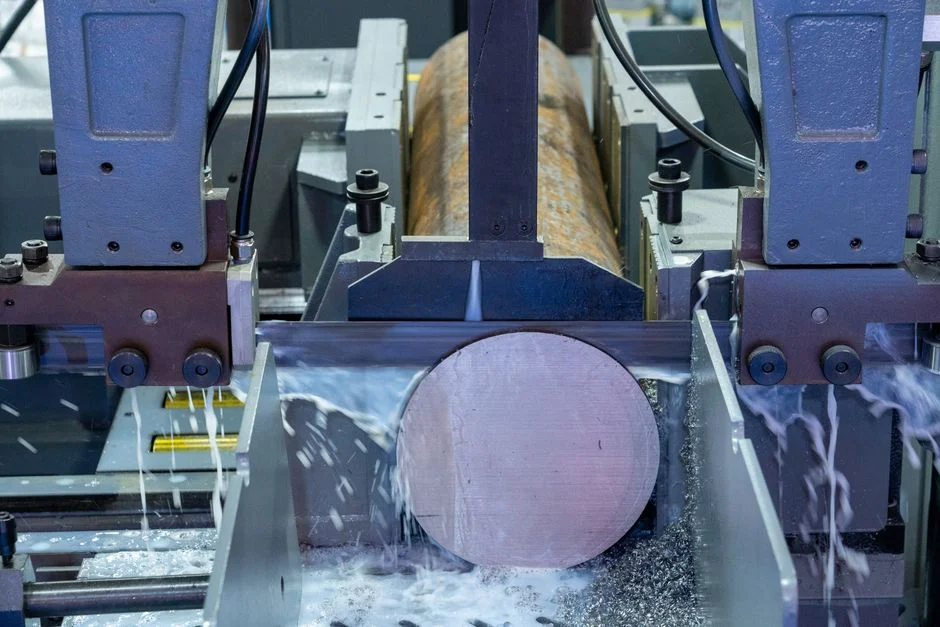
Procurement is where the engineering gets priced, and the order-of-magnitude numbers below are the bands a small-to-mid mine should be planning against in 2026. The 10–200 m³/h combined process + stormwater range covers the typical aggregate operation, small industrial mineral plant, or metals project feeding the train described in §4. HydropureWater's DAF, bar screen, and filter press product lines all fall inside this envelope.
| Line Item | Capacity Trigger | Order-of-Magnitude CAPEX (USD) | OPEX Driver |
|---|---|---|---|
| Rotary mechanical bar screen (GX) | 4–200 m³/h | $15K–$80K | Wear parts, rinse water |
| Equalization basin (civil) | 12–24 h HRT | $40K–$200K | Mixer power, liner |
| Chemical dosing skid (lime/NaOH + PAC + polymer) | Match process flow | $30K–$120K | Chemical consumption |
| Dissolved air flotation unit | 5–200 m³/h | $80K–$300K | Air compressor power, polymer |
| Multimedia filter + backwash | 10–15 m/h | $25K–$90K | Backwash water, media life |
| Plate-and-frame filter press | Feed <5% solids | $60K–$250K | Cloth life, cake hauling |
| Complete 50 m³/h pretreatment skid (integrated) | 50 m³/h | $250K–$1.2M | Lime/NaOH + sludge hauling dominate |
For a tighter CAPEX envelope on small flows, an integrated water purification unit such as the JY series combines coagulation, sedimentation, and filtration in a single skid. For larger or more variable flows, the high-efficiency sedimentation tank is a stronger pre-DAF step because it stabilizes the solids load on the DAF, which protects the air-saturation system from slug loads during storm events. Specify a factory acceptance test (FAT) and pre-wired skid delivery to compress field install into a planned mine shutdown window — three to four days is achievable on a 50 m³/h train when the skid arrives pre-commissioned.
For related reading on specific sub-systems, the 2026 oil and grease compliance guide covers the O&G benchmark in more detail, the metal finishing wastewater treatment process article is a useful reference for sites that also do parts cleaning, and the online cyanide analyzer buyer's guide is relevant for any metal-mine circuit using cyanidation in a mill or heap-leach circuit.
Frequently Asked Questions
What are the NPDES effluent limits for a metal mine in South Dakota?
The federal floor is the 40 CFR Part 440 subpart-specific BAT/BCT limits (e.g., 30 mg/L TSS monthly avg for subpart B base-metal mines, pH 6.0–9.0, subpart-specific metals). SD DANR adds water-quality-based limits when the receiving stream is impaired, and those are segment-specific. The binding number is always the more stringent of the two.
Does my Aberdeen mine need 40 CFR 440 limits or 40 CFR 403 categorical pretreatment?
If you discharge to surface water under an individual NPDES permit, 40 CFR Part 440 controls. If you discharge to a municipal sewer and are a significant industrial user to a POTW, 40 CFR Part 403 and the local POTW's sewer-use ordinance apply instead. Most mines in the Aberdeen region are direct dischargers and therefore operate under 40 CFR 440.
When does the 2026 MSGP take effect and do I need to reapply?
The 2026 MSGP was published in the Federal Register in December 2024 and provides coverage through 2026. Operators with existing MSGP coverage must reapply or file a No-Exposure Certification if conditions have changed, and the renewal window is typically 90–180 days before expiration.
What is the most cost-effective heavy-metal removal method for mine wastewater?
Lime precipitation to pH 9.0–10.0 followed by DAF clarification is the lowest-CAPEX option that gets a typical ore-mining wastewater under 40 CFR 440 BAT limits. If the assigned WQBEL is tighter, sulfide precipitation at pH 7–8 with NaHS or FeS cuts residual metals by another order of magnitude at higher reagent cost.
How do I prepare for the late-2026 PFAS NPDES reporting change?
Start a PFAS source inventory now: identify any fluorinated surfactants in flotation reagents, any AFFF stocks on site for fire suppression, and any treated-water reuse loops. The 40 CFR §122.21 pollutant list has not been updated since 1987, and the late-2026 NPRM is expected to add PFAS to the application form with PFOA and PFOS as near-certainties. A baseline inventory is the cheapest insurance against a reactive scramble when the final rule publishes.