Why Pet Food Wastewater Is a Special Case for Biological Treatment
Pet food manufacturing generates two fundamentally different waste streams that converge at a single biological treatment plant, and conflating them is the most common design error on this matrix. Cook-extruder washwater from kibble lines carries moderate COD, low FOG, and starch/protein fines; rendering washwater carries high COD, high FOG, blood, and ammonia from thermal protein breakdown. In 2026 commercial plants, combined influent typically runs COD 3,000–15,000 mg/L, BOD₅ 1,500–8,000 mg/L, TSS 800–4,000 mg/L, FOG 200–1,500 mg/L, ammonia-N 50–300 mg/L, and pH 6.0–9.0 (HydropureWater field data, 2026).
Production is rarely steady. Pet food plants run campaign-based SKUs — beef, chicken, salmon, lamb — each with a different raw-material footprint, so fat and protein loadings swing daily. CIP cleaning pulses push pH and temperature extremes through the drain in 15–30 minute windows, and weekend shutdowns stop flow entirely before Monday-morning start-up slugs the plant with concentrated in-process wastewater. A continuous-flow activated sludge basin treats influent at the time it arrives; when the slug is 3× design COD for two hours, the clarifier overflows and MLSS drifts. SBR's time-based cycle is structurally suited to this variability: each batch is a complete experiment, and the operator adjusts phase lengths to whatever the day's influent looks like, rather than chasing a moving target in a continuous-flow train.
SBR Cycle Design and Operating Parameters for Pet Food Streams
The pet food SBR cycle runs 8–12 hours per batch, with 2–3 cycles per day for moderate-strength cook-extruder streams and 1 cycle per day for high-strength rendering washwater. Fill runs 1–2 h (mixed or unaerated, depending on whether pre-anoxic denitrification is desired), React aerated runs 4–6 h at DO 2.0–3.0 mg/L, anoxic/anaerobic 1–2 h, Settle 1 h, Decant 0.5–1 h, and Idle 0.5 h. Total cycle: 8–12 h (HydropureWater field data, 2026; consistent with the ClearFox® SBR + lamella clarifier configuration used in European pet food installations).
Design MLSS for pet food streams sits at 3,500–5,000 mg/L — higher than domestic wastewater (2,000–3,000 mg/L) because the food matrix supports dense, fast-settling floc. HRT runs 24–48 h, SRT 20–30 days, and F/M 0.08–0.15 kg BOD/kg MLSS·d. At F/M above 0.20, filamentous bulking becomes a recurring operational problem on this matrix, especially when FOG slips past pretreatment. During the react phase, hold DO at 2.0–3.0 mg/L for the first 2 hours to drive BOD uptake, then taper to 1.0–1.5 mg/L for the remaining 2–4 hours to enable simultaneous nitrification–denitrification and cut aeration energy by 15–25%. PLC sequencing is documented in our PLC control for industrial wastewater plants guide.
| Parameter | Cook-extruder stream | Rendering washwater |
|---|---|---|
| Cycles per day | 2–3 | 1 |
| MLSS (mg/L) | 3,500–4,500 | 4,000–5,000 |
| HRT (h) | 24–36 | 36–48 |
| SRT (days) | 20–25 | 25–30 |
| F/M (kg BOD/kg MLSS·d) | 0.10–0.15 | 0.08–0.12 |
| React DO (mg/L) | 2.0–3.0 (taper to 1.5) | 2.5–3.0 (taper to 1.0) |
| Decant volume (% of working volume) | 30–40% | 25–35% |
Removal Performance: What Effluent Quality an SBR Actually Delivers
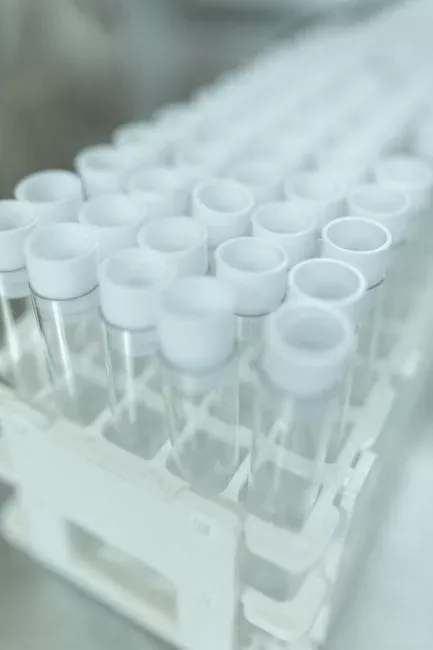
Operating to the parameters above, 2026 commercial SBRs on pet food wastewater deliver COD 92–97%, BOD₅ 95–99%, TSS 95–99% in the settled decant, and ammonia-N 80–90% via nitrification. Total nitrogen removal reaches 60–80% when an anoxic phase is included, otherwise expect 20–40% (HydropureWater field data, 2026). These numbers are consistent with municipal SBR performance scaled for higher-strength industrial loading.
FOG removal in the SBR itself is poor — 0–40% — because fats emulsify rather than biodegrade in the react phase and float during settle, leaving a grease mat that re-enters the next fill. This is the case for upstream dissolved air flotation (DAF) system removal; pushing FOG past 200 mg/L into an SBR reliably causes rising sludge and effluent TSS excursions above 200 mg/L. Phosphorus removal reaches 40–60% through biological luxury uptake alone, and 80%+ when chemical precipitation is added via the HydropureWater automatic chemical dosing system for alum or PAC dosing into the react phase. SBR effluent typically clears municipal sewer limits (COD <500 mg/L, TSS <250 mg/L) but does not meet direct surface discharge (COD <50–125 mg/L) without MBR or RO polishing.
Pretreatment and FOG Control Upstream of the SBR
The most common SBR failure mode on pet food streams is fat fouling and rising sludge, both downstream of inadequate headworks. A 3–5 mm aperture GX series rotary mechanical bar screen removes packaging fiber, bone fragments, and large solids before they reach the DAF. DAF follows immediately after, sized for an air-to-solids ratio of 0.015–0.040 and hydraulic surface loading of 10–25 m³/m²·d depending on FOG fraction; the DAF has been proven in food processing plants for FOG reduction from 800–1,500 mg/L down to 50–150 mg/L in a single stage.
Equalization follows the DAF and is sized for 12–24 h of peak flow with mechanical mixing (gentle, 0.3–0.5 m/s tip speed) and continuous pH/temperature monitoring. Without equalization, a Monday-morning cook-extruder CIP slug arrives at the SBR as a 3× design COD pulse and crashes nitrification for 24–48 hours. pH correction to 6.5–8.5 and coagulant addition (typically PAC 50–200 mg/L or polymer 2–10 mg/L) for FOG emulsification is dosed upstream of the DAF, not the SBR, because once emulsified fat enters the biological stage it is operationally permanent. Carbon-source supplementation during low-BOD campaign runs is covered in our carbon source dosing cost optimization playbook.
SBR vs MBR vs Conventional Activated Sludge + DAF: 2026 Comparison
For plants in the 200–2,000 m³/day range with indirect discharge, SBR delivers the lowest CAPEX and simplest control logic — no membrane replacement, no internal recycles, and a single basin per train. MBR (specifically the HydropureWater MBR membrane bioreactor system with DF flat-sheet modules rated 0.1 μm pore, 32–135 m³/day per unit) cuts footprint by roughly 60% versus conventional activated sludge and runs at MLSS 8,000–12,000 mg/L on limited land, but membrane replacement is a recurring OPEX line and aeration energy rises 30–50% to manage membrane fouling. Conventional ASP + DAF remains the lowest-tech option for very large plants (above 2,000 m³/day) with generous land, but the equalization basin and secondary clarifier footprint typically doubles the plot area versus an equivalent SBR train. The matrix below uses 2026 typical values for a 1,000 m³/day pet food plant with indirect discharge and 8,000 mg/L design COD.
| Criterion | SBR + DAF | MBR + DAF | Conventional ASP + DAF |
|---|---|---|---|
| CAPEX (USD per m³·d capacity) | 180–280 | 320–480 | 200–320 |
| OPEX (USD per m³ treated) | 0.35–0.55 | 0.55–0.85 | 0.40–0.60 |
| Footprint (m² per m³·d) | 0.15–0.25 | 0.08–0.15 | 0.30–0.50 |
| Effluent COD (mg/L) | 80–250 | <50 | 80–200 |
| Effluent TSS (mg/L) | 20–80 | <5 | 20–60 |
| FOG tolerance in influent | <200 mg/L | <100 mg/L | <200 mg/L |
| Operator skill required | Moderate (PLC) | High (membrane care) | Moderate (clarifier + RAS) |
| Expandability to higher loads | Add parallel basins | Add membrane modules | Add clarifier trains |
| Membrane replacement cost | None | 8–15% of CAPEX every 5–8 yr | None |
Decision Framework: Choosing the Right Biological Train for Your Plant
Use these four rules to pre-select a biological train before contacting suppliers. (1) Indirect discharge, flow <500 m³/day, and land available: specify SBR + DAF pretreatment; CAPEX and operator skill both fit a small plant profile. (2) Direct surface discharge or water-reuse target, regardless of flow rate: specify MBR + DAF pretreatment; only the membrane stage clears <50 mg/L COD consistently. (3) Flow >2,000 m³/day with indirect discharge: specify conventional ASP + DAF, or parallel SBR trains if the plot is constrained. (4) FOG >800 mg/L in the raw influent (rendering washwater dominated): DAF upstream of any biological stage is non-negotiable, regardless of which technology is selected downstream. Plan for a 90-day pilot test on the proposed SBR or MBR cycle, a plate and frame filter press for waste activated sludge dewatering to 22–28% dry solids, and a disinfection stage (UV or chlorination) before any water-reuse loop. Bakery facilities face similar design choices and benefit from a parallel reference: our DAF system for bakery wastewater design guide.
Frequently Asked Questions
What influent COD and FOG can a pet food SBR treat without equalization? A well-designed SBR tolerates COD up to 12,000–15,000 mg/L and FOG up to 200 mg/L without equalization; above those levels, equalization basin sizing must increase to 18–24 h of peak flow to prevent filamentous bulking and rising sludge.
How many SBR cycles per day should I run for rendering washwater? One cycle per day, with a 10–12 h total cycle time, is the standard 2026 design for high-strength rendering washwater above 8,000 mg/L COD. Two cycles per day is appropriate for cook-extruder streams below 6,000 mg/L COD.
Can SBR effluent meet direct surface discharge limits without MBR? Rarely. SBR effluent typically runs COD 80–250 mg/L and TSS 20–80 mg/L, which clears municipal sewer limits but not direct surface discharge (COD <50–125 mg/L, TSS <10–30 mg/L) without downstream MBR or RO polishing.
What is the typical SBR MLSS for pet food wastewater versus domestic wastewater? Pet food SBRs operate at 3,500–5,000 mg/L MLSS compared to 2,000–3,000 mg/L for domestic SBRs, because the high protein and starch matrix supports denser, faster-settling floc and tolerates the higher inventory without pin-point flocculation failure.
Is DAF really required upstream of an SBR on pet food wastewater? Yes, whenever raw FOG exceeds 200–300 mg/L. Without DAF, emulsified fat enters the SBR react phase, floats during settle, and produces rising sludge that drives effluent TSS above 200 mg/L within 1–2 weeks of operation.