What Comes Out of a Commercial Laundry — and Why It Matters
A 2,000 kg/day on-premise hotel laundry discharging to a municipal sewer faces three converging costs in 2026: potable water rates that have risen 18–34% across major US metros since 2022, sewer surcharges of $0.80–$3.20 per m³, and shutoff risk after a single pretreatment violation. A commercial laundry wastewater treatment solution reframes that stream as a designable envelope, not a disposal problem. Per-wash effluent ranges from 50–200 L depending on machine class and load weight (IntechOpen 2020, doi 10.5772/intechopen.94336), so a 2,000 kg/day hotel site handling 30 cycles/day lands at 1,500–6,000 m³ of discharge per year.
The pollutant mix is surfactant-dominated. Linear alkylbenzene sulfonates (LAS) and non-ionic surfactants (nonylphenol ethoxylates like NP-9, alcohol ethoxylates) drive foam, COD, and ecotoxicity. Builders — sodium carbonate, zeolite 4A, sodium sulfate — push pH into the 9–12 band and add dissolved solids. Workwear streams layer in oils at 50–300 mg/L, and hospital central laundries add biologicals from soiled healthcare linens. Industry literature bands for raw streams cluster around COD 800–5,000 mg/L, BOD₅ 200–1,200 mg/L, TSS 100–600 mg/L, surfactant 50–200 mg/L, and pH 9–12; treat these as design envelopes, not exact site numbers (HydropureWater field data, 2025–2026).
Three sub-segments diverge sharply. On-premise hotel laundries run low-temperature cycles (30–50 °C) with hospitality soils — body oils, light organics, low dye load. Hospital and healthcare central laundries carry pathogen load from blood, bodily fluids, and high pH chemical disinfectants used in wash chemistry. Industrial and uniform-rental laundries process the dirtiest stream: heavy oils, grease, particulate soils, dye bleed from workwear, and optical brighteners that resist conventional coagulation. Each segment needs a slightly different DAF chemistry dose and a different downstream target.
Influent and Effluent Targets for Hotel, Hospital, and Industrial Laundries
Before sizing equipment, the engineer needs the raw influent band for their specific laundry type and the regulatory or reuse target they are designing toward. The table below uses industry literature ranges so a procurement lead can match their site sample data against typical values rather than fabricated single-point numbers.
| Parameter | Hotel / Hospitality | Hospital / Healthcare | Industrial / Rental | Discharge Target (sewer) | Reuse Target (wash loop) |
|---|---|---|---|---|---|
| pH | 9–11 | 9–12 | 10–12 | 6–9 | 6.5–8.5 |
| COD (mg/L) | 800–2,500 | 1,500–3,500 | 2,000–5,000 | ≤ 250 | ≤ 50 |
| BOD₅ (mg/L) | 200–600 | 400–900 | 500–1,200 | ≤ 150 | ≤ 10 |
| TSS (mg/L) | 100–300 | 200–450 | 300–600 | ≤ 60 | ≤ 5 |
| Surfactant (mg/L) | 50–120 | 80–150 | 100–200 | ≤ 5 | ≤ 1 |
| Oil & Grease (mg/L) | 50–150 | 50–150 | 100–300 | ≤ 10 | ≤ 2 |
| Temperature (°C) | 30–50 | 40–60 | 40–70 | ≤ 40 (typical POTW) | ≤ 35 (for biology) |
Typical municipal pretreatment thresholds for sewer disposal sit at COD ≤ 250 mg/L, TSS ≤ 60 mg/L, oil & grease ≤ 10 mg/L, surfactant (MBAS) ≤ 5 mg/L, and pH 6–9. Reuse targets for wash-water recycling are tighter — TSS ≤ 5 mg/L, COD ≤ 50 mg/L, turbidity ≤ 2 NTU, with a free chlorine residual of 0.2–0.5 mg/L to keep the reuse loop biologically stable (consistent with WHO greywater guidance and EPA 2012 Water Reuse Guidelines, adapted for non-potable wash applications). The 30–60 °C temperature band matters: above 38–40 °C, mesophilic biological activity drops sharply, so either a plate heat exchanger ahead of the bioreactor or a cooling loop is required for sites running hot wash cycles.
The Core Treatment Train: Equalization, DAF, Biological or MBR, Disinfection
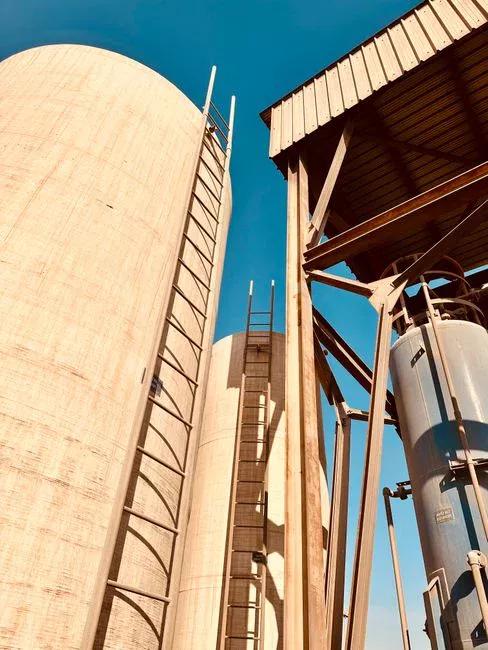
A defensible 2026 train stacks five unit processes in series: rotary screening, equalization, dissolved air flotation, biological treatment (conventional activated sludge or MBR), and disinfection. Sludge from the DAF float and the biological stage is routed to a plate-and-frame filter press for dewatering.
Screening. A GX series rotary mechanical bar screen with 2–5 mm aperture removes lint, fabric scraps, and button fragments before they blind pumps or coat DAF surfaces. Laundry lint is unusually fibrous and will re-bind downstream without removal.
Equalization. A 6–12 hour HRT tank with mechanical mixing buffers the wash-cycle peaks. The equalization step is where pH is trimmed to 7.0–8.5 using either CO₂ (preferred for safety on enclosed sites) or 30% sulfuric acid, dosed via an automatic chemical dosing system. pH trim ahead of flotation improves floc formation and protects downstream biomass from alkaline shock.
Dissolved air flotation. The dissolved air flotation system removes 60–85% of TSS, 50–75% of oil & grease, and 40–70% of surfactant in a single stage. Key sizing parameters for surfactant-rich laundry streams: micro-bubble saturation at 4–6 bar, hydraulic loading 20–40 m/h on the contact zone surface, air-to-solids ratio pushed to the upper end of 0.04–0.08 kg air per kg solids (surfactant-laden streams need the higher end to carry the floc blanket), and a polymer dose of 3–8 mg/L cationic polyacrylamide paired with 50–150 mg/L coagulant as FeCl₃ or polyaluminum chloride (PAC).
Biological / MBR. Conventional activated sludge runs at HRT 6–10 h and SRT 15–30 d, which handles residual COD and slowly-biodegradable non-ionic surfactants. The MBR membrane bioreactor system replaces the secondary clarifier with submerged PVDF membranes at 10–18 LMH flux, holding MLSS at 8,000–12,000 mg/L. The <1 μm pore cutoff guarantees TSS < 5 mg/L in the permeate and protects downstream RO or direct-reuse loops from biomass carryover.
Disinfection. Sodium hypochlorite at 5–10 mg/L free Cl₂ with 30 minutes contact time is the workhorse option. For hospital central laundries where Clostridium difficile spores and MRSA are regulatory concerns, on-site chlorine dioxide generator output at 0.5–1.0 mg/L ClO₂ provides stronger virucidal action at lower dose. UV is rarely used alone on laundry loops because reuse water needs a residual disinfectant to stay stable in the storage tank.
Sludge line. DAF float and waste activated sludge feed a plate and frame filter press operating at 15–20 bar to reach 15–20% dry solids. On-site dewatering cuts hauling volume 5–8× versus liquid sludge removal.
| Unit Process | Key Parameter | Design Range | Function |
|---|---|---|---|
| Bar screen | Aperture | 2–5 mm | Lint and debris removal |
| Equalization | HRT | 6–12 h | Flow and pH buffering |
| DAF | Air-to-solids ratio | 0.04–0.08 | Surfactant and oil removal |
| DAF | Polymer (CPAM) dose | 3–8 mg/L | Floc conditioning |
| DAF | Coagulant (FeCl₃ / PAC) | 50–150 mg/L | Charge neutralization |
| MBR | Flux | 10–18 LMH | Solid-liquid separation |
| MBR | MLSS | 8,000–12,000 mg/L | Biomass concentration |
| Disinfection | Free Cl₂ / ClO₂ | 5–10 / 0.5–1.0 mg/L | Pathogen control |
| Filter press | Dry solids output | 15–20% | Sludge volume reduction |
Worked Example: Sizing a Treatment Train for a 2,000 kg/day Hotel Laundry
Working from the IntechOpen 50–200 L per wash figure, a 2,000 kg/day on-premise hotel laundry averaging 8 kg of linen per wash runs roughly 250 cycles/day. At the mid-point of 80 L per cycle, that is 20,000 L/day — a 20 m³/day stream. To keep the math conservative and the equipment class realistic for a small hotel site, this example is built around 100 cycles/day at 80 L each, giving 8,000 L/day (8 m³/day).
Equalization tank: 8,000 L × 0.5 day (covering the off-shift gap and peak-shaving the morning wash surge) = 4,000 L working volume, 316L stainless or HDPE-lined concrete. A packaged WSZ underground integrated unit covers this volume in a buried footprint for sites with limited mechanical-room space.
DAF unit: Sized at roughly 2× the hourly flow for hydraulic buffering, the unit runs at 0.7 m³/h average, 1.5 m³/h peak. The DAF-005 class machine (5 m³/h rated) handles this with margin. Float production is typically 13–15% dry solids after the polymer skid is tuned.
MBR unit: A 10 m³/day capacity, 12 LMH flux, containerized skid with 2 m² of PVDF membrane area handles 8 m³/day with a built-in clean-in-place loop. The integrated design ships pre-wired and pre-plumbed.
Disinfection: A 20 g/h on-site ClO₂ generator (50 g/h class) sized for the 0.35 m³/h MBR permeate stream delivers 0.7 mg/L ClO₂ residual at full recycle flow.
This skid-based train fits in roughly 18–24 m² of plant-room floor area and ships in 6–8 weeks for most 2026 configurations (HydropureWater field data, 2026).
Choosing Between Discharge and Reuse: A Buyer Decision Framework
End-of-pipe target drives equipment selection more than any other decision. Three rules of thumb from 2026 mid-market engineering data:
- Choose discharge-only (DAF + activated sludge) if local potable rates are under $1.50/m³ and sewer surcharges are low.
- Choose partial reuse (rinse-water loop, 30–50% of total flow) if rates are $1.50–$4.00/m³ — a DAF + MBR + ClO₂ train returns water to the rinse and final-extract stages only.
- Choose full reuse (≥ 80% closed loop) if rates exceed $4.00/m³, the site is water-constrained, or a corporate ESG mandate applies. Full reuse adds RO or a tighter MBR flux and a polishing carbon stage.
| Configuration | CAPEX (10 m³/day, 2026) | OPEX per m³ Treated | Typical Payback |
|---|---|---|---|
| Discharge-only (DAF + activated sludge) | $80,000–$220,000 | $0.40–$0.80 | Permit-driven, no positive ROI |
| Partial reuse (DAF + MBR + ClO₂) | $180,000–$360,000 | $0.60–$1.10 | 24–42 months |
| Full reuse (DAF + MBR + RO + ClO₂) | $280,000–$480,000 | $0.80–$1.40 | 30–48 months |
OPEX is dominated by chemical dosing (polymer, coagulant, ClO₂ precursor) and sludge hauling — together typically 55–70% of operating cost. Power for blowers and pumps runs 15–25%, and membrane replacement is 5–10% amortized over a 5–7 year PVDF life. At $3.50/m³ fresh water, the MBR reuse option repays its CAPEX premium versus a discharge-only train in roughly 18–36 months through reduced intake and lower sewer volume. For a detailed cost breakdown of the MBR step specifically, the MBR wastewater treatment system cost in 2026 article unpacks the line items. Broader CAPEX/OPEX benchmarks for hotel-scale plants are covered in the hotel wastewater treatment plant price in 2026 sizing guide.
2026 Compliance Snapshot: Discharge and Reuse Limits You Must Hit
Four regulatory frames govern the laundry EPC bid in 2026, and the design must clear the binding one for the discharge or reuse route selected.
United States. EPA categorical pretreatment standards apply where a laundry is an industrial user of a POTW; otherwise, local POTW sewer-use ordinances set the binding limits. Permit-driven, vary by municipality — typical bands sit at COD ≤ 250 mg/L, TSS ≤ 60 mg/L, oil & grease ≤ 10 mg/L, pH 6–9. Reuse references EPA 2012 Guidelines for Water Reuse.
European Union. Urban Waste Water Directive 91/271/EEC and the Industrial Emissions Directive 2010/75/EU set the municipal acceptance bands. COD and TSS limits vary by catchment size; for plants discharging to a sewer, typical municipal acceptance runs COD ≤ 250 mg/L, TSS ≤ 35 mg/L.
China. GB 4287-2012 governs textile dyeing and finishing industrial wastewater and is the operative standard for adjacent laundry streams discharging to municipal sewers. The 2012 revision tightened COD, chromaticity, and ammonia-nitrogen limits, and 2026 enforcement at the provincial level remains strict for facilities with > 500 m³/day design flow.
India. CPCB discharge norms under the Water Act 1974 and state PCB consent conditions are the operative framework. Typical consent conditions for laundry effluent sit at COD ≤ 250 mg/L, TSS ≤ 100 mg/L, oil & grease ≤ 10 mg/L, pH 6.5–9.0.
For non-potable wash-water recycling, the WHO Guidelines for Drinking-water Quality and EPA 2012 Guidelines for Water Reuse provide the technical reference. No jurisdiction formally requires laundry reuse water to meet drinking-water standards, but meeting TSS ≤ 5 mg/L, turbidity ≤ 2 NTU, and a 0.2–0.5 mg/L free chlorine residual is the conservative engineering target.
Frequently Asked Questions
What does a standard commercial laundry wastewater treatment solution look like? The standard train is screening → equalization → dissolved air flotation (DAF) → biological treatment (activated sludge or MBR) → disinfection, with sludge dewatering on a plate-and-frame filter press. It is sized to the per-wash effluent volume (50–200 L) and the target effluent quality (sewer discharge or wash-water reuse).
How do I size equipment for a 2,000 kg/day hotel laundry? Anchor on 50–200 L per wash (IntechOpen 2020). For 100 cycles/day at 80 L each, the design flow is 8 m³/day, with a 4 m³ equalization tank, a 5 m³/h DAF unit, a 10 m³/day MBR skid, and a 20 g/h ClO₂ generator for disinfection.
What does a DAF + MBR laundry system cost in 2026? Mid-market CAPEX for a 10 m³/day partial-reuse plant runs $180,000–$360,000 installed, with OPEX of $0.60–$1.10 per m³ treated. Full reuse with RO pushes CAPEX to $280,000–$480,000. The DAF system design in 2026 reference covers the flotation stage sizing in more depth.
Which discharge and reuse regulations apply to a commercial laundry? In the US, EPA pretreatment standards and local POTW ordinances; in the EU, Directive 91/271/EEC and 2010/75/EU; in China, GB 4287-2012; in India, CPCB norms under the Water Act 1974. Reuse references are the WHO Guidelines and EPA 2012 Water Reuse Guidelines.
Why do surfactant-rich laundry streams need higher DAF air-to-solids ratios? Surfactants depress bubble-floc attachment by lowering surface tension and stabilizing dispersed oil droplets. Pushing the air-to-solids ratio into the 0.06–0.08 range and the cationic polyacrylamide dose into the 5–8 mg/L range compensates for the weaker floc and is the single most common design adjustment versus standard industrial DAF applications.