Why Dairy Wastewater Is a Special Compliance Problem in Mexico
Dairy wastewater treatment in Mexico in 2026 must meet NOM-001-SEMARNAT-2021 limits (COD ≤200 mg/L, BOD ≤75 mg/L, FOG ≤25 mg/L, total nitrogen ≤40 mg/L for most surface discharges) plus local CONAGUA or municipal sewer requirements. The standard process train is DAF for fats/oils/proteins removal, an anaerobic UASB or anaerobic filter, aerobic SBR or activated sludge, MBR or clarifier polishing, and optional RO for water reuse — with sludge dewatering via plate-and-frame filter press.
For plants discharging to surface water (ríos, embalses) the 2026 NOM-001-SEMARNAT-2021 daily average limits are: COD ≤200 mg/L, BOD₅ ≤75 mg/L, FOG ≤25 mg/L, total suspended solids ≤75 mg/L, total nitrogen ≤40 mg/L, and total phosphorus ≤20 mg/L, with pH held between 5.0 and 10.0. Coastal discharges and municipal sewer tie-ins follow different columns of the same standard, but the COD ceiling of 200 mg/L is the binding number for almost every fluid-milk, cheese, and yogurt plant in Jalisco, Guanajuato, and the Bajío. Plants pursuing water reuse additionally need a CONAGUA título de concesión for extraction and a PROFEPA-acceptable reuse plan; land application of treated effluent triggers NOM-001 compliance for industrial wastewater in Mexico under NOM-002-SEMARNAT-1996. PROFEPA enforcement has intensified since 2024, with multas of MXN $500,000–$3,000,000 per non-compliance event for plants that exceed discharge limits or fail to report monitoring results quarterly.
Most published biological-treatment data — including the widely cited OALib bench-scale SBR study showing COD removal >90% at influent concentrations of 400–2,500 mg/L and MLVSS around 3,000 mg/L — only work because the reactor was fed a diluted stream. A full-scale Mexican dairy plant with raw influent of 5,000–8,000 mg/L COD and 800–1,500 mg/L FOG will not hit <200 mg/L COD with SBR alone; you will not get there without a DAF plus anaerobic front end. That is the regulatory and engineering reality the rest of this article is built around.
Influent Characteristics of Mexican Dairy Plants
Mexican dairy plants produce a wastewater stream that is hot, acidic at the start and alkaline at the end of a shift, and heavily loaded with fats, proteins, and lactose. Designing around European or U.S. textbook influent values understates the FOG and lactose load you will actually see at Lala, Alpura, or a mid-size cheese plant in Lagos de Moreno. The table below reflects typical 2024–2025 influent data from HydropureWater audits of Mexican dairy clients and the ScienceDirect review by Kaur et al. on dairy effluent composition.
| Parameter | Typical range (raw combined influent) | Driver |
|---|---|---|
| COD | 2,000–8,000 mg/L | Lactose, residual milk solids, CIP chemicals |
| BOD₅ | 1,200–4,500 mg/L | Same — BOD/COD ratio usually 0.45–0.60 |
| FOG | 200–1,500 mg/L | Butter, cream, cheese curd fines, whey lipids |
| Total nitrogen | 50–300 mg/L | Milk proteins (casein, whey), nitrate from CIP |
| Total phosphorus | 30–120 mg/L | Phosphate-based cleaning agents |
| pH | 4.0–11.0 | Sour whey (low) vs alkaline CIP (high) |
| Temperature | 40–55°C | Direct from pasteurizer/cheese vat discharge |
| TSS | 500–2,500 mg/L | Cheese fines, curd, precipitated casein |
The wide pH swing — sour cheese whey at pH 4 and caustic-in-place cleaning at pH 11 — is what kills a poorly designed equalization tank within months. FOG above 500 mg/L emulsifies into the biological stage and chokes aeration diffusers; lactose above 1,000 mg/L drives excess sludge yield and foaming in the aerobic basin. A cheese plant in the wet-curd process sees a fundamentally different load profile than a fluid-milk bottler in Guadalajara, and a yogurt line adds high organic acid and sugar loads that depress pH. Any process design that does not start from your own composite sampler data is guesswork.
The 2026 Process Train: From DAF Pretreatment to MBR Polishing
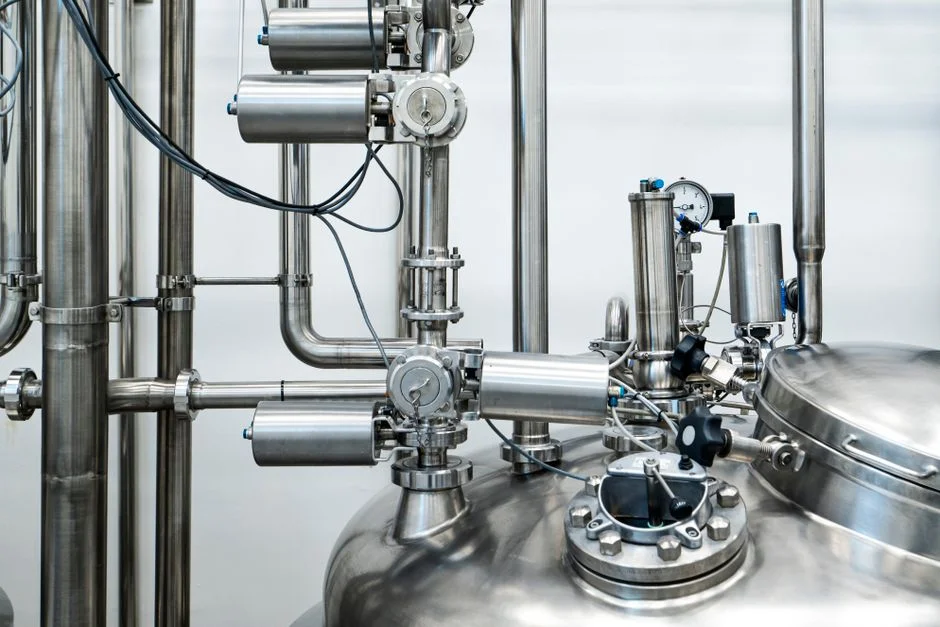
The dominant 2026 process train for a Mexican dairy plant discharging to surface water is a seven-step sequence. Each step has a defined function, and skipping any of them is what gets plants into PROFEPA trouble. The full train — equalization, DAF for FOG and protein removal, anaerobic UASB, aerobic SBR or activated sludge, integrated MBR polishing stage, optional RO, and sludge dewatering — is the only configuration that consistently hits <25 mg/L FOG and <200 mg/L COD on raw dairy influent.
- Equalization and pH buffering. 6–12 hour HRT in a covered tank, mechanical or jet mixing, sodium hydroxide or sulfuric acid dosing to hold pH between 6.5 and 8.0. Without this, the biology downstream cannot recover from a CIP spike.
- DAF (Dissolved Air Flotation). Hydraulic capacity 4–300 m³/h, recycle ratio 20–40%, saturator pressure 5–7 bar, polymer dose 5–15 mg/L (cationic polyacrylamide), 85–95% FOG removal and 60–80% TSS removal before biology.
- Anaerobic stage. UASB or anaerobic filter at HRT 24–48 h, organic loading rate 5–15 kg COD/m³·day, mesophilic 30–37°C. Biogas yield 0.30–0.45 m³/kg COD removed; recoverable for boiler makeup or a CHP unit.
- Aerobic biological treatment. Sequencing Batch Reactor or conventional activated sludge, DO 2–3 mg/L, MLVSS 3,000–4,000 mg/L, F/M 0.10–0.20 kg BOD/kg MLVSS·day. Achieves >90% COD removal on DAF-pretreated influent (per the OALib SBR study, MLVSS ~3,000 mg/L).
- MBR polishing. DF-series PVDF flat sheet membrane modules or hollow fiber, 0.1–0.4 μm nominal pore, flux 15–25 L/m²·h, MLSS tolerance up to 12,000 mg/L. Effluent <1 mg/L TSS — the only unit that can reliably feed RO without additional prefiltration.
- Optional RO for water reuse. Brackish-water RO at 95% recovery, 10–15 bar operating pressure, used for CIP final rinse, boiler feed makeup, or landscape irrigation. A 1,000 m³/day dairy plant can reuse 400–600 m³/day this way and offset $0.40–$0.90/m³ of fresh water in northern Mexico.
- Sludge handling. Waste activated sludge thickened to 2–4% DS, then dewatered on a plate-and-frame filter press for waste activated sludge at 6–8 bar, producing 22–28% dry solids cake for off-site disposal or composting.
| Unit operation | Key design parameter | Typical value (2026) |
|---|---|---|
| Equalization | HRT | 6–12 h |
| DAF | Recycle ratio | 20–40% |
| DAF | Polymer dose | 5–15 mg/L |
| UASB | OLR | 5–15 kg COD/m³·day |
| UASB | HRT | 24–48 h |
| SBR | MLVSS | ~3,000 mg/L (OALib benchmark) |
| MBR | Pore size | 0.1–0.4 μm |
| Filter press | Cake DS | 22–28% |
Removal Efficiency Benchmarks at Each Stage
Use the cumulative-removal table below to do a quick mass balance on your own influent numbers. If your numbers come out over the NOM-001-SEMARNAT-2021 ceilings (COD 200 mg/L, FOG 25 mg/L), you have a unit-operation gap you need to close before procurement.
| Stage | FOG removal | TSS removal | COD removal | Effluent COD (from 6,000 mg/L raw) |
|---|---|---|---|---|
| Raw influent | — | — | — | 6,000 mg/L |
| After DAF | 85–95% | 60–80% | 25–40% | 3,600–4,500 mg/L |
| After UASB | 50–70% | 30–40% | 60–80% | 720–1,800 mg/L |
| After SBR / activated sludge | 80–90% | 70–90% | 80–90% | 72–360 mg/L |
| After MBR polish | ~100% (to detection) | ~100% to <5 mg/L | 10–30% (polish) | <50–250 mg/L |
| Total system | >99% | >95% | >95% | <200 mg/L |
Two things stand out. First, the SBR-only data set from the OALib study (COD removal >90% at 400–2,500 mg/L influent) is internally consistent — but the influent is already pre-diluted to the 400–2,500 mg/L range. Run that same reactor on raw 6,000 mg/L dairy wastewater and the FOG will strip oxygen transfer efficiency within hours, MLVSS will lose settleability, and effluent COD will sit at 600–900 mg/L. The 25–40% COD removal that DAF delivers is not glamorous, but it is what protects the downstream biology and is the single biggest reason plants that skip DAF fail compliance audits. The same caveat applies to Dairy wastewater treatment in Chile process trains, where Chilean dairy influent numbers are close enough to the Mexican profile that the conclusions transfer directly.
2026 CAPEX and OPEX Benchmarks for Mexican Dairy Plants
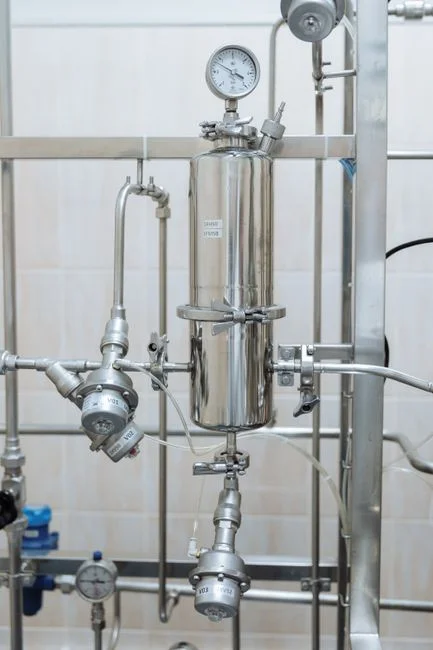
Translating the engineering parameters above into a defensible 2026 budget is where most procurement processes stall. The CAPEX range below reflects turnkey installed systems delivered in Mexico, including civil works, equipment, instrumentation, and commissioning. OPEX figures assume grid electricity at MXN $1.20–$1.80/kWh, polymer at USD $3.50–$4.50/kg, and sludge hauling at USD $25–$45 per wet ton.
| Plant size (m³/day) | CAPEX range (USD) | Installed cost per L/day | OPEX (USD/m³ treated) |
|---|---|---|---|
| 50 | $45,000–$95,000 | $0.90–$1.90 | $0.95–$1.40 |
| 200 | $140,000–$320,000 | $0.70–$1.60 | $0.55–$0.95 |
| 1,000 | $550,000–$1,400,000 | $0.55–$1.40 | $0.30–$0.85 |
At an aggregated envelope of $0.18–$0.42 per liter/day of installed capacity, the OPEX split is roughly energy 40–50%, chemicals (polymer, defoamer, CIP additives) 15–20%, sludge hauling and disposal 20–25%, and labor plus membrane replacement 10–15%. Plants above 1,000 m³/day drop below USD $0.85/m³ because anaerobic biogas offsets 15–30% of aeration energy and RO concentrate disposal is amortized over a larger flow. These envelopes are consistent with the SBR-for-gelatin CAPEX benchmarks published in the article catalog, with the difference that dairy plants generate 20–30% more biogas per kg COD and therefore recover capex faster when a biogas utilization skid is included. Payback drivers worth quantifying for your finance team: water reuse offset (saves $0.40–$0.90/m³ in northern Mexico), biogas-to-boiler offset, and avoided PROFEPA multas in the MXN $500,000–$3,000,000 range.
Selecting a Dairy Wastewater Equipment Supplier in Mexico
Vendor selection for a 2026–2027 upgrade is where the engineering work becomes a procurement decision, and most dairy plants underweight the supplier-evaluation step. A defensible scorecard has five criteria. Any supplier that fails on two or more should be deselected before pilot testing.
| Criterion | What to verify | Pass threshold |
|---|---|---|
| Reference plants in Mexico | Documented NOM-001 compliance for dairy or similar FOG/COD load | ≥2 operating ≥12 months |
| Delivery model | Containerized, skid-mounted, or civil build | Matches site access and expansion plan |
| Local service & documentation | Spanish O&M manuals, 24/7 service hotline, stocked spares within 24 h | All three confirmed in writing |
| PLC/SCADA platform | Allen-Bradley, Siemens, or Schneider compatibility with plant DCS | Confirmed protocol list and tag database |
| Warranty | MBR membrane and filter press plate warranty | ≥5 years membrane, ≥3 years plates |
Red flags: no documented performance curves for FOG >500 mg/L, no Spanish-language documentation, no on-site pilot data, and MBR membrane modules sourced from non-OEM channels (this is the single most common warranty-voiding issue at 24–36 months in the field). Containerized DAF + MBR + sludge press packages from established Chinese OEMs are a legitimate turnkey option for plants under 500 m³/day — but always require a 30-day on-site pilot at full flow before signing a PO. The 2026 buyer landscape is more competitive than the SBR-for-gelatin market, so you have leverage to insist on pilot data, not just a quote.
Frequently Asked Questions
What are the NOM-001-SEMARNAT-2021 effluent limits for dairy plants in Mexico?
For surface water discharges, dairy plants must meet COD ≤200 mg/L, BOD₅ ≤75 mg/L, FOG ≤25 mg/L, total nitrogen ≤40 mg/L, total phosphorus ≤20 mg/L, and pH 5.0–10.0. Coastal and municipal sewer columns have different ceilings, but the 200 mg/L COD cap is the binding constraint for most plants in Jalisco and Guanajuato.
What is the typical COD and FOG load in raw dairy wastewater?
Raw combined influent at a Mexican dairy plant typically runs COD 2,000–8,000 mg/L, BOD 1,200–4,500 mg/L, and FOG 200–1,500 mg/L, with pH swinging from 4.0 (sour whey) to 11.0 (alkaline CIP) over a single shift. Without FOG pre-removal, the FOG alone chokes biological oxygen transfer and compliance fails.
Can a sequencing batch reactor (SBR) alone treat raw dairy wastewater to NOM-001 limits?
No. Published SBR studies show >90% COD removal, but only on pre-diluted influent of 400–2,500 mg/L (OALib, MLVSS ~3,000 mg/L). At full-scale raw 5,000–8,000 mg/L dairy wastewater, an SBR alone produces 600–900 mg/L effluent COD and fails the 200 mg/L limit. A DAF + anaerobic + SBR/MBR train is required.
What is the 2026 CAPEX range for a 200 m³/day dairy wastewater treatment plant in Mexico?
Turnkey installed CAPEX for a 200 m³/day dairy plant in Mexico in 2026 runs USD $140,000–$320,000, or roughly $0.70–$1.60 per liter/day of installed capacity, with OPEX of $0.55–$0.95/m³ treated. The wide range reflects whether biogas utilization, RO reuse, and containerized delivery are included.
Is DAF pretreatment necessary for a dairy wastewater treatment system?
Yes, when raw FOG exceeds 200 mg/L. DAF removes 85–95% of FOG and 25–40% of COD before the biological stage, protecting anaerobic and aerobic biomass from emulsified fats. Skipping DAF is the single most common cause of compliance failure in Mexican dairy plants.
Related Equipment
- industrial RO for water reuse on the dairy side — specifications, capacity range, and technical data