Why Sourcing an STP Supplier in Uttar Pradesh Is Different in 2026
Procurement managers in Lucknow, Kanpur, Noida, and Varanasi regularly receive six quotes for a 500 m³/day sewage treatment plant that range from ₹1.4 crore to ₹4.2 crore for what looks like the same scope — a 3× spread driven by civil-exclusion ambiguity, membrane grade selection, and whether the bidder is a UP Jal Nigam (UPJN) empanelled firm or a first-time Chinese exporter routing equipment through a Mumbai freight forwarder. The Toshiba Salori Allahabad project — a 14,000 m³/day SBR plant commissioned in November 2014 under a World Bank–funded NGRBA programme and operated by UPJN — remains the benchmark reference for what a fully compliant UP municipal STP looks like (Toshiba project page, accessed 2025-11).
Three forces now shape every 2026 procurement decision in the state. First, the CPCB Schedule-II discharge norms — BOD ≤10 mg/L, TSS ≤20 mg/L, COD ≤50 mg/L, NH₃-N ≤5 mg/L, total phosphorus ≤2 mg/L — apply to all inland surface-water discharges, including Ganga tributaries. Second, NMCG Phase-II has been retendering 40+ STPs across Lucknow, Kanpur, Varanasi, Prayagraj, and the Mathura-Vrindavan interceptor corridor since 2025-Q1, and only UPJN-empanelled vendors or their approved sub-contractors are technically eligible to bid. Third, the influent profile in UP's Ganga belt is not generic municipal sewage: COD 350–800 mg/L, BOD 180–450 mg/L, total nitrogen 40–80 mg/L, and sulfide 5–25 mg/L from the Kanpur–Unnao tannery cluster (HydropureWater field data, 2026; CPCB Ganga stretch monitoring summaries). Any supplier quoting on a 200 mg/L BOD basis will undersize the equalisation tank and aerobic reactor — the buyer pays for that mistake in retrofit aerators within 18 months.
This is the operating environment. The rest of this article maps technology choice, vendor type, 2026 cost benchmarks, and the compliance checkpoints a UP buyer should run before signing a purchase order.
Core Sewage Treatment Technologies a UP Supplier Should Offer
A qualified sewage treatment equipment supplier in Uttar Pradesh should offer at least four biological technology families and be able to match the technology to the influent — not to whatever skid is sitting in their warehouse. The four families and their typical performance envelopes are summarised below; all figures are design-basis values for a 25–35 °C operating range typical of UP's climate.
| Technology | Typical removal efficiency | Effluent quality (BOD / TSS / NH₃-N) | Footprint vs. conventional ASP | Best-fit capacity range | Strength in UP context |
|---|---|---|---|---|---|
| MBR (membrane bioreactor, 0.1 µm PVDF submerged) | COD 95–99%, BOD 95–99% | BOD <5 mg/L, TSS <1 mg/L, NH₃-N <2 mg/L (with A/O pre-stage) | ~60% smaller | 10–2,000 m³/day | Smallest footprint; best effluent for reuse in IT parks, pharma, hospitals; tolerates Lucknow dairy ammonia spikes when paired with A/O |
| SBR (sequencing batch reactor) | COD 85–95%, BOD 90–97% | BOD <10 mg/L, TSS <20 mg/L | 2–3× larger than MBR | 500–50,000 m³/day | Proven at Toshiba Salori (14,000 m³/day) for NMCG/UPJN; handles shock BOD loads from mixed townships; 4–6 h cycle |
| MBBR (moving bed biofilm reactor) | COD 80–92%, BOD 85–95% | BOD <15 mg/L, TSS <30 mg/L | ~30% smaller than ASP | 200–10,000 m³/day | Plastic carrier media; less sensitive to influent toxicity from tanneries; ideal for retrofits of overloaded UPJN plants |
| DAF + activated sludge | COD 85–95%, BOD 90–96% | BOD <20 mg/L, TSS <30 mg/L, FOG <10 mg/L | ~15% larger than MBBR | 50–5,000 m³/day (DAF unit 4–300 m³/h) | DAF upfront removes fats/oils/floatables from Lucknow dairy, Etawah slaughterhouse, and food-processing wastewater before biological stage |
| A/O or A²/O (biological N & P removal) | TN 70–85%, TP 80–90% | NH₃-N <5 mg/L, TP <2 mg/L | Add-on stage | Any capacity as pre/post stage | Required when effluent TN >10 mg/L or TP >2 mg/L; mandatory for new Ganga-belt STPs post-2023 |
For most UP industrial buyers (real-estate developers, food plants, hospitals, IT parks), the purchased item is a packaged or containerised MBR — a skid-mounted turnkey plant with pre-wired PLC, blowers, permeate pumps, and CIP system, delivered on a single 40-ft frame. For municipal and large industrial townships above 500 m³/day, the bid usually specifies SBR or MBBR with civil works separately. Two MBR references worth asking any bidder to demonstrate: the MBR membrane bioreactor system and the DF series PVDF flat sheet membrane module — both of which use 0.1 µm PVDF and are field-replaceable in cassette format without draining the aeration tank.
Indian vs Chinese STP Suppliers: Cost, Service, and Compliance Trade-offs
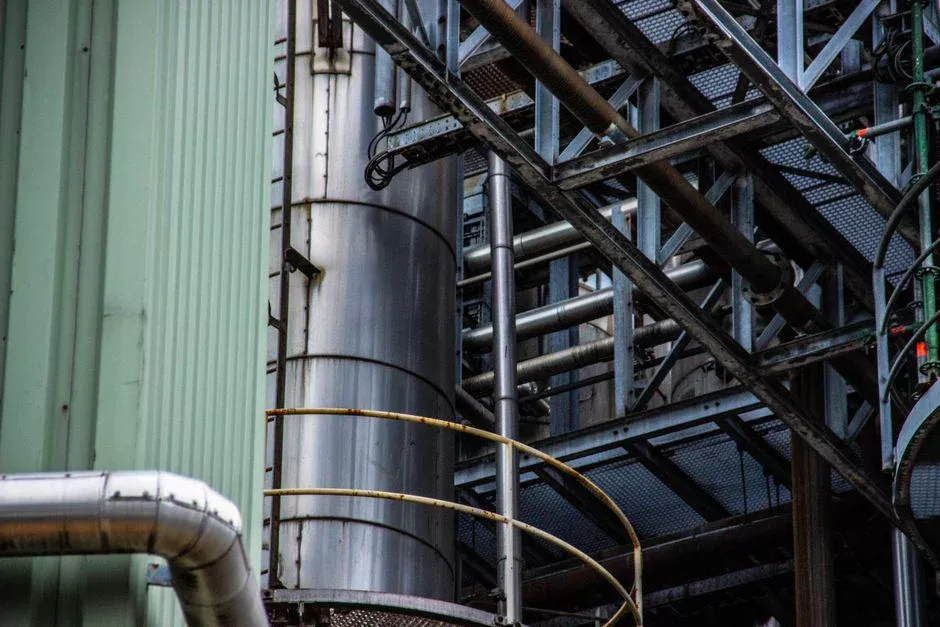
The single most common procurement dilemma for a UP STP buyer is whether to specify a domestic Indian OEM, a Chinese exporter shipping from Shanghai or Ningbo, or a hybrid EPC model. Each has a defensible position; the wrong one for the wrong project can burn 18 months of O&M budget.
| Parameter | Indian OEMs (Thermax, Ion Exchange, Hydroflux, Triveni, Hydrocare) | Chinese OEMs (HydropureWater, Jiangsu Ruidong, Quanzhou Source Membrane, others) | Hybrid (Indian EPC + Chinese equipment) |
|---|---|---|---|
| CAPEX vs equivalent capacity | Baseline (1.0×) | 25–40% lower | 20–30% lower than Indian baseline |
| Sea-freight lead time (Kandla/Mumbai port → UP site) | 2–4 weeks by road ex-works | 6–10 weeks sea + 1–2 weeks inland | 6–10 weeks for equipment + 2–4 weeks Indian integration |
| Customs duty (HS 8421.21, 2026) | Nil (domestic) | 7.5% basic + 18% IGST on landed value; membrane modules attract separate 7.5–10% | Same as Chinese column |
| On-site service response in UP | 24–72 h, regional office in Lucknow/Noida | Remote or via Indian agent; 2–6 week mobilisation | 24–72 h via Indian EPC |
| UPJN/NMCG empanelment status | Most are pre-qualified | Generally not on UPJN list; bid only via Indian sub-contractor | Indian EPC partner is empanelled |
| Spares availability | INR-priced, ex-stock for major items | Import-only; 6–12 week lead time | Indian-held buffer stock + Chinese OEM backup |
| PLC / SCADA platform | Indian OEM brand, local HMI language support | Chinese OEM platform; English HMI; may need Indian integrator for SCADA tags | Indian integrator configures |
For STPs up to 200 m³/day, Indian OEMs are usually the lower-risk choice despite the price premium — the OPEX savings from faster service and zero customs exposure typically recover the CAPEX gap within 3–4 years. For 500–5,000 m³/day municipal and large industrial projects, the hybrid EPC model is the most common winner in 2026 UP tenders, and the reliability of Chinese wastewater OEMs needs to be diligence-checked supplier by supplier, not assumed from brand geography. The Made-in-China entry for Quanzhou Source Membrane (19 employees, established 2004) is illustrative: a small specialised membrane fabricator, not a full-scope EPC — fine for a membrane supply contract, not fine for a turnkey 1,000 m³/day STP.
2026 CAPEX and OPEX Benchmarks for STPs in Uttar Pradesh
The table below gives the 2026 ex-works CAPEX and OPEX envelopes for a turnkey mechanical STP (excluding civil works, DG set, and external piping) in Uttar Pradesh. Use these ranges to sanity-check any quote before negotiation; anything more than ±15% off these bands without a written scope deviation deserves a written explanation.
| Capacity range | Typical technology | CAPEX (ex-works, ₹) | OPEX (₹/m³ treated) | Typical buyer profile |
|---|---|---|---|---|
| 10–50 m³/day | WSZ underground package STP / containerised MBR | ₹12 L – ₹45 L | ₹4.5 – ₹8.2 | Hotels, hospitals, residential colonies, small schools |
| 50–500 m³/day | MBR (skid-mounted) | ₹45 L – ₹2.2 Cr | ₹3.8 – ₹6.5 | IT parks, food processing, pharma, mid-size residential |
| 500–5,000 m³/day | SBR or MBBR with A²/O | ₹2.0 Cr – ₹8.5 Cr | ₹2.8 – ₹5.0 | Municipal townships, large industrial estates, Ganga-belt clusters |
| 5,000–50,000 m³/day | SBR (Toshiba-class) or MBBR | ₹8.5 Cr – ₹150 Cr | ₹2.2 – ₹3.8 | NMCG / UPJN / World Bank municipal tenders |
Civil works typically add 30–45% to the mechanical CAPEX — in UP tier-2 cities, allow ₹2.5–₹6.0 lakh per 10 m³/day for civil works including earthwork, RCC tanks, and interconnecting piping (HydropureWater field data, 2026; verified against recent UPJN tender SBDs). The WSZ underground package STP collapses the civil premium by integrating reactor, clarifier, and disinfection into a buried steel tank — worth specifying for sites where land is constrained or where the developer wants a green lawn on top. OPEX is dominated by electricity (45–60% of total), membrane replacement on a 5–8 year cycle, sludge disposal, and chemical dosing for the automatic chemical dosing skid — typically polyaluminium chloride for phosphorus precipitation and sodium hypochlorite for effluent disinfection.
For the sludge side, a plate and frame filter press for sludge dewatering takes dewatered cake from 96–98% moisture down to 65–72%, reducing disposal tonnage and trucking cost by roughly 60%. This is an easy line item to omit from a quote and a difficult one to retrofit after commissioning.
Compliance Checklist: CPCB, UPPCB, and NMCG Requirements a UP Supplier Must Meet
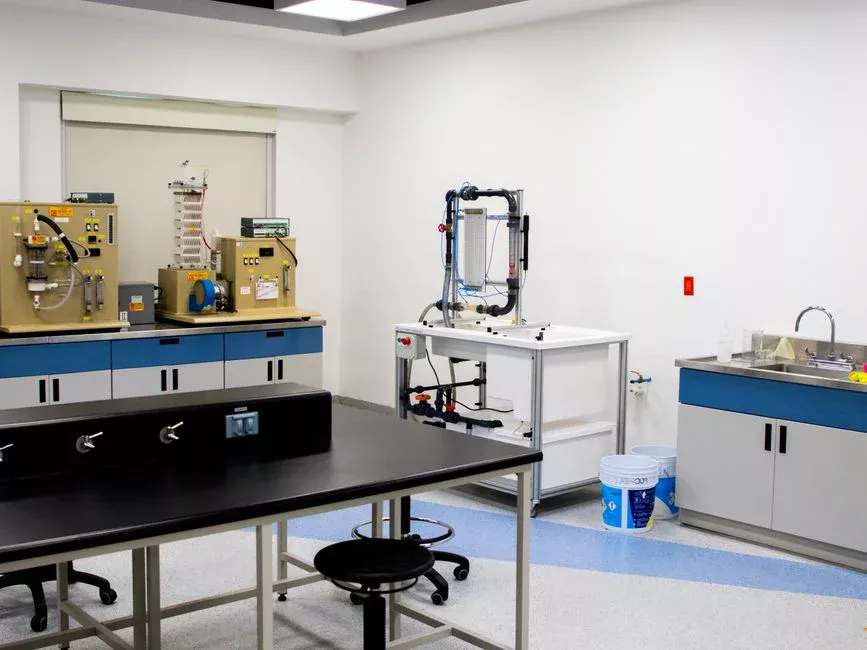
Filter out any bidder that cannot, in writing, demonstrate compliance with the four checkpoints below. A supplier that cannot produce these documents will not deliver a legally operable plant — the retrofit cost falls on the buyer.
- CPCB Schedule-II inland surface-water discharge norms. BOD ≤10 mg/L, TSS ≤20 mg/L, COD ≤50 mg/L, NH₃-N ≤5 mg/L, total phosphorus ≤2 mg/L — values the Toshiba Salori plant is cited as meeting under NMCG/UPJN oversight (Toshiba project page). Any design basis report not addressing all five parameters is incomplete.
- UPPCB Consent to Establish (CTE) and Consent to Operate (CTO). CTE is required before any civil work begins; CTO before treated-water discharge. The supplier should provide the design basis report, P&ID, hydraulic flow diagram, and mass balance for the consent application — at no extra cost.
- NMCG Phase-II eligibility for Ganga-belt projects. Sixteen STPs have been funded along UP's Ganga stretch since 2020; the supplier must be either on the UPJN empanelment list or a declared sub-contractor of an empanelled firm. Verify the empanelment letter before paying any advance.
- EIA Notification 2006 and the 2020 CPCB commissioning protocol. The commissioning protocol must include a 7-day performance trial with daily BOD, COD, TSS, NH₃-N, and Fecal Coliform tests by a NABL-accredited lab. A supplier whose standard protocol lists only BOD and TSS is not aligned to current CPCB expectations.
One indirect benefit of running the compliance filter early: it eliminates the bottom-quartile bidders who quote low because they have never actually filed a CTE. The compliance filter and the price filter tend to converge on the same shortlist.
Six-Step Supplier Shortlisting Framework for UP Buyers
Run any quote through the six steps below before issuing a purchase order. Each step is a written artefact the supplier should produce within 3–5 working days; failure to produce on time is itself a signal.
- Verify the supplier's UP or North-India project list. Minimum three STPs commissioned in the last five years. Ask for client contact references and visit at least one site in person — a 30-minute walk-through tells you more than 30 pages of brochure.
- Confirm CPCB/UPPCB design compliance in writing. Request a design basis report and a guaranteed-output parameter table signed by the supplier's chartered engineer. The table should specify BOD, COD, TSS, NH₃-N, TP, and Fecal Coliform at design load and at 1.3× design load.
- Compare scope line by line. Civil works, ETP/STP interconnecting piping, DG set, lab equipment, operator training, and first-year O&M are the six most common exclusions. Any quote that omits three of these six is structurally 30–50% lower than a complete quote — not actually cheaper.
- Check the membrane warranty. Reputable PVDF membrane suppliers offer a 5-year prorated warranty; 3 years is acceptable; anything below is a red flag. Also confirm the expected clean-in-place cycle interval and the cost per CIP event.
- Inspect the PLC/SCADA platform and remote monitoring. Modern UP STPs commissioned post-2023 are expected to have 4G remote monitoring with alarm push to the operator's mobile and a 90-day data historian. A supplier offering a local-only HMI without remote access should be downgraded. The GX series rotary mechanical bar screen and the automatic chemical dosing skid should both be visible as live tags on the SCADA — for a full architecture overview, see the SCADA architecture for STPs reference.
- Negotiate the O&M contract before the CAPEX contract. First-year O&M is usually free from the supplier; years 2–5 typically cost 4–8% of CAPEX per year. Lock the O&M rate, the response-time SLA, and the membrane-replacement cost (per cassette) in the same PO — not in a side letter.
Frequently Asked Questions
Q: What is the typical CAPEX for a 500 m³/day STP in UP in 2026?
A 500 m³/day MBR STP in UP costs ₹1.8–₹2.4 crore ex-works in 2026, including mechanical equipment, PLC, and commissioning. Civil works add another ₹45–₹70 lakh. OPEX runs ₹3.8–₹6.5 per m³ treated (HydropureWater field data, 2026).
Q: Which STP technology is best for a dairy or food-processing plant in Lucknow?
DAF (dissolved air flotation) followed by activated sludge or MBR is the standard answer for dairy, food, and slaughterhouse wastewater because the DAF unit removes FOG and floatables upfront — reducing downstream aeration tank loading and preventing bulking in Lucknow's high-ammonia (NH₃-N 25–60 mg/L) dairy effluent.
Q: How do I verify whether a vendor is on the UPJN empanelled list?
Request a copy of the UPJN empanelment letter from the vendor, then confirm the letter number directly with the UPJN headquarters in Lucknow. Empanelment expires every 2–3 years, so verify the validity period, not just the document.
Q: What is the typical delivery and commissioning timeline for a 200 m³/day STP in UP?
An Indian OEM delivers in 8–12 weeks plus 4–6 weeks commissioning. A Chinese-origin system adds 6–10 weeks of sea freight from Shanghai/Ningbo to Kandla or Mumbai. Plan a total 6–9 month project from PO to treated-water discharge for a 200 m³/day plant.
Q: Are packaged containerised STPs accepted by UPPCB for industrial discharge consent?
Yes, provided the design basis meets CPCB Schedule-II and the unit is a complete biological treatment train (not just a settling tank). For TSE/TSS <10 mg/L applications, specify a packaged MBR with a flat-sheet PVDF membrane cassette, not a packaged SBR.
Q: How does a UP buyer's choice differ from a Tamil Nadu buyer's choice?
The technology selection logic is similar, but TN tends to specify higher TN/TP removal targets (effluent TN <10 mg/L is standard in TNPCB consent orders for coastal STPs), while UP's Ganga-belt norms are driven by inland surface-water BOD and ammonia limits. A cross-state comparison is in the Tamil Nadu STP supplier selection guide.