What the 2026 CPCB Phenol Limit Actually Says
Under the 2026 CPCB framework, the phenol discharge ceiling in India is 1.0 mg/L for inland surface water (rivers, streams, lakes) and 5.0 mg/L for marine/coastal outfalls and land irrigation under Schedule-VI of the Environment (Protection) Rules, 1986, as enforced under the Water (Prevention and Control of Pollution) Act, 1974. Sector-specific Schedule-I norms for refineries, coke ovens, pesticide plants, and resin manufacturers tighten the cap to 0.1–0.5 mg/L, which is why Fenton oxidation, granular activated carbon (GAC) adsorption, or solvent extraction polishing is required beyond biological treatment for those segments. The reference analytical method is APHA 5530 (4-AAP colorimetric) with a method detection limit of 0.01 mg/L — the same method Indian State Pollution Control Boards (SPCBs) will check against during consent renewal audits.
Designers should not target the statutory number directly. Consent orders in 2025–2026 typically cite BIS IS 2490 (tolerances for industrial effluents discharged into inland surface waters), IS 3306 (tolerances for marine outfalls), and IS 7968 (tolerances for irrigation), and the regulator will accept a 5–10% analytical over-read. To absorb this and any 24-hour composite variability, design the biological and polishing stages for an outlet of 0.5–0.7 mg/L when the consent cap is 1.0 mg/L, and 0.05–0.08 mg/L when the cap is 0.1 mg/L. MoEFCC has signalled (2025-11 draft notification review) tighter phenolic sub-limits for coke oven and resin sectors, so current designs should be built with at least 20% headroom for the next consent cycle.
| Parameter | Inland Surface Water | Marine/Coastal | Land Irrigation | Method | Detection Limit |
|---|---|---|---|---|---|
| Phenols (total, as C₆H₅OH) | 1.0 mg/L | 5.0 mg/L | 5.0 mg/L | APHA 5530 (4-AAP) | 0.01 mg/L |
| Schedule-VI General Standard | Environment (Protection) Rules, 1986, amended 2024; enforced under Water Act 1974, Section 25/26 | ||||
| Analytical tolerance to design for | 0.5–0.7 mg/L outlet | 2.5–3.5 mg/L outlet | 2.5–3.5 mg/L outlet | — | — |
| Indian Standards cross-reference | IS 2490:1982 (reaffirmed 2014) | IS 3306:1992 (reaffirmed 2018) | IS 7968:1985 (reaffirmed 2016) | — | — |
Sector-Specific Phenol Limits: Schedule-I for Refineries, Coke Ovens, Pesticides and Resins
Schedule-I caps are tighter than Schedule-VI because phenol and its chlorinated derivatives are toxic to aquatic life at microgram-per-litre concentrations — the 96-hr LC50 for common Indian freshwater fish species (Labeo rohita, Catla catla) sits in the 0.1–10 mg/L range, and chlorophenols bioaccumulate in sediment and fish tissue, which is why pesticide sector sub-limits are particularly aggressive. For a refinery or coke-oven ETP manager, Schedule-I is the number that actually matters, not the 1.0 mg/L general rule.
The four highest-phenol Schedule-I segments, with their respective caps:
- Petrochemical refineries: 0.5 mg/L phenol under Schedule-I; refineries exceeding 50,000 TPA throughput must install online TOC or dedicated phenol analyzers at the final outlet (CPCB direction, 2024-09). Spent caustic oxidation (wet air oxidation or COCE) is the dominant upstream control.
- Coke oven by-product plants: 0.1 mg/L phenol — the tightest cap in Indian industrial regulation. Influent phenol from ammonia stripper overhead and clean condensate streams typically runs 200–1,500 mg/L, which means >99.95% removal is mandatory.
- Pesticide / herbicide manufacture (technical grade): 0.1–0.5 mg/L total phenol, with specific chlorophenol sub-limits — 2,4-dichlorophenol at 0.05 mg/L and pentachlorophenol at 0.001 mg/L (per CPCB Schedule-I pesticide industry norms, 2023 consolidated).
- Phenolic resin and formaldehyde plants: 0.5 mg/L phenol; resin condensates from the reactor vent scrubber can be 5,000–15,000 mg/L and must be segregated, not blended with general effluent, or they will overwhelm biological treatment.
| Industry Sector | Schedule-I Phenol Cap | Typical Influent (mg/L) | Required Removal | Online Analyzer? |
|---|---|---|---|---|
| Petrochemical refinery | 0.5 mg/L | 50–500 | 99.0–99.9% | Mandatory >50,000 TPA |
| Coke oven by-product | 0.1 mg/L | 200–1,500 | 99.93–99.99% | Mandatory |
| Pesticide (technical grade) | 0.1–0.5 mg/L + chlorophenol sub-limits | 100–2,000 | 99.95–99.99% | Mandatory |
| Phenolic resin / formaldehyde | 0.5 mg/L | 1,000–10,000 (condensate) | 99.95–99.99% | Strongly recommended |
| General industrial (CETP inlet) | 1.0 mg/L (Schedule-VI) | 5–50 | 95–99% | Cluster-dependent |
Influent Phenol Loading by Industry: Where Your ETP Starts
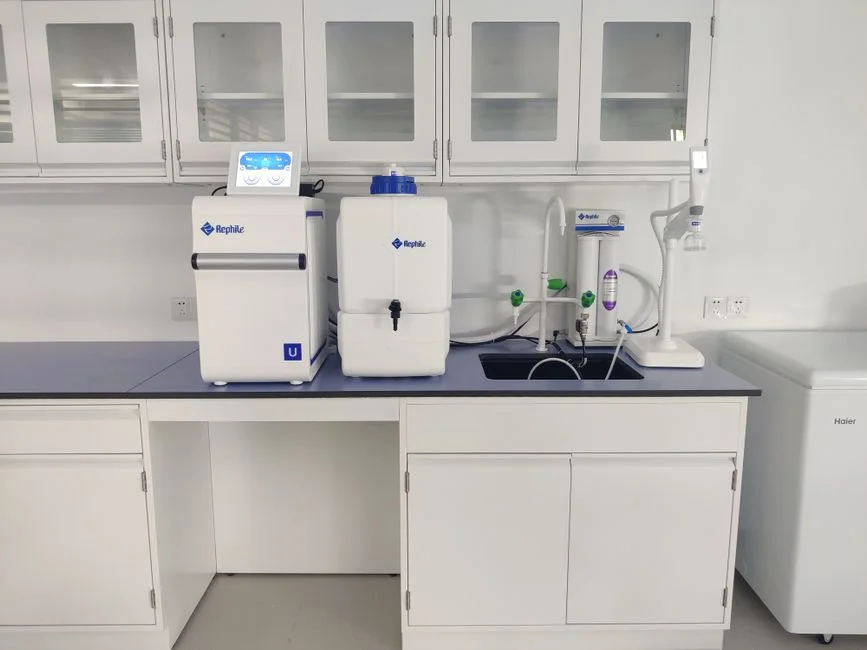
Treatment train selection starts with the influent number, not the consent number. If you design for 1.0 mg/L outlet without checking what is actually arriving at the equalization tank, you will either over-design biological aeration or under-design the polishing step. The four canonical influent bands for Indian ETP work are:
- Coke oven wastewater: 200–1,500 mg/L phenol, dominated by the phenolic NH₃ stripper overhead and clean gas condensate. The stripper typically runs at 100–105 °C with caustic dosing to free ammonia, and the overhead condensate is the phenol hot-spot.
- Refinery desalter effluent + spent caustic: 50–500 mg/L combined. Sulfidic spent caustic (2–8 wt% Na₂S) is oxidized first in a wet air oxidation (WAO) or COCE unit to destroy sulfides before the stream enters the desalter brine, where it meets the 50–200 mg/L phenol band.
- Pesticide manufacture: 100–2,000 mg/L depending on active ingredient. 2,4-D and MCPA production generate 500–2,000 mg/L; carbaryl and organophosphate lines run lower at 100–400 mg/L but carry higher chlorophenol load.
- Phenolic resin condensates: 1,000–10,000 mg/L — segregated at source, sent either to a dedicated solvent extraction skid or to a Fenton destruction train sized for a 10,000 mg/L feed.
For a Common Effluent Treatment Plant (CETP) inlet — the Gujarat, Tamil Nadu, and Maharashtra industrial cluster case — influent phenol is typically 5–50 mg/L, which is why most CETPs run a biological train with a GAC polishing filter and rarely need Fenton.
| Sector / Stream | Influent Phenol Band | Source Unit | Stream Segregation? |
|---|---|---|---|
| Coke oven wastewater | 200–1,500 mg/L | NH₃ stripper overhead, clean gas condensate | Yes — segregated before biotreatment |
| Refinery desalter + spent caustic | 50–500 mg/L | Desalter brine, oxidized spent caustic | Spent caustic pre-oxidized separately |
| Pesticide manufacture | 100–2,000 mg/L | Process wastewater per active ingredient | Chlorophenol streams segregated |
| Phenolic resin condensate | 1,000–10,000 mg/L | Reactor vent scrubber, condensate receiver | Mandatory — never blend with general effluent |
| Mixed CETP inlet | 5–50 mg/L | Collected member-industry discharge | N/A — equalized in CETP wet well |
Treatment Train Options to Hit 1.0 mg/L and 0.1 mg/L
Biological treatment alone — activated sludge, MBBR, or SBR — typically achieves 95–99% phenol removal to an outlet of 0.5–5 mg/L depending on influent strength and F/M ratio. That is adequate for the 1.0 mg/L Schedule-VI cap with a safety margin, but it is rarely enough for the 0.1–0.5 mg/L Schedule-I cap, which is why polishing units are essential for refineries, coke ovens, pesticides, and resin plants. The decision is which polishing step — Fenton, GAC, or solvent extraction — and in what order.
Fenton oxidation (H₂O₂/Fe²⁺ at pH 2.5–3.5) destroys 80–99% of residual phenol at a H₂O2:phenol mass ratio of 2–4:1, generating 1.5–2.5 kg of iron-bearing chemical sludge per kg of phenol destroyed. It is the workhorse for 0.5 mg/L and 0.1 mg/L compliance on streams with influent under 500 mg/L. Reagent control is critical — a PLC-controlled Fenton reagent dosing system sized for the phenol mass load is the difference between hitting 0.5 mg/L and missing on a grab sample.
GAC adsorption on coal or coconut-shell carbon, with a phenol loading capacity of 1,000–1,500 mg/kg, achieves outlet phenol below 0.5 mg/L consistently and below 0.1 mg/L with sufficient contact time (EBCT 20–30 min) and low inlet phenol (<5 mg/L). GAC works best as final polishing downstream of Fenton, with thermal reactivation of the carbon every 6–12 months to prevent breakthrough. For 0.1 mg/L compliance, two GAC vessels in lead-lag configuration is standard practice.
Solvent extraction with toluene, MIBK, or DIPE is justified when influent phenol exceeds 1,000 mg/L — recovery economics only work above that concentration. A mixer-settler or agitated extraction column recovers phenol as sodium phenate for re-use, and the raffinate goes to biological treatment. This is the only train where phenol becomes a revenue line rather than a destruction cost.
For the biological step itself, an MBR membrane bioreactor for phenol-bearing wastewater with submerged PVDF membranes at 0.1 µm pore size retains biomass at MLSS of 8,000–12,000 mg/L, which gives much better phenol shock resistance than conventional activated sludge at 2,500–4,000 mg/L MLSS. Upstream, a DAF unit for oil, FOG, and suspended solids removal ahead of phenol polishing protects the MBR and the GAC from fouling. The phenol-bearing stream also needs a rotary mechanical bar screen at the headworks when segregated condensates carry carryover solids.
| Unit Operation | Removal / Outlet | Best Position in Train | Operating Cost Driver |
|---|---|---|---|
| MBR (PVDF, 0.1 µm) | 95–99%; outlet 0.5–5 mg/L | Primary biological | Aeration + membrane cleaning |
| Fenton (H₂O₂/Fe²⁺, pH 2.5–3.5) | 80–99% destruction; outlet <0.5 mg/L | After biological, before GAC | H₂O₂ + FeSO₄ + sludge disposal |
| GAC (coal/coconut, EBCT 20–30 min) | Outlet <0.1 mg/L with lead-lag | Final polishing | Carbon replacement / reactivation |
| Solvent extraction (toluene/MIBK) | Recovery, not destruction | Upstream of biological, when influent >1,000 mg/L | Solvent make-up + phenol sale credit |
Treatment Selection Matrix: Matching Influent to the Right Train
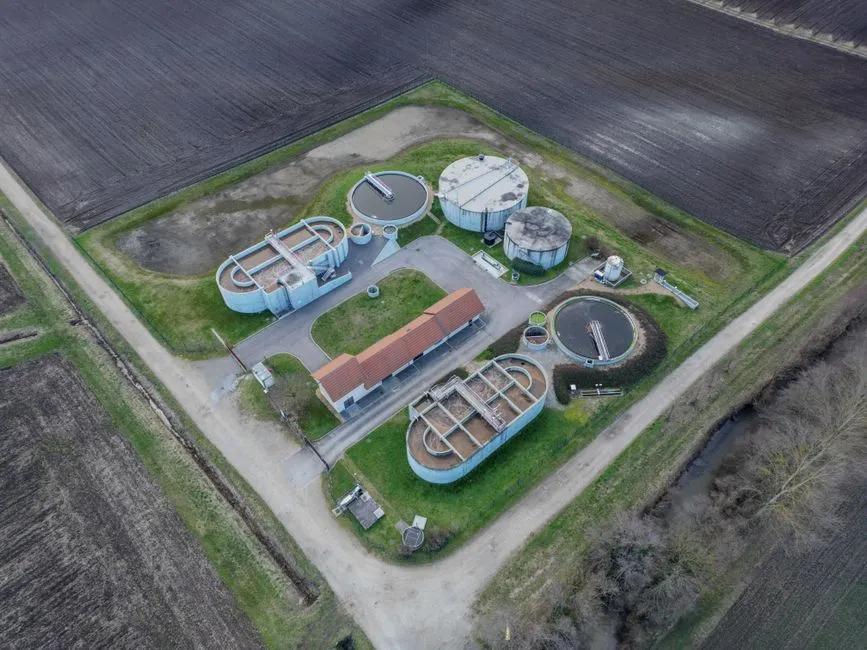
The matrix below maps the four canonical influent bands to the four realistic discharge targets. CAPEX is per 100 m³/day of treatment capacity in Indian Rupees (₹0.5–8 Crore band for 2026 turnkey projects, EPC + civil), and OPEX is per m³ of treated effluent including reagents, sludge disposal, power, and labour.
One consent-renewal nuance worth flagging: SPCB consent orders in 2025–2026 frequently accept up to 1.5× the statutory limit on a single grab sample provided the online phenol analyzer trend remains compliant for the preceding 30 days. This is the practical reason online analyzers pay back — they give you defensible compliance data, not just a regulatory checkbox.
| Influent Band (mg/L) | Target 5.0 mg/L | Target 1.0 mg/L | Target 0.5 mg/L | Target 0.1 mg/L | Recovery Viable? |
|---|---|---|---|---|---|
| 5–50 (CETP) | Biological only | Bio + GAC polish | Bio + GAC (lead-lag) | Bio + Fenton + GAC | No |
| 50–500 (refinery) | Bio + DAF | MBR + GAC | MBR + Fenton + GAC | MBR + Fenton + 2-stage GAC | No |
| 500–1,500 (coke oven) | Bio + Fenton | Bio + Fenton + GAC | Bio + Fenton + 2-stage GAC | Bio + Fenton + 3-stage GAC / RO | Marginal |
| 1,000–10,000 (resin condensate) | Solvent extract → bio | Solvent extract → bio + GAC | Solvent extract → bio + Fenton + GAC | Solvent extract → bio + Fenton + 2-stage GAC | Yes — strong |
| CAPEX band (₹ Crore / 100 m³/day) | 0.5–1.5 | 1.0–3.0 | 2.0–5.0 | 3.5–8.0 | +0.5–1.0 for extract |
| OPEX (₹ per m³) | 8–25 | 20–45 | 35–70 | 60–120 | Negative net OPEX possible |
For the high-solids or high-flow cases in this matrix, a high-efficiency sedimentation tank ahead of the biological stage reduces TSS load to the MBR and protects the polishing train. Sludge from the Fenton stage — typically 8–12% dry solids — is dewatered on a plate-and-frame filter press to a 35–40% cake for secure landfill disposal.
Monitoring, Sampling and BIS 10500 Reuse Considerations
CPCB-mandated monitoring for Schedule-I industries is a 24-hour composite sample, once per shift, analyzed by APHA 5530 4-AAP with a 0.01 mg/L detection limit. Sample preservation is critical: acidify with H₃PO₄ to pH below 2, store at 4 °C, and analyze within 24 hours — phenolic compounds oxidize and underestimate without preservation. Plants with discharge above 100 m³/day must install an online phenol analyzer at the final outlet; a chlorine dioxide dosing system upstream of the sampling point prevents biological regrowth in the analyzer line that would otherwise depress the reading.
The 1.0 mg/L and 0.1 mg/L discharge numbers look generous next to the BIS IS 10500:2012 drinking water phenol limit of 0.001 mg/L (1 µg/L) and the WHO guideline of 0.002 mg/L. If a plant is moving toward Zero Liquid Discharge (ZLD) and reusing treated water for cooling tower makeup, boiler feed, or gardening, the reuse envelope is at least 1,000× tighter than the discharge cap — meaning the polishing train must finish with reverse osmosis to get below 0.05 mg/L, with a final mixed-bed polish if feedwater is going to high-pressure boilers. Reuse for gardening is allowed under the 5.0 mg/L irrigation cap, but soil-aquifer protection still requires phenol below 0.1 mg/L at the irrigation outlet in most SPCBs' 2025 consent templates.
Frequently Asked Questions
What is the 2026 CPCB phenol discharge limit for inland surface water in India?
1.0 mg/L total phenols (as C₆H₅OH) under Schedule-VI of the Environment (Protection) Rules, 1986, analyzed by APHA 5530 4-AAP at 0.01 mg/L detection limit, enforced under Water Act 1974. (Source: CPCB Schedule-VI, 2024 consolidated.)
What is the Schedule-I phenol limit for coke oven and pesticide plants?
0.1 mg/L for coke oven by-product plants; 0.1–0.5 mg/L for pesticide manufacture with chlorophenol sub-limits (2,4-DCP 0.05 mg/L, PCP 0.001 mg/L) under CPCB Schedule-I sector-specific norms.
Can biological treatment alone meet the 0.1 mg/L Schedule-I phenol cap?
No. MBR and conventional activated sludge achieve 95–99% removal to 0.5–5 mg/L outlet. The 0.1 mg/L cap requires Fenton oxidation plus two-stage GAC polishing, or solvent extraction upstream if influent exceeds 1,000 mg/L.
Is an online phenol analyzer mandatory under 2026 consent conditions?
Yes for refineries above 50,000 TPA throughput, all coke oven plants, all pesticide technical-grade units, and any plant discharging above 100 m³/day. The 30-day online trend is the primary compliance evidence for 1.5× grab-sample tolerance.
How does BIS IS 10500 affect phenol reuse in cooling or boiler makeup?
BIS IS 10500:2012 sets drinking-water phenol at 0.001 mg/L — 1,000× tighter than the 1.0 mg/L discharge cap. Cooling-tower or boiler-feed reuse therefore needs RO or stronger polishing downstream of the discharge-compliant train.