
The Two-Layer Compliance Framework: 40 CFR Part 430 Meets the Kalamazoo POTW
EPA first promulgated 40 CFR Part 430 in 1974 and 1977, amended the rules in 1982 and 1986, and completed the major toxic-pollutant amendment in 1998 (source: EPA, Pulp, Paper and Paperboard Effluent Guidelines). That federal rule sets the floor for any pulp and paper facility discharging in the United States, but for a southwest-Michigan mill that sends wastewater to the City of Kalamazoo Water Reclamation Plant (KWRP), the binding ceiling is the KWRP's local sewer ordinance and its approved pretreatment program. A mill in this position is, in EPA's terminology, an indirect discharger — a facility that routes process wastewater to a publicly owned treatment works rather than directly to U.S. waters (per EPA definitions, 2026). The KWRP's local limits typically cover BOD, TSS, pH, AOX, sulfide, and whole-effluent toxicity, and they are normally at least as stringent as the corresponding 40 CFR Part 430 ceilings. Michigan EGLE administers the NPDES delegation and the state pretreatment oversight chain, so any change to the local sewer-use ordinance or to 40 CFR Part 430 flows through EGLE before it lands on the mill's permit. The practical effect: a pulp and paper engineer near Kalamazoo designs to the most restrictive of (a) the 40 CFR Part 430 subcategory ceilings, (b) the KWRP local limits, and (c) any Michigan EGLE special-condition clauses — and proves compliance to all three on every discharge report.
What Comes Out of a Pulp & Paper Mill: The Parameter Map
Pulp and paper mill effluents are mixtures of high BOD, high COD, suspended solids, color bodies, and — for bleached grades — chlorinated organics collectively reported as adsorbable organic halides (AOX) (source: Hubbe et al., BioResources review, 2016). The BOD/COD ratio is a useful design metric because it defines the fraction of organics that are biologically treatable; chemical pulping generates more than 40% poorly biodegradable organics in the total organic load, which is why biological treatment alone rarely closes the loop on bleached-kraft effluent (per Hubbe et al., 2016). AOX is generally proportional to chlorine consumption in the bleaching sequence, and the industry has reduced AOX discharges by more than 80% since 1990 (Friere et al., 2003, cited in Hubbe et al., 2016), yet bleached-grade mills still face residual AOX limits in the KWRP ordinance. Other flagged parameters include sulfide from kraft cooking liquors, color and lignin-derived chromophores, and whole-effluent toxicity (WET) when the parameter-by-parameter compliance is met but biotoxicity is still suspected. On a water-balance basis, a mill can generate up to 70 m³ of wastewater per tonne of paper, and roughly 70% of total intake water is used as process water — a ratio that drives the case for in-plant kidney-loop recirculation, save-alls, and DAF-based fiber recovery (Hubbe et al., 2016).
How the Standard Pretreatment Train Is Built
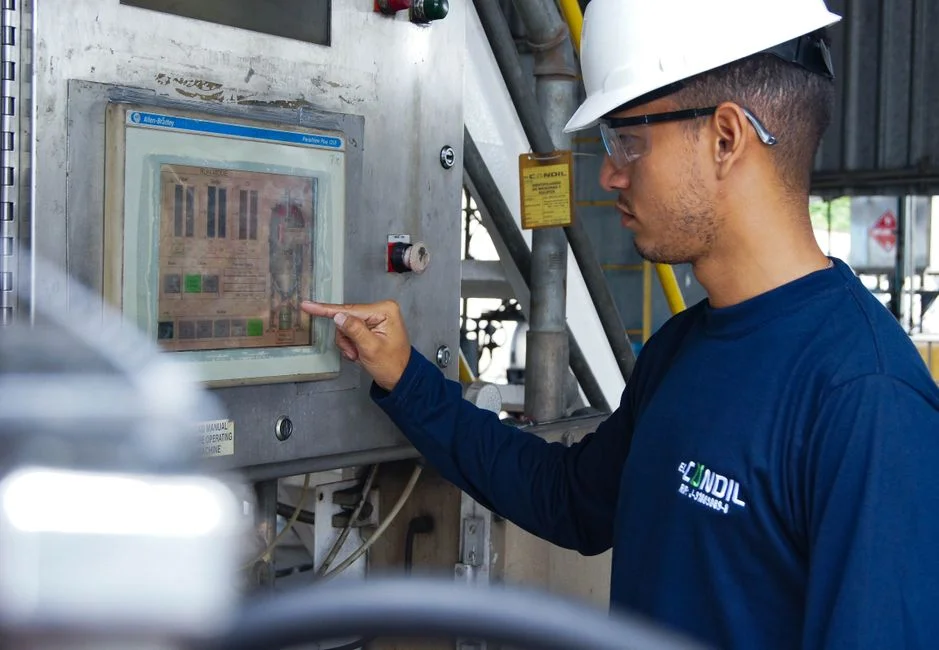
A defensible process train for an indirect-discharging pulp and paper mill in southwest Michigan runs in five functional steps, with monitoring as a sixth:
- Headworks screening and grit removal. A GX rotary mechanical bar screen at typically 6–10 mm aperture strips fibrous debris, rags, and plastic that would otherwise blind downstream DAF nozzles and aeration diffusers. Grit removal follows to protect pumps and biological reactors from sand and wood-chip fragments.
- Flow and load equalization. Equalization basins sized to 6–24 hours of hydraulic retention are the cheapest insurance on the P&ID. They dampen BOD, pH, and temperature swings from batch cookers, bleach-plant elutions, and paper-machine white-water spills. Without equalization, the downstream DAF and activated sludge basins ride a daily load factor that compromises both removal efficiency and sludge settleability.
- Dissolved air flotation for fiber, filler, and FOG recovery. A dissolved air flotation system with 50–80 µm micro-bubbles, paired with coagulant and polymer dosing through a HydropureWater automatic chemical dosing skid, routinely achieves 80–95% TSS removal on paper-mill primary effluent (per the DAF performance data and Hubbe et al., 2016). DAF doubles as a fiber and filler recovery step — captured solids return to the paper machine as save-all furnish, which is the upstream pollution-prevention logic EPA's cluster rules reward.
- Biological treatment. Conventional activated sludge (AS) handles the remaining BOD, COD, toxicity, and a baseline 30–50% of AOX. For high-strength streams — particularly condensates from kraft evaporators — an anaerobic stage ahead of the aerobic basin delivers energy-positive BOD removal and reduces aeration energy demand (Hubbe et al., 2016).
- Polishing (bleached grades only). Ozone, O₃/H₂O₂, or Fenton advanced oxidation, optionally followed by UF or MBR membranes, is the standard approach to push residual color, AOX, and recalcitrant COD below the KWRP's local-limits ceiling. Membrane selection is covered in the comparison section below.
- Monitoring and effluent sampling. 24-hour flow-weighted composite samplers, continuous pH and temperature probes, and a tie-in to the KWRP's automatic-sampler expectations close the regulatory loop. The sampling protocol must match both 40 CFR Part 430 monitoring requirements and the local sewer-use ordinance.
Subcategory-by-Subcategory: Which 40 CFR Part 430 Limits Apply
40 CFR Part 430 splits the industry into 12 subcategories (A through L) and ties the parameter ceilings to the process route rather than to the finished product (per EPA, 2026). A southwest-Michigan engineer should self-classify before pinning any number to a P&ID. The mapping below is intentionally descriptive; check the current 40 CFR Part 430 tables and the KWRP ordinance for the exact numerical ceilings.
| Subcategory | Typical process alignment in a Michigan mill | Driving parameters |
|---|---|---|
| A — Dissolving pulp at kraft mills | Specialty pulps for chemical cellulose; rare in southwest MI | BOD, TSS, color |
| B — Bleached papergrade kraft and soda | Market pulp, paperboard, tissue, fine paper at bleached kraft mills | AOX, dioxin, chloroform, color, BOD, TSS |
| C — Unbleached kraft | Linerboard, bag paper, mixed products at unbleached kraft mills | BOD, TSS, sulfide |
| D — Dissolving sulfite (nitration, viscose, cellophane, acetate) | Specialty; uncommon in this region | BOD, TSS, sulfite residuals |
| E — Other sulfite base (Ca, Mg, Na, NH₄, specialty grades) | Specialty pulps | BOD, TSS |
| F — Papergrade sulfite (blow-pit or vacuum/pressure drum wash) | Legacy mills only | BOD, TSS, color |
| G — Semi-chemical (ammonia or sodium base) | Corrugating medium, some specialty boards | BOD, TSS, sulfide |
| H — Groundwood / chemi-mechanical / thermo-mechanical | Newsprint, molded pulp, some groundwood fine paper | BOD, TSS, color |
| I — Non-wood chemical pulp | Specialty (e.g., cotton, flax) | BOD, TSS, color |
| J — Deink (fine paper, tissue, newsprint) | Recycled-paper mills common in Michigan | COD, color, ink particles, BOD, TSS |
| K — Fine and lightweight papers from purchased pulp | Non-integrated fine paper mills | BOD, TSS |
| L — Tissue, filter, non-woven, paperboard from purchased pulp | Non-integrated tissue and paperboard | BOD, TSS |
The subcategory drives which parameter is binding. Bleached mills (B) carry the tightest AOX, dioxin, and chloroform ceilings. Unbleached kraft (C) and semi-chemical (G) mills are regulated primarily on BOD, TSS, and sulfide. Deink (J) and secondary-fiber mills (within J/L) face color, COD, and ink-particle limits tied to deinking chemistry. Before you size any piece of equipment, confirm the subcategory letter, then read the matching 40 CFR Part 430 table for the current numerical ceilings (per EPA, 2026).
AOX, Color, and Toxicity: The Bleached-Line Polishers
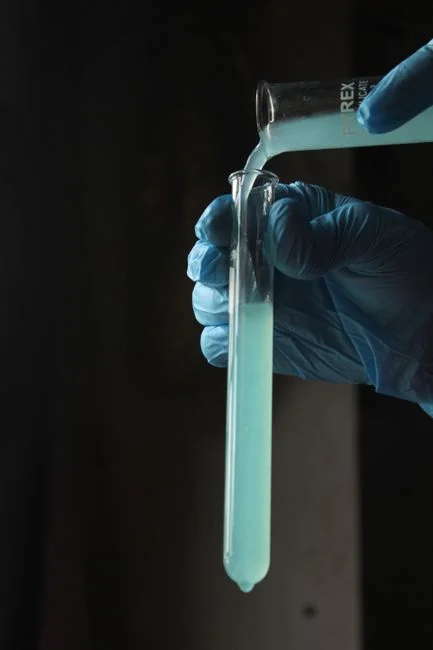
For a bleached-grade mill, the AOX and color step is where the standard train is won or lost. AOX is proportional to chlorine consumption in the bleaching sequence, and the industry has cut AOX discharges by more than 80% since 1990 (per Hubbe et al., 2016, citing Friere et al., 2003), but residual AOX remains the parameter that most often forces a polishing step on bleached lines. Activated sludge alone delivers a baseline 30–50% AOX reduction; the remainder needs advanced oxidation (ozone, O₃/H₂O₂, or Fenton) and/or membrane filtration (UF, MBR) to land below the KWRP local limit. The cluster-rule framework — EPA's joint air-and-water rules for the pulp and paper sector — motivated the widespread shift to elemental chlorine free (ECF) and totally chlorine free (TCF) bleaching, which is upstream pollution prevention, not end-of-pipe treatment, and is the single most effective lever a southwest-Michigan mill has on AOX loading. When parameter limits are met but biotoxicity is still suspected, the KWRP can require a whole-effluent toxicity (WET) test; UV disinfection is often added downstream of polishing to control microbial carryover and to support in-plant water reuse.
Process Train Comparison: Conventional vs. MBR-Polished Discharge
The decision between a conventional activated-sludge (AS) train and an MBR-polished train is mostly a function of footprint, discharge-quality margin, and a future water-reuse driver.
| Criterion | Conventional AS (primary clarifier + AS + secondary clarifier) | MBR-polished (AS + submerged 0.1 µm PVDF membrane) |
|---|---|---|
| Typical effluent BOD/TSS | <30 mg/L BOD, <30 mg/L TSS at design loading | <5 mg/L BOD, <1 mg/L TSS |
| Footprint | Baseline; large clarifier footprint | ~60% smaller than conventional AS at equal load (per the MBR product data, 2026) |
| Capex | Lower | Higher (membrane modules + air-scour blowers) |
| Opex | Lower aeration energy, no membrane replacement | Higher membrane-aeration energy and periodic membrane replacement |
| Water-reuse suitability | Marginal — usually needs a separate polish step | High — effluent is suitable for many process-water returns |
| Best fit | Existing 40 CFR Part 430 BOD/TSS limits are met with margin; opex is the priority | Tight POTW local limits, limited land, or a future water-reuse driver |
For most southwest-Michigan indirect dischargers, the integrated MBR membrane bioreactor with the DF-series MBR module is the right call when the KWRP local limits are tight, the mill has limited land, or there is a strategic plan to close the loop back to the paper machine. The MBR option also provides a future-proofing path if the city tightens local limits or if the mill later pursues a process-water reuse permit. Conventional AS remains the right answer when the 40 CFR Part 430 BOD/TSS ceilings are met with margin and opex dominates the capex conversation.
Compliance Checklist Before You Discharge to the Kalamazoo Sewer
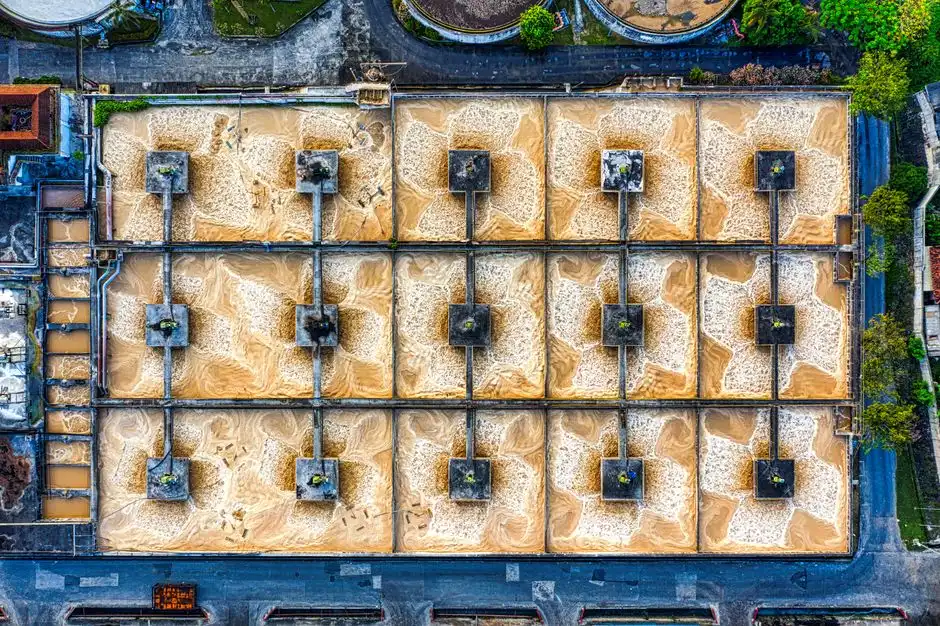
Run this punch-list before the next POTW discharge report:
- Confirm the correct 40 CFR Part 430 subcategory (A through L) and pin the parameter ceilings to the current rule tables (per EPA, 2026).
- Confirm the Kalamazoo Water Reclamation Plant's local limits are on file and that your internal ceilings are set to the most restrictive of federal, local, and Michigan EGLE conditions.
- Verify 24-hour flow-weighted composite sampling and any required automatic-sampler installation per the local sewer-use ordinance; tie the sampler to the HydropureWater automatic chemical dosing skid and SCADA for chain-of-custody on each event.
- Confirm pH is held within the POTW band — typically 5.0–11.0 — with alkalinity dosing on acidic bleach-stage streams.
- Confirm a written slug-control plan and spill containment at the bleach plant and chemical storage areas; this is a frequent finding in KWRP inspections.
- Confirm the KWRP notification chain for any upset or bypass event, including the 24-hour oral notice and the written report within five days, and rehearse it with operations.
- Headworks protection in place — a GX rotary mechanical bar screen sized to peak hourly flow with a bypass alarm to the operator station.
Frequently Asked Questions
Does a pulp and paper mill near Kalamazoo have to meet both 40 CFR Part 430 and the KWRP's local limits?
Yes. A mill discharging to the Kalamazoo sewer is an indirect discharger under EPA's definitions, so it is bound by 40 CFR Part 430 ceilings and by the City of Kalamazoo Water Reclamation Plant's local sewer ordinance, with Michigan EGLE overseeing the pretreatment delegation (per EPA, 2026). Compliance to the most restrictive of the three is the safe design rule.
What is the standard wastewater treatment train for an indirect-discharging pulp and paper mill?
The conventional train is rotary screening, equalization (6–24 hours), dissolved air flotation for fiber and filler recovery (80–95% TSS removal when paired with coagulant/polymer conditioning), and activated sludge biological treatment, with optional anaerobic front-end and advanced oxidation or MBR polishing for bleached grades (per Hubbe et al., 2016).
When is an MBR justified over conventional activated sludge for a Kalamazoo-area mill?
An MBR is the right call when KWRP local limits are tight, the mill footprint is constrained, or a future process-water reuse loop is planned; conventional AS is justified when 40 CFR Part 430 BOD and TSS limits are met with margin and the priority is low opex (HydropureWater field data, 2026).