Kazakhstan's 2026 Regulatory Framework for Industrial Wastewater
Industrial wastewater treatment in Kazakhstan for 2026 is governed by two overlapping instruments: the 2021 Water Code (effective January 2022, with 2024 amendments covering well-field and abstraction permits) and the new Ecological Code (signed December 2021, staged rollout 2023–2026) that replaced the 2007 Environmental Code on 1 July 2025 for industrial users. The Ministry of Ecology and Natural Resources issues PDV (предельно допустимый сброс, or maximum permissible discharge) permits per facility, set against Resolution No. 196 (2021, amended 2024). 2026 is therefore the first full compliance year for most operators holding legacy permits, and any flow sheet drawn before mid-2024 should be re-checked against the new MAC tables.
A PDV permit specifies the maximum mass and concentration of each contaminant that may be discharged to a defined receiving body, the volume allowed, and the monitoring frequency. For a typical Atyrau- or Pavlodar-region oil refinery, the PDV envelope is TSS 50 mg/L, petroleum products 0.3 mg/L, phenols 0.1 mg/L, COD 100 mg/L, BOD₅ 15 mg/L, pH 6.5–8.5, sulfates 100 mg/L, and chlorides 300 mg/L (per Ministry of Ecology Resolution No. 196, 2024 amendments). For mining and metallurgical discharges, MAC limits are typically: copper 0.01 mg/L, zinc 0.01 mg/L, lead 0.03 mg/L, iron 0.5 mg/L, arsenic 0.05 mg/L, and cyanide 0.05 mg/L — tighter than the corresponding EU Industrial Emissions Directive parameters for several heavy metals.
Projects sited within the water-body protection zones of the Ural River basin, the Irtysh River, or Lake Balkhash face additional constraints, often requiring zero liquid discharge (ZLD) trains. Permittees also file an annual emissions-and-discharge inventory under the Ecological Code and pay a per-unit pollutant fee that escalates sharply for non-compliance, which is the practical enforcement mechanism behind the permit.
| Parameter | Typical Oil Refinery PDV Limit | Typical Mining/MAC Limit | Regulatory Reference |
|---|---|---|---|
| TSS | 50 mg/L | 50 mg/L | Resolution No. 196 (2024) |
| COD | 100 mg/L | 100 mg/L | Resolution No. 196 (2024) |
| Petroleum products | 0.3 mg/L | — | Resolution No. 196 (2024) |
| Phenols | 0.1 mg/L | — | Resolution No. 196 (2024) |
| Copper | 0.01 mg/L | 0.01 mg/L | MAC table, Ecological Code |
| Lead | 0.03 mg/L | 0.03 mg/L | MAC table, Ecological Code |
| Arsenic | 0.05 mg/L | 0.05 mg/L | MAC table, Ecological Code |
| pH | 6.5–8.5 | 6.5–8.5 | Resolution No. 196 (2024) |
Influent Characteristics by Sector: Oil & Gas, Mining, Metallurgy, Chemicals
Sizing equipment against generic influent numbers is the most common cause of under-performance in Kazakh plants. Refinery wastewater at Pavlodar Petrochemical, the Atyrau Refinery, and the Aktau bitumen plants typically arrives at the equalization tank with COD 800–3,500 mg/L, TSS 200–600 mg/L, petroleum products 50–250 mg/L, phenols 10–80 mg/L, sulfides 5–30 mg/L, pH 6–9, and temperature 25–45 °C. DAF removes the bulk of the oil and a fraction of the TSS; MBR/MBBR drives COD and phenols down; carbon polishing and RO handle the residual organics and dissolved salts before reuse as boiler feed or cooling-tower makeup.
Produced water and formation water from Tengiz and Karachaganak sit in a different category: TDS 80,000–120,000 mg/L, COD 2,000–6,000 mg/L, suspended solids 200–1,000 mg/L, and free oil 100–500 mg/L. Biological treatment alone is not viable at this TDS; the practical train is oil/water separation → walnut-shell filtration → softening → chemical precipitation → MVR/crystallizer for ZLD, with the resulting salt disposed in Class II caverns.
Copper and polymetallic mining effluents from Zhezkazgan, Zhezkent, and Aidarly arrive at pH 1.5–4 (acid mine drainage), TDS 3,000–15,000 mg/L, sulfate 2,000–8,000 mg/L, copper 5–80 mg/L, zinc 10–150 mg/L, iron 200–1,500 mg/L, and manganese 5–50 mg/L. Lime/NaOH neutralization followed by hydroxide or sulfide precipitation removes the bulk of the metals; a lamella clarifier captures the sludge, and RO polishing returns 70–85% of the flow as process water.
Ferroalloy and steel-mill wastewater from Karaganda and Temirtau carry COD 300–1,500 mg/L, suspended solids 500–2,000 mg/L, oil 20–100 mg/L, ammonia 30–200 mg/L, and cyanide traces 0.1–2 mg/L — the standard equalize/neutralize/DAF/MBBR train handles this, with alkaline chlorination for residual cyanide before polishing. Chemical and fertilizer plant effluent from Taraz and Pavlodar (phosphate, chlor-alkali, soda ash) arrives with TDS 5,000–30,000 mg/L, pH swinging between 1–3 and 11–13, fluoride 10–50 mg/L, and ammonia nitrogen 50–500 mg/L — the equalization tank has to be sized for 48 hours of flow, with severe-corrosion linings on the wetted steelwork.
| Sector (typical facility) | COD (mg/L) | TSS (mg/L) | Key Contaminant | Dominant Treatment Stage |
|---|---|---|---|---|
| Oil refinery (Atyrau, Pavlodar) | 800–3,500 | 200–600 | Petroleum 50–250 mg/L, phenols 10–80 mg/L | DAF → MBR/MBBR → carbon → RO |
| Produced water (Tengiz, Karachaganak) | 2,000–6,000 | 200–1,000 | TDS 80,000–120,000 mg/L, free oil 100–500 mg/L | O/W separator → softener → MVR/crystallizer (ZLD) |
| Copper/polymetallic (Zhezkazgan) | 200–800 | 500–2,000 | Cu 5–80 mg/L, Zn 10–150 mg/L, Fe 200–1,500 mg/L, pH 1.5–4 | Lime neutralization → precipitation → lamella → RO |
| Ferroalloy/steel (Karaganda, Temirtau) | 300–1,500 | 500–2,000 | NH₃ 30–200 mg/L, CN⁻ 0.1–2 mg/L, oil 20–100 mg/L | Equalize → DAF → MBBR → alkaline chlorination |
| Chemical/fertilizer (Taraz, Pavlodar) | 500–2,500 | 300–1,500 | TDS 5,000–30,000 mg/L, F⁻ 10–50 mg/L, pH 1–13 | Neutralize → DAF → MBBR → RO → brine concentration |
Process Train Selection: DAF + MBR + RO vs MBBR + DAF + ZLD
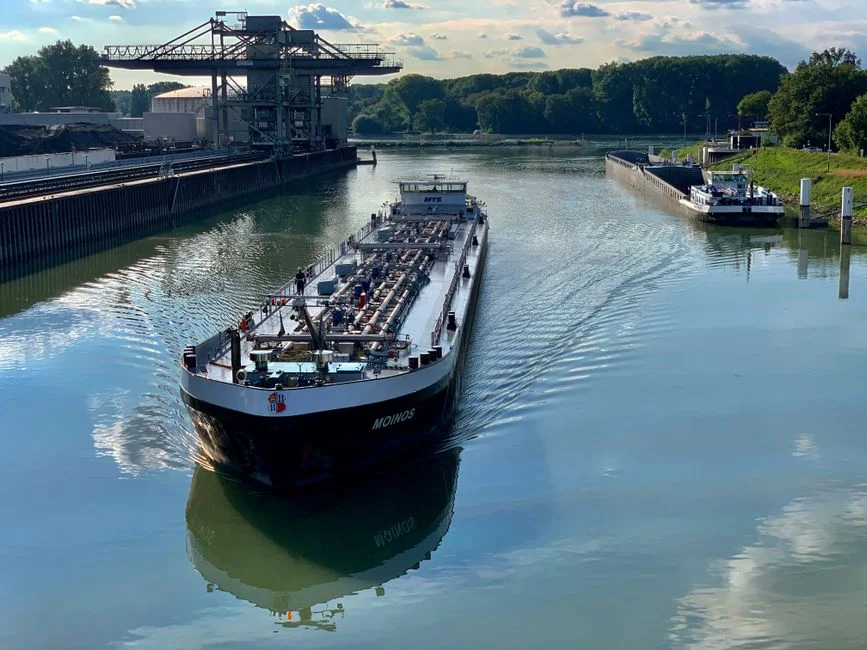
The right train is set by the discharge destination and the influent TDS, not by sector alone. For oil & gas refineries discharging to a municipal sewer or surface water under a standard PDV permit, the conventional train is DAF pre-treatment for oil and suspended solids, equalization, an MBR system for cold-climate biological treatment, carbon polishing, and an industrial RO for water reuse and high-TDS polishing, achieving ≥95% water recovery. For Tengiz- and Karachaganak-type produced water with TDS above 80,000 mg/L, biological stages are skipped entirely in favor of oil/water separation → walnut-shell filtration → softening → chemical precipitation → evaporator/MVR crystallizer, with brine disposed in Class II salt caverns.
Mining and metallurgy effluents use pH adjustment (lime or NaOH), sulfide or hydroxide precipitation, lamella clarification, multimedia filtration, and ion exchange or RO polishing, typically recovering 70–85% of the flow. Chemical and fertilizer plants with mixed acid/alkaline streams need a long equalization/neutralization step, then DAF, MBBR for high-strength COD, and RO with brine concentration. Across all sectors, MBR is preferred over conventional activated sludge at −35 °C operation because its higher MLSS (8,000–12,000 mg/L) tolerates the viscosity and oxygen-transfer penalties of cold water and delivers a more stable effluent in enclosed, insulated tanks; MBBR is the lower-CAPEX alternative where land is available and discharge limits are <100 mg/L COD, with MBR reserved for <30 mg/L effluent targets.
| Criterion | DAF + MBR + RO | MBBR + DAF + ZLD | Conventional CAS + Chemical Precipitation |
|---|---|---|---|
| CAPEX (1,000 m³/day, USD) | $1.8M–$4.5M | $6M–$14M (ZLD adds $4M–$8M) | $1.2M–$2.5M |
| OPEX (USD/m³) | $0.45–$1.20 | $2.50–$5.50 (thermal energy) | $0.35–$0.90 |
| Footprint | Compact (modular) | Large (evaporator + crystallizer) | Large (clarifiers + aeration basins) |
| Effluent COD | <30 mg/L | <10 mg/L (ZLD = no discharge) | 80–150 mg/L |
| Best-fit sector | Refineries, chemical plants, Ferroalloy | Tengiz/Karachaganak produced water, high-TDS brine | Municipal-style industrial loads, legacy upgrades |
| Cold-climate tolerance | High (enclosed, insulated) | High (enclosed MVR) | Low (open tanks freeze) |
Cold-Climate Design Considerations for Kazakhstan
Atyrau, Astana, Pavlodar, and Kostanay all record winter design temperatures of −35 to −40 °C, and all bioreactors, clarifiers, and chemical tanks must be enclosed, insulated, and provided with heat-traced piping. The summer extreme is +40 to +45 °C with low humidity, so UV-resistant FRP covers and forced ventilation of enclosed headworks are mandatory to protect both the equipment and the operators. Equalization tanks should be sized for at least 24 hours of flow, with surface mixers and bottom cone sludge removal to absorb shock loads from upstream unit operations such as desalter dumps and batch cleanouts.
Biological reactors in Kazakhstan typically run at MLSS 8,000–12,000 mg/L (MBR) or carrier fill 40–60% (MBBR), with diffused-aeration systems oversized for the winter SRT penalty. Instrumentation needs redundant DO probes, pH meters with self-cleaning heads, and winter-rated air filters on blower intakes — the failure mode on most Kazakhstan trips is a frozen intake filter or a fouled pH probe, not a biological upset. Skid-mounted equipment (DAF, RO, chemical dosing) should be factory-prewired and installed in prefabricated containerized shelters to keep on-site labor in −30 °C conditions down to a mechanical and instrumentation scope. Automatic chemical dosing for pH and precipitation in heated, insulated enclosures is the simplest way to keep reagent lines from freezing overnight.
CAPEX and OPEX Benchmarks for Kazakhstan Projects
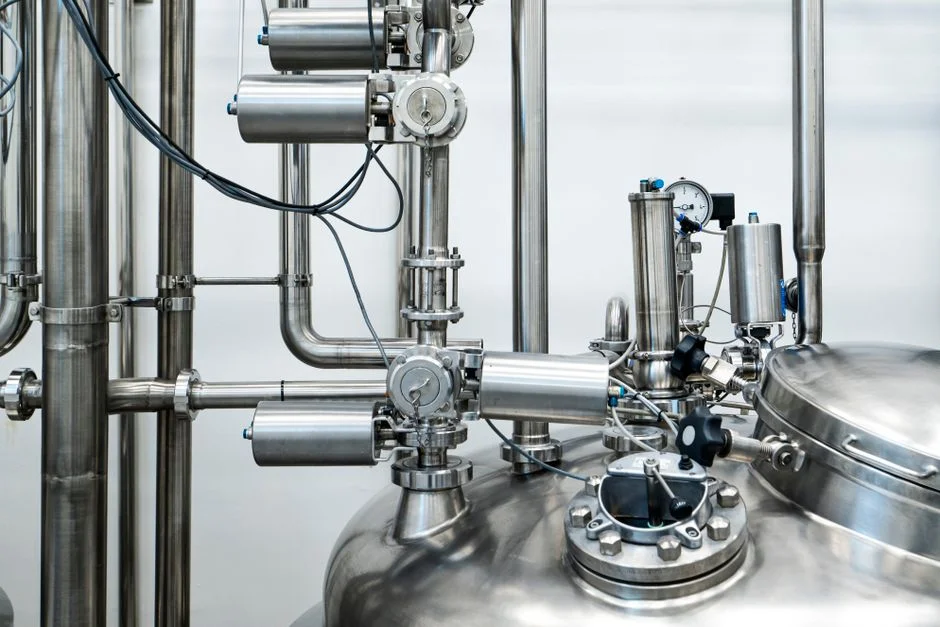
A packaged 1,000 m³/day industrial WWTP for oil & gas or chemicals runs CAPEX $1.8M–$4.5M (USD) and OPEX $0.45–$1.20/m³, dominated by influent COD and the discharge tier. A packaged 500 m³/day mining/metallurgy plant with heavy-metal precipitation runs CAPEX $0.9M–$2.4M and OPEX $0.55–$1.50/m³, with lime/NaOH and sludge hauling as the largest cost lines. A high-TDS ZLD system (5,000 mg/L → zero discharge) at 500 m³/day runs CAPEX $6M–$14M and OPEX $2.50–$5.50/m³, driven almost entirely by thermal energy for the MVR/crystallizer — a strong argument for source segregation and brine minimization upstream of the evaporator.
Chinese EPC turnkey supply typically runs 20–35% below European suppliers on equipment CAPEX; freight, customs (Kazakhstan EAEU duty 0–5% on WWTP equipment under HS 8421), and on-site installation offset 30–40% of that equipment savings, so the net landed advantage lands closer to 10–20% on total project cost. Kazakhstan-sourced installation labor runs $15–$25/hour for skilled technicians and $8–$12/hour for general labor in 2026, which is why a turnkey Chinese EPC with Kazakh installation crews is often the most cost-competitive structure. A typical CAPEX split is equipment 55%, installation and civil works 25%, engineering and commissioning 12%, and contingency 8%. OPEX splits to energy 35–45%, chemicals 20–30%, sludge handling 15–25%, labor 10–15%, and maintenance 5–10% — sludge handling is the line item most often under-estimated, and the filter press for sludge dewatering is the lowest-cost way to keep it under control. A lamella clarifier for metal precipitation typically cuts settler footprint by 70–80% versus a conventional circular clarifier, which is a useful land-saving lever on congested refinery sites.
| Project Type | Capacity | CAPEX (USD) | OPEX (USD/m³) | Largest OPEX Driver |
|---|---|---|---|---|
| Oil & gas / chemical WWTP | 1,000 m³/day | $1.8M–$4.5M | $0.45–$1.20 | Energy (blowers, pumps) |
| Mining/metallurgy WWTP | 500 m³/day | $0.9M–$2.4M | $0.55–$1.50 | Lime/NaOH + sludge hauling |
| High-TDS ZLD system | 500 m³/day | $6M–$14M | $2.50–$5.50 | Thermal energy (MVR) |
Equipment Selection Checklist for Kazakhstan Industrial WWTP
Use this seven-point list as the supplier-qualification gate before any RFQ goes out. First, confirm the supplier's PDV-permit experience with the Ministry of Ecology and Natural Resources, not just generic ISO 9001 certification — the permit process is a Kazakh-specific administrative track and prior projects are the only reliable evidence of competence. Second, require cold-climate references at −30 °C or below, ideally from northern China, Mongolia, or Russian Siberia. Third, specify factory acceptance testing (FAT) in a 10-hour cold-chamber simulation for biological skids and MBR modules; a 4-hour bench test is not sufficient evidence of cold-start performance. Fourth, demand pre-engineered containerized or skid-mounted design with −40 °C rated insulation and heat tracing on all chemical and sludge lines. Fifth, verify local service: ask for a service partnership in Astana, Almaty, or Atyrau, plus a 48-hour spare-parts delivery commitment. Sixth, request a process guarantee with liquidated damages tied to effluent quality against the specific PDV parameters, not against generic BOD-removal percentages. Seventh, on headworks and disinfection, specify a rotary bar screen for headworks protection rated for the −40 °C ambient, and a chlorine dioxide generator sized for the worst-case phenol loading rather than the average. A turnkey Chinese EPC with Kazakh installation crews typically outperforms a local-only supplier on cost and schedule while still meeting the 2026 Ecological Code requirements, provided the cold-climate and PDV-experience items above are verified. For related engineering context, see this Chinese wastewater equipment manufacturer reliability buyer's guide and the OPEX breakdown on multiple effect evaporator operating cost.
Frequently Asked Questions
What regulatory framework governs industrial wastewater discharges in Kazakhstan in 2026? The 2021 Water Code governs water use and discharge volumes, while the new Ecological Code (replacing the 2007 Environmental Code on 1 July 2025) governs emissions and discharge permitting. Operators hold PDV permits issued by the Ministry of Ecology and Natural Resources under Resolution No. 196 (2021, amended 2024), which set facility-specific concentration and mass limits per contaminant.
What is the standard process train for a Kazakh oil refinery in 2026? For refineries discharging under a standard PDV permit, the train is DAF pre-treatment → equalization → MBR or MBBR → carbon polishing → RO, with ≥95% water recovery for boiler feed or cooling-tower makeup. All reactors and chemical tanks must be enclosed, insulated, and heat-traced for winter operation down to −35 °C.
What CAPEX and OPEX should a procurement manager budget for a 1,000 m³/day industrial WWTP in Kazakhstan? CAPEX runs $1.8M–$4.5M (USD) and OPEX $0.45–$1.20/m³, depending on influent COD and the discharge tier. Mining/metallurgy plants at 500 m³/day run CAPEX $0.9M–$2.4M and OPEX $0.55–$1.50/m³; high-TDS ZLD systems at 500 m³/day run CAPEX $6M–$14M and OPEX $2.50–$5.50/m³, driven by thermal energy.
What are the typical influent parameters for refinery and mining wastewater in Kazakhstan? Refinery wastewater at Pavlodar and Atyrau arrives at COD 800–3,500 mg/L, TSS 200–600 mg/L, petroleum products 50–250 mg/L, and phenols 10–80 mg/L. Copper/polymetallic mining effluents from Zhezkazgan arrive at pH 1.5–4, copper 5–80 mg/L, zinc 10–150 mg/L, and iron 200–1,500 mg/L, which sets the neutralization and precipitation chemical doses.
When is zero liquid discharge (ZLD) required in Kazakhstan? ZLD is required for high-TDS produced water at Tengiz and Karachaganak (TDS 80,000–120,000 mg/L), and for new industrial projects in the water-body protection zones of the Ural River basin, the Irtysh River, and Lake Balkhash. The typical ZLD train is oil/water separation → softening → chemical precipitation → MVR/crystallizer, with brine disposed in Class II salt caverns.