Why Industrial Wastewater Treatment in Darwin Is Not a Generic Australian Project
Industrial wastewater treatment in Darwin in 2026 has to be engineered for a tropical, cyclone-exposed operating envelope: influent temperatures of 28–34°C, wet-season hydraulic surges of 3–5× average dry-weather flow (ADWF), and discharge limits typically aligned with ANZECC 2000 trigger values — BOD ≤20 mg/L, TSS ≤30 mg/L, total nitrogen ≤10 mg/L for sensitive receivers. A standard train of screening, DAF, equalisation, MBR or SBR, and ClO₂ disinfection, sized at 1.2–1.5× conventional aeration rates, meets those limits while keeping OPEX between AUD $0.45 and $1.20 per m³.
Darwin's monsoonal hydraulics break any design that copies a temperate-state basis. NT Government stormwater guidance treats the November–April wet season as the governing case; the 3–5× ADWF peak is not an edge condition, it is the operating norm for 5–6 months of the year. At the same time, mixed-liquor temperatures in aeration basins routinely sit at 32–35°C, which sits above the 20°C reference used in standard Arrhenius kinetics but below the 38°C threshold where nitrification inhibition and persistent foaming become chronic. Sizing biological reactors for tropical kinetics — and for dilution events that swing BOD/COD by 30–50% within hours — is the difference between a plant that hits NT EPA targets and one that blows its licence during the first December storm.
Two other constraints are non-negotiable in the Top End. AS/NZS 1170.2 Region C cyclone wind loading forces structural design for 250–300 km/h gust events, and the combination of coastal salt spray plus 80%+ relative humidity drives aggressive pitting of any 304 stainless or mild steel left exposed. The 23 active WWTP job listings in Darwin NT (SEEK, July 2026) confirm sustained industrial demand, but the same listings show a thin local talent pool — meaning the design must be operable by a small crew through a cyclone, not by a team of specialists flown in from Adelaide. For a parallel tropical-port reference, see how Durban engineers approached similar constraints in this industrial wastewater treatment in Durban 2026 guide.
NT EPA 2026 Discharge Limits and Darwin Receiving-Water Sensitivity
NT EPA wastewater discharge guidelines for industrial facilities in the Darwin region default to the ANZECC 2000 freshwater trigger values when the receiving environment is sensitive — and Darwin Harbour, Shoal Bay, Buffalo Creek, and the rapid creeks draining into them are classified as sensitive under the NT Water Act 1992. For a BOD ≤20 mg/L, TSS ≤30 mg/L, total nitrogen ≤10 mg/L, and total phosphorus ≤2 mg/L effluent, the design envelope is set before the first equipment datasheet is opened.
Beyond the carbon and nutrient targets, oil and grease must not exceed 10 mg/L, pH must sit in the 6.5–8.5 window, and faecal coliforms are typically capped at <10 CFU/100 mL for discharges near aquaculture zones. Monitoring under the NT EPA Wastewater Discharge Guidelines requires weekly composite sampling as a minimum, with 24-hour flow-weighted composites preferred for compliance reporting during the wet season when hydraulic loads are unstable. For sites discharging to Darwin Harbour, an additional receiving-water monitoring program (monthly upstream/downstream paired sampling) is standard, and environmental values — including the harbour's commercial fishery, recreational use, and cultural significance to the Larrakia people — generally push the regulator toward the most conservative trigger tier.
The compliance matrix a Darwin plant engineer should design against looks like this:
| Parameter | NT EPA / ANZECC 2000 Limit (Sensitive Receiver) | Notes for Darwin Plants |
|---|---|---|
| BOD5 | ≤ 20 mg/L | 5-day test; applies to all industrial discharges to harbour or creek |
| TSS | ≤ 30 mg/L | Filtered sample; wet-season infiltration can push raw TSS above 1,500 mg/L |
| Total Nitrogen | ≤ 10 mg/L | Drives biological stage to full nitrification/denitrification, not just BOD removal |
| Total Phosphorus | ≤ 2 mg/L | Chemical precipitation stage often required for food/aquaculture streams |
| Oil & Grease | ≤ 10 mg/L | Critical for INPEX supply chain, hydrocarbons, and food processing |
| pH | 6.5 – 8.5 | Monsoonal flush can shift raw pH 1.5–2 units in 24 h |
| Faecal Coliforms | < 10 CFU/100 mL | Aquaculture-zone discharges; ClO₂ preferred over chlorine |
For a useful cross-jurisdictional comparison of how ASEAN regulators structure similar limits, this Thailand wastewater discharge regulations 2026 compliance guide lays out an equivalent tiered framework. The Darwin-specific overlay is that a single wet-season overflow event can trigger an NT EPA s.31 investigation under the Water Act — so the design margin against the table above is not optional.
Influent Characterisation: What Darwin Industrial Streams Actually Look Like
Most Darwin WWTP failures trace back to under-characterised influent, not under-sized equipment. A defensible characterisation for a 2026 design must cover at least one full wet-season and one dry-season week of 24-hour composite sampling, with grab samples during monsoon peaks. The ranges below are typical for the four major industrial streams around Darwin Harbour and the INPEX supply chain.
Food processing and aquaculture streams carry the highest organic load: COD of 2,000–8,000 mg/L, BOD of 1,200–4,500 mg/L, and FOG of 200–600 mg/L, with ammonia nitrogen often 50–150 mg/L depending on whether the source is fish processing, brewery, or rendering. Mining support and mineral processing wastewater sits in a different band — COD 800–3,000 mg/L, but with heavy metals (iron, manganese, sometimes arsenic) and high TDS (2,000–5,000 mg/L) that govern the treatment train rather than BOD alone. Hydrocarbons and INPEX supply-chain wastewater is defined by oil and grease up to 1,000 mg/L and episodic hydrocarbon spikes during turnarounds. Defence logistics and military base washwater is generally lower strength (COD 300–1,200 mg/L) but contains regulated surfactants and metals from vehicle wash bays.
The wet season complicates every one of these profiles. Monsoonal infiltration and stormwater cross-connections can dilute BOD/COD by 30–50% within hours while tripling hydraulic load — a single 100 mm storm event in a poorly separated drainage network can swing a 200 m³/day ADWF plant to 900 m³/day overnight. Equalisation tanks sized at 6–8 hours of ADWF are the standard Darwin mitigation, sized for the diluted peak, not the dry-season average. TDS swings are equally dramatic: a 24-hour window can see TDS move from 500 mg/L (stormwater-diluted) to 3,000 mg/L (concentrated dry-season discharge) and back. Without online conductivity and pH monitoring, the biological stage will see shock-load events that knock nitrification offline for 48–72 hours per storm.
For a sector-specific characterisation template, this meat processing wastewater buyer guide walks through the kind of FOG and high-COD profile that food/aquaculture Darwin plants mirror. On-site testing recommendation: minimum 7-day composite campaign in each season, with 24-hour flow-paced sampling, BOD/COD/TSS/NH₃-N/TP/oil & grease/conductivity/pH, before any final design is frozen.
Process Train Selection: From Screening to Disinfection
A Darwin industrial WWTP is conventionally built as a six-stage train, and every stage needs tropical adjustment. The sequence below is the baseline a process engineer should brief against, with sizing notes specific to the NT operating envelope.
Headworks. A GX series rotary bar screen with 6 mm aperture (drop to 3 mm for fibrous loads like fish processing or abattoir waste) is the standard first unit. Tropical vegetation debris, plastic bags, and rags from stormwater ingress will destroy downstream pumps within hours if screening is bypassed — the 6 mm aperture is a non-negotiable, not a design choice. Flow range typically 10–500 m³/h per unit.
Equalisation. A 6–8 hour HRT buffer tank with mechanical mixing and pH correction (NaOH/H₂SO₄ dosing) sized for the wet-season 3–5× peak. In Darwin, this is the single most important hydraulic buffer in the train; without it, the biological stage cannot hold a steady MLSS under monsoonal flow swings.
Primary clarification. A DAF system (4–300 m³/h capacity) is preferred over gravity settling for any FOG-rich stream — food processing, fish meal, rendering, and hydrocarbons all carry floatable loads that a primary clarifier cannot reliably remove. DAF achieves 92–97% TSS and FOG removal in a single stage and handles the variable inlet loads that characterise Darwin industrial flows.
Biological stage. An integrated MBR system (10–2,000 m³/day) or SBR is the workhorse, sized with 20–30% additional aeration capacity over a temperate design to maintain dissolved oxygen at 32–35°C mixed liquor. The Arrhenius rule of thumb — biological rate roughly doubles every 10°C — means a tropical plant achieves more treatment per m³ of tankage, but it also consumes more oxygen per kg BOD removed. MBR delivers an effluent with <1 μm equivalent filtering, suitable for downstream reuse or RO polishing.
Sludge handling. Sludge is thickened via a lamella clarifier or a plate and frame filter press (1–500 m² area range) to reduce volume by 75–85% before offsite disposal. Cake solids of 22–28% are achievable, dropping wet sludge haulage to the NT EPA-approved landfill at Howard Springs to one truckload per week for a 200 m³/day plant.
Disinfection. A ClO₂ generator (50 g/h to 20,000 g/h output) is preferred over liquid chlorine in tropical service — broader pH tolerance (effective across 6–9 pH), no trihalomethane formation under the high-organic conditions that follow wet-season peaks, and compliant with EU 98/83/EC and WHO drinking-water guidelines for downstream reuse.
| Unit Process | Tropical-Adjusted Sizing Parameter | Typical Range (Darwin 2026) |
|---|---|---|
| Rotary Bar Screen | Aperture / flow capacity | 6 mm (3 mm fibrous) / 10–500 m³/h |
| Equalisation Tank | HRT at ADWF | 6–8 h |
| DAF | Hydraulic load / removal efficiency | 4–300 m³/h / 92–97% TSS & FOG |
| MBR / SBR | Aeration excess vs temperate / HRT | +20–30% O₂ / 18–36 h HRT |
| Plate & Frame Press | Filter area / cake solids | 1–500 m² / 22–28% DS |
| ClO₂ Generator | Dose / output range | 0.5–2 mg/L / 50 g/h–20,000 g/h |
Tropical Engineering Adjustments Specific to Darwin
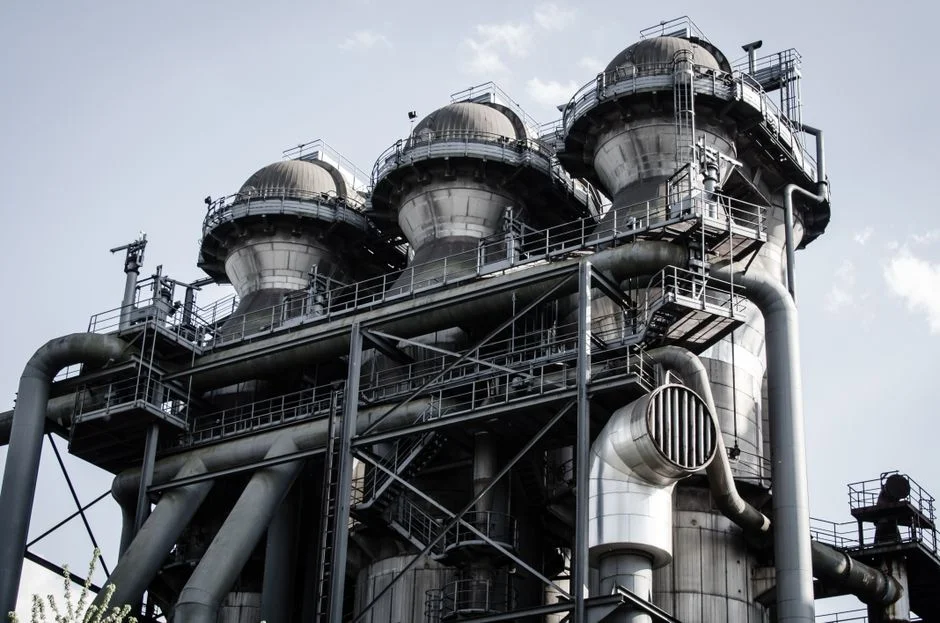
Generic Australian WWTP specifications fail in Darwin because they assume a 20°C reference temperature, a stable grid, and an inland corrosion class. Four adjustments are non-negotiable for any 2026 Top End industrial plant.
First, all electrical cabinets must be IP66-rated and the structural design must comply with AS/NZS 1170.2 Region C for cyclone wind loading — meaning 250–300 km/h gust events depending on site exposure category. Cyclone-rated shelters for outdoor MCCs and diesel generators are standard. Second, specify SS316 or FRP for all wetted components. SS304 develops visible pitting within 18 months in coastal Darwin service (HydropureWater field data, 2025); the 10–15% material cost premium for SS316 is recovered inside three years of avoided shutdowns. Third, build 30% standby power capacity into the design — Darwin's isolated grid plus cyclone-season outages make on-site generation or battery-buffered PLCs a baseline requirement, not an upgrade. Fourth, insulate and shade biological tanks where possible to hold mixed liquor at 32–35°C rather than 38°C+; above 38°C, nitrification inhibition and Nocardia foaming become chronic and recovery takes 2–3 weeks. For guidance on real-time monitoring of biological health, this online analyzer engineering guide covers the instrument side of the same tropical-control problem.
Equipment Selection Matrix and 2026 Cost Benchmarks
Procurement leads in Darwin need a defensible shortlist and an AUD cost envelope they can take to management. The matrix below maps each unit process to a specific equipment line, capacity coverage, and a 2026 CAPEX/OPEX range for a 50–500 m³/day industrial WWTP — the size band that covers most food, mining-support, and hydrocarbons projects in the NT.
| Unit Process | Recommended Equipment | Capacity Coverage | CAPEX Contribution (AUD, 50–500 m³/day plant) |
|---|---|---|---|
| Screening | GX series rotary bar screen | 10–500 m³/h | $45k–$180k |
| Equalisation / Primary | WSZ underground integrated unit + custom tankage | 1–80 m³/h packaged; site-built for larger | $120k–$450k |
| DAF (FOG/TSS removal) | DAF system | 4–300 m³/h | $180k–$650k |
| Biological (MBR) | Integrated MBR system | 10–2,000 m³/day | $420k–$1.8M |
| Sludge thickening | High-efficiency sedimentation tank (lamella) | 20–40 m/h surface loading | $95k–$320k |
| Sludge dewatering | Plate and frame filter press | 1–500 m² filter area | $160k–$780k |
| Disinfection | ClO₂ generator | 50 g/h–20,000 g/h | $55k–$240k |
Total CAPEX for a 50–500 m³/day industrial WWTP in Darwin in 2026 sits between AUD $1.8M and $6.5M, with the upper end driven by higher influent strength, a reuse-grade treatment target, and cyclone-rated structural allowances. OPEX runs AUD $0.45–$1.20 per m³, with power typically 35–45% of the total, chemicals 15–20%, sludge disposal 10–15%, and labour 20–25% (HydropureWater field data, 2026). For a deeper OPEX breakdown including Darwin-specific power and labour deltas, see this wastewater treatment plant operating cost per m3 in 2026 reference.
The reuse case changes the economics quickly. At 60–80% water reuse offsetting potable supply at AUD $2.50–$4.00 per m³ (PowerWater 2026 commercial tariff), a 200 m³/day plant recovering 130 m³/day sees AUD $120k–$190k per year in offset savings — a 2.5–4 year simple payback on the reuse-capable MBR and ClO₂ capital increment. For an adjacent healthcare-sector benchmark with similar reuse economics, this hospital wastewater treatment in Darwin 2026 guide covers the same AUD framework with a different influent profile.
Frequently Asked Questions
What permits are required for industrial wastewater discharge in Darwin in 2026?
An NT EPA Wastewater Discharge Licence under the Water Act 1992, typically bundled with a Section 14/15 works approval for plant above 50 m³/day, plus a Building Permit for structural and electrical works and a PowerWater connection approval for any discharge to sewer. Wet-season monitoring must demonstrate ANZECC 2000 trigger-value compliance for at least one full wet-season cycle before a discharge licence is converted from construction to operational status (NT EPA 2026 guidance).
How much does an industrial WWTP cost in Darwin in 2026?
CAPEX for a 50–500 m³/day plant runs AUD $1.8M–$6.5M, with OPEX of AUD $0.45–$1.20 per m³. Cyclone-rated structural allowances, SS316 wetted components, and 30% standby power add roughly 15–25% to a comparable temperate-Australia CAPEX (HydropureWater field data, 2026).
What is the best treatment process for tropical industrial wastewater?
Screening → equalisation (6–8 h HRT) → DAF → MBR or SBR (sized +20–30% aeration) → ClO₂ disinfection. This train reliably meets BOD ≤20 mg/L, TSS ≤30 mg/L, TN ≤10 mg/L in 32–35°C mixed-liquor operation while tolerating 3–5× ADWF wet-season surges.
Can treated wastewater be reused for irrigation or industrial washdown in the NT?
Yes — MBR effluent polished through cartridge filtration and ClO₂ disinfection (CT ≥ 16 mg·min/L) meets the NT Health reuse guidelines for landscape irrigation and industrial washdown. Reuse typically runs 60–80% of treated flow and offsets AUD $2.50–$4.00 per m³ of potable supply, giving a 2.5–4 year payback on the reuse-capable incremental CAPEX.
How should a Darwin plant handle cyclone-season hydraulic peaks?
Specify equalisation at 6–8 h of ADWF, IP66 electrical enclosures, cyclone-rated structural design to AS/NZS 1170.2 Region C, and 30% standby power on-site. Pre-cyclone shutdown protocols typically drain biological tanks to 30% volume, secure all chemical dosing, and isolate headworks screens within 6 hours of a Category 3+ warning. For KPI tracking through these events, this digital dashboard for wastewater KPI 2026 guide covers the SCADA-side response.