
What Makes Tannery Wastewater a Class of Its Own
Tannery wastewater treatment uses a staged train: sulfide oxidation and chromium precipitation, DAF or lamella clarification, SBR or MBR biology for COD, BOD, and NH₃-N, then carbon or RO polishing. A 2026 plant typically reaches >95% COD removal, <2 mg/L total chromium, and <10 mg/L sulfide under EU IED BAT-AEL and Indian CPCB tannery norms.
An integrated tannery generates 30–80 m³ of effluent per ton of raw hide, with COD 5,000–10,000 mg/L, BOD 2,000–4,000 mg/L, TSS 2,000–6,000 mg/L, total chromium 50–200 mg/L, sulfide 50–500 mg/L, and NH₃-N 100–300 mg/L (per UNIDO tannery pollution averages). Four contaminant families drive every process choice downstream:
- Dissolved sulfides — toxic at >10 mg/L, prone to H₂S off-gas at pH <9, and inhibitory to nitrifying bacteria above 30 mg/L.
- Trivalent chromium, Cr(III) — must be precipitated as Cr(OH)₃ around pH 8.0–8.5, never oxidized to Cr(VI) which is a carcinogen and a discharge-limit trigger under every major standard.
- High salinity from pickling — TDS 5,000–25,000 mg/L, chloride 4,000–15,000 mg/L; reduces biological nitrification efficiency by 30–50% and forces higher SRT.
- Recalcitrant color and tannins — vegetable and chrome retanning liquors produce 500–2,000 Pt-Co units that pass through conventional activated sludge largely untouched.
Even after biological polishing, residual TDS (2,000–6,000 mg/L) and chloride (3,000–8,000 mg/L) remain the gating parameters for any reuse scheme (Springer 2025). That is why the design blueprint below ends with a dedicated RO/polishing step, not a clarifier. Most plants we size for hide-on lines run equalization at the upper end of the 12–24 h band because liming dumps arrive in short, high-pH pulses.
Tannery Wastewater Treatment: The 2026 Influent Benchmark
Tannery influent for a design basis document should use the merged UNIDO and Indian CPCB Tanneries Norms (2020 update) ranges below. The values cover a typical integrated plant running both wet-blue and finished leather processes.
| Parameter | Raw composite | Beamhouse (soak/liming) | Tannery (chrome/vegetable) | Finishing |
|---|---|---|---|---|
| pH | 8–12 | 11–13 | 2.5–4.5 | 6–9 |
| COD (mg/L) | 3,000–10,000 | 8,000–20,000 | 4,000–8,000 | 1,000–3,000 |
| BOD (mg/L) | 1,500–4,000 | 3,000–6,000 | 1,500–3,000 | 400–1,200 |
| TSS (mg/L) | 2,000–6,000 | 4,000–10,000 | 1,000–3,000 | 500–1,500 |
| Total Cr (mg/L) | 50–200 | <10 | 500–2,000 (chrome stream) | <20 |
| Sulfide (mg/L) | 100–500 | 500–2,000 | <20 | <10 |
| TDS (mg/L) | 8,000–25,000 | 5,000–15,000 | 15,000–40,000 (pickling) | 2,000–6,000 |
| Chloride (mg/L) | 4,000–15,000 | 1,500–4,000 | 10,000–30,000 | 1,000–3,000 |
| NH₃-N (mg/L) | 100–300 | 50–150 | 50–200 | <50 |
| Oil & grease (mg/L) | 200–1,000 | 200–800 | <200 | 100–500 |
| Color (Pt-Co) | 500–2,000 | 300–800 | 1,000–5,000 | 200–800 |
The pH swing alone — soak/liming at pH 12+, deliming-bating at pH 8, pickling at pH 2–3 — is enough to kill an unprotected biological stage within hours. Equalization is therefore non-negotiable and must be sized for 12–24 h retention. Segregated chrome collection is equally important: a dedicated chrome precipitation reactor on the tanning stream recovers 60–80% of Cr as a marketable sludge and prevents the chrome load from poisoning the biology.
Stage 1 — Pretreatment: Screening, Equalization, Sulfide Oxidation, and Chrome Precipitation
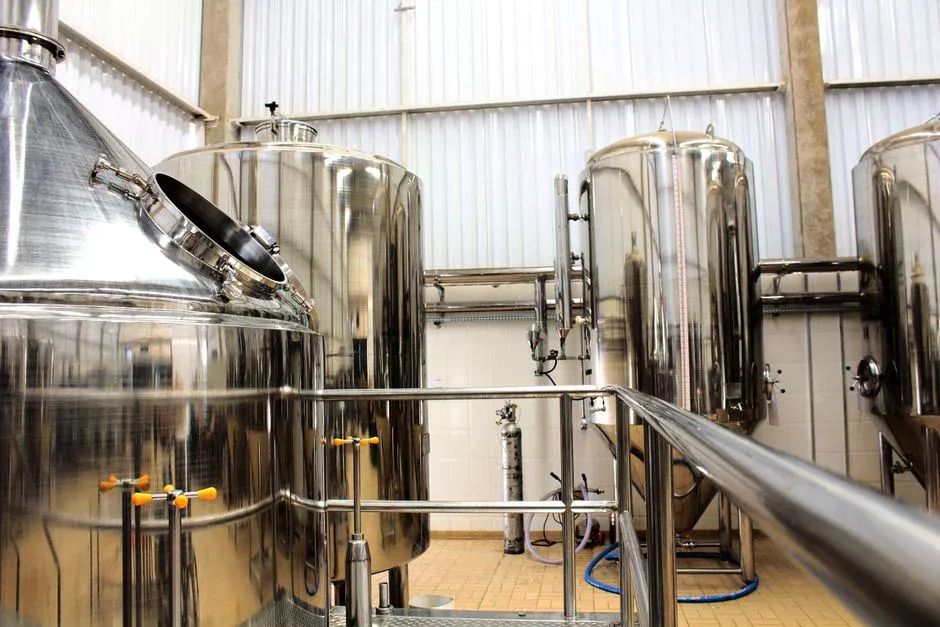
Start with a rotary mechanical bar screen with 3–6 mm openings on the combined stream to strip hair, fleshings, and large solids before they reach pumps or DAF nozzles. Bar screens cost $8K–$25K installed at this scale and cut downstream grit load by 60–70%.
Equalization comes next, sized for 12–24 h HRT with mechanical mixers sized at 4–6 W/m³. In the EQ tank itself, surface aeration (or pure-O₂ injection at 1.5–2.0 mg O₂ per mg S²⁻) oxidizes 40–60% of incoming sulfide to thiosulfate and sulfate, using manganese catalyst or H₂O₂ to push the reaction. A PLC-controlled chemical dosing system holds pH between 7.5 and 8.5 across diurnal swings — the band where both sulfide oxidation and downstream biology perform best.
Chrome precipitation runs in a dedicated reactor. Raise pH to 8.0–8.5 with NaOH (or MgO if a lower-solubility sludge is acceptable), dose anionic polyelectrolyte at 2–5 mg/L, and send the stream to a high-efficiency lamella clarifier for chrome precipitation. A well-tuned reactor recovers 60–80% of Cr as a filter-pressable sludge at 30–35% dry solids; clarified overflow rejoins the main biological train with total Cr typically already below 5 mg/L. For sites that cannot tolerate metal-sulfide sludge, NaHS dosing or H₂O₂ oxidation on the sulfide side converts S²⁻ to soluble sulfate — no sludge, but higher reagent OPEX (≈$0.06–$0.10 per m³ treated).
How is chromium removed from tannery effluent?
Chromium is removed from tannery effluent by precipitating Cr(III) as Cr(OH)₃ at pH 8.0–8.5 in a dedicated reactor, then clarifying the slurry. Never oxidize Cr(III) to Cr(VI): the hexavalent form is a carcinogen and the discharge limit is an order of magnitude tighter under EU IED, India CPCB, and China GB rules. Overflow after lamella clarification typically carries total Cr below 5 mg/L before biology.
Stage 2 — Primary Clarification: DAF vs Lamella for High-Solid Tannery Streams
Primary clarification protects the biological stage from shock TSS and oil loads. The choice between DAF and lamella is driven by floatable-solids and FOG content, not just TSS.
| Parameter | DAF | Lamella clarifier |
|---|---|---|
| Best influent fit | O&G >200 mg/L, floatable solids high | TSS 1,000–3,000 mg/L, FOG <200 mg/L |
| Surface loading | 5–15 m/h | 20–40 m/h (effective footprint 1/3 of DAF) |
| HRT | 20–30 min | 45–90 min |
| Polymer dose | 3–8 mg/L (cationic) | 2–5 mg/L (anionic) |
| TSS removal | 70–85% | 55–75% |
| FOG removal | 80–95% | 40–60% |
| Float/sludge solids | 3–6% DS float | 2–4% DS underflow |
| Footprint (per 50 m³/h) | ~12 m² | ~4 m² |
A DAF system for tannery primary clarification is the right call when beamhouse floats dominate — typical for hide-on processing. A lamella clarifier wins on chemical savings and footprint when the stream is mostly chemical precipitate from the chrome reactor. Many 2026 designs use both: lamella on the chrome precipitation loop, DAF on the combined biological effluent for polish.
Stage 3 — Biological Treatment: Choosing Between SBR, MBBR, and MBR for Tannery Loads

Biological treatment is where the tannery profile punishes conventional designs: high salinity suppresses nitrification, sulfide inhibits nitrifiers above 30 mg/L free H₂S, and color/tannin residuals are not biodegradable on a normal SRT. The three viable configurations each have a defensible niche.
| Parameter | CAS / SBR | MBBR (IFAS) | MBR (submerged PVDF) |
|---|---|---|---|
| SRT (days) | 20–30 | 15–25 (carrier biofilm) | 30–60 |
| MLSS (mg/L) | 4,000–6,000 | 3,000–5,000 (suspended) + biofilm | 8,000–12,000 |
| HRT (hours) | 24–48 | 18–30 | 12–24 |
| COD removal | 85–92% | 88–94% | 94–98% |
| NH₃-N removal | 70–80% (sensitive to Cl⁻ >8,000 mg/L) | 80–90% (biofilm protection) | 90–97% |
| Effluent TSS | 30–80 mg/L | 30–80 mg/L | ≤5 mg/L |
| Footprint vs CAS | 1.0× | 0.5–0.7× | 0.4× |
| Membrane cleaning | n/a | n/a | every 6–12 months, CIP |
| OPEX vs SBR | 1.0× | 0.95–1.1× | 1.5–2.0× |
For plants below 100 m³/day, SBR remains the lowest-CAPEX option and tolerates the diurnal hydraulic swings of a tannery. For 100–500 m³/day with chloride between 6,000 and 10,000 mg/L, an MBBR with integrated IFAS configuration gives the best balance — biofilm carriers shelter nitrifiers from salinity shock, and there is no sludge recycle loop to manage. For plants targeting water reuse or strict effluent (COD ≤120 mg/L, total Cr ≤2 mg/L, TSS ≤5 mg/L), an MBR system for tannery biological treatment with submerged PVDF flat-sheet modules (0.1–0.4 μm) is the default. The DF series MBR module is rated for tannery influent and operates at flux 12–18 LMH at –20 to –40 kPa suction. Background on biofilm-based nitrification under saline load is covered in What Is IFAS Wastewater Treatment? 2026 Process & Design Guide.
Stage 4 — Polishing and Reuse: Activated Carbon, RO, and TDS/Color Removal
MBR permeate still carries 100–250 mg/L COD, 1,500–4,000 mg/L TDS, and 200–800 Pt-Co color. To hit reuse targets or tight TDS-based discharge norms (India CPCB caps TDS at 2,100 mg/L for inland discharge), the polishing train matters as much as the biology.
For TDS and chloride specifically, recent adsorption work on activated coffee husk reported 72.73% TDS removal and 77.88% chloride removal at pH 7.19, contact time 2.38 h, and 2.54 g/L adsorbent dosage (Springer 2025, Discover Materials). That is a useful reference baseline for low-cost polishing on small plants that cannot justify full RO. A multi-media filter with anthracite, sand, and garnet drops SDI below 3 ahead of any RO membrane — running RO on unfiltered MBR permeate is the fastest way to foul a membrane.
For 70–90% water reuse, run brackish-water RO at 65–75% recovery; send concentrate back to the head of the EQ basin. A brackish-water RO system at this scale typically operates at 10–15 bar feed pressure and brings TDS below 200 mg/L in the permeate, well within reuse limits for process washing. For non-biodegradable color and tannin residuals, Fenton or O₃/H₂O₂ advanced oxidation can be deployed as a targeted sidestream — but expect $0.15–$0.30 per m³ in reagent cost. See Activated Carbon Filter Operating Cost: 2026 OPEX Breakdown for polishing-stage OPEX detail.
Sludge Handling: Plate-and-Frame Press vs Centrifuge for Tannery Sludge
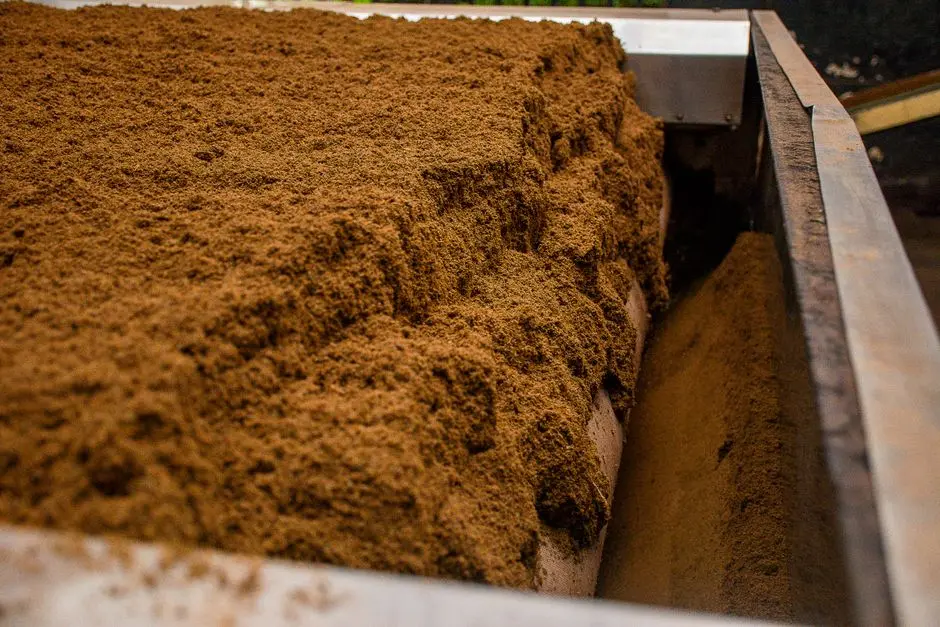
Chrome-bearing sludge from the precipitation reactor is classified as hazardous waste in most jurisdictions — secure landfill or thermal treatment is required, and the dewatering step directly drives disposal cost. A plate-and-frame filter press for chrome sludge dewatering delivers 30–35% dry solids at low polymer dose (2–4 kg/t DS), is available from 1 to 500 m² filtration area, and can be PLC-automated for plants above 200 m³/day. For biological sludge where volume is high and continuous operation is required, a decanter centrifuge running at 2,500–3,500 g with 3–6 kg/t DS polymer typically reaches 22–28% DS — adequate when the sludge is non-hazardous and going to composting or co-incineration.
2026 Discharge Compliance: EU IED, India CPCB, and China GB Limits Compared
The three jurisdictions below cover most export-oriented tanneries. The table is a defensible spec for a regulatory submittal — note that EU BAT-AELs are ranges, not single numbers, and the operator must demonstrate compliance with the lower end of the range to qualify for an integrated permit.
| Parameter | EU IED 2010/75/EU BAT-AEL | India CPCB Tanneries (2020) | China GB 30486-2013 (direct discharge) |
|---|---|---|---|
| COD (mg/L) | ≤250 | ≤250 | ≤100 |
| BOD (mg/L) | ≤25 | ≤30 | ≤25 |
| Total Cr (mg/L) | ≤1 | ≤2 | ≤1.5 |
| Cr(VI) (mg/L) | ≤0.1 | ≤0.1 | ≤0.1 |
| Sulfide (mg/L) | ≤1 | ≤1 | ≤0.5 |
| NH₃-N (mg/L) | ≤10 | ≤10 | ≤15 |
| TDS (mg/L) | not set | ≤2,100 (inland ZLD) | not set |
| pH | 6–9 | 6.5–9.0 | 6–9 |
Add a chlorine dioxide generator on the MBR permeate (1.5–2.5 mg/L ClO₂, 20–30 min contact) for fecal-coliform compliance before reuse or surface discharge. Fecal counts after MBR are typically already <100 CFU/100 mL, so ClO₂ demand is modest.
What Does a Tannery Effluent Plant Cost in 2026?
Leather effluent plant CAPEX for a first-pass budget runs $180K–$650K at 10–50 m³/day, $650K–$3.2M at 50–250 m³/day, and $3.2M–$12M at 250–1,000 m³/day, before a reuse train. CAPEX covers screening, EQ, chrome precipitation, primary clarification, biological stage, MBR (if specified), basic building works, and commissioning. Add 35–50% for a full reuse train (DAF + MBR + RO + UV/ClO₂).
| Plant size | CAPEX (2026 USD) | OPEX (per m³ treated, SBR-based) | OPEX (per m³ treated, MBR-based) | OPEX with full reuse (MBR + RO) |
|---|---|---|---|---|
| Small (10–50 m³/day) | $180K–$650K | $0.20–$0.45 | $0.35–$0.85 | $0.60–$1.20 |
| Medium (50–250 m³/day) | $650K–$3.2M | $0.18–$0.40 | $0.32–$0.75 | $0.55–$1.10 |
| Large (250–1,000 m³/day) | $3.2M–$12M | $0.15–$0.35 | $0.30–$0.65 | $0.50–$0.95 |
Three OPEX drivers dominate: influent salinity (cuts membrane life from 5+ years to 2–3 years above 15,000 mg/L Cl⁻), chromium load (chrome sludge hauling runs $80–$180 per wet tonne and a poorly tuned precipitation reactor can double that volume), and energy tariffs (aeration accounts for 50–60% of OPEX in CAS and SBR; MBR rises to 60–70% once crossflow/cross-aeration is included). Chrome recovery credit of $0.04–$0.12 per m³ treated offsets roughly 15–25% of sludge-handling OPEX when the recovered cake is sold to a chrome re-processor. For the full breakdown, see Wastewater Treatment Plant Operating Cost Per m³ in 2026: OPEX Breakdown.
Selection checklist before you freeze the process train
- Measure segregated chrome, beamhouse, and finishing streams for at least 7 operating days.
- Confirm chloride peaks: above 8,000 mg/L favors MBBR/IFAS or MBR over plain SBR for nitrification.
- Decide discharge vs reuse early — inland India TDS ≤2,100 mg/L forces RO or equivalent polishing.
- Size EQ for 12–24 h HRT; shorter basins fail on liming dumps in most hide-on plants we audit.
- Budget hazardous disposal for chrome cake at $80–$180 per wet tonne, not municipal sludge rates.
- Reserve 35–50% extra CAPEX if 70–90% reuse (MBR + RO) is in scope.
- Specify ClO₂ or UV after MBR when fecal limits apply to reuse or surface discharge.
Who This Is For / Next Step
This guide is for plant engineers, EPC contractors, and procurement managers sizing or upgrading leather effluent trains. Look elsewhere if you need municipal sewage design without chrome or sulfide loads. For a sized equipment list and budget band on your flow and discharge permit, request a tannery treatment quote with influent COD, Cr, sulfide, and daily m³.
Frequently Asked Questions
Can tannery wastewater be treated for reuse?
Yes. An MBR followed by brackish-water RO routinely achieves 70–90% water recovery on tannery effluent. The remaining concentrate is recycled to the equalization basin. Permeate TDS drops below 200 mg/L — well within limits for process washing, irrigation with the right salt profile, or boiler feed after polishing. Plants chasing inland India TDS caps usually need this RO step.
How is chromium removed from tannery wastewater?
Precipitate as Cr(OH)₃ by raising pH to 8.0–8.5 with NaOH or MgO in a dedicated reactor, dose anionic polyelectrolyte at 2–5 mg/L, then clarify in a lamella clarifier or DAF unit. The chromium-rich sludge is dewatered to 30–35% dry solids in a filter press and shipped to a secure landfill or chrome re-processor. Never oxidize Cr(III) to Cr(VI) — it is a regulated carcinogen and the discharge limit is far tighter.
Why is biological treatment of tannery wastewater difficult?
Four reasons drive the difficulty. High salinity from pickling suppresses nitrification by 30–50%. Free sulfide is toxic to nitrifiers above 30 mg/L. Vegetable and chrome retanning residuals are largely non-biodegradable. Diurnal pH and load swings often exceed what a single equalized basin can fully buffer. The design response is segregated chrome recovery, sulfide oxidation upstream, and MBBR or MBR for the biology.
What is the best technology for small tanneries (10–50 m³/day)?
A packaged A/O + sedimentation system — the Underground Package Sewage Treatment Plant (WSZ Series) — paired with a DAF for primary clarification and a small plate press for sludge works well at this scale. The buried footprint keeps civil cost down. Modular PLC controls suit a 2–3 person operating team on most small leather sites.
How much does a tannery effluent plant cost in 2026?
For a small 10–50 m³/day plant, $180K–$650K; for a 50–250 m³/day medium plant, $650K–$3.2M; for a 250–1,000 m³/day large plant, $3.2M–$12M. Add 35–50% if a full MBR + RO reuse train is included. OPEX runs $0.15–$0.85 per m³ depending on biological configuration, with another $0.25–$0.55 per m³ if RO and chemical cleaning are added.