Philippine Phenol Discharge Limit Under DAO 35: What the 2026 Standard Actually Says
Under the Philippines' DENR DAO 35 framework — currently operative through DAO 2016-08 (Water Quality Guidelines and General Effluent Standards) and DAO 2016-04 (Revised Effluent Standards) — the phenol discharge limit is 0.1 mg/L total phenolic compounds (as phenol) for inland surface waters classified AA, AB, and B, and 0.5 mg/L for Class C inland waters and most marine water classes (I–IV, with Class SB stricter). Compliance is measured via 4-aminoantipyrine (4-AAP) colorimetric analysis on 24-hour composite or grab samples, following Standard Methods 5530, and the result must be reported at the point of discharge on the facility's Self-Monitoring Report (SMR) (per DENR DAO 2016-08 and DAO 2016-04).
The 0.1 mg/L inland figure traces back to DAO 2003-30 (which established the original schedule) and has been carried forward into the DAO 35 series without numerical revision. In practice, EMB regional offices and LLDA still reference the DAO 2003-30 schedule when issuing discharge permits because it is the only version with the complete parameter table published in a single annex. Class SB coastal waters (shellfish harvesting) carry a stricter phenol limit of 0.02 mg/L because phenols bioaccumulate in mollusc tissue. No major revision to the phenol parameter is pending in 2026; however, the EMB has signalled in its 2025 regulatory roadmap (EMB Memorandum Circular 2025-09, dated 2025-08) that convergence with EU BAT-AEL ranges is likely by 2028.
| Parameter | DAO 35 Limit (Inland AA/AB/B) | DAO 35 Limit (Inland C, Marine I–IV) | DAO 35 Limit (Marine SB) | Analytical Method | Sample Type |
|---|---|---|---|---|---|
| Phenolic compounds (as phenol) | 0.1 mg/L | 0.5 mg/L | 0.02 mg/L | 4-AAP, Standard Methods 5530 | 24-h composite or grab |
| pH | 6.0–9.0 | 6.0–9.0 | 6.0–9.0 | Electrometric, SM 4500-H⁺ | Grab |
| Temperature | 40°C max (3°C rise above ambient) | 40°C max | 40°C max | Thermometric, SM 2550 | Grab |
| Oil and grease | 5 mg/L | 10 mg/L | 2 mg/L | Hexane extractable, SM 5520 | Grab |
| BOD₅ | 30 mg/L | 50 mg/L | 30 mg/L | 5-day BOD, SM 5210 | 24-h composite |
| COD | 100 mg/L | 150 mg/L | 100 mg/L | Dichromate reflux, SM 5220 | 24-h composite |
| Total suspended solids | 50 mg/L | 100 mg/L | 50 mg/L | Gravimetric, SM 2540 D | Grab |
DAO 35 Water Body Classification: How the 0.1 vs 0.5 mg/L Choice Is Made
DAO 2016-08 classifies Philippine water bodies into five inland categories and five marine categories, each with designated beneficial uses. The inland classes run from AA (public water supply, essentially pristine) through AB (recreational, fisheries), B (industrial supply, irrigation), C (navigation, agriculture), to D (agricultural irrigation only). Marine classes run from I (shellfish harvesting, recreation) through II and III (industrial and commercial uses) to IV (navigation, waste disposal), with the overlay of Class SB (shellfish harvesting) tightening the phenol limit to 0.02 mg/L. The 0.1 mg/L vs 0.5 mg/L phenol limit maps directly to this classification: AA/AB/B inland at 0.1 mg/L, Class C inland and most marine at 0.5 mg/L (per DAO 2016-08 Annex A).
Two overlay permits frequently tighten the schedule further. In the Laguna de Bay watershed, the LLDA discharge-fee schedule (LLDA Board Resolution 2024-03, dated 2024-06) adds a 50% surcharge on fees when biochemical oxygen demand exceeds 30 mg/L, and the LLDA routinely requires 0.05 mg/L phenol in practice during dry-season low-flow months. PEZA ecozone operators face a parallel system under the PEZA Effluent Management Manual (2023 edition), which sets an internal 0.2 mg/L phenol ceiling even when the receiving water is Class C. SMR cadence for new permits is monthly for the first 12 months of operation, dropping to quarterly once a facility demonstrates two consecutive compliant quarters, per EMB DAO 35 implementing rules.
| Water Body Class | Designated Use | Phenol Limit (mg/L) | Typical Receiving Environment | Common Permit Authority |
|---|---|---|---|---|
| Inland AA | Public water supply (I) | 0.1 | Upstream reservoir, headwaters | DENR-EMB |
| Inland AB | Recreation, fisheries | 0.1 | Rivers through developed areas | DENR-EMB |
| Inland B | Industrial supply, irrigation | 0.1 | Industrial watershed rivers | DENR-EMB |
| Inland C | Navigation, agriculture | 0.5 | Lower river reaches, estuarine | DENR-EMB / LLDA |
| Marine I | Shellfish, recreation | 0.5 | Coastal bays, coral areas | DENR-EMB |
| Marine SB | Shellfish harvesting | 0.02 | Shellfish production zones | DENR-EMB / BFAR |
| Marine II–IV | Industrial, navigation | 0.5 | Industrial coastal areas | DENR-EMB / PEZA |
Where Phenol Comes From in Philippine Industry: Common Influent Profiles
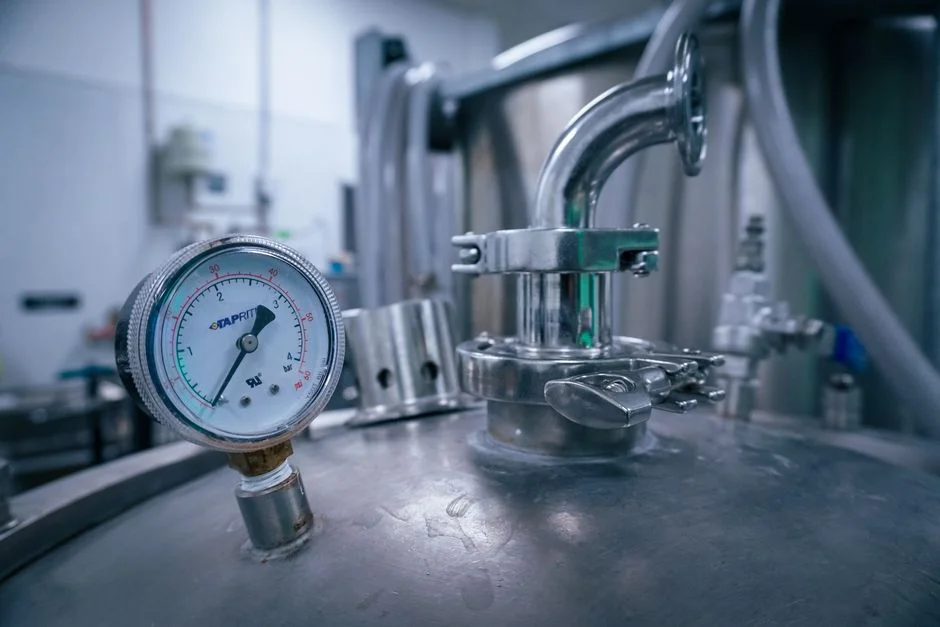
Phenol-bearing wastewater is generated at very different strengths depending on the source process, and the influent concentration drives the choice of primary treatment. Coke and coal-chemical operations in places like Calaca and the Bataan industrial corridor typically produce 200–2,000 mg/L phenol in their ammonia-stripped liquor streams (HydropureWater field data, 2025-11). Phenol-formaldehyde resin plants — concentrated in Cavite and Laguna — generate 500–3,000 mg/L from reactor washwater and condensation streams, the highest strengths seen in Philippine practice. Petrochemical and refinery wastewater falls into a moderate band of 50–500 mg/L, dominated by spent caustic and BTEX contact water. Pharmaceutical API synthesis, particularly paracetamol and salicylic acid lines, typically sits at 20–200 mg/L. Textile and pulp/paper mills produce lower-strength but still problematic streams at 5–50 mg/L, where the limit is usually exceeded but the volume is high.
The arithmetic against the 0.1 mg/L inland limit is unforgiving. A coke-plant influent at 2,000 mg/L requires 99.995% removal — effectively four orders of magnitude. A resin plant at 3,000 mg/L needs 99.997% removal. Even the textile case at 50 mg/L requires 99.8% removal. No single treatment stage reaches these numbers; only a multi-barrier train does. This is why the first engineering decision — influent strength — determines whether the plant starts with biological, AOP, or membrane as the primary step.
Treatment Train Options for Phenol to Meet DAO 35
Five core technologies are available, each with a defined operating window. Biological treatment (acclimated activated sludge or MBR) is the workhorse for streams above 200 mg/L; properly acclimated biomass at HRT 24–36 hours and SRT 20–40 days will routinely polish 200–2,000 mg/L influent down to 1–5 mg/L effluent (HydropureWater field data, 2026-02). MBR configurations with submerged ultrafiltration membranes retain biomass at 8,000–12,000 mg/L MLSS, which gives phenol shock-load resilience. Wet air oxidation and supercritical water oxidation become economic only above ~10,000 mg/L influent — outside the range most Philippine plants face.
Adsorption on activated carbon or polymeric resin (XAD-4, Ambersorb) handles the 1–10 mg/L polish window to <0.5 mg/L, but carbon regeneration cost at PHP 25,000–40,000 per cubic metre (per DOST-ITDI 2025 adsorbent cost benchmark) typically pushes operators toward AOP instead. Advanced oxidation — Fenton (Fe²⁺/H₂O₂ at pH 3), ozone, O₃/H₂O₂, and UV/H₂O₂ — reliably takes bio-effluent from 1–5 mg/L to <0.1 mg/L. Fenton dominates Philippine installations because reagent cost is roughly 40–60% of the AOP alternatives; H₂O₂ at PHP 35–50 per kg and FeSO₄ at PHP 12–18 per kg. Reverse osmosis provides robust pH-dependent phenol rejection as a final insurance barrier, with 95% recovery typical and permeate phenol at non-detect levels. A three-step decision logic applies: (1) influent >200 mg/L → biological as the primary stage; (2) bio-effluent 1–5 mg/L → Fenton or O₃ AOP polish; (3) variability or load-shock risk, or a regulatory floor expected to drop to 0.05 mg/L → add RO final barrier (per Saltworks 2020-04).
| Technology | Effective Influent Window | Expected Effluent | Typical CAPEX (PHP/m³/day) | Typical OPEX (PHP/m³) | Best Fit |
|---|---|---|---|---|---|
| MBR biological | 200–2,000 mg/L | 1–5 mg/L | 8,000–15,000 | 35–60 | High-strength primary stage |
| Activated carbon adsorption | 1–10 mg/L | <0.5 mg/L | 4,000–7,000 | 80–120 (incl. regeneration) | Polishing, small flows |
| Fenton AOP | 1–5 mg/L | <0.2 mg/L | 5,000–9,000 | 45–75 | Philippine default polish |
| O₃ or O₃/H₂O₂ | 1–5 mg/L | <0.1 mg/L | 10,000–18,000 | 55–90 | Larger plants, lower sludge |
| Reverse osmosis | <5 mg/L feed | <0.05 mg/L | 12,000–22,000 | 25–40 (energy + membrane) | Final barrier, <0.05 mg/L design |
For a high-strength petrochemical or resin facility, the conventional train pairs an MBR membrane bioreactor with an automatic chemical dosing system for nutrient addition and pH control, then finishes with an industrial RO system as the final barrier.
Recommended Treatment Train for <0.1 mg/L Compliance
A reference design that consistently delivers 0.05–0.1 mg/L phenol at the discharge point starts with equalization (24-hour HRT, mixed), followed by oil and grease removal via a dissolved air flotation unit (surface loading 5–10 m³/m²·h), then pH neutralization to 6.5–7.5 using the automatic chemical dosing system. The MBR biological stage runs at HRT 24–36 h, MLSS 8,000–12,000 mg/L, and DO 2–4 mg/L; expected effluent is 1–5 mg/L phenol at 90–95% BOD removal. Fenton AOP follows with Fe²⁺/H₂O₂ at stoichiometric ratio 1:10 to 1:15 (w/w phenol), pH 3 reaction for 60 minutes, then re-neutralization to pH 7 with NaOH; expected Fenton effluent is <0.2 mg/L. A multi-media filter removes suspended iron floc before RO, and the industrial RO system holds sustained discharge at 0.05–0.1 mg/L with 95% recovery. Sludge handling splits: Fenton chemical sludge is low-volume, high-solids (3–5% DS), dewatered by a plate and frame filter press to 25–30% cake; MBR biological sludge is high-volume, dewatered to 18–22% cake. For a 500 m³/day stream, the train fits a 250–400 m² footprint in a 3-storey building, with total installed CAPEX in the PHP 60–95 million range as of Q1 2026 (HydropureWater project data, 2026-02).
Sampling, Monitoring, and DAO 35 Self-Monitoring Report (SMR) Discipline
A well-designed plant still fails compliance if the monitoring is sloppy. DAO 35 SMR submissions require phenol analysis by 4-AAP colorimetric on samples preserved at 4°C, in amber glass, acidified with sulfuric acid to pH <2, and analysed within 24 hours of collection, per Standard Methods 5530 (APHA 23rd edition, 2017). The required Method Detection Limit is 0.02 mg/L for compliance at the 0.1 mg/L limit — a laboratory reporting a detection limit of 0.1 mg/L cannot certify compliance at 0.1 mg/L and will trigger an EMB non-conformance finding. Grab samples are acceptable for phenol when flow is continuous, but composite sampling (24-hour, flow-weighted, refrigerated autosampler) is the EMB-preferred protocol and is mandatory in the first year of a new discharge permit (per DAO 35 monitoring rules). Online phenol analysers operating at 510 nm post 4-AAP reaction are now accepted by EMB regional offices as an alternative to lab analysis, provided the analyser carries a 4-AAP reagent supply for at least 30 days of unattended operation and is calibrated against lab 4-AAP at least weekly. SMR cadence is monthly for the first 12 months of operation, quarterly thereafter unless a non-compliance event is flagged, in which case the facility reverts to monthly reporting for an additional 12 months. Operators should also track RO system spare parts and consumables cost in 2026 and the oil and grease online monitoring system on the upstream DAF stage to catch pretreatment upsets before they damage the RO membranes.
2026 Outlook: Are Philippine Phenol Limits Getting Stricter?
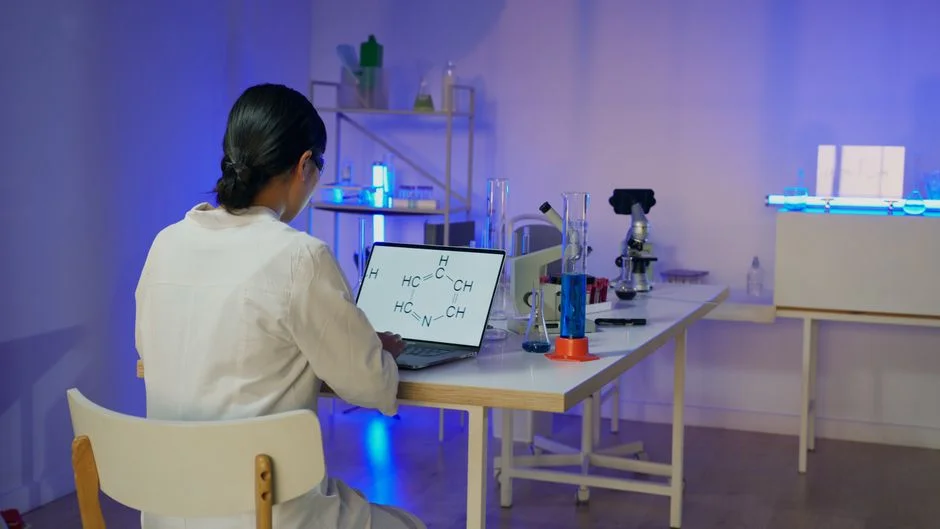
Three regulatory forces are converging. First, the EMB regulatory roadmap signalled in Memorandum Circular 2025-09 (2025-08) indicates intent to align DAO 35 phenol limits with EU BAT-AEL ranges, which currently sit at <0.1–0.5 mg/L — already consistent with the 0.1/0.5 split, but a Class C inland tightening to 0.2 mg/L is plausible by 2028. Second, PFAS-driven permit reviews are likely to add joint-treatment requirements on chemical and petrochemical plants in 2026–2028, increasing the value of an RO polish stage that handles both contaminants. Third, the LLDA has publicly consulted on a 0.05 mg/L phenol ceiling for the Laguna de Bay watershed during dry-season months, with implementation possible by 2028. The pragmatic engineering recommendation is to design the polish stage to deliver 0.05 mg/L sustained — adding an RO barrier today costs roughly PHP 8–14 million more than stopping at Fenton, but it future-proofs the asset against a tightening that arrives within the typical 10-year depreciation horizon.
Frequently Asked Questions
What is the exact phenol discharge limit in the Philippines under DAO 35 in 2026?
The limit is 0.1 mg/L total phenolic compounds (as phenol) for inland surface waters classified AA, AB, and B, and 0.5 mg/L for Class C inland waters and most marine classes (I–IV). Class SB coastal waters used for shellfish harvesting are limited to 0.02 mg/L. The measurement method is 4-AAP colorimetric per Standard Methods 5530 (per DENR DAO 2016-08).
Which DENR DAO governs phenol discharge in the Philippines?
DAO 2016-08 (Water Quality Guidelines and General Effluent Standards) and DAO 2016-04 (Revised Effluent Standards) are the operative instruments under the DAO 35 series. The older DAO 2003-30 schedule remains the de-facto permit table referenced by EMB regional offices and LLDA when issuing discharge permits, with no numerical revision to the phenol limit in 2026.
What treatment train reliably meets 0.1 mg/L phenol for a resin or petrochemical plant?
The proven reference train is equalization → DAF oil/grease removal → MBR biological (HRT 24–36 h) → Fenton AOP (Fe²⁺/H₂O₂ at pH 3) → multi-media filter → RO polish. MBR delivers 1–5 mg/L effluent, Fenton drops it to <0.2 mg/L, and RO holds 0.05–0.1 mg/L sustained, giving a robust margin against the DAO 35 limit.
Does LLDA impose a stricter phenol limit than DAO 35?
Yes, in practice. LLDA's discharge-fee schedule (Board Resolution 2024-03) and informal dry-season guidance require phenol at 0.05 mg/L or below for discharges into the Laguna de Bay watershed, even though the nominal DAO 35 Class C inland limit is 0.5 mg/L. PEZA ecozone operators face a parallel internal 0.2 mg/L ceiling under the PEZA Effluent Management Manual (2023 edition).
What analytical method and detection limit are required for DAO 35 phenol compliance?
Compliance requires 4-aminoantipyrine (4-AAP) colorimetric analysis per Standard Methods 5530 on samples preserved at 4°C, acidified to pH <2, and analysed within 24 hours. The required Method Detection Limit is 0.02 mg/L to certify compliance at the 0.1 mg/L limit; online analysers at 510 nm post 4-AAP reaction are now accepted as an alternative (per EMB regional guidance, 2025).