Why Amino Acid Fermentation Wastewater Is a Different Animal
Amino acid fermentation wastewater is treated with a four-stage train: stream segregation of mother liquor from washing water, anaerobic digestion (UASB or IC) at 30,000–80,000 mg/L COD, biological nitrogen removal (A/O or A²/O) to cut NH₃-N from 2,000–8,000 mg/L below 40 mg/L, MBR polishing to <50 mg/L COD, and optional NF/RO for reuse or zero liquid discharge. Ammonium sulfate can be recovered by evaporation/crystallization or stripping for fertilizer credit.
After product recovery, the residual stream from a lysine or MSG plant is not "food wastewater" and it is not "pharma wastewater." It sits in a category of its own, defined by three loadings that drive every unit-operation decision downstream. First, mother liquor carries a COD band of 30,000–80,000 mg/L with a BOD/COD ratio near 0.4, which means the carbon is biodegradable but the concentration overwhelms any aerobic system unless the load is cut upstream. Second, pH adjustment during crystallization with (NH₄)₂SO₄ injects 5,000–20,000 mg/L of sulfate and 2,000–8,000 mg/L of NH₃-N, both of which the biological train has to manage simultaneously. Third, residual sugars, color bodies from melanoidin-type Maillard products, and intact biomass produce a stream at pH 1.5–3.0 and 30–45 °C that is recalcitrant enough to defeat a conventional activated-sludge plant designed for municipal loadings. Conventional CAS treating this stream unscreened would need dilution 10:1 and a footprint no plant manager would sign for. The 2026 industrial wastewater market data frames why this stream is now a procurement priority: the global market reached $390B in 2026 with a 6.8% CAGR, and high-load fermentation lines are the segment moving fastest because residual nutrient pricing finally makes recovery pay.
Step 1: Stream Segregation and Equalization
Stream segregation is the single highest-ROI decision in a 2026 amino acid plant design. Mother liquor is typically 20% of the hydraulic load but carries 70% of the pollutant load, so sending it through a common header to a single biological stage is the most common reason greenfield lines are oversized by 30–40% (HydropureWater field data, 2026). Segregate at the source: high-strength mother liquor to its own equalization basin, low-COD washing water (COD 800–3,000 mg/L) and CIP rinse to a separate, smaller basin, and ion-exchange regenerant either blended or sent to nutrient recovery.
Equalize mother liquor for 8–12 h HRT with mechanical mixing and pH correction to 6.8–7.5 using NaOH or Ca(OH)₂ before biological stages. Cooling from the fermentation 40–45 °C down to 33–37 °C is required for mesophilic anaerobic biology and is usually done through a plate heat exchanger on the equalization recirculation line, sized for a 7–10 °C ΔT at 0.5–0.8 m³/m²·h. Install a rotary mechanical bar screen at 3–5 mm aperture before the equalization pump to protect downstream pumps, anaerobic distributors, and membrane modules from debris and mycelial carryover. Skipping this step costs more in MBR membrane replacement over five years than the screen itself.
Step 2: Anaerobic Treatment (UASB or IC) for COD Destruction
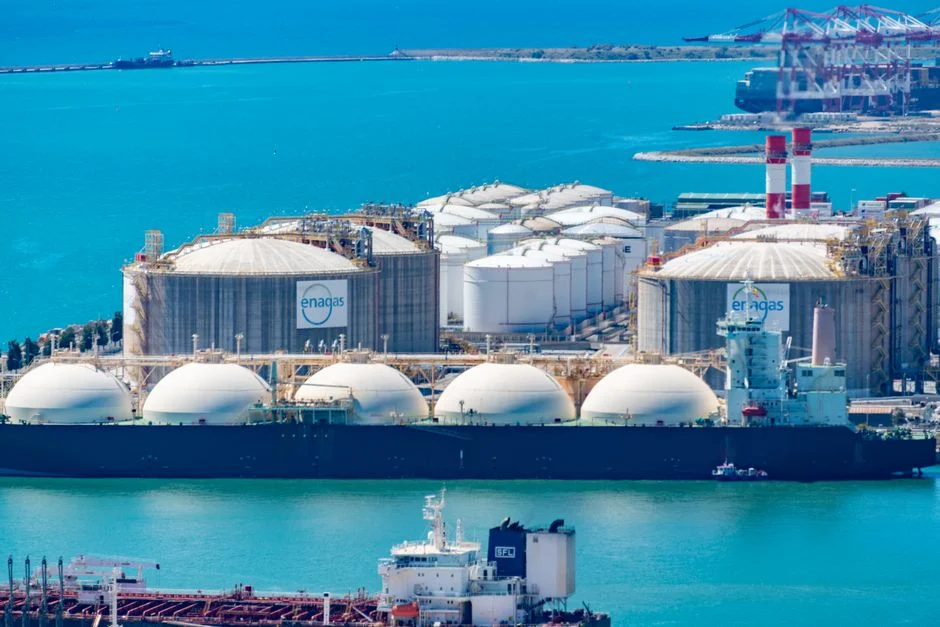
Anaerobic digestion is non-negotiable for mother liquor above 15,000 mg/L COD. Aerobic-only treatment would demand 8–12 m³ of aeration tank per m³/d of flow at this loading, plus 0.45–0.55 kWh/m³ of blower power; UASB or IC cuts the electricity budget by 60–80% while producing usable biogas. Choose UASB for flows below 500 m³/d where the OLR band of 10–20 kg COD/m³·d fits a tall steel or concrete tank with internal Laubscher-style cones. Choose IC (internal circulation) for larger flows and tighter footprints; IC reactors on this stream tolerate 20–35 kg COD/m³·d at HRT 2–4 days and can be stacked vertically, cutting civil work by roughly 40% versus UASB at the same load.
Single-stage COD removal is 75–90%; a two-stage UASB/IC + post-polish configuration reaches 90–95%. Biogas yield is 0.35–0.45 m³ CH₄ per kg COD removed, with a CH₄ content of 65–75%. On the operating-cost side, this offsets 60–80% of the plant's total aeration load, which is the single largest line item in OPEX. Two caveats matter for the design review: sulfate at 5,000–20,000 mg/L drives sulfate-reducing bacteria to produce sulfide at 100–300 mg/L in the reactor, so plan for FeCl₂ dosing at 8–15 mg Fe per mg dissolved sulfide, or micro-aeration in the recirculation loop, to keep H₂S in the off-gas below 50 mg/L and protect the CHP unit. Temperature control at 35–38 °C mesophilic is required; thermophilic operation (50–55 °C) gives faster kinetics but is rarely justified given the heat-exchange penalty. For gaseous emissions accounting on the anaerobic stage — CH₄ slip and dissolved CH₄ in the effluent — follow the off-gas versus water-phase measurement approach from Baresel et al. 2016, which is the standard cited for N₂O and CH₄ mass balance in industrial WWTPs.
| Parameter | UASB | IC |
|---|---|---|
| OLR (kg COD/m³·d) | 10–20 | 20–35 |
| HRT (days) | 3–6 | 2–4 |
| COD removal (%) | 75–85 | 80–90 |
| Biogas yield (m³ CH₄/kg COD) | 0.35–0.42 | 0.38–0.45 |
| Footprint at 1,000 m³/d | ~320 m² | ~190 m² |
| Best fit | <500 m³/d, lower capex | >500 m³/d, tight footprint |
FeCl₂ or FeCl₃ dosing is the practical point of integration for the automatic chemical dosing skid: sulfide control, phosphorus precipitation, and post-aerobic pH trim can all run off one PLC with flow-pacing control.
Step 3: Biological Nitrogen Removal (A/O, A²/O, or SBR)
After the anaerobic stage, NH₃-N typically sits at 1,500–5,000 mg/L, with COD already below 2,000 mg/L. The objective is to drop NH₃-N to below 40 mg/L for the China GB 8978-1996 Class 1 standard, to below 15 mg/L for total nitrogen in EU IED 2010/75/EU surface-water discharges, and to below 10 mg/L if the effluent is destined for cooling-tower makeup. A standard A/O train with recycle (RAS + nitrate return) can do this, but on amino acid streams an A²/O configuration (anaerobic/anoxic/aerobic) is preferred because the stream typically carries 20–80 mg/L total phosphorus from the fermentation media, and simultaneous N and P removal avoids a tertiary chemical precipitation stage.
Design window: HRT 18–30 h across the three zones, MLSS 3,500–5,000 mg/L in the aerobic zone, DO 2.0–3.0 mg/L, SRT 15–25 d. On amino acid streams, run the shortcut nitrification/denitritation (nitrite shunt) where possible — it cuts aeration energy 25% and methanol 40% versus full nitrification/denitrification. For plants designing against stringent ammonia-nitrogen discharge limits in regions such as Saudi Arabia or for EU BAT-AEL, the nitrite-shunt variant is the default. Sulfide carryover from the anaerobic stage (10–40 mg/L typical) is re-oxidized biologically in the aerobic zone, but plan 5–10% extra aeration capacity to handle the sulfur-oxidizing bacteria's additional oxygen demand. Where phosphorus discharge limits are tight, add FeCl₃ at 5–15 mg/L into the aerobic recycle line; the same chemical dosing skid used for sulfide control upstream serves here.
| Configuration | HRT (h) | SRT (d) | NH₃-N outlet (mg/L) | Energy vs. A/O baseline |
|---|---|---|---|---|
| A/O (nitrification + denitrification) | 15–22 | 12–18 | 5–15 | Baseline |
| A²/O (with P removal) | 18–30 | 15–25 | 5–15 | +5–10% |
| Nitrite shunt (A/O-SND) | 14–20 | 10–16 | 8–20 | −25% |
| SBR (batch) | 24–36 cycle | 20–30 | 3–10 | −15% |
Step 4: MBR Polishing for Discharge or Reuse
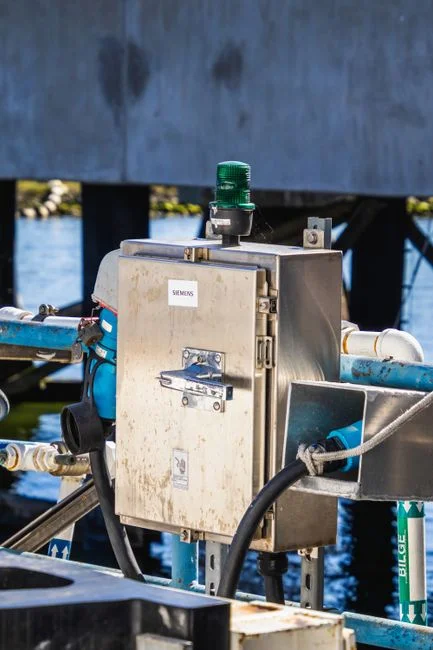
An MBR — not a clarifier — is the right finish on this stream, for three reasons. The first is solids carryover: amino acid effluent carries 200–600 mg/L of pin-floc suspended solids after biological treatment, and gravity clarifiers cannot reliably drop this below 30 mg/L without polymer dosing, which adds cost and sludge. The second is hydraulic stability: equalization upstream of the MBR is far more forgiving than ahead of a clarifier, and the MBR handles shock loads from upstream process upsets without effluent excursions. The third is footprint: an integrated MBR system with submerged PVDF flat-sheet MBR modules at 0.1–0.4 μm pore size runs mixed-liquor suspended solids at 8,000–12,000 mg/L — about 3× higher than CAS — in a tank roughly 60% smaller (per HydropureWater MBR product literature, 2026). Effluent quality: COD ≤50 mg/L, NH₃-N ≤10 mg/L, SS ≤5 mg/L, turbidity ≤1 NTU.
Operating window: flux 12–18 L/m²·h, average daily flux 0.3–0.5 m³/m²·d, with peak instantaneous flux up to 22 L/m²·h during fill cycles. Energy consumption is 0.25–0.45 kWh/m³ — about 10–20× lower than external crossflow systems but still the single largest electrical load after the biological aeration. Operate the permeate cycle on 9 min on / 1 min relax with a weekly maintenance clean-in-place using 1,000–2,000 mg/L NaOCl and a monthly acid wash at pH 2.0–2.5. The full MBR maintenance protocol covers this in detail and is the document plant maintenance should keep on file. For the upstream biology-to-MBR interface, a brief post-aerobic polishing zone of 1–2 h improves membrane fouling index (SDI) measurably and is worth the extra tankage.
Step 5: Reuse, Resource Recovery, and Zero Liquid Discharge Options
The reuse-vs-discharge decision is driven by three numbers: local water cost, discharge fee, and ammonium sulfate fertilizer price. Where any one of those is punitive — for example, water cost above $1.50/m³ or discharge fees above $0.80/m³ — the math tilts toward water reuse and nutrient recovery. Where all three are cheap, simple MBR discharge into a municipal sewer or a Class-1 surface water body is the lowest-life-cycle-cost option. A decision framework is below; the parameter table that follows gives 2026 design numbers.
For the reuse route, an NF + RO polishing train recovers 70–85% of the MBR permeate as reuse water; a standalone RO on MBR permeate can hit 95% recovery with a concentrate recycle (per HydropureWater RO spec, 2026). Ammonium sulfate recovery is the most economic side loop: multi-effect evaporation plus crystallization yields fertilizer-grade (NH₄)₂SO₄ at 99% purity, with a market value that offsets $3–8 per m³ of wastewater treated. Ammonia stripping with NaOH dosing followed by steam stripping recovers up to 90% of residual NH₃-N as a 20–25% ammonium liquor suitable for direct sale or on-site reuse. Mechanical vapor recompression (MVR) crystallizer CAPEX is 1.8–2.5× higher than multi-effect evaporation but OPEX is 60% lower, so MVR is favored for plants above 500 m³/d or where steam is expensive. Sludge dewatering downstream of all biological stages uses a plate-frame filter press at 1.5–2.5 m³/h per unit, with cake dryness 22–28% DS. A high-efficiency sedimentation tank on the RO concentrate stream cuts scaling load into the crystallizer by 30–50%.
| Route | Recovery (%) | Compliance target | Best fit |
|---|---|---|---|
| MBR → sewer discharge | n/a | GB 8978-1996 Class 1 (COD 100, NH₃-N 15 mg/L); 40 CFR Part 414 fermentation NESHAP BPT limits | Low water cost, low discharge fee |
| MBR → NF/RO reuse | 70–85 (NF), up to 95 (RO) | Cooling-tower / boiler-feed specs (TDS <100 mg/L target) | Water cost >$1.50/m³ |
| MBR → (NH₄)₂SO₄ recovery + reuse | 85–95 N recovery | EU IED 2010/75/EU BAT-AEL; fertilizer-grade (NH₄)₂SO₄ | Fertilizer price >$200/t |
| Full ZLD: MBR → RO → MVR | >95 overall | Zero liquid discharge, salt sale | Arid regions, water scarcity, (NH₄)₂SO₄ off-take |
Equipment Selection Matrix for a 2026 Amino Acid Wastewater Plant
The procurement manager's job in a 2026 revamp or greenfield is to score vendors on the seven unit operations the plant will actually buy. The matrix below scores each cell against a typical 1,000 m³/d amino acid effluent train; cost bands reflect 2026 mid-tier Asian and EU vendor pricing for installed, commissioned systems (HydropureWater procurement data, 2026). CAPEX for a complete train runs $850–$1,600 per m³/d of installed treatment capacity; OPEX runs $0.18–$0.42 per m³ treated depending on whether nutrient recovery is included. For the pre-treatment, the dissolved air flotation (DAF) machine and a rotary mechanical bar screen cover the screening and primary solids removal; for the biological separator downstream of the MBR feed, a lamella clarifier versus alternatives comparison is the document EPC teams will use to defend a 60% footprint reduction in P&ID reviews. An automatic chemical dosing skid ties FeCl₂/FeCl₃, polymer, and NaOH dosing to flow and analyzer signals.
| Unit operation | 2026 equipment choice | 2026 CAPEX share | 2026 OPEX share |
|---|---|---|---|
| Screening (3–5 mm) | Rotary bar screen, GX series | 1–2% | <1% |
| Equalization + cooling | Concrete basin + plate HX | 5–8% | 3–5% |
| Anaerobic (UASB or IC) | Vendor-supplied, often proprietary | 20–30% | −60–80% (biogas credit) |
| A²/O biological N removal | Concrete or coated steel | 18–25% | 45–55% (aeration) |
| MBR polishing | Integrated MBR system, DF series modules | 15–22% | 20–30% |
| NF/RO (reuse) or sewer (discharge) | RO polishing train | 8–15% | 10–15% |
| Sludge dewatering | Plate-frame filter press | 3–6% | 2–4% |
| Chemical dosing | Automatic dosing skid | 1–2% | 3–5% |
Frequently Asked Questions
Q: What is the typical COD of amino acid fermentation wastewater? A: Mother liquor runs 30,000–80,000 mg/L COD. The combined plant effluent after stream segregation and equalization typically lands at 800–3,000 mg/L going to the biological train, with the exact number driven by the ratio of mother liquor to washing water and any in-process recycle streams.
Q: Which anaerobic reactor is best — UASB or IC? A: Use UASB for flows below 500 m³/d where OLR 10–20 kg COD/m³·d fits the available height and where capex sensitivity is the constraint. Use IC for higher flows or tighter footprints; IC tolerates 20–35 kg COD/m³·d and runs HRT 2–4 days, with roughly 40% lower civil work at the same load.
Q: Can MBR alone meet discharge limits? A: MBR alone cannot, on this stream. The MBR is a polishing stage. Anaerobic digestion is required for COD destruction and biogas recovery, and biological nitrogen removal is required to bring NH₃-N below the 40 mg/L GB 8978 Class 1 / 15 mg/L EU IED BAT-AEL / 10 mg/L reuse thresholds. With all four stages properly designed, MBR effluent meets the discharge limit.
Q: How is ammonium sulfate recovered? A: Either by multi-effect evaporation followed by crystallization to fertilizer-grade (NH₄)₂SO₄ (99% purity, $3–8 offset per m³ treated), or by ammonia stripping with NaOH plus steam to recover 20–25% ammonium liquor. MVR crystallization is preferred above 500 m³/d for OPEX reasons.
Q: What is the 2026 CAPEX benchmark for an amino acid wastewater plant? A: $850–$1,600 per m³/d of installed treatment capacity for the full four-stage train including screening, equalization, anaerobic, A²/O, MBR, and sludge dewatering. OPEX runs $0.18–$0.42 per m³ treated. RO reuse and ammonium sulfate recovery each add 10–20% to CAPEX and shift OPEX toward chemicals and membrane replacement but earn offsetting nutrient and water credits.
Related Equipment
- RO polishing train — specifications, capacity range, and technical data