Vegetable processing wastewater treatment equipment typically combines rotary bar screens, a dissolved air flotation unit for fats-oils-grease and suspended solids, and either a UASB, SBR, or MBR for biological COD/BOD reduction — targeting influent BOD of 1,000–5,000 mg/L down to discharge limits under 100 mg/L. A complete 2026 skid-built train for a 200 m³/day frozen-vegetable plant runs $180,000–$320,000 CAPEX, with MBR preferred when space is limited or water reuse is required.
Why Vegetable Processing Wastewater Needs Dedicated Equipment
Food processing wastewater is "rich in BOD, suspended solids, and oily substances," per a 2021 Springer review of current practices and future challenges — and vegetable processing sits at the high end of that range. Generic municipal-style equipment underperforms on this stream because three sub-streams arrive at the treatment plant simultaneously, each with a different signature.
Washing and peeling water is the largest volume: high TSS (typically 800–2,500 mg/L from soil, peel fragments, and grit) but moderate COD because the organics are largely particulate. Blanching and cooking water is the inverse: lower flow, much higher BOD (often 3,000–8,000 mg/L) and FOG loading of 200–1,500 mg/L from starches, sugars, and residual oils. Cleaning-in-place (CIP) rinses add pH and temperature swings (pH 4–11, 50–85°C) that shock a biological basin if not equalized first. Most 2026 plant audits confirm that the combined stream averages BOD 1,000–5,000 mg/L, COD 2,000–10,000 mg/L, TSS 500–3,000 mg/L, and FOG 200–1,500 mg/L — well above the 250–400 mg/L BOD envelope that municipal POTWs are designed for.
Municipal discharge is getting harder to use as a disposal route. The EU Industrial Emissions Directive (2024/1785, in force 2026) tightened Best Available Technique reference documents (BREF) for food, drink, and milk processors, and China's GB 8978-1996 amendment cycle through 2025–2026 is pushing effluent COD limits on indirect discharges below 500 mg/L at many provincial environmental protection bureaus. Plants that historically relied on sewer permits are now seeing surcharges, volume caps, or rejected renewal applications — which is why 2026 inquiries to equipment vendors are dominated by on-site treatment and water-reuse questions, not just compliance.
| Sub-stream | Typical BOD (mg/L) | Typical TSS (mg/L) | FOG (mg/L) | pH range | Temperature |
|---|---|---|---|---|---|
| Washing / peeling | 300–1,200 | 800–2,500 | <100 | 6–8 | Ambient |
| Blanching / cooking | 3,000–8,000 | 200–600 | 200–1,500 | 5–7 | 50–95°C |
| CIP rinses | 500–2,000 | 100–400 | 50–300 | 4–11 | 50–85°C |
| Combined (typical 2026) | 1,000–5,000 | 500–3,000 | 200–1,500 | 4–11 | 20–60°C |
The Four-Stage Treatment Train Used in 2026
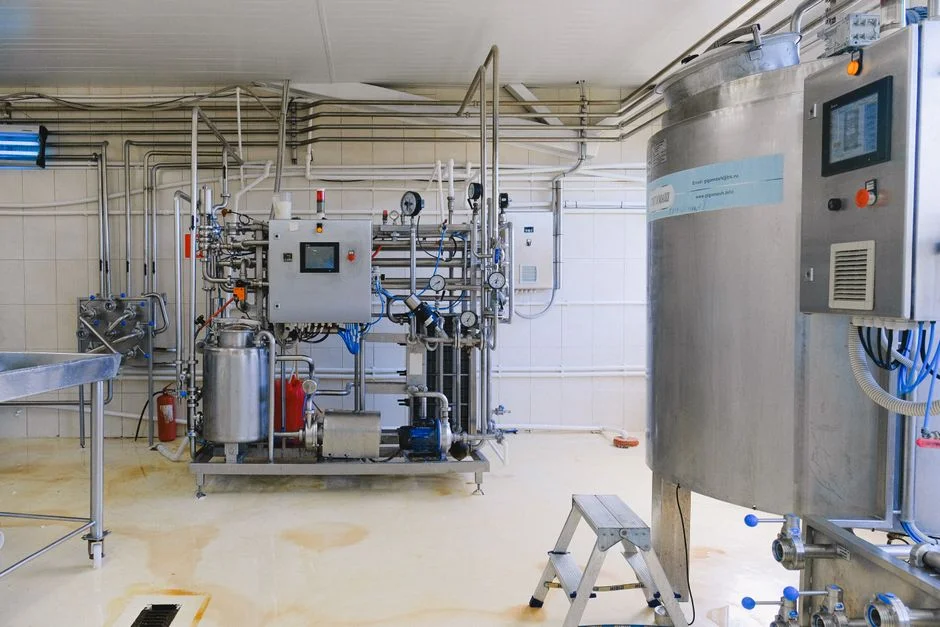
Almost every 2026 vegetable-processing plant that moves from sewer discharge to on-site treatment ends up with the same four-stage sequence. The exact equipment inside each stage varies by load, but the order does not.
Stage 1 is screening. A rotary mechanical bar screen with 2–5 mm aperture openings pulls out peel fragments, leaf material, packaging debris, and grit before anything else touches the train. Skipping this step is the single most common reason DAF scraper blades and biological basin mixers fail inside 18 months.
Stage 2 is primary separation, almost always a dissolved air flotation system when FOG is present. DAF reliably removes 80–95% of TSS and 70–90% of FOG in vegetable wash water with 10–25 mg/L polymer dose (HydropureWater field data, 2026). For low-FOG peel-water streams a lamella clarifier is a cheaper alternative, but it does not handle oils. An equalization tank with pH and temperature probes should sit ahead of biology — without it, a 60°C blancher slug will denature biomass in an SBR or MBR within minutes.
Stage 3 is biological. The choice between UASB, SBR, and MBR is where 2026 buyers spend the most time, and the next section breaks that down. Stage 4 is polishing and solids handling: UV or chlorine dioxide for reuse lines, sand filtration for TSS guard, and a plate and frame filter press for the 1–3% solids DAF sludge, typically dewatering to 22–28% dry solids. Sludge hauling runs $30–$80 per wet ton and is often the line item that gets cut first in early CAPEX discussions — then becomes the OPEX surprise at month nine. The standard train is described in more detail in this guide on suspended solids removal from industrial wastewater.
Technology Comparison: DAF, UASB, SBR, and MBR for Vegetable Wash Water
DAF is a given — it sits upstream of every biological option below and handles the FOG load that would otherwise coat biomass. The real decision is which secondary technology to pair it with. The matrix below uses HydropureWater 2026 reference data plus standard operating ranges from food-sector install reviews.
| Parameter | DAF (pre-treatment) | UASB (anaerobic) | SBR (batch aerobic) | MBR (membrane aerobic) |
|---|---|---|---|---|
| COD removal | 50–70% | 75–90% | 85–95% | 90–98% |
| BOD removal | 40–60% | 80–92% | 90–96% | 95–99% |
| Effluent TSS | 30–80 mg/L | 80–150 mg/L | 100–200 mg/L | <30 mg/L (effectively <1 μm) |
| Footprint (m² per m³/day) | 0.05–0.10 | 0.15–0.30 | 0.20–0.40 | 0.10–0.18 (60% smaller than CAS) |
| Energy use | 0.05–0.10 kWh/m³ | 0.03–0.08 kWh/m³ (net of biogas) | 0.25–0.45 kWh/m³ | 0.40–0.80 kWh/m³ |
| CAPEX (USD per m³/day, 2026) | $150–$350 | $400–$700 | $500–$900 | $900–$1,600 |
| Best-fit sub-sector | Always installed upstream | Blanching / frozen lines, >2,000 mg/L COD | Small seasonal salad / fresh-cut lines | Water reuse, EU BAT compliance, tight footprint |
UASB makes sense for blanching and frozen-vegetable lines where influent COD runs above 2,000 mg/L and stream temperature stays above 35°C — the reactor's own biology supplies most of the heat retention. Biogas yield of 0.25–0.40 m³ CH₄ per kg COD removed is recoverable, which offsets roughly 30–50% of plant aeration energy if a combined heat and power unit is included.
MBR is the right call when a plant needs water reuse (wash-water loop, boiler make-up, or cooling-tower make-up) or has less than ~0.15 m² per m³/day of biological footprint. A packaged MBR membrane bioreactor system delivers effluent with TSS under 30 mg/L and turbidity under 1 NTU, suitable for direct RO polishing. Trade-off: membrane replacement every 5–7 years at 8–12% of MBR CAPEX annualized, plus 2–3× the aeration energy of SBR. Market sizing for 2026 is detailed in this report on membrane bioreactor market growth 2026.
SBR is the conservative choice for small fresh-cut and salad lines where daily flow swings 3–5×. Batch operation absorbs shock loads that would wash out a continuous-flow system, and the CAPEX is the lowest of the three secondary options. For similar food-industry streams with high organic variability, this guide on decanter centrifuge for food industry wastewater is a useful reference on solids-handling integration. Energy cost is a meaningful OPEX line — see this engineering piece on aeration energy cost optimization for current kWh benchmarks.
2026 CAPEX and OPEX Benchmarks by Plant Size
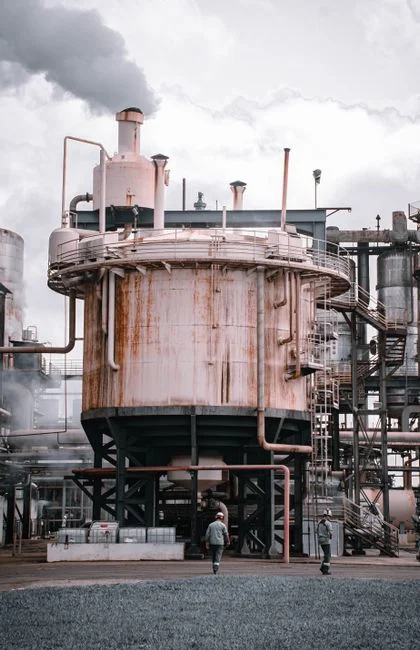
Budget conversations in 2026 cluster around three plant sizes. The numbers below reflect full skid-built trains including screening, DAF, secondary biology, disinfection, and a filter press for sludge — excluding civil works, installation labor, and the equalization tank (which is typically a site cost).
| Plant size | Typical application | 2026 CAPEX range (USD) | Dominant cost items | OPEX drivers |
|---|---|---|---|---|
| 50 m³/day | Small fresh-cut salad or single-line prepack operation | $80,000–$140,000 | Packaged SBR skid, small DAF, filter press | Aeration $0.05–$0.10/m³, sludge hauling $40–$80/wet ton |
| 200 m³/day | Frozen-vegetable line (the most-requested size in 2026) | $180,000–$320,000 | DAF (DAF-30–50), MBR or UASB reactor, PLC panel, filter press | Aeration $0.04–$0.12/m³, polymer $0.01–$0.03/m³, sludge $30–$60/wet ton |
| 1,000 m³/day | Industrial multi-line processor with reuse loop | $900,000–$1,600,000 | MBR membrane modules (40–55% of CAPEX), RO polishing, biogas CHP option | Membrane replacement 8–12% of MBR CAPEX/yr, energy $0.06–$0.15/m³ |
OPEX is dominated by four line items: aeration energy ($0.04–$0.12 per m³ treated, depending on technology), DAF polymer ($0.01–$0.03 per m³), sludge hauling ($30–$80 per wet ton, which compresses to roughly $0.02–$0.05 per m³ of treated water), and MBR membrane replacement every 5–7 years (8–12% of MBR CAPEX annualized). A 200 m³/day plant with MBR typically runs $45,000–$75,000 OPEX per year at 2026 utility and disposal rates. Vendors that quote only CAPEX without a 5-year OPEX model should be a yellow flag in evaluation.
Supplier Selection Scorecard for Vegetable Processing Equipment
Use the weighted table below as a starting framework in your RFP. Score each candidate vendor 1–5 on every criterion, multiply by the weight, and sum. Anything scoring below 60/100 warrants a follow-up technical interview before you sign a PO.
| # | Criterion | Weight | Score (1–5) | Weighted | Notes |
|---|---|---|---|---|---|
| 1 | Process performance guarantees (BOD/COD/TSS removal, with right-sized equipment) | 25% | — | — | Look for a removal curve from a comparable install, not a generic brochure |
| 2 | Reference installs in food / vegetable sector | 20% | — | — | Ask for at least two sites you can call |
| 3 | Lead time and skid delivery | 15% | — | — | 2026 lead times: 10–14 weeks for skid-built MBR; 6–10 weeks for DAF alone |
| 4 | Local service coverage | 10% | — | — | Field service response within 48 hours matters more than head office proximity |
| 5 | Automation level and remote monitoring | 10% | — | — | PLC recipe storage for seasonal product switches is a strong green flag |
| 6 | Warranty terms (membranes, electrical, structural) | 10% | — | — | Standard 12 months; 24+ months on stainless and membranes is competitive |
| 7 | Spare parts pricing transparency | 10% | — | — | Insist on a published price list with at least 5 years of price-hold commitment |
| Total | 100% | — | — | ≥75/100 = shortlist, 60–74 = interview, <60 = pass | |
Red flags in a 2026 vendor response: a quote built without a jar test or pilot on your actual wash water; a single-tank design that bundles all four stages without separate sizing calculations; a polymer consumption figure quoted without a water analysis sheet; and a "per m³/day" price that drops sharply with size but no documented reference plant at that scale. Green flags: documented COD/BOD removal curves from a comparable frozen-vegetable or salad install; PLC recipe storage for seasonal product switches; and a published factory acceptance test (FAT) video on the vendor's channel that shows the actual skid in operation before shipping.
Frequently Asked Questions
What is the typical influent BOD for a vegetable processing plant?
Combined wash, blanching, and CIP wastewater typically runs 1,000–5,000 mg/L BOD, with COD 2,000–10,000 mg/L, TSS 500–3,000 mg/L, and FOG 200–1,500 mg/L (HydropureWater field data, 2026). Blanching and cooking lines can push individual streams above 8,000 mg/L BOD.
Is DAF always required for vegetable processing wastewater?
Yes when FOG exceeds 200 mg/L. A dissolved air flotation system ahead of biology removes 70–90% of FOG and 80–95% of TSS, protecting downstream biomass and membranes from oil coating.
How much does a 200 m³/day vegetable wastewater treatment system cost in 2026?
A complete skid-built train for a 200 m³/day frozen-vegetable line runs $180,000–$320,000 CAPEX, with OPEX of roughly $45,000–$75,000 per year at 2026 utility and sludge-hauling rates. MBR adds 30–50% to CAPEX versus SBR but enables water reuse.
Which is better for a small salad line, SBR or MBR?
SBR is usually the better fit for flows under ~100 m³/day with 3–5× daily variation — lower CAPEX ($500–$900 per m³/day) and proven batch operation. MBR is only worth the premium if water reuse is required or the site footprint is under 0.15 m² per m³/day.
Related Equipment
- automatic chemical dosing system — specifications, capacity range, and technical data