2026 MBR Market Snapshot: Size, CAGR, and Forecast Range
The global membrane bioreactor (MBR) market is projected to reach US$5.59 billion by 2026 at a 15.46% CAGR, growing from a US$1.54 billion base in 2017 (Credence Research, 2018–2026 forecast). Grand View Research's separate methodology values the market at USD 6.2 billion by 2028, expanding at a 9.9% CAGR from a 2021 base. The 1.5–5.5 percentage-point variance between the two CAGRs reflects different scoping rules: Credence's earlier base year captures the steep post-2017 industrial-effluent compliance surge, while Grand View's longer horizon smooths the curve against the 2020–2021 capex pause. For 2026 procurement planning, the credible working figure sits in the US$5.0–5.6 billion range.
Adjacent membrane markets confirm the broader trend. The membrane chemicals segment is forecast at US$3.28 billion by 2030 at a 7.59% CAGR (IndustryArc, 2024–2030), and ion exchange membranes are valued at USD 1.20 billion in 2025, projected to reach USD 2.39 billion by 2036 at 6.4% CAGR (Future Market Insights, 2026–2036). MBR's 9.9–15.46% growth materially outpaces both, signaling that activated-sludge-plus-membrane configurations are capturing a disproportionate share of new tertiary-treatment capex.
An MBR combines a suspended-growth biological reactor with submerged microfiltration or ultrafiltration membranes, typically rated below 1 μm pore size, replacing the secondary clarifier in a conventional activated-sludge train. The configuration delivers effluent with total suspended solids below 5 mg/L and BOD₅ below 5 mg/L, with a footprint 30–50% smaller than CAS for the same throughput.
| Source | Forecast Year | Market Value (USD) | CAGR | Base Year |
|---|---|---|---|---|
| Credence Research | 2026 | US$5.59 Bn | 15.46% | 2017 (US$1.54 Bn) |
| Grand View Research | 2028 | US$6.2 Bn | 9.9% | 2021 |
| IndustryArc (Membrane Chemicals) | 2030 | US$3.28 Bn | 7.59% | 2024 |
| Future Market Insights (Ion Exchange) | 2036 | US$2.39 Bn | 6.4% | 2025 (US$1.20 Bn) |
Key Growth Drivers Shaping MBR Demand in 2026
ZLD mandates, microplastics discharge limits, and tightening PFAS rules are the three regulatory shocks most directly converting into MBR purchase orders between 2024 and 2026. Industrial effluent now requires treatment trains that can consistently deliver sub-1 NTU turbidity for downstream reverse osmosis, and submerged MBR is the lowest-energy route to that threshold.
Freshwater scarcity provides the macro backdrop. The UN World Water Development Report observes that high-income countries treat around 70% of their wastewater, while lower-middle-income countries treat roughly 30% — a coverage gap that defines the addressable MBR market in Asia and Africa. China's GB 18918-2002 discharge standard upgrades through 2025–2026 tightened COD, ammonia-nitrogen, and TN limits for municipal and industrial outfalls, pushing municipal utilities toward MBR retrofits. The EU's revised Urban Waste Water Directive (91/271/EEC, updated 2024) extended treatment obligations to agglomerations below 2,000 PE and added micropollutant provisions. EPA categorical standards for pharmaceutical (40 CFR 439) and textile (40 CFR 410) effluents continue to cap conventional biological treatment performance, favoring MBR's higher mixed-liquor suspended solids tolerance (8,000–12,000 mg/L vs. 2,000–4,000 mg/L for CAS).
Zero liquid discharge mandates in India, China, Singapore, and the Gulf Cooperation Council states are driving hybrid MBR + RO adoption in power, textile, and petrochemical projects. Emerging 2024–2026 microplastics and PFAS discharge limits add new compliance triggers; the new microplastics discharge limits in Malaysia 2026 and parallel EU, US, and China regulatory tracks are creating effluent-quality demands that conventional CAS cannot meet. Industrial sector growth in pharma, food and beverage, pulp and paper, and electronics is generating 15–25% annual effluent treatment capacity additions in those verticals, and the parallel zinc discharge limit for industry 2026 global compliance update illustrates how metal-finishing effluents now require MBR-grade polishing before discharge.
Market Segmentation: Configuration, Product Type, and Application
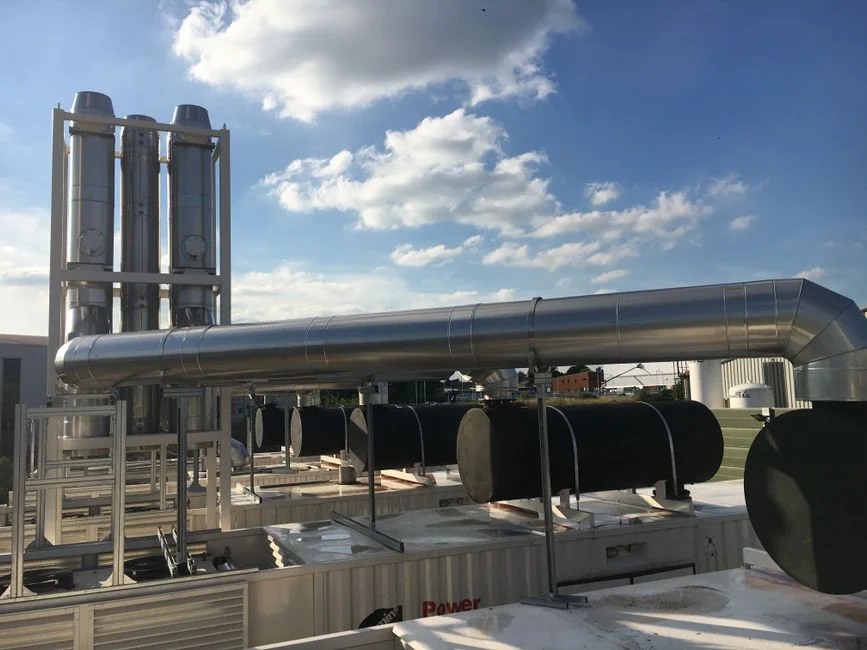
Submerged MBR holds the dominant configuration share, typically 65–75% of new installations, because it operates at 0.1–0.3 bar transmembrane pressure versus 2–4 bar for side-stream configurations, yielding 10–20× lower specific energy demand. Side-stream MBR retains a defensible niche in high-solids, high-viscosity, or retrofit applications where elevated cross-flow shear prevents fouling that submerged designs cannot tolerate.
By product type, hollow fiber modules command the largest installed base, with 0.1–0.4 μm pore ratings and packing densities of 800–1,200 m²/m³. Flat sheet modules — including DF-series designs — trade packing density (200–500 m²/m³) for easier element replacement, mechanical robustness in variable-load conditions, and tolerance of intermittent operation. Multi-tubular configurations address high-solids, oil-and-grease, and mining effluents at lower fluxes (30–80 LMH vs. 60–120 LMH for hollow fiber), with a price premium that confines them to niche duty.
By application, municipal wastewater treatment remains the largest revenue pool through 2026, but industrial wastewater treatment is the fastest-growing segment, with projected growth rates 1.5–2× the municipal figure. End-use verticals with the strongest MBR pull include pharmaceutical (high COD variability, need for pathogen-free reuse water), food and beverage (oils/fats and high BOD), textile (color and surfactant removal), pulp and paper (high suspended solids and recalcitrant organics), and petrochemical (hydrocarbon and phenolic compound removal).
| Segment | Sub-Type | 2026 Market Position | Typical Pore / Flux | Best-Fit Application |
|---|---|---|---|---|
| Configuration | Submerged | Dominant (65–75% share) | 0.1–0.3 bar TMP | Municipal, low-COD industrial |
| Configuration | Side-stream | Niche, retrofit | 2–4 bar TMP | High-solids, viscous effluents |
| Product | Hollow Fiber | Largest installed base | 0.1–0.4 μm, 60–120 LMH | High-flow municipal, F&B |
| Product | Flat Sheet (DF) | Growing in F&B, textile | 0.1 μm, 40–80 LMH | Variable load, harsh CIP |
| Product | Multi-tubular | Specialty | 30–80 LMH | Oil & gas, mining, landfill leachate |
| Application | Municipal WWT | Largest revenue pool | — | Reuse-quality effluent |
| Application | Industrial WWT | Fastest CAGR (15–18%) | — | ZLD pre-RO polishing |
Regional Outlook: Where the 2026 MBR Growth Is Concentrated
Asia-Pacific accounts for the largest regional share and the highest growth rate through 2026, led by China's municipal retrofit program, India's Ganga basin STP upgrades, and industrial expansion in Vietnam, Indonesia, and Bangladesh. China's 14th Five-Year Plan allocated dedicated MBR subsidies for decentralized treatment in industrial parks, and the parallel industrial wastewater treatment in Myanmar 2026 engineering compliance update highlights how Southeast Asia is following the same trajectory two to three years behind China.
North America delivers steady single-digit-to-low-teens growth, driven by EPA effluent guideline updates, state-level PFAS rules (notably California, New York, and New Jersey), and aging infrastructure replacement — an estimated 30–40% of US municipal WWTPs are past their 50-year design life. Europe shows moderate growth, with demand concentrated in water reuse compliance against the EU Water Framework Directive and the 2024 UWWTD revision; Germany, France, and the Nordics lead in circular-economy MBR deployments. Middle East and Africa represent the fastest-growing emerging market, with GCC mega-projects (Neom, Lusail, Red Sea) and Saudi Vision 2030's 100% wastewater reuse by 2030 target driving MBR + RO hybrid procurement. EPC contractors working the Kuwait, Saudi, and UAE markets should expect 15–20% annual MBR capacity additions through 2028; reference projects covered in the wastewater treatment plant supplier in Kuwait 2026 buyer's guide illustrate the procurement patterns now standard in the Gulf.
Technology Trends Reshaping the MBR Market Through 2030
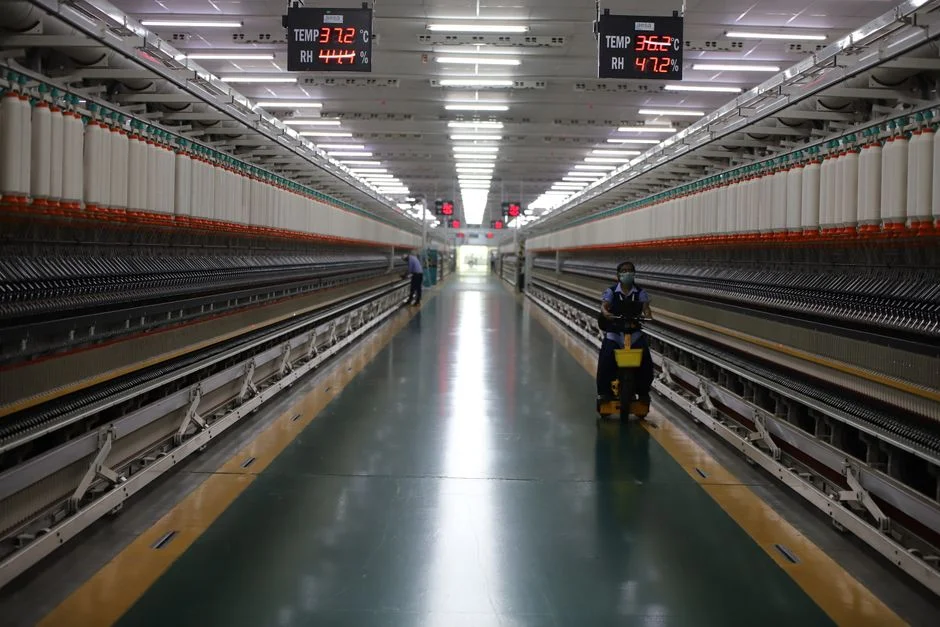
PVDF (polyvinylidene fluoride) remains the dominant membrane material, delivering 0.1 μm pore ratings at chlorine tolerance of 5,000–10,000 mg/L·h cumulative exposure and a typical service life of 5–8 years. The DF series PVDF flat sheet MBR module with 0.1 μm pore size and 10–20× lower energy consumption typifies the current PVDF design envelope versus legacy external cross-flow systems.
AI-integrated MBR control is the most consequential 2026 technology shift. Machine-learning models trained on transmembrane pressure, aeration intensity, and mixed-liquor suspended solids can optimize backwash intervals and aeration duty in real time, reducing OPEX 15–25% through lower blower energy and extended membrane life, a topic covered in detail in the AI process control for sewage treatment in 2026 engineering guide. Ceramic and graphene-oxide membranes remain in pilot stage for high-temperature, high-pH, or solvent-laden industrial effluents where polymeric membranes fail; commercial scale is expected post-2027. Modular skid-mounted MBR packages — including the integrated MBR system for municipal and industrial projects from 10 to 2,000 m³/day — are gaining share in decentralized and containerized treatment, a segment detailed in the broader decentralized wastewater treatment growth rate in 2026 market outlook.
Competitive Landscape: Leading MBR Manufacturers in 2026
Grand View Research characterizes the MBR market as highly competitive and dynamic, with consolidation activity accelerating between 2024 and 2026 as larger water majors acquire regional specialists to gain PVDF manufacturing capacity and digital-control IP. Tier 1 multinationals — Veolia (including the Sidem brand), Suez, Kubota, Toray Industries, Mitsubishi Rayon, and Koch Membrane Systems — hold the majority of large municipal contracts through integrated EPC offerings and aftermarket service networks.
Chinese majors including Tianjin MOTIMO Membrane Technology, Suzhou Litree UF Membrane, and Beijing Originwater are gaining global share via cost-competitive PVDF modules, with export volumes rising 20–30% year-on-year through 2024–2025. Niche and regional specialists continue to win application-specific MBR work in food and beverage, textile, and landfill leachate, where influent-specific pretreatment knowledge and local service responsiveness outweigh scale advantages. The most active 2024–2026 M&A activity centers on AI-control software vendors, ceramic-membrane startups, and Gulf-region EPC contractors seeking turnkey MBR + RO delivery capability.
Buyer's Decision Framework: Translating Market Data Into Equipment Selection
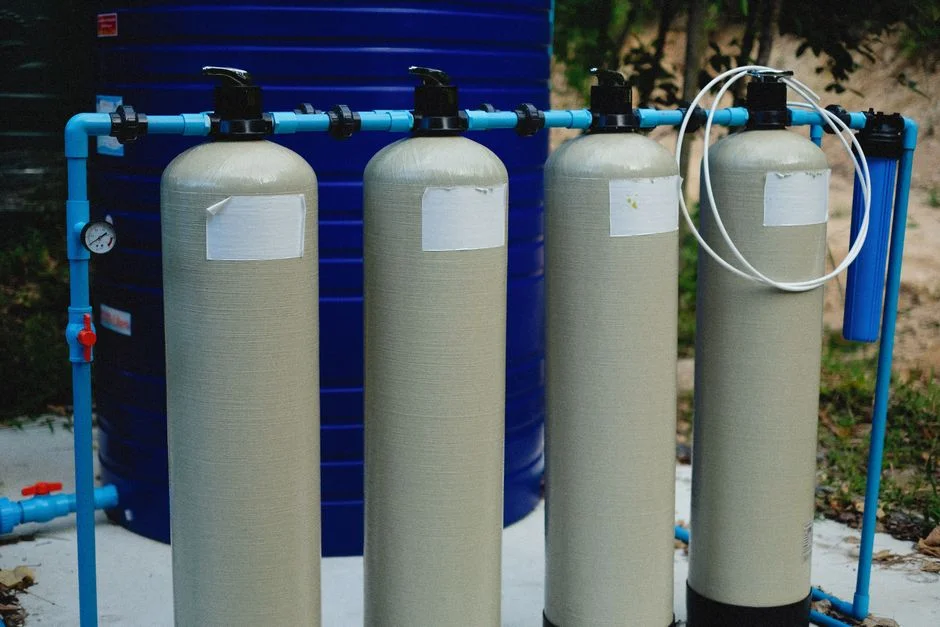
Convert the 2026 market intelligence into a procurement decision by following four steps in sequence: (1) match MBR configuration to influent strength — submerged for municipal and low-COD industrial duty, side-stream only for high-solids or retrofit constraints; (2) specify membrane product by effluent target and load variability — flat sheet for variable load and frequent CIP, hollow fiber for steady high-flow municipal, multi-tubular for oil and grease or mining; (3) evaluate total lifecycle cost, including membrane replacement cycle (5–8 years for PVDF, 2–4 years for lower-grade PES), specific energy demand (0.2–0.5 kWh/m³ for submerged, 2–4 kWh/m³ for side-stream), and chemical cleaning frequency (typically 1–2 recovery cleans per year plus 6–12 maintenance cleans); (4) validate vendor track record with reference plants in your sector and region, and confirm local service and spare-parts availability before signing.
| Influent / Project Profile | Recommended Configuration | Recommended Product | Energy (kWh/m³) | Expected Membrane Life |
|---|---|---|---|---|
| Municipal, steady flow | Submerged | Hollow Fiber | 0.2–0.4 | 5–8 years |
| Industrial, variable load | Submerged | Flat Sheet (DF) | 0.3–0.5 | 5–7 years |
| High-solids, oil & grease | Side-stream | Multi-tubular | 2.0–4.0 | 3–5 years |
| Retrofit, footprint-constrained | Submerged (high MLSS) | Hollow Fiber or Flat Sheet | 0.4–0.6 | 5–8 years |
Frequently Asked Questions
How large is the global MBR market in 2026?
Credence Research projects US$5.59 billion by 2026 at a 15.46% CAGR from a US$1.54 billion 2017 base, while Grand View Research forecasts USD 6.2 billion by 2028 at a 9.9% CAGR from 2021.
Which MBR configuration holds the largest market share?
Submerged MBR dominates with an estimated 65–75% of new installations, driven by 10–20× lower specific energy consumption than side-stream configurations at typical operating flux.
Which region is growing fastest?
Asia-Pacific leads on absolute size and growth rate through 2026, with China, India, Vietnam, and Indonesia driving demand through industrial expansion and tightening GB and CPCB discharge standards.
What is the fastest-growing application segment?
Industrial wastewater treatment is forecast to grow 15–18% annually through 2026, outpacing municipal wastewater treatment on the back of ZLD mandates, microplastics regulation, and PFAS discharge limits.
What are the primary 2026 demand drivers for MBR?
ZLD mandates in India, China, Singapore, and the Gulf; microplastics and PFAS discharge limits emerging 2024–2026; freshwater scarcity in high-population economies; and industrial expansion in pharma, F&B, pulp and paper, and electronics.