What Makes Cosmetics Wastewater Hard to Treat
Cosmetic manufacturing effluent is a high-strength, highly variable stream that combines four contaminant families rarely seen together in municipal wastewater: high-strength organics (anionic surfactants, glycols, oils, and fragrances), suspended solids including polyethylene microbeads and microplastics, pH/salinity swings driven by clean-in-place (CIP) cycles, and recalcitrant dye and fragrance compounds. A 2021 Springer review of β-cyclodextrin polymers for wastewater treatment (2021-10) noted that surfactant and dissolved-organic removal remains an active research problem rather than a solved engineering practice — a useful signal that off-the-shelf municipal designs underperform on cosmetics streams. The 2026 challenge is amplified by regulators tightening limits on anionic surfactants, microplastics, and water-reuse quality in parallel.
| Parameter | Typical 2026 influent range | Notes |
|---|---|---|
| COD | 1,000–25,000 mg/L | Shampoo > lotion > soap > color cosmetic |
| BOD₅ | 500–10,000 mg/L | BOD/COD typically 0.4–0.6 — moderately biodegradable |
| Oil & grease (FOG) | 100–3,000 mg/L | Lotion and cream lines drive the high end |
| Anionic surfactants (MBAS) | 50–800 mg/L | SLES, SLS, and linear alkylbenzene sulfonate dominate |
| TSS | 200–2,000 mg/L | Microbeads and pigments push color cosmetic streams higher |
| pH | 3–11 (batch swings) | Equalization is mandatory, not optional |
Shampoo lines lead on surfactants and salts; lotion lines lead on oils; color cosmetics add pigments plus trace heavy metals (Fe, Ti, Cr from oxides); soap lines add glycerin and high BOD. The bands above are industry-typical — actual plant numbers can spike 2–3× during product changeovers.
The Reference 2026 Process Train
A defensible 2026 treatment train for a cosmetics or personal care plant runs in this order: rotary bar screen → equalization tank → DAF → hydrolytic acidification or SBR → MBR → RO → optional ClO₂ disinfection → reuse buffer. The front end (rotary bar screen and DAF pre-treatment) protects the downstream biology; the back end (submerged PVDF MBR and an industrial RO unit) delivers reuse-grade water. Below is the flow in plain text for handing to an EPC:
Influent → [1] rotary bar screen (1–5 mm) → [2] equalization tank (8–24 h HRT) → [3] DAF (FOG + colloids) → [4] hydrolytic acidification / SBR (COD reduction) → [5] submerged PVDF MBR (organics + TSS polish, <1 μm) → [6] cartridge filter + RO (95% recovery ceiling) → [7] optional ClO₂ disinfection → [8] reuse buffer → reuse loops (CIP, cooling, boiler) | bleed (10–30%) → sewer or ZLD
The recycle ratio is typically 70–90% with a 10–30% blowdown sent to sewer or to a downstream zero-liquid-discharge train. The 95% RO recovery and the <1 μm MBR effluent ceiling come from standard industrial RO and submerged MBR product specifications (per the linked product sheets), which is why the train terminates with RO for any plant that needs true reuse, not just compliant discharge.
Pre-Treatment: Screening, Equalization, and DAF
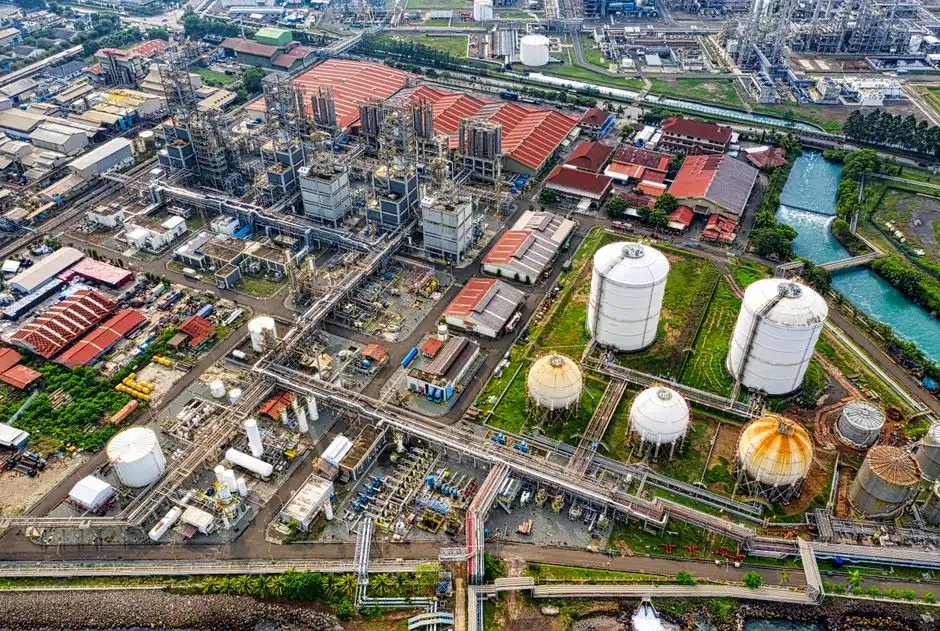
The front of the train carries the most operational risk, because a single slug of CIP chemical or undissolved surfactant concentrate can wipe out biological activity downstream. A continuous-duty rotary bar screen with 1–5 mm aperture is the first defense — it protects feed pumps, mixers, and membranes from rags, plastic caps, and microbead agglomerates. Equalization follows, sized for 8–24 hours of hydraulic retention time to absorb pH swings between 3 and 11 and to smooth batch discharges from CIP skids. DAF is the workhorse for free and emulsified oil, colloidal surfactants, and floating solids; surface-loading ratings for industrial DAF units span roughly 4–300 m³/h depending on model size, and industry-typical oil-and-grease removal lands at 85–95% when chemistry is dialed in.
| Unit | Function | Typical spec / range |
|---|---|---|
| Rotary bar screen | Remove coarse solids, microbead agglomerates | 1–5 mm aperture; continuous duty |
| Equalization tank | Smooth pH, flow, and load swings | 8–24 h HRT; pH 3–11 in → 6–9 out |
| DAF | FOG, surfactant, and colloidal removal | 4–300 m³/h; 85–95% oil & grease removal (industry-typical) |
| Automatic coagulant/polymer dosing | Stabilize TSS, emulsions, and colloids before biology | PAC + polyacrylamide, dose tuned to jar tests |
Automatic coagulant and polymer dosing ahead of DAF is not optional on cosmetic streams — emulsified oils and micellar surfactant solutions will not float without a properly flocculated particle. Skipping the dose controller is the single most common cause of poor DAF performance on personal care lines.
Biological Stage: MBR vs SBR vs Conventional Activated Sludge
The biological step is the largest footprint and CAPEX decision in the train. Three options dominate 2026 cosmetics-plant specifications:
| Option | Footprint | Effluent quality | MLSS tolerance | Operator skill |
|---|---|---|---|---|
| Submerged PVDF MBR (e.g. DF module, 0.1 μm pore) | ~60% smaller than CAS (per MBR product spec) | TSS <1 mg/L, COD <50 mg/L | 8,000–12,000 mg/L | Moderate; PLC-controlled |
| SBR | Moderate; batch reactors | COD 50–80 mg/L, TSS <30 mg/L | 3,000–5,000 mg/L | Moderate; cycle tuning needed |
| Conventional activated sludge (CAS) | Largest; clarifier + aeration basin | COD 80–150 mg/L, TSS 20–50 mg/L | 2,000–4,000 mg/L | Lower; risk of foaming on surfactant spikes |
MBR is preferred when footprint is constrained, influent is highly variable, or downstream RO is in scope (RO feed must be low-TDS, low-SDI, and free of suspended solids). Submerged PVDF MBR modules in the 10–2,000 m³/day range ship as skidded packages and tolerate the high MLSS that suppresses foam — a chronic CAS failure mode on surfactant-rich streams. SBR suits lower-CAPEX sites with steadier flow; the cited SBR OPEX benchmarks put maintenance at $0.05–$0.18/m³, which is the lowest among the three. CAS still appears on legacy plants but is rarely specified new in 2026 for cosmetics effluent because of the foam and bulking risk. For a deeper MBR cost cross-check, the adjacent MBBR OPEX data confirms the $0.06–$0.18/m³ lower bound for attached-growth biology.
Polishing and Reuse: RO, Optional UF, and Disinfection
The polishing train converts MBR permeate into GMP-grade reuse water. Reverse osmosis removes dissolved salts, residual organics, and low-molecular-weight micropollutants that pass through biology; industrial RO systems deliver up to 95% recovery (per the linked product spec), and the concentrate stream is small enough to send to sewer or to a downstream ZLD crystallizer. A multi-media filter ahead of the RO is essential to hit Silt Density Index <3 and protect the membranes from fouling.
Disinfection closes the loop. An on-site ClO₂ generator sized between 50 g/h and 20,000 g/h provides residual disinfection without the THM formation risk of chlorine, and the system is rated compliant with EPA drinking-water practice, the EU Drinking Water Directive 98/83/EC, and WHO Guidelines (per the ClO₂ generator spec). Typical reuse end-uses are CIP rinse water, cooling-tower make-up, boiler feed (with downstream deionization), and landscape irrigation where local rules allow. For plants that do not need salt removal, UF at 0.01–0.05 μm can substitute for RO, but reuse in cosmetics manufacturing almost always requires RO to meet the conductivity and TOC ceilings of the reuse specification.
Sludge and Residuals Management
DAF float and biological waste-activated sludge combine to a typical yield of 0.5–2.5 kg dry solids per cubic meter treated, depending on influent strength and biology. Plants routinely underestimate this stream — a 200 m³/day plant can produce 1–2 tonnes of wet cake per day after dewatering. A plate and frame filter press dewaters the biological sludge to 20–30% DS for off-site disposal, and a high-efficiency sedimentation tank thickens the float before it joins the press feed. The 2026 trend is on-site dewatering: hauling 90% water to a landfill is uneconomic, and on-site pressing cuts transport cost while producing a stackable cake suitable for incineration, composting (if surfactant residue is low), or landfill.
2026 Cost Benchmarks and Supplier Selection Framework
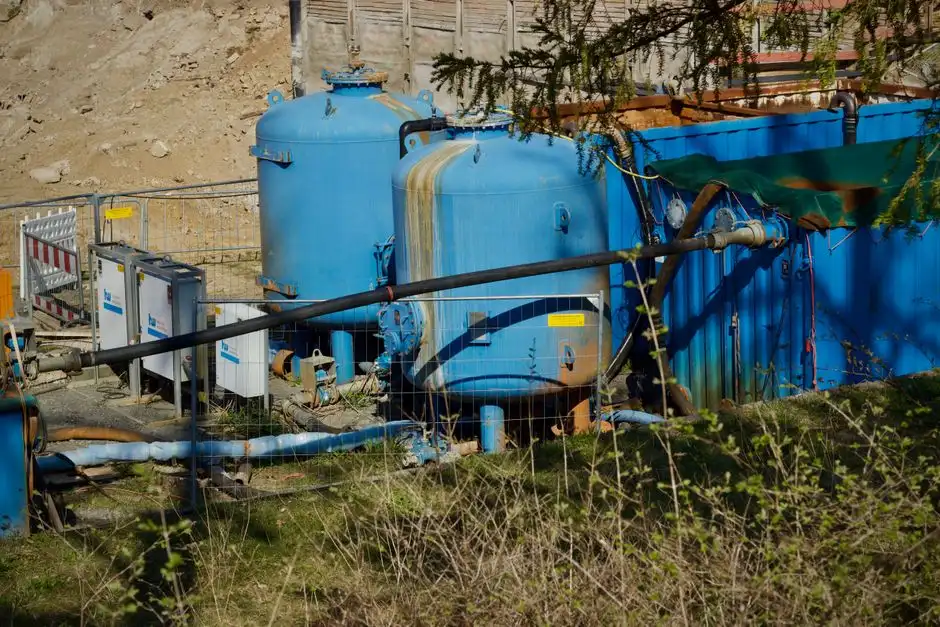
CAPEX for a 2026 cosmetics wastewater recycling system scales with flow and reuse tightness. The bands below are industry-typical 2026 ranges, not binding quotes:
| Tier | Flow | Indicative CAPEX (industry-typical 2026) | OPEX (m³ treated) |
|---|---|---|---|
| Compact / containerized | < 50 m³/day | Low six figures USD | MBR $0.10–$0.30; RO +$0.05–$0.15 |
| Mid-range skid | 50–500 m³/day | Low-to-mid seven figures USD | MBR $0.10–$0.30; RO +$0.05–$0.15 |
| Turnkey EPC | > 500 m³/day | Mid seven figures and up | Lower per-m³ at scale |
OPEX benchmarks track the cited SBR and MBBR ranges ($0.05–$0.18/m³) for biology, with MBR typically $0.10–$0.30/m³ and RO adding $0.05–$0.15/m³. Use the supplier checklist below before signing a PO:
- Influent characterization: supplier asks for COD, FOG, surfactant, and microplastics data, not just flow.
- Reuse target: written guarantee on conductivity, TOC, and microbial counts at the reuse buffer.
- GMP / Ecolabel compliance: equipment build to sanitary piping standards and documentation for ISO 16153 / EU Ecolabel reuse criteria.
- Automation level: PLC with remote telemetry; CIP-recipe control.
- Lifecycle OPEX: membrane replacement schedule, chemical consumption, and energy per m³ all itemized.
- After-sales support: regional service footprint, spare-parts lead time, and on-site commissioning included.
For a deeper treatment of reuse-design philosophy, see our guide to closed loop water system design principles for manufacturing plants. Plants that also face microplastics scrutiny should review current microplastics regulatory trends to size DAF and MBR stages for the right particle cut.
Frequently Asked Questions
What is a cosmetics wastewater recycling system?
An engineered treatment train — typically rotary screen, equalization, DAF, biological (MBR or SBR), and RO — that recovers rinse and process water for reuse in cosmetic manufacturing, targeting 70–90% recovery and effluent COD ≤50 mg/L.
What influent COD should a cosmetics plant expect in 2026?
Typical 2026 influent COD lands between 1,000 and 25,000 mg/L depending on product mix; shampoo and lotion lines sit at the upper end, color cosmetics lower.
How much anionic surfactant can the train remove?
A DAF + MBR + RO train removes more than 99% of anionic surfactants (MBAS), with RO providing the final barrier to meet strict reuse or discharge limits.
MBR or SBR — which is better for cosmetics effluent?
MBR is preferred for variable influent, limited footprint, and downstream RO; SBR suits lower-CAPEX sites with steady flow. MBR is the default 2026 choice for cosmetic plants.
How much does a cosmetics wastewater recycling system cost in 2026?
Industry-typical 2026 CAPEX ranges from low six figures USD for compact systems under 50 m³/day to mid seven figures for turnkey plants above 500 m³/day; OPEX is typically $0.10–$0.30/m³ for MBR plus $0.05–$0.15/m³ for RO.
Can the treated water be reused for CIP and cooling?
Yes. RO + ClO₂ polishing typically meets CIP rinse, cooling-tower make-up, and boiler-feed (with deionization) reuse targets, and complies with GMP, EU Ecolabel, and ISO 16153 frameworks when designed for it.