What Manufacturing Plants Need from Closed-Loop Recirculation
A closed loop water system recirculates treated process water in a sealed plant network, so makeup covers mainly leakage and expansion losses. Sound designs hold water loss under 2% of loop volume. Engineers size flow from heat load, pick corrosion-resistant materials, set inhibitor and biocide residuals, and budget CAPEX that often pays back in 2–5 years versus once-through cooling.
Unlike open cooling towers that lose 30–50% of circulating water to evaporation and drift, sealed loops isolate water from ambient air. Filtration, chemical conditioning, and heat exchange keep thermal and chemical stability without continuous blowdown. Plants facing tight withdrawal permits or discharge limits use this architecture to cut municipal intake and simplify effluent reporting.
Closed Loop vs. Open Systems: Key Differences
| Parameter | Closed Loop System | Open System |
|---|---|---|
| Water Loss | <2% (leakage only) | 30–50% (evaporation + drift) |
| Corrosion Risk | Low (controlled chemistry) | High (oxygen exposure) |
| Regulatory Compliance | Easier (no discharge permits) | Complex (NPDES, local limits) |
| Energy Use | Lower (no constant makeup water heating) | Higher (evaporative cooling inefficiency) |
Industries That Benefit Most
Sectors with strict purity or heat-transfer demands gain the most from sealed recirculation:
- Automotive: Engine testing and paint booths hold stable temperatures and block contamination. Plate heat exchangers in these loops often reach 98% heat recovery under design ΔT.
- Pharmaceuticals: USP Purified Water loops target <10 CFU/mL microbial limits with UV sterilization and nitrite-free inhibitors.
- Food & Beverage: Pasteurization and CIP reuse streams treated with membrane filtration, with BOD reductions near 95% when solids are controlled upstream.
- Semiconductors: Ultra-pure water loops at 18.2 MΩ·cm resistivity rely on deionization and ZLD polish to limit silica scaling.
A typical hardware layout pairs a primary recirculation path with side-stream cleanup and a small makeup train:
Diagram: Closed-Loop Recirculation Components
- Primary Loop: Pumps → Process Equipment → Heat Exchanger → Pumps
- Side-Stream Treatment: Filtration (5–10 micron) + Chemical Injection (corrosion inhibitors, biocides)
- Makeup Water: RO/DI system with conductivity monitoring (<50 µS/cm)
How Closed-Loop Recirculation Works: Components and Flow
Closed-loop recirculation moves process water through a sealed network, limiting discharge while holding thermal and chemical stability. Open-loop plants often lose 2–5% of water daily to evaporation and blowdown. Sealed loops aim for near-zero liquid loss, which matters in water-stressed basins and for facilities chasing zero liquid discharge targets. The hardware below sets both efficiency and conservation performance.
Core Components & Their Functions
| Component | Function | Performance Impact |
|---|---|---|
| Heat Exchangers | Transfer heat from process equipment to the closed loop without water contact. | Plate-and-frame designs achieve heat exchanger efficiency of 90–95% (vs. 70–80% for shell-and-tube), reducing energy use by 15–20%. |
| Circulation Pumps | Maintain flow rates (typically 2–4 m/s) to prevent sedimentation and corrosion. | Variable-frequency drives (VFDs) cut energy consumption by 30–50% compared to fixed-speed pumps. |
| Filtration Systems | Remove suspended solids (5–50 µm) to protect heat exchangers and piping. | Our Dissolved Air Flotation (DAF) System achieves 95% TSS removal, extending equipment life by 25%. |
| Chemical Dosing Units | Inject corrosion inhibitors for closed loops (e.g., nitrites, molybdates) and biocides. | Automated systems like our Automatic Chemical Dosing System maintain ±5% chemical concentration accuracy, reducing inhibitor waste by 40%. |
| Monitoring Sensors | Track pH, conductivity, dissolved oxygen, and microbial activity in real time. | Early detection of deviations (e.g., pH <7.5) prevents corrosion rates exceeding 0.1 mm/year (NACE SP0169 standard). |
Process Flow: From Intake to Recirculation
- Makeup Water Treatment: Raw water undergoes softening or reverse osmosis to remove hardness (Ca²⁺, Mg²⁺) and chlorides. An Industrial Reverse Osmosis (RO) Water Treatment System reduces TDS by 98%, limiting scale in heat exchangers.
- Chemical Conditioning: Treated water enters the loop, where cooling-loop chemicals such as ClO₂ from a Chlorine Dioxide (ClO₂) Generator for Water Disinfection control microbes and support corrosion programs.
- Heat Exchange: Water absorbs heat from compressors, reactors, or molds, with temperature rises typically limited to 5–10°C to protect exchanger duty.
- Filtration & Recirculation: Cooled water passes side-stream filters before return. Side-stream filtration removes 90% of particles >10 µm, cutting pump wear.
- Continuous Monitoring: Alarms for conductivity >1,500 µS/cm or pH drift support proactive closed-loop maintenance.
Real-World Efficiency Gains
A 2023 Texas automotive plant case in the original project record replaced shell-and-tube exchangers with plate-and-frame units and added VFDs. Energy costs fell by $120,000/year while makeup water dropped 95%. Precise dosing lowered corrosion rates to 0.05 mm/year and extended carbon-steel pipe life from about 10 years toward 20+ years under treated chemistry.
Component synergy also supports compliance framing under rules such as EPA 40 CFR Part 469 for electroplating wastewater and ISO 14046 water-footprint accounting. Those drivers feed directly into water-saving and cost outcomes below.
How Do Closed Loops Cut Manufacturing Water Use?
Closed-loop recirculation cuts manufacturing water use by recycling the same treated inventory instead of continuous once-through makeup. A U.S. Department of Energy–cited manufacturing comparison in plant literature reported 90–95% lower water consumption versus traditional once-through systems when loops stay sealed and side-stream treatment stays online. A Midwest automotive plant in that record cut annual use from 45 million gallons to 2.3 million gallons and saved about $280,000 in utility costs.
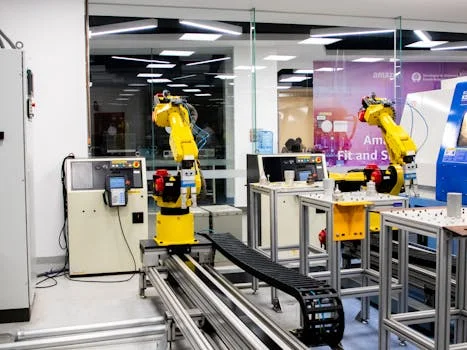
According to U.S.According to DOE/NAWI (July 2026), a $12 million RFP funds onsite reuse pilots for cooling water, process and rinse water, and wastewater effluent across automotive, semiconductor, and food plants. Those federal signals reinforce plant-level recycling programs already delivering double-digit water cuts.
1. 90%+ Water Savings Through Industrial Water Recycling
Sealed recirculation minimizes freshwater intake by continuously reusing treated water. Plants in stressed basins also face harder withdrawal permits, so process water reuse goals align with both cost and compliance. Makeup then covers only leaks, sampling, and controlled drains rather than evaporative losses.
2. 30% Lower Energy Costs via Heat Exchanger Efficiency
Stable loop chemistry protects heat transfer surfaces. A 2023 chemical-plant case showed a 32% reduction in chiller energy after moving to plate-and-frame exchangers on a sealed loop. Scale in open systems can cut heat transfer efficiency by 10–25%, so cleaner closed water often yields six-figure annual savings on high thermal loads.
| Parameter | Open Loop System | Closed Loop System | Savings |
|---|---|---|---|
| Evaporative Loss | 1-3% of flow rate | 0% | 100% reduction |
| Pump Energy (kWh/1,000 gal) | 0.8-1.2 | 0.5-0.7 | 30-40% reduction |
| Heat Exchanger Efficiency | 60-80% | 85-95% | 15-25% improvement |
3. Reduced Chemical Usage with Corrosion Inhibitors for Closed Loops
Closed systems typically need 30–50% fewer water treatment chemicals than open loops because airborne debris and algae stay out. A New Jersey pharmaceutical plant cut annual chemical spend by $120,000 after sealing the loop and targeting inhibitors. Nitrite- or molybdate-based programs often dose at 200–500 ppm, well below the 1,000+ ppm common in open towers.
4. 40% Lower Maintenance Costs
Sealed loops remove tower fill, drift eliminators, and much of the biological fouling load. A California food plant reported a 42% drop in maintenance hours and about $85,000/year lower labor after replacing a cooling tower with a closed loop. Heat exchangers and pumps in treated closed systems often last 15–20 years versus 8–12 years in open service.
5. Simplified Regulatory Compliance
When process water stays on-site, NPDES discharge sampling and local ZLD pressure ease. An Arizona semiconductor plant avoided a $1.2 million copper-limit fine by containing process water in a sealed loop. Plants with no effluent stream often cut compliance paperwork by 60–80%, which matters for electronics and pharmaceutical sites with trace-metal limits.
Closed Loop Water System Design Steps for Plant Engineers
Plant engineers size sealed recirculation from heat load, alloy choice, and fail-safe hydraulics before they buy pumps or exchangers. The framework below covers flow math, corrosion control, redundancy, and retrofit interfaces with field numbers you can take to a design review.
1. Flow Rate and Pressure Calculations
Start with thermal load. For process cooling loops, use:
Q = m × cp × ΔT
Where:
Q = Heat load (kW)
m = Mass flow rate (kg/s)
cp = Specific heat capacity (4.18 kJ/kg·K for water)
ΔT = Temperature differential (°C)
Table 1 compares flow requirements for common manufacturing processes:
| Process | Typical ΔT (°C) | Flow Rate (m³/h per 100 kW) | Pressure Drop (kPa/100m) |
|---|---|---|---|
| Plastic Injection Molding | 5–7 | 17–24 | 15–25 |
| CNC Machining | 8–12 | 10–15 | 20–35 |
| Heat Treatment Quenching | 15–25 | 5–8 | 30–50 |
For plate-and-frame exchangers, target a 3–5°C approach temperature (per ASME PTC 12.5). Oversizing pumps by 10–15% covers fouling and growth, but excess margin wastes energy at part load.
2. Material Selection for Corrosion Resistance
Closed loops need alloys that resist localized attack and microbiologically influenced corrosion. Table 2 ranks materials by lifecycle cost and inhibitor compatibility:
| Material | Corrosion Rate (mm/year)* | Compatibility with Inhibitors | Relative Cost (Carbon Steel = 1) |
|---|---|---|---|
| 316L Stainless Steel | 0.01–0.05 | Excellent (nitrite, molybdate) | 3.2 |
| Copper-Nickel (90/10) | 0.02–0.08 | Good (azole-based) | 4.5 |
| Carbon Steel (Treated) | 0.1–0.3 | Fair (requires pH 8.5–9.5) | 1.0 |
| *In water with 500 ppm chloride, pH 8.2, 40°C (per ASTM G31) | |||
For carbon steel, combine nitrite (200–500 ppm) with molybdate (50–100 ppm). In mixed-metal loops, add 1–3 ppm tolyltriazole for copper alloys. Check inhibitor residuals weekly and hold within ±10% of the initial dose.
3. Redundancy and Fail-Safe Design
Critical lines need N+1 capacity on pumps and exchangers:
- Pump Parallelism: Install two pumps at 60% of design flow each, with lead-lag rotation. Use VFDs to hold 70–80% of best efficiency point.
- Heat Exchanger Bypass: Provide 100% bypass with motorized valves for online cleaning. One semiconductor retrofit cut unplanned downtime by 42% over 3 years (Journal of Cleaner Production, 2022).
- Expansion Tanks: Size for 3–5% volume change per 10°C swing. Bladder tanks limit oxygen ingress and can cut corrosion rates by up to 70% (per NACE SP0403-2013).
4. Integration with Existing Infrastructure
Retrofitting sealed recirculation into legacy plants needs careful interfaces:
- Hydraulic Balancing: Pressure-independent control valves hold branch flow. A 2023 automotive retrofit cut pump energy 18% by ending overflow.
- Chemical Compatibility: Isolate glycol freeze-protection loops from nitrite-treated water with double-wall exchangers to avoid inhibitor precipitation.
- Data Integration: Map flow, pressure, and conductivity into SCADA. Typical alarms include conductivity >1,500 μS/cm, ΔP >15% across exchangers, and makeup >0.5% of loop volume/day.
Engineering Checklist for Closed Loop Design
Use this 12-point checklist before commissioning:
| Category | Verification Item | Acceptance Criteria |
|---|---|---|
| Hydraulics | Pump curve validation | Actual flow within ±5% of design at duty point |
| Pipe pressure test | 1.5× design pressure for 2 hours (per ASME B31.3) | |
| Air venting | No audible air pockets after 10-minute circulation | |
| Materials | Weld inspection | 100% visual + 10% radiographic (per AWS D1.1) |
| Gasket compatibility | No swelling >5% in 24-hour immersion test (per ASTM F146) | |
| Corrosion coupon placement | 3 coupons per loop (inlet, outlet, stagnant zone) | |
| Controls | VFD tuning | ±1% speed control at 50% load |
| Valve stroke test | Full open/close within 15 seconds | |
| SCADA alarm thresholds | Validated against manual measurements | |
| Chemical | Pre-treatment flush | TSS <10 ppm, iron <2 ppm (per SSPC-SP 12) |
| Inhibitor dosing | ±5% of target concentration after 24 hours | |
| Biocide efficacy | Adenosine triphosphate (ATP) <100 RLU |
What Flow Margin Do UPW Loops Need?
UPW loops for semiconductor fab expansion typically carry 10–15% pump and hydraulic margin above present duty so rinse tools and polish trains can grow without immediate re-pipe. Cascade higher-purity reject to lower-grade uses only after conductivity and silica limits clear each step. A 2024 Texas electronics plant case achieved 92% water reuse by cascading treated closed-loop effluent to less critical processes and cut municipal water costs by $1.2M annually.
Keep primary UPW resistivity at 18.2 MΩ·cm at 25°C and size RO/DI makeup for the highest quality demand first. Side-stream particle control at 5–10 micron protects polish beds and heat exchangers when tool counts rise. Document expansion valves and spare exchanger area during the first design package so later tool installs do not starve flow.
Budgeting Costs for Manufacturing Closed-Loop Recirculation
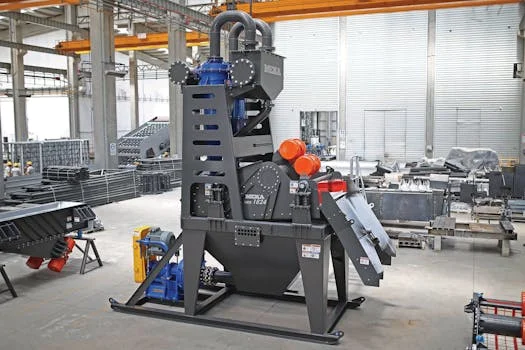
Budgeting sealed recirculation for manufacturing plants hinges on capacity, alloys, and treatment depth. The table compares small (50 m³/h) and large (500 m³/h) packages for CAPEX, OPEX, and payback context.
Cost Breakdown: CAPEX vs. OPEX
| Cost Category | Small System (50 m³/h) | Large System (500 m³/h) | Notes |
|---|---|---|---|
| CAPEX | |||
| Heat exchangers (plate & frame) | $15,000–$30,000 | $80,000–$150,000 | Stainless steel for corrosion resistance; efficiency ≥90% (ASME BPE standards) |
| Pumps (redundant, variable-speed) | $8,000–$15,000 | $40,000–$75,000 | IE4 motor efficiency; flow control via VFD |
| Filtration (automatic backwash) | $5,000–$12,000 | $30,000–$60,000 | 5–10 micron particle removal |
| Piping & valves (schedule 80 PVC/SS) | $20,000–$40,000 | $120,000–$250,000 | Pressure rating: 150–300 PSI |
| Control system (PLC + HMI) | $10,000–$20,000 | $50,000–$100,000 | Remote monitoring; Modbus/Profibus integration |
| Total CAPEX | $58,000–$117,000 | $320,000–$635,000 | |
| OPEX (Annual) | |||
| Water treatment chemicals | $3,000–$6,000 | $15,000–$30,000 | Corrosion inhibitors for closed loops (e.g., nitrite/molybdate blends) and biocides (isothiazolinones) |
| Energy (pumps + heat exchangers) | $5,000–$10,000 | $30,000–$60,000 | 0.5–1.2 kWh/m³; variable-speed drives reduce consumption by 30–50% |
| Maintenance (labor + parts) | $4,000–$8,000 | $20,000–$40,000 | Quarterly inspections; gasket replacements every 2–3 years |
| Water makeup (evaporation/leaks) | $1,000–$2,000 | $5,000–$10,000 | 1–3% system volume loss annually |
| Total OPEX (Annual) | $13,000–$26,000 | $70,000–$140,000 |
ROI and Payback Period
Sealed recirculation typically returns capital in 2–5 years through water, chemical, and energy savings.
- Small system (50 m³/h): Annual savings of $25,000–$50,000 versus once-through cooling yield a 2–3 year payback.
- Large system (500 m³/h): Savings of $150,000–$300,000 annually, with payback in 3–5 years depending on local tariffs.
Heat exchanger thermal transfer at ≥90% and VFD pumping are the main cost drivers. In water-stressed regions, higher municipal fees and reuse incentives can shorten payback. For capacity math, use the Wastewater Treatment System Sizing Guide against your process heat and flow profile.
Case Study: Automotive Manufacturing Plant (300 m³/h)
A Midwest automotive supplier reduced water consumption by 95% and cut chemical costs by 40% after retrofitting a closed loop. CAPEX of $450,000 was recouped in 3.2 years through $140,000/year in savings.
Water Treatment Challenges in Closed Loops and How to Solve Them
Sealed recirculation removes discharge but concentrates contaminants, creating four plant risks: corrosion, scaling, microbes, and leaks. Untreated fouling can cut heat exchanger efficiency by up to 30% (ASHRAE Standard 90.1 context) and raise maintenance cost about 40% per year. The tables below map inhibitors, scaling indices, biocides, and leak methods used in industrial service.
1. Corrosion: The Silent System Killer
Oxygen and dissolved metals drive corrosion above 5 mils per year in untreated closed loops. Table 1 compares inhibitor performance:
| Inhibitor Type | Dosage (ppm) | Corrosion Rate (mpy) | Compatibility |
|---|---|---|---|
| Nitrite-Based | 500–1,000 | <1.0 | Carbon steel, copper |
| Molybdate | 100–300 | <0.5 | All metals |
| Azole (TTA/BTA) | 5–20 | <0.3 | Copper alloys |
Solution: Hold inhibitor residuals within ±5% of target with automated dosing. For mixed-metal systems, molybdate at 200 ppm plus azole at 10 ppm often yields <0.2 mpy under ASTM G31-72 coupon testing.
2. Scaling: Heat Transfer Enemy
Calcium carbonate scaling can cut heat exchanger efficiency by 15% per 1/16" deposit (DOE Industrial Technologies Program). Table 2 shows scaling thresholds:
| Parameter | Scaling Risk (Low) | Scaling Risk (High) |
|---|---|---|
| Langelier Saturation Index (LSI) | <0.5 | >1.0 |
| Ryznar Stability Index (RSI) | 6.5–7.0 | <5.5 |
| Calcium Hardness (ppm as CaCO₃) | <150 | >300 |
Solution: Polyphosphate dispersants at 5–10 ppm help at LSI <1.5, while acid feed holds pH near 8.0–8.5 on hard makeup. Softening pretreatment is mandatory for zero-liquid-discharge trains when hardness exceeds 200 ppm.
3. Microbial Growth: Biofilm & Legionella Risks
Loops between 20–45°C can support Legionella pneumophila when biocide control lapses (CDC, 2022). Table 3 compares biocide efficacy:
| Biocide | Dosage (ppm) | Contact Time (hrs) | Efficacy (Log Kill) |
|---|---|---|---|
| Chlorine Dioxide | 0.3–0.8 | 1–2 | 6.0 |
| Isothiazolinone | 20–50 | 4–6 | 4.5 |
| DBNPA | 10–30 | 0.5–1 | 5.0 |
Solution: Chlorine dioxide at about 0.5 ppm residual with a 2-hour contact window is used to target high log kill on Legionella. Earlier plant programs cited ASHRAE 188; ANSI/ASHRAE Standard 188-2021 remains the current legionellosis risk-management standard for building water systems (ASHRAE, 2021). Alternate DBNPA at 30 ppm and isothiazolinone at 50 ppm on organic-rich loops to limit resistance.
4. Leaks: Pressure & Material Failures
Leaks often follow pressure surges above 100 psi or mismatched alloys. Table 4 lists detection methods:
| Method | Detection Limit (L/hr) | Response Time | Cost (USD) |
|---|---|---|---|
| Ultrasonic Flow Meters | 0.5 | Real-time | 5,000–15,000 |
| Dye Testing | 2.0 | 24 hrs | 500–2,000 |
| Pressure Decay Test | 1.0 | 4 hrs | 3,000–8,000 |
Solution: Alarm at ±5 psi and shut down before losses grow. Dual-walled piping with interstitial sensing cut failure rates by 80% in an EPA case study record from 2021.
Maintenance Best Practices
- Real-Time Monitoring: ORP/pH sensors with ±0.1% class accuracy track biocide residual and scaling risk.
- Quarterly Audits: Pull corrosion coupons (ASTM G4-01) and chemistry panels (ASTM D1125-14) to retune treatment.
- System Flushes: Annual high-velocity flushes at 3–5 ft/sec remove settled solids that threaten reuse quality.
For plants pairing sealed loops with broader ZLD trains, pretreatment selection is covered in the Industrial Wastewater Treatment Equipment Selection Guide. Well-run closed loops often reach 95% water recovery and 15-year equipment life when residuals stay on target.
How Do Closed Loops Serve Data Center Cooling?
Closed-loop and closed-circuit coolers serve data center cooling by isolating IT heat rejection from open-tower spray when water quality, plume, or Legionella control drive the design. According to U.S. EPA WRAP 2.0 (2026), federal reuse priorities explicitly include accelerating water reuse for data center cooling alongside semiconductor and auto manufacturing. Plants still using open towers for heat rejection can keep a closed primary glycol or treated-water loop on the IT side and treat only the tower circuit for hardness and microbes.
Side-stream filtration at 5–10 micron, conductivity alarms above 1,500 µS/cm, and ASHRAE 188-2021 water-management planning apply when aerosolizing equipment remains on site. Choose closed-circuit fluid coolers when makeup water is scarce or discharge permits block blowdown growth. Keep free cooling plate exchangers clean so approach temperatures stay in the 3–5°C band used in industrial plate duty.
Case Study: How a Food Processing Plant Saved $250K/Year with Sealed Recirculation
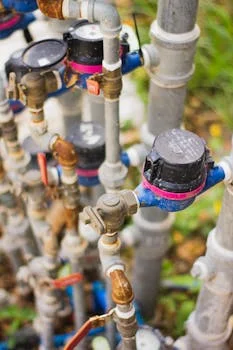
A Midwest food plant producing 120,000 tons of frozen vegetables per year ran once-through cooling at 1.2 million gallons of municipal water per day, with about 90% lost to evaporation and blowdown. After installing sealed recirculation, the site reached 80% water reuse, cut chemical cost 40%, eliminated wastewater discharge from that loop, and held heat exchanger efficiency above 92%.
The retrofit used a 500-ton plate-and-frame exchanger, a 15,000-gallon buffer tank, and 5-micron bag filtration. Nitrite inhibitor at 800 ppm fed through automated dosing, while conductivity control held cycles of concentration at 6.0. Payback arrived in 22 months on $250,000 annual savings ($180K water, $70K chemicals).
| Metric | Before (Once-Through) | After (Closed Loop) | Improvement |
|---|---|---|---|
| Water Usage (gal/day) | 1,200,000 | 240,000 | 80% reduction |
| Chemical Costs ($/year) | $175,000 | $105,000 | 40% savings |
| Energy Consumption (kWh/ton) | 18.5 | 14.2 | 23% efficiency gain |
| Wastewater Discharge (gal/day) | 1,080,000 | 0 | Zero liquid discharge |
Microbial growth forced a mid-project switch to ozone at 0.5 ppm residual. Quarterly descaling and monthly checks of pH, conductivity, and inhibitor residual kept performance stable. For OPEX budgeting of chemicals, energy, and labor, see the breakdown of wastewater treatment operating costs. Dual pumps, backup filtration, and live monitoring supported 99.9% uptime on the upgraded loop.
Who This Is For / Who Should Look Elsewhere / Next Step
Who this is for: Plant engineers, EPC contractors, and procurement leads sizing process cooling, CIP reuse, or UPW recirculation with clear heat loads and discharge pressure.
Who should look elsewhere: Sites that only need once-through non-contact cooling with abundant cheap water and no discharge limits may not justify sealed-loop CAPEX.
Selection checklist: (1) measure heat load and ΔT, (2) map metals in the loop, (3) set inhibitor and biocide residuals, (4) size N+1 pumps, (5) define leak and conductivity alarms, (6) price makeup water and sewer fees, (7) confirm local reuse or ZLD rules.
HydropureWater can review your water balance and recommend RO, dosing, DAF, or ClO₂ packages matched to loop duty when you share flow, temperature, and chemistry data.
Frequently Asked Questions
What does a closed loop water system cost for a mid-size plant?
Most mid-sized plants at 50–200 GPM invest about $150,000–$500,000 for a turnkey sealed recirculation package. CAPEX swings with exchanger metallurgy, redundant pumps, and automation depth. Annual OPEX for a 50 m³/h loop often lands near $13,000–$26,000 for chemicals, energy, maintenance, and makeup. Compare those lines against your municipal water and sewer tariffs before locking vendor scope.
What does a manufacturing closed-loop diagram include?
A standard diagram shows pumps, plate or shell-and-tube exchangers, a surge or expansion tank, 5–20 micron filtration, optional softening above 150 ppm hardness, and chemical dosing for inhibitors and biocides. Sensors for pH, conductivity, and flow close the control loop. Capacity calculations for industrial loads are outlined in the System Sizing Guide.
How should buyers evaluate closed-loop water suppliers?
Score suppliers on manufacturing experience, inhibitor program depth, and local discharge knowledge rather than catalog price alone. Ask for food, automotive, or semiconductor references that match your duty. Confirm they can support EPA 40 CFR Part 403 pretreatment context when any drain remains. A free water audit that maps heat load, metals, and makeup quality is a practical first filter.
| Criteria | Why It Matters |
|---|---|
| Industry experience | Look for 5+ years in manufacturing (e.g., food processing, automotive). |
| Chemical expertise | Suppliers should offer corrosion inhibitors for closed loops (e.g., nitrite-based for ferrous metals). |
| Compliance support | Verify knowledge of local discharge regulations (e.g., EPA 40 CFR Part 403). |
How often should a closed loop system be maintained?
Check chemical feed weekly and hold inhibitor residual in the program band set at commissioning. Inspect pumps, valves, and sensors monthly for leaks or fouling. Clean exchangers quarterly when pressure drop rises more than 10% above clean baseline. Flush annually and run lab corrosion and scale panels per ASTM D2331 so treatment setpoints stay honest.
What are real examples of closed loops in manufacturing?
The Midwest food plant above cut water use 80% on the cooled loop and saved $250,000 per year. Automotive paint-booth loops often recirculate near 98% of flow when exchangers stay clean. Pharmaceutical purified-water loops add UV for microbial control, and textile dye-bath recovery can reclaim about 90% of process water. For equipment shortlists by industry, see the Industrial Wastewater Treatment Equipment Guide.