Why Lusaka Needs Containerized and Packaged Sewage Treatment in 2026
Lusaka's wastewater procurement market is active and well-funded: Wabag secured a €78 million (~$82 million) contract from the Lusaka Water Supply and Sanitation Company (LWSC) in 2024 to develop wastewater treatment plants, confirming that municipal buyers in Zambia are placing real orders, not just running pilots. The city's population is approximately 3.6 million in 2026, with peri-urban compounds (Chilenje, Matero, Mtendere) growing 4–6% annually and generating sewage loads that exceed the LWSC trunk network's reach, opening a structural gap for decentralized package plants and containerized MBR systems.
Most top-ranking results for this query miss Lusaka entirely. Sapphire Environmental Ltd. is a UK service firm maintaining British septic tanks; the WAMGROUP TSB 4 and EMO MCU listings on DirectIndustry are European B2B catalog pages with no African distribution or commissioning footprint. A Lusaka buyer who treats those pages as a supplier shortlist wastes weeks on RFQs that never get quoted. The relevant supplier universe in 2026 splits into three buyer segments: LWSC municipal tenders, private developers (residential estates, shopping malls, hospitals in Lusaka East and along the Leopards Hill Road corridor), and industrial facilities (mining camps, Zambian Breweries expansions, food processors) that must each meet ZEMA discharge limits independently of municipal sewer access.
ZEMA Effluent Discharge Limits and the Lusaka Influent Envelope
ZEMA's effluent schedule for discharge to water bodies and municipal sewers in Zambia caps BOD at 30 mg/L, COD at 60 mg/L, TSS at 50 mg/L, and fecal coliform at 10 CFU/100 mL; the agency also tracks NH₃-N, total phosphorus, and oil & grease, with site-specific limits written into each Environmental Impact Assessment. Every supplier quote should be benchmarked against these numbers before price is discussed, because a cheaper plant that delivers 60 mg/L BOD fails compliance and forces a redesign.
Typical Lusaka domestic sewage runs much stronger than the dilute Western influents that European datasheets assume. Raw sewage from residential compounds commonly measures BOD 200–400 mg/L, COD 400–800 mg/L, TSS 250–500 mg/L, and NH₃-N 20–40 mg/L at pH 6.5–7.8, while industrial contributors (Leather Industries of Zambia, Zambian Breweries' Lusaka plant, mining camp kitchens and laundries) push chromium, salinity, and nitrogen spikes during shift changes and CIP cycles. A mixed-use site must include equalization of 8–12 hours' flow before biological treatment, and a 90–95% BOD removal target is mandatory for any compliance-bound discharge, which rules out septic-tank-only or basic fixed-film options. For a 200 m³/day facility targeting 95% BOD removal on a 300 mg/L influent, a containerized MBR wastewater treatment system is the shortest path to a guaranteed compliant effluent.
| Parameter | ZEMA Discharge Limit (to water/ sewer) | Typical Lusaka Raw Sewage | Removal Required |
|---|---|---|---|
| BOD | ≤ 30 mg/L | 200–400 mg/L | 92–93% |
| COD | ≤ 60 mg/L | 400–800 mg/L | 92–95% |
| TSS | ≤ 50 mg/L | 250–500 mg/L | 90–95% |
| NH₃-N | ≤ 10 mg/L (site-specific) | 20–40 mg/L | 75–95% |
| Fecal coliform | ≤ 10 CFU/100 mL | 10⁶–10⁸ CFU/100 mL | 6-log kill |
| pH | 6.0–9.0 | 6.5–7.8 | Neutralization only |
Process Options That Work for Lusaka: MBR, A/O Package Plants, and SBR
Three process trains consistently deliver ZEMA-compliant effluent in Lusaka conditions, and the right pick depends on capacity, footprint, and operator skill rather than on brand preference. MBR systems use submerged PVDF membranes at 0.1 μm nominal pore size and produce effluent BOD under 5 mg/L with TSS under 1 mg/L, comfortably inside ZEMA's 30/50 mg/L envelope, while running at 0.4–0.6 kWh/m³; the trade-off is membrane replacement every 5–7 years and a need for a trained operator to run backwash cycles.
The A/O underground package sewage treatment plant combines anoxic and aerobic contact oxidation in a buried tank, handles 1–80 m³/h with no daily operator requirement, and delivers effluent BOD at or below 20 mg/L, which is why it has become the workhorse for residential estates and small municipal satellites across Zambia. SBR systems run a fill-react-settle-decant cycle in a single tank, accept variable influent from brewery or food-processing waste without equalization tanks, and outprice MBR at capacities above 200 m³/day, but they need 1–3 trained operators and a larger plot. The default Lusaka shortlist: MBR for sites under 500 m³/day with tight footprints or reuse targets, WSZ for 50–500 m³/day standard municipal work, SBR for 500 m³/day and above or for industrial-strength influent with shift-driven load swings. Membrane modules and replacement cassettes are documented in the MBR membrane bioreactor module specification.
| Process | Capacity Range | Effluent BOD | Footprint | Energy | Best For |
|---|---|---|---|---|---|
| MBR (submerged PVDF) | 10–500 m³/day | < 5 mg/L | ~60% of CAS | 0.4–0.6 kWh/m³ | Reuse, tight sites, < 500 m³/day |
| A/O WSZ underground | 50–500 m³/day | ≤ 20 mg/L | Buried, no surface | 0.25–0.35 kWh/m³ | Residential estates, no on-site operator |
| SBR | 200–5,000 m³/day | ≤ 20 mg/L | Larger than MBR | 0.3–0.45 kWh/m³ | Industrial-strength, variable influent |
Lusaka Sewage Treatment Plant Supplier Shortlist: 2026 Comparison
European EPCs (Wabag, Veolia, SUEZ) carry the strongest municipal track record on the continent, with Wabag's own $82M LWSC award in 2024 as the headline reference; turnkey pricing runs $50,000–$150,000 per 100 m³/day with 9–14 month lead times and full commissioning included, which suits risk-averse LWSC tenders but stretches private developer budgets. Indian OEMs (Thermax, Ion Exchange, Bionics) maintain strong East and Southern African footprints with $25,000–$70,000 per 100 m³/day pricing and 4–6 month delivery, most often routed through Mombasa or Dar es Salaam.
Chinese OEMs ship containerized MBR and WSZ package plants at $8,000–$45,000 FOB for 10–500 m³/day units, with 6–10 week build cycles, sea freight to Durban (28 days) or Dar es Salaam (22 days), and road transit to Lusaka. Local Lusaka system integrators handle 10–50 m³/day containerized units at $20,000–$40,000 installed, but they rarely offer process guarantees beyond basic settling, so they fit only low-risk applications. Selection criteria beyond unit price: ZEMA documentation support and stamped drawings, on-site commissioning engineer availability within 2 weeks of arrival, and a 2-year warranty with critical spares already landed in Lusaka. For headworks on a Chinese-built MBR line, the rotary mechanical bar screen for headworks is a standard pre-treatment item, and tertiary solids handling is commonly paired with a dissolved air flotation unit when sludge thickening is needed.
| Supplier Category | Price (per 100 m³/day) | Lead Time | Port of Entry | Commissioning | Best Fit |
|---|---|---|---|---|---|
| European EPCs (Wabag, Veolia) | $50,000–$150,000 turnkey | 9–14 months | Durban / Dar es Salaam | Included | LWSC municipal tenders |
| Indian OEMs (Thermax, Ion Exchange) | $25,000–$70,000 | 4–6 months | Mombasa / Dar es Salaam | Engineer on site | Mid-size private projects |
| Chinese OEMs (HydropureWater, peers) | $8,000–$45,000 FOB | 6–10 weeks build | Durban / Dar es Salaam | Optional, $300–$500/day | 50–500 m³/day private/industrial |
| Lusaka local integrators | $20,000–$40,000 installed | 3–5 months | Inland | Owner-led | 10–50 m³/day, basic duty |
Shipping, Installation, and Commissioning Logistics from China to Lusaka
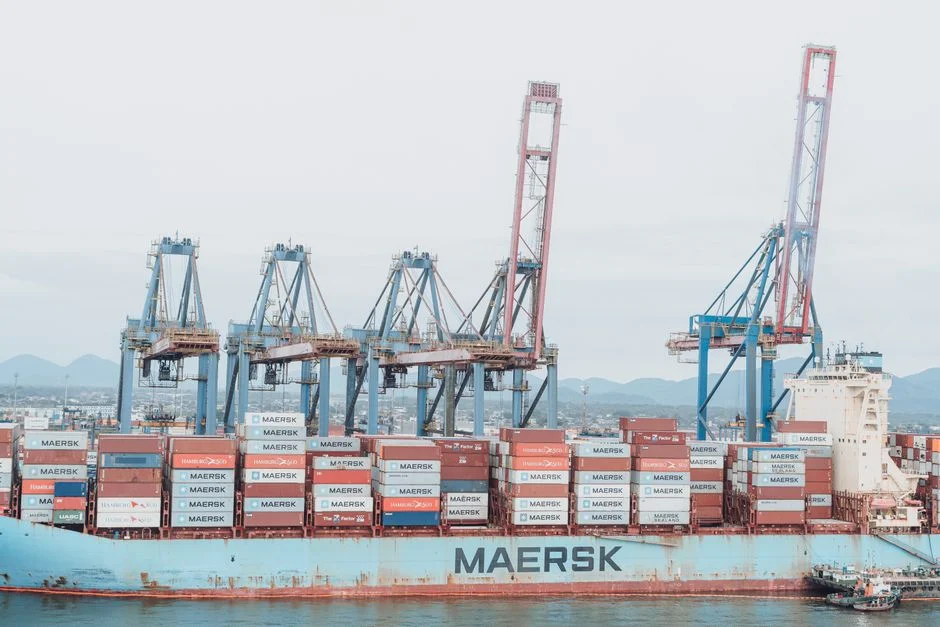
Sea freight is the default lane: a 40ft high-cube container from Shanghai or Ningbo to Durban runs 28 days at $3,500–$5,500, while Dar es Salaam takes 22 days at $4,000–$6,000; road transit from Dar es Salaam to Lusaka covers 1,800 km and Durban to Lusaka covers 2,400 km, at $4,000–$7,000 per truck depending on fuel surcharges and border delays at Chirundu or Kazungula. Incoterms reality on Chinese OEM quotes: FOB is the starting point, CIF Durban adds 8–10%, and DAP Lusaka adds 12–15% but eliminates customs friction for first-time buyers, which is why DAP is the recommended default.
Zambia customs apply a 25% import duty on water treatment equipment plus 16% VAT, but the Zambia Development Agency grants duty exemptions for projects in priority sectors (mining, manufacturing, healthcare, large-scale housing), and a ZDA investment licence typically cuts the landed cost by 18–25%. Commissioning on a Chinese OEM contract sends 1–2 engineers for 10–21 days at $300–$500/day plus economy flights; budget $15,000–$25,000 for a 200 m³/day MBR commissioning in Lusaka, including the on-site effluent testing that ZEMA inspectors expect. A 2-year critical spares kit (membrane modules, diffusers, dosing pumps, sensors) adds 5–8% to equipment cost and should be bundled into the purchase order rather than procured ad hoc. Disinfection is typically finalized on site with a chemical dosing system for chlorine or coagulant feed.
Worked Cost Example: 200 m³/day Hospital + Mixed-Use Project in Lusaka
Project profile: a private hospital with 80 beds plus a 200-unit staff residential block in Lusaka, total flow 200 m³/day, raw BOD 300 mg/L, discharge to the LWSC sewer with ZEMA limits as the binding backup standard. The recommended process train is a rotary bar screen, an 8-hour equalization tank, a submerged PVDF MBR at 0.1 μm, and UV or chlorine dioxide disinfection, with the equipment skid priced at $38,000–$52,000 FOB.
Total installed cost covering civil works, piping, electrical, the dosing skid, commissioning, and a 2-year spares kit lands in the $180,000–$240,000 range. OPEX, including power, chemicals, and membrane maintenance, runs $0.08–$0.12 per cubic meter, or roughly $5,800–$8,800 per year at 200 m³/day and 90% uptime. For a site currently paying $15/m³ for tanker haulage, the payback window is 18–24 months, which is the strongest single number to put in front of a Lusaka board. For sludge dewatering generated by this plant, a plate-frame filter press is the standard pairing, and final effluent polishing uses a chlorine dioxide disinfection system to meet the fecal coliform 10 CFU/100 mL target.
Frequently Asked Questions
What is the typical capital cost of a 200 m³/day sewage treatment plant in Lusaka in 2026?
Equipment FOB runs $38,000–$52,000 for an MBR skid; total installed cost including civil, electrical, commissioning, and 2-year spares lands at $180,000–$240,000 (HydropureWater field data, 2026).
Which process is best for a 100 m³/day residential estate in Lusaka?
An A/O underground package sewage treatment plant in the 50–500 m³/day range delivers BOD ≤ 20 mg/L with no daily operator and a buried footprint suited to estate landscaping.
What are the ZEMA discharge limits for BOD, COD, and TSS in 2026?
ZEMA caps BOD at 30 mg/L, COD at 60 mg/L, and TSS at 50 mg/L for discharge to water or municipal sewer, with fecal coliform at 10 CFU/100 mL (per Zambia Environmental Management Agency licensing regulations).
How long does sea freight from China to Lusaka take in 2026?
Shanghai to Durban is 28 days, Dar es Salaam is 22 days, plus 7–10 days road transit to Lusaka; DAP Lusaka incoterm removes customs friction for first-time importers.
What influent BOD does Lusaka domestic sewage typically have?
Lusaka raw domestic sewage runs BOD 200–400 mg/L and TSS 250–500 mg/L, with NH₃-N 20–40 mg/L at pH 6.5–7.8, so any compliant plant must deliver 90–95% BOD removal.
Can a Chinese OEM commission a sewage plant on site in Lusaka?
Yes, Chinese OEMs typically send 1–2 engineers for 10–21 days at $300–$500/day plus flights; budget $15,000–$25,000 for a 200 m³/day MBR commissioning in Lusaka, including ZEMA-ready performance testing. For deeper CAPEX/OPEX modeling, see the MBR CAPEX vs OPEX breakdown, and for hospital-specific compliance across the region, the East African hospital wastewater treatment guide offers a comparable reference case.