What a Containerized MBR STP Is and Why It Fits Medellín Projects
A containerized MBR (membrane bioreactor) STP (sewage treatment plant) packages activated-sludge biology and submerged ultrafiltration membranes inside a factory-built, road-transportable 20' or 40' high-cube (HC) container, so the only field work is lifting, plumbing, and power. The Pure Aqua MBR-C reference architecture uses 0.04 µm PVDF (polyvinylidene fluoride) hollow-fiber submerged membranes, a 1.5 mm drum screen upstream, fine-bubble diffusers in the aeration tank, an anoxic zone for denitrification, and a 20–30 °C operating window with a 20 °C design point (Pure Aqua, MBR-C product page, accessed 2025-08). The container envelope — insulated walls, zero water leakage, seaworthy structure — is what makes the unit deliverable to Medellín-area residential and camp sites without on-site civil tankage.
For a residential condominium, gated community, university residence, or remote worker camp, that factory-built envelope matters: the engineer is not pouring bioreactor walls, welding pipe racks, or commissioning a SCADA system on site; they are connecting a sewer drop, a power feed, and a treated-effluent line to a tested skid. The HydropureWater integrated MBR membrane bioreactor system follows the same packaged-architecture logic that the MBR-C reference defines — biology plus submerged UF in a single container — so the sizing chain in the next section applies directly to it.
The Medellín Sizing Chain: Five Steps from Population to Container
Containerized MBR sizing for any residential or camp project is a five-step calculation that converts design population to a daily flow, applies a peak diurnal factor, sizes biological tankage and membrane area, and determines the container fit. The MBR-C reference table uses a 50 gpd per capita basis (Pure Aqua, 2025-08) — a US-domestic assumption that should be re-checked against project-specific Colombian norms before bid.
- Establish the design population. Use the larger of full-time resident count and peak-shift camp occupancy. For a condominium, this is the maximum number of units times an occupancy factor the project architect should provide; for a worker camp, it is the maximum headcount on the largest shift, including rotation.
- Convert population to daily flow. Multiply the design population by the per-capita basis. The MBR-C reference uses 50 gpd per capita (Pure Aqua, 2025-08), which equals roughly 190 L per person per day — useful as a starting anchor but not a Colombian-standard value, so validate against the project's local authority before locking the figure into a permit package.
- Apply a peak diurnal factor. Residential developments typically peak at 2.0–2.5× the daily average during morning and evening windows; camps with shift turnover can run higher. This factor protects the membrane flux from being exceeded during peaks, because average flow does not drive the membrane area — peak flow does.
- Size biological tankage and membrane area. MBR systems run at a higher MLSS (mixed-liquor suspended solids) than conventional CAS (conventional activated sludge) and operate at a lower flux per square meter of membrane, so peak flow drives the membrane count rather than average flow. The 0.04 µm PVDF hollow-fiber module used in the MBR-C reference is the membrane type to size against; flux ratings must come from the OEM, not from generic catalogs.
- Select container fit. 20' HC for smaller populations inside the MBR-C envelope, 40' HC for larger populations, or parallel trains when a single container's footprint is mechanically exceeded or when N+1 redundancy is required for a hotel, hospital, or university residence.
The MBR-C reference table does not publish a per-container population ceiling, so the engineer must request a unit-specific capacity curve from the supplier before bid rather than assume one. For broader containerized MBR sizing context, the MBR system design criteria engineering guide walks through the same chain against general design loads.
Calibrating the Sizing for Medellín's Elevation and Climate
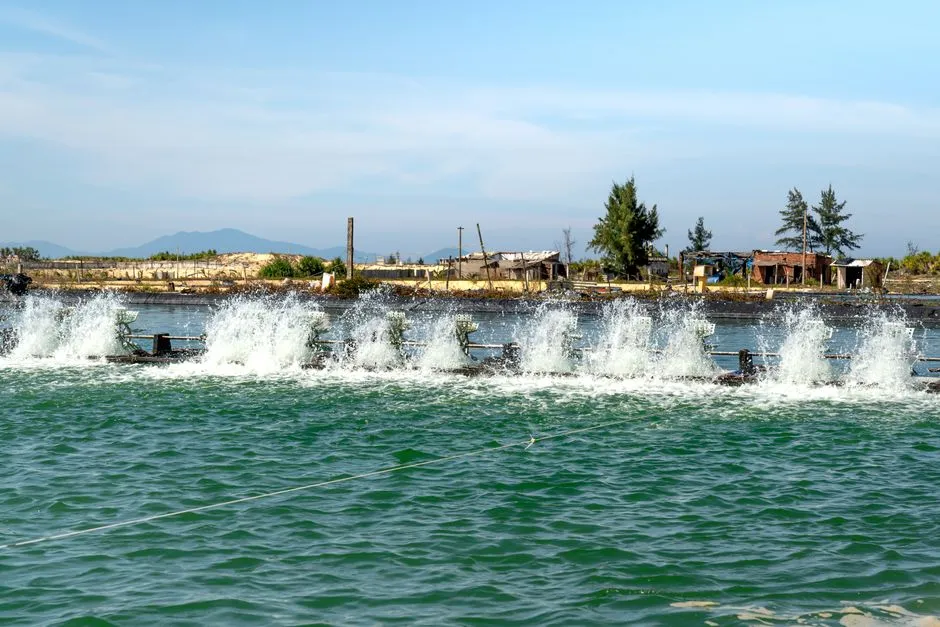
Medellín sits at approximately 1,495 m above sea level, and the lower air density at altitude reduces the mass of oxygen a blower can deliver per unit of power. The blower's standard rating is taken at sea level, so the OEM must re-rate the MBR-C aeration blower for 1,495 m before the engineer can defend the energy figure in a permit package. A smaller correction — typically an upsized blower or a derated airflow — protects nitrification and the membrane air-scour system from oxygen starvation at altitude.
Medellín's annual mean temperature of around 22 °C falls inside the MBR-C operating window of 20–30 °C (Pure Aqua, 2025-08), so the unit is technically within its rated band for most of the year. The risk is cooler nights that can dip the bioreactor temperature below the 20 °C design point, which slows biological kinetics and reduces nitrification efficiency. The engineer should request confirmation from the OEM that the insulated container walls preserve the 20 °C design point at Medellín's minimum overnight ambient, and ask for tank-heating options if not.
Reference electrical supply on the MBR-C is 460V/3Ph/60Hz (Pure Aqua, 2025-08). Confirm the local Medellín grid supply at the specific site; if the available supply differs, request a transformer or alternate supply from the OEM rather than assume compatibility, because an undersized or wrong-phase connection will fault the blowers and the feed pump on commissioning day.
Choosing 20' HC vs 40' HC: Decision Framework
The 20' HC vs 40' HC decision is a fit-and-transport problem: both container sizes can carry the same MBR-C reference architecture, so the choice comes down to whether the design flow fits inside one container, whether the site can receive that container, and whether the client needs built-in redundancy. The DF series flat sheet membrane module is a parallel skid option for projects where the container envelope is mechanically exceeded.
| Decision Criterion | 20' HC Container | 40' HC Container |
|---|---|---|
| Typical project size | Smaller residential blocks, small worker camps within the MBR-C envelope | Larger residential communities, university residences, larger camps |
| Site access | Tight urban Medellín sites where a single 40' HC cannot be trucked in | Open or new-build sites with standard container-truck access |
| Hydraulic residence time (HRT) | Shorter HRT; sufficient for smaller populations | Longer HRT buffer in a single skid; better for variable loads |
| Redundancy | Typically single train; standby handled by spare parts | Single train; standby handled by spare parts unless paralleled |
| Layout alternative | Two parallel 20' HC units for N+1 redundancy at hotels or hospitals | One 40' HC plus a smaller polishing unit, or two parallel 40' HC trains for larger communities |
| Membrane architecture | 0.04 µm PVDF hollow-fiber submerged modules, drum screen at 1.5 mm, anoxic zone, per the MBR-C reference (Pure Aqua, 2025-08) | Same MBR-C reference architecture — 0.04 µm PVDF hollow-fiber submerged modules, drum screen at 1.5 mm, anoxic zone (Pure Aqua, 2025-08) |
Use a parallel-train layout when a single 40' HC is mechanically exceeded by the design flow, when the client requires N+1 redundancy so one train can be taken offline for membrane cleaning without halting discharge, or when site access blocks a single 40' HC truck delivery and forces two 20' HC units instead. For a packaged STP at a hotel specifically, the Medellín hotel packaged MBR STP buyer's guide walks the same decision against hotel loading patterns.
Compliance and Documentation for a Medellín Containerized MBR
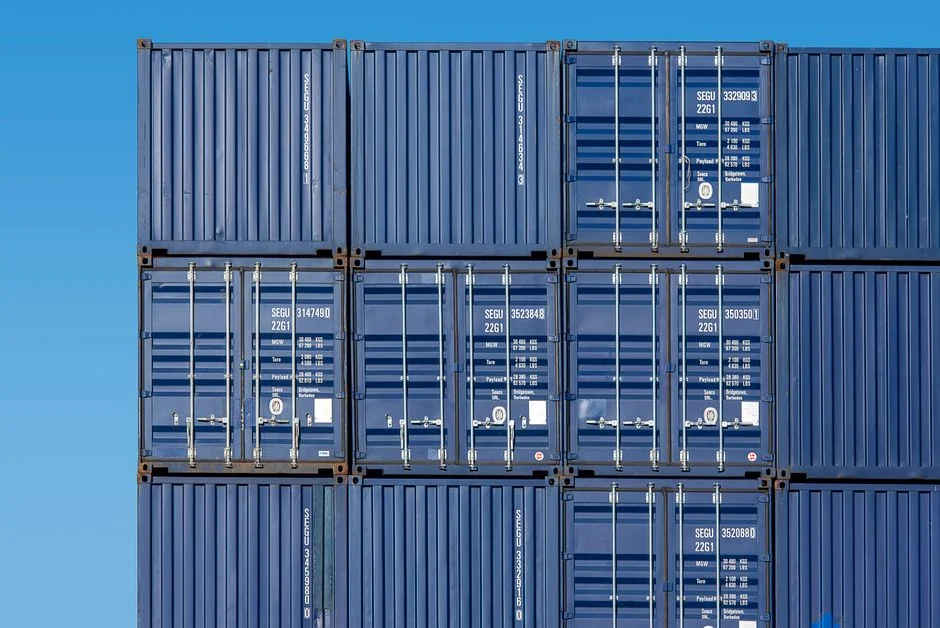
Colombian discharge rules are a sizing input, not an afterthought, and the MBR-C reference effluent envelope — built on activated-sludge biology plus 0.04 µm PVDF submerged membranes (Pure Aqua, 2025-08) — should be checked against the project's environmental authority targets for BOD (biochemical oxygen demand), TSS (total suspended solids), total nitrogen, and fecal coliforms before bid. If the targets are tighter than the MBR-C envelope delivers, budget for a tertiary polishing step such as UV disinfection or a final cartridge filter; do not assume the MBR alone will meet every parameter.
For non-potable reuse — landscape irrigation, toilet flushing, or camp greywater recovery — the IDA/GWI reuse inventory categorizes plants of ≥5,000 m³/d in the 2020–2021 edition and ≥500 m³/d in the 2019 edition as advanced treatment (IDA Water Security Handbook 2020–2021 and 2019). A containerized MBR for a residential community or worker camp sits well below both thresholds, so reuse eligibility is governed by local Colombian rules rather than the IDA framework. Confirm reuse eligibility with the project's environmental authority before specifying reuse-rated piping.
Request from the supplier before bid: as-built drawings, the membrane data sheet, the O&M (operations and maintenance) manual, and a spare-membranes quote — none of these should be optional line items, because membrane replacement is the single largest lifetime cost on an MBR. For a residential-scale reference, the home sewage treatment plant buyer's guide covers the documentation set at a smaller scale.
Frequently Asked Questions
How do I size a containerized MBR STP for a residential or camp project in Medellín, Colombia?
Run the five-step sizing chain: design population → per-capita flow (50 gpd per capita in the MBR-C reference table, per Pure Aqua, 2025-08, to be re-checked against local norms) → peak diurnal factor (2.0–2.5 for residential, higher for camps) → membrane area driven by peak flow → 20' HC or 40' HC fit, with parallel trains when the envelope is exceeded. The 50 gpd basis is US-domestic and should not be quoted as a Colombian-standard value in a permit package without validation.
What does a containerized MBR STP cost for a Medellín residential project?
Market research does not provide a published price for a containerized MBR, so do not assume a figure from a generic catalog. Instead, request a unit-specific quote from the supplier that includes the MBR-C reference architecture (0.04 µm PVDF hollow-fiber submerged membranes, 1.5 mm drum screen, anoxic zone, 460V/3Ph/60Hz supply, per Pure Aqua, 2025-08), the Medellín-specific blower re-rating for 1,495 m elevation, a spare-membranes line item, and a transformer if the local supply differs.
How do I choose between a 20' HC and a 40' HC containerized MBR for a Medellín project?
Use a 20' HC when the design flow fits inside the MBR-C envelope and the site has tight access that blocks a single 40' HC truck delivery; use a 40' HC for larger populations, longer hydraulic residence time, or a higher treated-water buffer in a single skid; specify parallel trains when one container is mechanically exceeded, when the client requires N+1 redundancy, or when a 40' HC cannot be trucked to site. The 0.04 µm PVDF hollow-fiber submerged membrane architecture is the same in both container sizes (Pure Aqua, 2025-08), so the decision is fit and transport, not treatment quality.
How long does delivery and lead time take for a containerized MBR STP to Medellín?
Lead time depends on whether the unit is a standard MBR-C configuration or a custom-engineered skid, and on container-