What Is a Paper Mill Wastewater Recycling System
A paper mill wastewater recycling system combines primary clarification, dissolved air flotation (DAF), biological treatment (typically membrane bioreactor, MBR), and tertiary filtration or reverse osmosis (RO) to recover whitewater and process effluent for reuse. Modern 2026 designs target 60–90% whitewater recirculation, effluent COD below 150 mg/L, and TSS under 10 mg/L, cutting freshwater intake by 30–50% while meeting EPA effluent guidelines, EU Industrial Emissions Directive (IED) 2010/75/EU, and China GB 3544-2008 discharge limits.
The legacy end-of-pipe model generates enormous waste volumes that a closed-loop design avoids. The US pulp and paper industry alone produced approximately 5.6 million dry tons of wastewater treatment sludge in 1995, of which 56% was combined primary and secondary sludge and 45% was landfilled (Erich & First, Springer). That disposal burden — fiber, clay, calcium carbonate, titanium dioxide, and microbial biomass sent to landfill — represents recoverable raw material that a recycling-first train monetises instead of burying.
Closed-loop paper mill water systems operate two distinct circuits. Whitewater recycling (short-loop) recovers fiber and filler at the wet end through a saveall or DAF unit and returns it to the headbox within minutes. Effluent recycling (long-loop) treats clarified and biologically polished wastewater for cooling-tower makeup, dilution water, shower water, or — after RO — boiler feed. Three regulatory and commercial drivers are forcing 2026 upgrades: rising water-stress pricing in basins such as northern China, the western US, and southern Spain; tightening COD and chloride limits under China GB 3544 and EU IED BAT-AEL ranges; and the cost of zero-liquid-discharge (ZLD) brine disposal, which makes partial reuse with concentrate volume minimisation economically preferable to full ZLD in most cases.
Wastewater Streams in a Pulp and Paper Mill
Treating all mill streams through one train is the most common engineering mistake in retrofit projects. A 50,000 m³/d integrated mill typically generates four to six distinct waste streams that differ in COD, TSS, temperature, chloride, and reuse eligibility by an order of magnitude. Mapping streams to the right unit operation cuts both CAPEX and membrane replacement cost.
Whitewater from the forming section carries 500–3,000 mg/L suspended solids, primarily short fibers plus fillers (TiO₂, CaCO₃, kaolin clay). This stream is the prime candidate for a disc saveall or DAF unit and returns fiber to the headbox within the paper machine loop. Machine chest overflow and broke pulp — reject from the stock approach system and pulper rejects — are high-COD (often 2,000–6,000 mg/L), high-fiber streams that can be screened (typically 0.5–1.5 mm slot) and returned directly to the headbox with minimal chemistry. Cleaning and bleaching effluent carries the dissolved load: chlorides (often 800–2,500 mg/L in bleached Kraft mills), adsorbable organic halides (AOX, 1–5 mg/L), color bodies, and high COD (1,500–4,000 mg/L). This stream must pass through biological treatment — MBR is the 2026 default — before any reuse. Condensate and boiler blowdown are low in organics but hot (60–90 °C) and high in dissolved solids; they are excellent cooling-tower makeup after polishing through a multi-media filter.
| Stream | % of Total Flow | COD (mg/L) | TSS (mg/L) | Temp (°C) | Chloride (mg/L) | pH | Reuse Target |
|---|---|---|---|---|---|---|---|
| Whitewater | 40–60 | 300–1,200 | 500–3,000 | 40–55 | 50–300 | 6.5–7.5 | Headbox (short-loop) |
| Machine chest / broke | 5–10 | 2,000–6,000 | 2,000–8,000 | 35–50 | 100–500 | 6.0–7.5 | Headbox after screening |
| Cleaning / bleaching effluent | 15–30 | 1,500–4,000 | 200–800 | 30–60 | 800–2,500 | 2.5–9.0 | Cooling / dilution (post-MBR) |
| Condensate / boiler blowdown | 5–10 | 50–200 | 10–50 | 60–90 | 200–800 | 8.0–10.0 | Cooling-tower makeup |
| Floor wash / general mill | 5–10 | 500–1,500 | 200–600 | 20–35 | 100–400 | 6.5–8.0 | Dilution (post-treatment) |
Process Flow: From Screening to Reuse
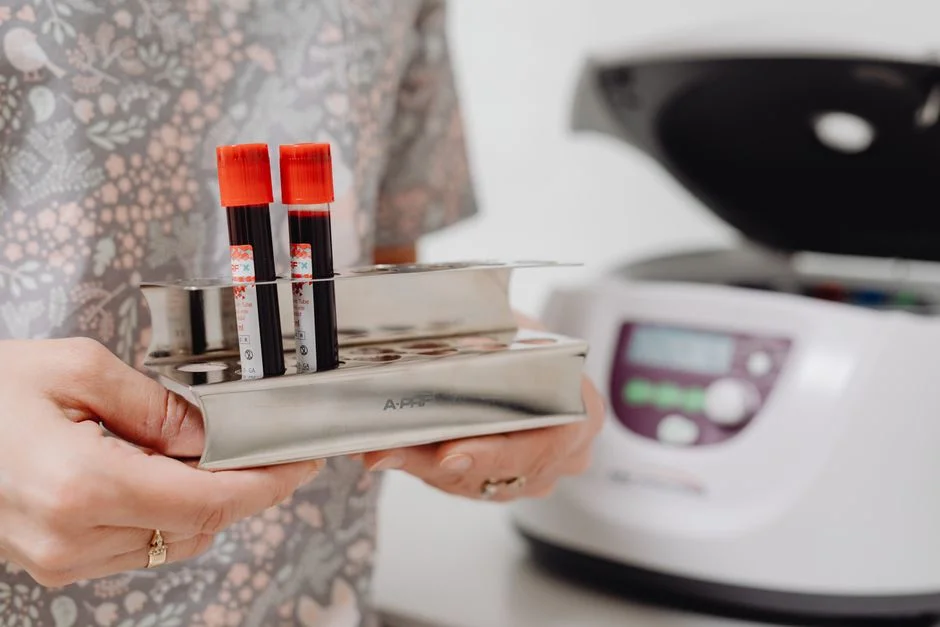
A defensible 2026 reference train for a paper mill wastewater recycling system runs in five stages. Each stage has a measurable performance target so the engineer can verify vendor guarantees against operating data once the plant is commissioned.
Stage 1 — Coarse screening. A rotary mechanical bar screen (GX series) with 2–6 mm aperture removes rags, plastics, and large fiber bundles from the combined mill effluent. Screening protects downstream pumps and DAF nozzles from ragging and reduces grit load to the clarifier.
Stage 2 — Primary clarification + DAF. A gravity primary clarifier (1–2 m³/(m²·h) overflow rate) settles heavy solids, then a dissolved air flotation (DAF) system rated 4–300 m³/h polishes the overflow. At 4–6 m³/(m²·h) hydraulic loading and an air-to-solids ratio (A/S) of 0.005–0.02, DAF removes 90–95% of TSS and 60–80% of fiber, recovering filler for headbox return. Polymer dose typically 2–8 mg/L cationic polyacrylamide at 0.05–0.2% solution strength, controlled by a PLC-controlled chemical dosing system.
Stage 3 — Equalization and nutrient dosing. An equalization basin sized for 8–24 hours of hydraulic residence balances pH to 6.5–7.5 and adds nitrogen (urea or ammonia) and phosphorus (H₃PO₄) to a BOD:N:P ratio of 100:5:1 for downstream biology. Flow equalization prevents shock loading that would crash MBR biology during broke pulping or wash-ups.
Stage 4 — MBR. An integrated MBR membrane bioreactor system with PVDF flat-sheet or hollow-fiber membranes at 0.1 μm pore size runs at MLSS 8,000–12,000 mg/L, HRT 6–10 hours, SRT 30–60 days, and flux 10–18 LMH. MBR effluent routinely meets TSS ≤10 mg/L and COD ≤150 mg/L — sufficient for cooling-tower makeup, dilution water, and most shower applications.
Stage 5 — Tertiary polishing. For boiler-feed reuse, MBR effluent passes through a multi-media filter (anthracite + sand + garnet) to bring SDI below 3, then an RO unit. For non-boiler reuse, a chlorine dioxide generator or UV system provides residual disinfection. The two closed loops operate independently: the short-loop whitewater circuit at 60–90% closure returns to the headbox within minutes; the long-loop effluent circuit at 30–50% closure returns to process users over hours to days.
| Stage | Equipment | Key Parameter | Target |
|---|---|---|---|
| 1 Coarse screening | Rotary bar screen | Aperture | 2–6 mm |
| 2 Clarification + DAF | Primary clarifier + DAF | Hydraulic loading | 4–6 m³/(m²·h) |
| 2 DAF removal | — | TSS / fiber removal | 90–95% / 60–80% |
| 3 Equalization | EQ basin + dosing | HRT | 8–24 h, pH 6.5–7.5 |
| 4 MBR | PVDF flat-sheet / hollow fiber | MLSS / flux | 8,000–12,000 mg/L / 10–18 LMH |
| 4 MBR effluent | — | TSS / COD | ≤10 / ≤150 mg/L |
| 5 Polishing (boiler) | MMF + RO | RO recovery / SDI | 70–85% / <3 |
Equipment Sizing and Performance Targets
Vendor quotes should be sanity-checked against 2026 industry benchmarks before signature. DAF units on paper mill duty should guarantee 90–95% TSS removal, 85–95% FOG removal, and 50–70% color removal at 4–6 m³/(m²·h) surface loading; lower hydraulic loading often indicates an undersized tank. Air-to-solids ratio (A/S) of 0.005–0.02 kg air/kg solids is the working range; values below 0.005 typically give poor float, while values above 0.02 waste recycle-pump energy.
MBR sizing follows a stricter rule. HRT of 6–10 hours and SRT of 30–60 days give stable biology across broke and bleach shutdowns. PVDF flat-sheet MBR modules are preferred over hollow fiber for high-fiber feeds because flat-sheet geometry tolerates the occasional fiber mat and cleans easily with in-place spray — a hollow fiber bundle will blind and require intensive recovery cleans under the same conditions. Operating flux should sit at 10–18 LMH; pushing past 20 LMH accelerates fouling and shortens membrane life from the typical 5–7 years to under 3.
RO recovery in a paper mill polishing train is constrained by scaling, not by membrane rating. With multi-media filtration upstream targeting SDI <3 and antiscalant dose of 2–5 mg/L, 70–85% recovery is realistic for boiler-feed polishing; above 85%, calcium carbonate and silica scaling dominate. The iScience 2025 special issue on wastewater harvesting identifies RO, UV, and multi-stage filtration as the leading reuse technologies in 2026 (iScience call for papers, 2025-09), which matches what is being installed in operating mills this year. Disinfection for shower or felter-loop reuse typically uses a chlorine dioxide generator at 0.5–1.0 mg/L ClO₂ residual rather than chlorine, because ClO₂ does not generate adsorbable halogenated byproducts that would defeat the purpose of closing the loop. For a deeper review of the unit operations discussed here, the DAF design guide for sugar mill wastewater covers hydraulic and air-system sizing in detail, and the 2026 resource recovery trends in industrial wastewater brief covers concentrate valorisation.
| Equipment | Key Spec | 2026 Target |
|---|---|---|
| DAF | Surface loading | 4–6 m³/(m²·h) |
| DAF | A/S ratio | 0.005–0.02 |
| DAF | TSS / FOG / color removal | 90–95% / 85–95% / 50–70% |
| MBR | HRT / SRT / Flux | 6–10 h / 30–60 d / 10–18 LMH |
| MBR | Effluent TSS / COD | ≤10 / ≤150 mg/L |
| RO | Recovery / feed SDI | 70–85% / <3 |
| Disinfection | ClO₂ residual | 0.5–1.0 mg/L |
Whitewater Reuse Ratios by Paper Grade
Reuse ratio is grade-specific because the closure limit is set by dissolved and colloidal material, not by treatment capacity. Each percentage point of additional whitewater closure typically reduces freshwater intake by 1–1.5% in an integrated mill (HydropureWater field data, 2026), so the marginal value of every reuse point is high in water-stressed basins.
Newsprint and tissue mills achieve 80–90% whitewater reuse because the furnish is low in filler and the process tolerates higher closure of the short loop without wet-end chemistry upset. Printing and writing papers — loaded with TiO₂, CaCO₃, and clay — operate at 60–75% reuse; a saveall or DAF underflow that captures these fillers at 70–85% recovery is what makes the economics work, since recovered filler substitutes for virgin furnish at $80–140/ton offset. Packaging and corrugated mills close at 50–70% because high starch load and stickies accumulate in the short loop and force periodic dump-and-refill. Recycled-fiber (deinking) mills are the hardest case at 40–60% reuse, limited by dissolved and colloidal solids that build conductivity and interfere with cationic charge demand.
| Paper Grade | Achievable Reuse | Closure Limiter | Economic Driver |
|---|---|---|---|
| Newsprint / tissue | 80–90% | Low filler, low ash | Freshwater savings |
| Printing / writing | 60–75% | TiO₂, CaCO₃ build-up | Filler recovery at $80–140/ton offset |
| Packaging / corrugated | 50–70% | Starch, stickies | Starch recovery, water savings |
| Recycled fiber (deinking) | 40–60% | Dissolved / colloidal solids | Limited closure; need biological polishing |
2026 CAPEX and OPEX Benchmarks
A 10,000 m³/d closed-loop paper mill recycling train — screening, DAF, MBR, RO, chemical dosing, and disinfection — budgets at $4.5–7.5M USD CAPEX in 2026 (HydropureWater field data, 2026). The wide range reflects influent variability: a printing/writing mill with high filler load needs a larger DAF and a tighter RO pretreatment, while a tissue mill with low ash sits at the low end. OPEX runs $0.18–0.32 per m³ treated, dominated by energy at 45–55% (mainly MBR aeration and RO high-pressure pumps) and chemical dosing at 15–25% (polymer, antiscalant, NaOCl/ClO₂, nutrients).
Fiber and filler recovery from whitewater offsets $80–140 per ton of virgin furnish cost, which is the line item that converts the project from a compliance cost into a profit centre. A 50,000 m³/d integrated mill recycling 70% of its whitewater — typical for printing/writing — saves $1.8–2.4M/yr in combined freshwater intake, virgin fiber substitution, and avoided wastewater surcharges. Payback lands at 2–4 years in water-stressed regions (northern China, India, southern Spain, US Southwest) where industrial water tariffs exceed $1.50/m³. Where water is cheap, payback stretches past 6 years and the project has to be justified on regulatory compliance and discharge-limit security rather than water savings. A practical OPEX reduction path is laid out in the 12 strategies to cut wastewater OPEX guide.
| Item | 2026 Benchmark | Note |
|---|---|---|
| CAPEX (10,000 m³/d train) | $4.5–7.5M USD | Screening + DAF + MBR + RO + dosing |
| OPEX (per m³ treated) | $0.18–0.32 | Energy 45–55%, chemicals 15–25% |
| Fiber/filler offset | $80–140/ton | Recovered furnish substitutes virgin |
| Annual savings (50,000 m³/d, 70% reuse) | $1.8–2.4M/yr | Freshwater + fiber + surcharges |
| Payback (water-stressed basin) | 2–4 years | Tariff >$1.50/m³ |
Frequently Asked Questions
What reuse ratio can a 2026 paper mill wastewater recycling system realistically achieve? Whitewater reuse of 60–90% and effluent reuse of 30–50% are achievable across paper grades, with the upper end limited by dissolved/colloidal solids in deinked and packaging mills (HydropureWater field data, 2026).
What discharge limits must a paper mill recycling system meet in 2026? China GB 3544-2008 caps COD at 80–100 mg/L and TSS at 30 mg/L for existing mills; EU IED 2010/75/EU BAT-AEL ranges set COD at 30–100 mg/L and TSS at 5–35 mg/L; US EPA effluent guidelines enforce narrative and categorical limits under 40 CFR 430.
Is MBR or conventional activated sludge better for pulp and paper effluent? MBR is the 2026 default for pulp and paper duty because it delivers TSS ≤10 mg/L and COD ≤150 mg/L in a single step, eliminates secondary clarifier failures, and tolerates the high MLSS (8,000–12,000 mg/L) needed to handle variable bleach and broke loads (per iScience 2025 reuse review).
When does zero-liquid-discharge (ZLD) beat partial reuse for a paper mill? ZLD is justified only when concentrate disposal exceeds $20/m³ and the basin is in a no-discharge regulatory zone; in most 2026 projects, 70–85% RO recovery plus brine concentration beats full ZLD on both CAPEX ($4.5–7.5M vs. $15–25M for 10,000 m³/d) and OPEX.
Related Equipment
- industrial reverse osmosis (RO) system — specifications, capacity range, and technical data