What a Surabaya Sewage Treatment Plant Supplier Actually Delivers in 2026
A qualified sewage treatment plant supplier in Surabaya in 2026 delivers a complete engineered package, not just a steel tank: process design matched to influent, factory fabrication, Factory Acceptance Testing (FAT), containerized or skid shipping to Tanjung Perak, and on-site commissioning support through performance verification. For East Java buyers, the regulatory anchor is PP 22/2021 (Peraturan Pemerintah No. 22 Tahun 2021), which replaced PP 82/2001 in February 2021 and now governs every Surabaya discharge to river or sea. Surabaya's 28-34°C ambient temperature and 70-90% relative humidity accelerate biological kinetics by roughly 15-20% versus temperate-climate designs, which favors A/O, SBR, and MBR configurations over cold-climate package plants imported from Northern Europe. Demand is driven by recognizable East Java clusters: SIER Rungkut and Waru for light manufacturing, Manyar (Gresik) for petrochemical and food processing, the hotel/resort corridor from Tunjungan to Ketapang, and a municipal works pipeline funded through DLH Jawa Timur (Dinas Lingkungan Hidup Jawa Timur).
Choosing the Right Process for Surabaya Conditions
Process selection determines the footprint, energy requirements, and operator skill needed for the next 15-20 years. The four configurations a Surabaya buyer should compare are: (1) a WSZ underground A/O package plant rated 1-80 m³/h, fully buried, with no dedicated operator, ideal for hotels, residential compounds, and small factories; (2) a MBR membrane bioreactor system handling 10-2,000 m³/day with submerged PVDF (polyvinylidene fluoride) membranes at nominal pore size <1 μm, delivering 60% smaller footprint than conventional activated sludge (CAS); (3) SBR (sequencing batch reactor) for variable hospitality loads, since batch operation absorbs weekend peaks common in Surabaya hotels and resorts; and (4) conventional activated sludge with secondary clarifier, the lowest CAPEX (capital expenditure) option above 500 m³/day but requiring 3-5× the land and trained operators. For high-FOG (fats, oils, and grease) food processing or batik textile influent, a dissolved air flotation system (4-300 m³/h) belongs upstream as a pretreatment stage before the biological reactor.
| Process | Flow range | Footprint vs CAS | Operator skill | Best fit in Surabaya | Typical reuse quality |
|---|---|---|---|---|---|
| WSZ (A/O buried package) | 1-80 m³/h | ~25% | Low | Hotels, residential, small factories | PP 22/2021 Class I |
| MBR | 10-2,000 m³/day | ~40% | Medium | Constrained land, reuse for boiler/cooling | Class I + reuse |
| SBR | 50-5,000 m³/day | ~55% | Medium | Variable hotel/resort load, batch flow | Class I |
| Conventional AS + clarifier | >500 m³/day | 100% baseline | High | Municipal WWTPs, large industrial | Class I or II |
| DAF pretreatment | 4-300 m³/h | Pre-stage | Low | Food, textile, FOG streams | Reduces load 40-70% |
Surabaya STP Compliance: PP 22/2021 Class I vs Class II
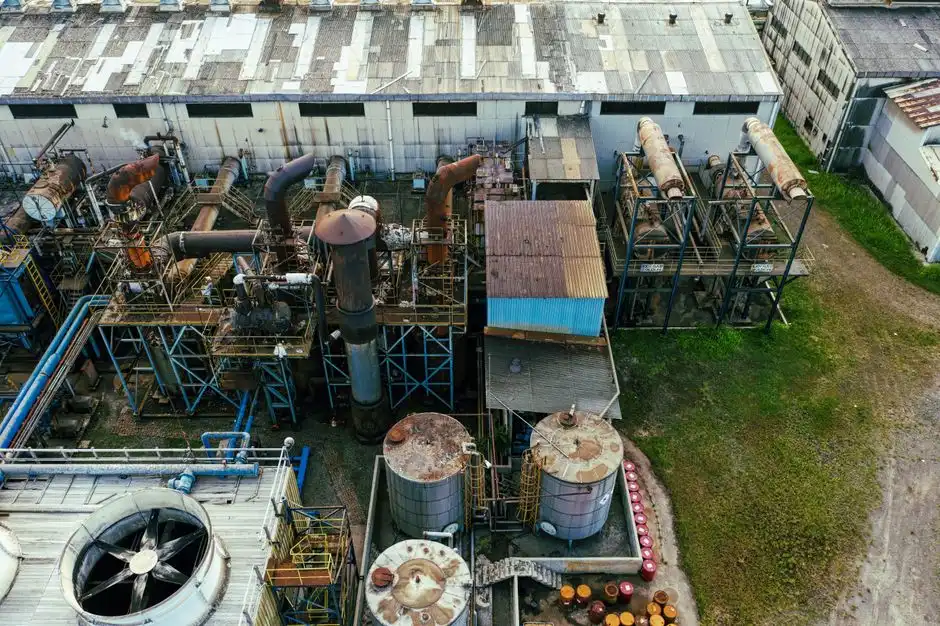
PP 22/2021 defines two discharge classes that determine the entire equipment specification. Class I applies to direct discharge into water bodies used as raw drinking water sources: BOD (biochemical oxygen demand) ≤30 mg/L, COD (chemical oxygen demand) ≤100 mg/L, TSS (total suspended solids) ≤30 mg/L, pH 6-9, oil and grease ≤5 mg/L, plus specific sub-limits for phenol (≤0.5 mg/L), zinc, and other metals that affect textile and electroplating projects. Class II covers discharges to water bodies used for aquaculture or recreation: BOD ≤55 mg/L, COD ≤150 mg/L, TSS ≤50 mg/L. Surabaya rivers (Kalimas, Brantas tributary reaches) and the coastal discharge zones along Kenjeran and Bulak typically require Class I for industrial and hotel projects under DLH Jawa Timur inspection.
A common 2026 buying mistake is accepting a Class II quote to save 15-20% on CAPEX. The plant will fail effluent sampling on the first quarterly audit and force a costly upgrade.
| Parameter | Class I (drinking/raw water) | Class II (aquaculture/recreation) |
|---|---|---|
| BOD₅ | ≤30 mg/L | ≤55 mg/L |
| COD | ≤100 mg/L | ≤150 mg/L |
| TSS | ≤30 mg/L | ≤50 mg/L |
| pH | 6-9 | 6-9 |
| Oil & grease | ≤5 mg/L | ≤10 mg/L |
| Phenol (textile relevant) | ≤0.5 mg/L | ≤1.0 mg/L |
For textile or electroplating sub-limits (phenol, zinc, chromium), the PP 22/2021 phenol discharge limit guide walks through the same regulatory text.
How to Evaluate a Surabaya STP Supplier: 7-Point Checklist
This checklist ensures that quotations from Chinese OEMs, Indian suppliers, or local Surabaya kontraktor (contractors) meet all technical and legal requirements. Each point is a deal-breaker if not addressed in writing.
- PP 22/2021 Class I compliance in writing. Ask for a guaranteed effluent table, not a "typical" range. Class I numbers must be named explicitly with the regulation reference.
- Engineering documentation. P&ID (piping and instrumentation diagram), GA (general arrangement) drawings, electrical single-line, PLC (programmable logic controller) program, and O&M (operations and maintenance) manual in Bahasa Indonesia or English. Without these, commissioning becomes guesswork.
- Surabaya shipping terms. Confirm FOB (free on board) vs CIF (cost, insurance, and freight) Tanjung Perak, container loading dimensions (a 40HQ container fits roughly 25 m³ of packaged STP), and on-site re-assembly scope. CIF Tanjung Perak avoids a second freight contract on the buyer's side.
- Commissioning model. Does the supplier send its own engineers to Surabaya, or rely on a local agent? Budget USD 3,000-8,000 for two engineers × 14 days if not bundled.
- Spare parts and consumables. Biological media, membrane modules, dosing pump spares; confirm lead time to Surabaya via Jakarta or direct sea freight (typically 18-25 days from China/India).
- Reference projects in Southeast Asia. At least one operating STP in Indonesia (Java, Bali, or Sumatra) under similar tropical climate. Factory reference lists in cold climates do not validate tropical performance.
- Warranty. Minimum 12 months mechanical, 24 months electrical, prorated membrane coverage through year 3. Anything shorter in 2026 is a red flag.
2026 CAPEX and OPEX Bands for Surabaya STP Projects
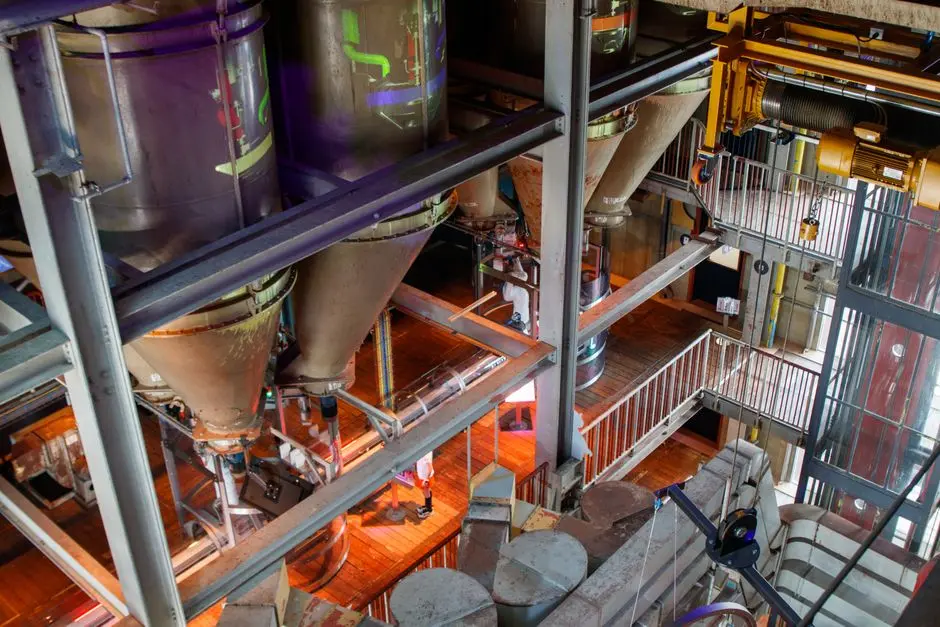
Reference bands allow a Surabaya buyer to sanity-check any quote before entering negotiation. OPEX (operational expenditure) covers energy, chemicals, and sludge handling on a per-cubic-meter-treated basis; CAPEX covers equipment ex-works plus CIF Tanjung Perak shipping, but excludes local civil works and PLN (Perusahaan Listrik Negara, the Indonesian state electricity utility) connection fees unless stated. Itemized BoQ (bill of quantities) is mandatory, and opaque lump-sum quotes should be rejected.
| Plant size | Process | CAPEX range (USD, ex-works + CIF Tanjung Perak) | Containers | OPEX per m³ treated |
|---|---|---|---|---|
| 10-50 m³/day | WSZ package / containerized MBR | 18,000-65,000 | 1 × 40HQ | USD 0.18-0.45 |
| 50-200 m³/day | Skid MBR or SBR | 80,000-250,000 | 2-3 × 40HQ | USD 0.15-0.38 |
| 200-1,000 m³/day | Municipal WWTP (wastewater treatment plant) with civil works | 350,000-1,200,000 | Multiple + local civil | USD 0.08-0.22 |
| >1,000 m³/day | Multi-stage MBR/CAS + tertiary | 1,200,000+ | Project-specific | USD 0.06-0.18 |
The Chinese OEM vs local Surabaya kontraktor differential on mid-size projects (200-1,000 m³/day) is typically 25-40% in favor of Chinese EPC (engineering, procurement, and construction), but local contractors win on small projects (<20 m³/day) because of faster after-sales response. For sludge dewatering downstream of any biological stage, a plate-frame filter press cuts sludge volume by 75-85%; an automatic chemical dosing system is mandatory for MBR cleaning-in-place and for phosphorus precipitation where required.
Local Surabaya Factors: Climate, Power, and Site Constraints
Surabaya conditions often cause failures in designs that do not account for tropical environments. First, ambient water temperature of 28-34°C lets the engineer shrink aeration tank volume 15-20% versus temperate design, but dissolved oxygen control becomes more sensitive because biological oxygen demand rises with temperature. Second, PLN grid reliability varies across Rungkut, Waru, and the south coast; specify a UPS (uninterruptible power supply) on the PLC and consider diesel blower backup for hotel and hospital projects where discharge failure triggers regulatory exposure. Third, high groundwater in coastal Surabaya (Kenjeran, Bulak, north Rungkut) requires anti-floatation design and HDPE (high-density polyethylene) membrane waterproofing on any buried WSZ tank, a detail Chinese OEMs often omit unless the buyer explicitly requests it. Fourth, saltwater intrusion in north Surabaya coastal zones forces duplex stainless steel (e.g., 2205 grade) for any metallic equipment downstream of biological treatment, including blowers, piping, and chemical dosing skids. A rotary mechanical bar screen upstream of any Surabaya inlet protects pumps from monsoon-debris surges between November and March.
Frequently Asked Questions
What is the typical lead time for a Surabaya STP order in 2026? 30-55 working days ex-works (factory gate) plus 18-25 days sea freight to Tanjung Perak. Add 4-6 weeks for on-site civil works and commissioning, so plan